Mainstreet Radiology
If you searched for "Mainstreet Radiology," you were probably trying to book a scan or check out a specific imaging practice by that name.
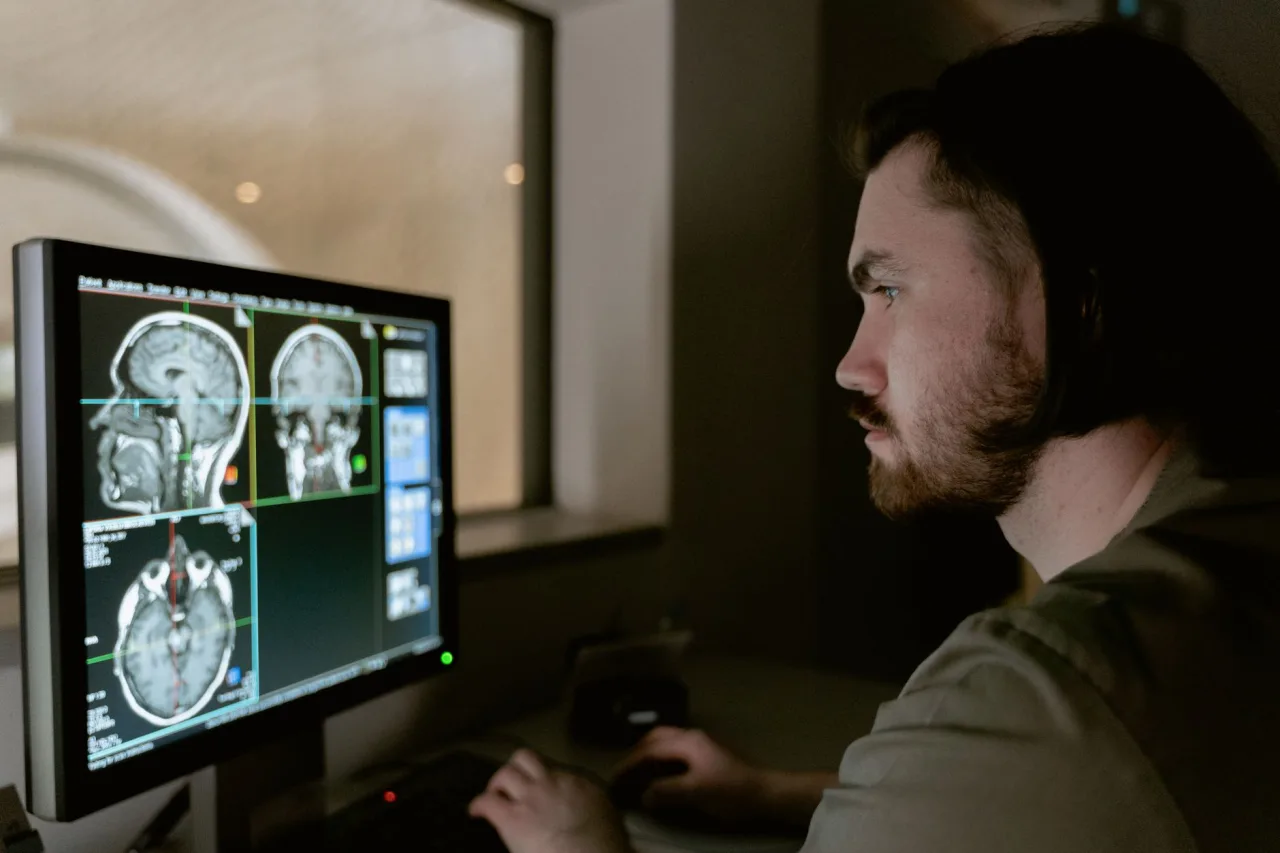
If you searched for "Mainstreet Radiology," you were probably trying to book a scan or check out a specific imaging practice by that name. Rather than list details we cannot verify for your area, this guide explains what a radiology practice actually does, what to expect at an appointment, and how to research and choose any imaging provider with confidence. Always confirm the specifics of a named practice directly with the practice itself.
The short version
- A radiology practice is a medical facility where imaging tests such as ultrasound, x-ray, CT, MRI, and mammography are performed and interpreted by radiologists.
- Names like Mainstreet Radiology refer to specific local practices, so confirm their locations, services, hours, and prices on their own official website or by phone.
- Choosing well comes down to accreditation, the tests offered, whether they accept your insurance or referral, and clear communication.
- Your referring doctor decides which scan you need, and a radiologist interprets it: this article is general information, not medical advice.
What a radiology practice is
Radiology is the medical specialty that uses imaging to diagnose disease and guide treatment. As the Wikipedia overview of radiology explains, it covers methods including x-ray, ultrasound, CT, and MRI, and it splits broadly into diagnostic radiology, which interprets images, and interventional radiology, which performs minimally invasive procedures using image guidance. A radiology practice or imaging center is simply the place where these services are delivered, staffed by radiologists, technologists, and support teams.
A name such as Mainstreet Radiology belongs to a particular practice in a particular place, and details like exact locations, opening hours, and the full menu of scans can change over time. For that reason we do not reproduce them here. Instead, treat this as a guide to understanding any radiology provider, and see our general explainer on what radiology is and what results mean for the wider picture.
What services a radiology practice usually offers
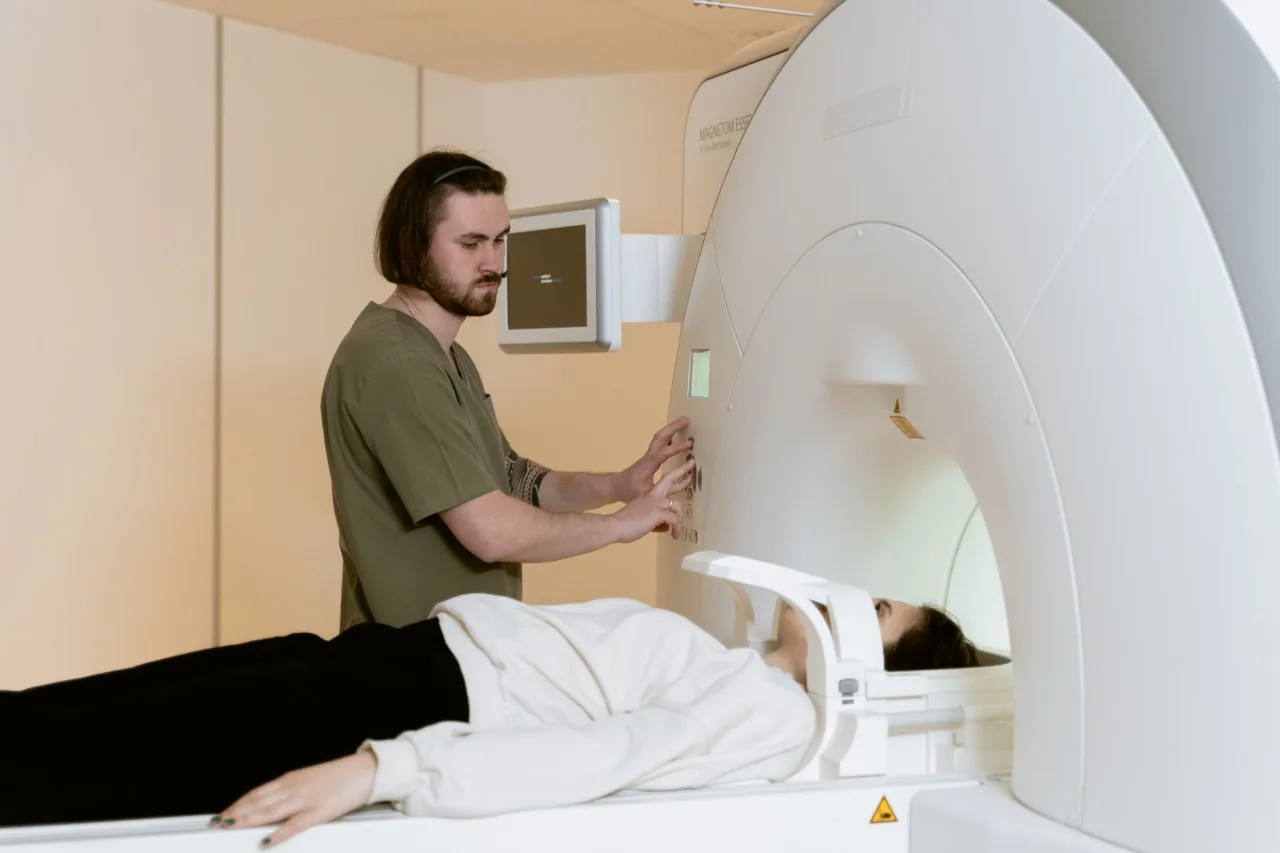
Most general radiology practices provide a core set of imaging tests, though the exact list varies by site and equipment. Commonly available services include:
- Ultrasound, including abdominal, pelvic, and pregnancy scans.
- Plain x-ray for bones, chest, and abdomen.
- CT for detailed cross-sectional images.
- MRI for soft tissue detail without radiation.
- Mammography and bone density scanning.
- Sometimes image-guided procedures such as biopsies.
To learn what a specific test involves before your visit, our guides to a CT scan, an MRI scan, and a general medical imaging overview explain each in plain language. Always check with the practice which of these it actually offers.
How to verify details for a named practice
Because information about any specific practice can go out of date, the safest approach is to confirm it at the source. Before you rely on an address, a phone number, or a price you saw online:
- Visit the practice's own official website rather than a third-party listing.
- Call to confirm the location, hours, and whether the scan you need is available there.
- Check whether they accept your insurance plan or require a doctor's referral.
- Ask for a written cost estimate if you are paying yourself.
Note: Online directories, map listings, and review sites can carry outdated or mixed-up information, especially when several practices share a similar name. Treat them as a starting point and confirm the important details directly with the practice before you travel or book.
How to choose a good imaging provider
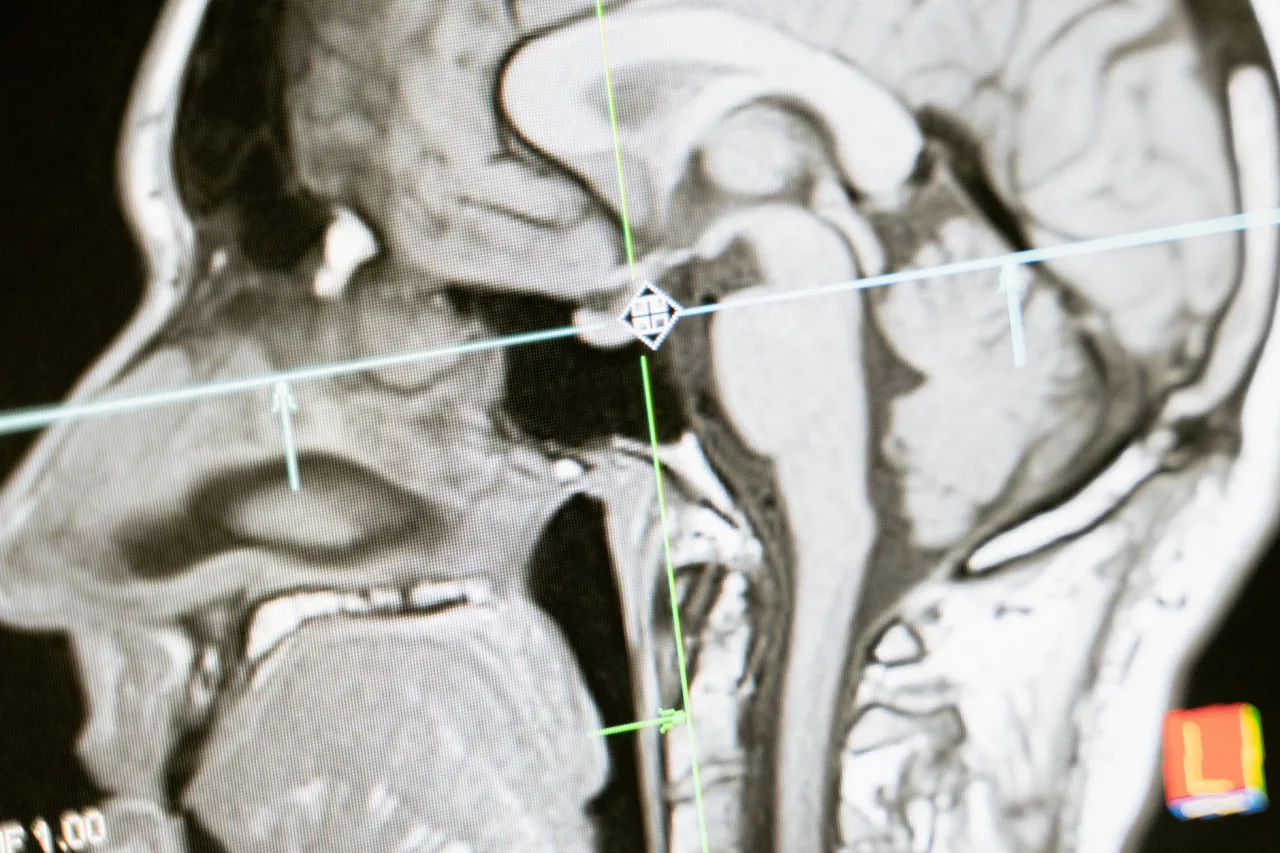
Whatever the name over the door, the same markers of quality apply. Accreditation is one of the clearest signals: in the United States, the American College of Radiology accredits imaging facilities across modalities such as CT, MRI, mammography, and ultrasound, and accreditation means a facility has met defined quality and safety standards reviewed by qualified radiologists and physicists. Beyond accreditation, look for:
- The specific scan you need, on modern equipment.
- Board-certified or specialist radiologists reading the images.
- Clear information on cost, insurance, and referrals.
- Reasonable waiting times and a convenient location.
- A straightforward way to receive your report and images.
Our directory guide to finding a radiology clinic near you walks through how to compare options, and our overview of an imaging center covers what these facilities typically provide.
What to expect at your appointment
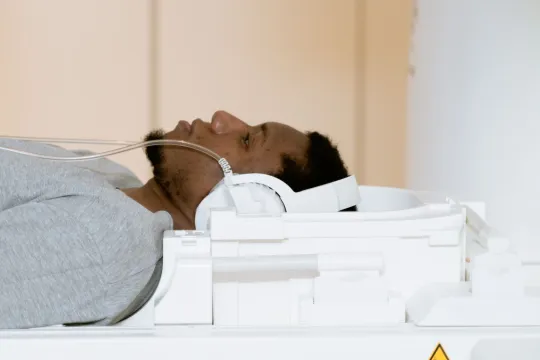
Your experience depends on the test your doctor ordered. In general you will check in, confirm your details and any referral, and change into a gown if needed. A technologist performs the scan, whether that is gliding an ultrasound probe over gel, positioning you for an x-ray, or guiding you into a CT or MRI machine. Preparation varies: some scans need fasting, some need a full bladder, and MRI requires removing all metal. The practice should send you instructions in advance, so read them carefully and call if anything is unclear.
How results and reports work
You rarely get your results from the technologist on the day. Instead, a radiologist reviews the images afterwards and writes a report for the doctor who referred you. That referring doctor then explains what the findings mean in the context of your symptoms and history. Many practices also give you access to your images and report through a patient portal, but a report is written for clinicians and uses cautious, technical language, so it is best understood with your doctor rather than alone.
This is general information, not medical advice. We cannot verify the current details, services, or quality of any specific practice for your area, and we cannot interpret your scan. Confirm details directly with the practice, and discuss any results with the doctor who referred you.
Related guides in this cluster
Provider names crop up a lot in imaging searches, and it helps to understand the practice behind the name. Our guide to Princeton Radiology takes the same honest approach from a patient-journey angle, and our piece on radiology associates explains what a radiology group is. For a national chain example handled with verified information only, see our overview of RAYUS Radiology.
Frequently asked questions
What is Mainstreet Radiology?
Mainstreet Radiology is the name of a specific radiology practice, the kind of facility where imaging tests such as ultrasound, x-ray, CT, and MRI are performed and read by radiologists. Because details like locations, hours, services, and prices belong to that individual practice and can change, confirm them on its official website or by phone rather than relying on third-party listings.
What services do radiology practices offer?
Most general radiology practices offer ultrasound, x-ray, CT, and MRI, and many add mammography and bone density scanning, with some providing image-guided procedures such as biopsies. The exact menu depends on the site and its equipment, so check which specific tests a practice provides before booking.
How do I choose a good imaging provider?
Look for accreditation, such as American College of Radiology accreditation, which shows a facility meets defined quality and safety standards. Also check that it offers the scan you need on modern equipment, accepts your insurance or referral, has reasonable waiting times, and gives you a clear way to receive your report.
Do I need a referral to book a scan?
Often yes. Many radiology practices and insurers require a referral or order from your doctor for a diagnostic scan, and the referral also ensures the right test is chosen. Requirements vary by country, provider, and plan, so confirm with both the practice and your insurer before booking.
Who explains my scan results?
A radiologist interprets the images and writes a report, but the doctor who referred you is the one who explains what the findings mean for you. Even if you can see the report in a patient portal, it is written for clinicians, so discuss it with your doctor rather than trying to interpret it yourself.
Sources and further reading:
- Radiology, Wikipedia for what radiology is and the role of a radiologist.
- Accreditation, American College of Radiology for what facility accreditation means.
- Diagnostic Imaging, MedlinePlus (US National Library of Medicine) for an overview of imaging tests.
More guides on Ultrasound & Radiology (General)
Have a question or a topic to suggest?
We read every message. Tell us what you would like to see next.
You may also like
CT Imaging Near Me: Compare Clinics
Holding a CT referral and choosing between centers? Use a simple scorecard to compare accreditation, reporting, price, and turnaround instead of picking the first result.
DEXA Scan Near Me: Choose a Clinic
A DEXA scan is one test where the clinic you pick has a lasting effect, because results are compared over years. Learn how to choose a good bone density center.

Ultrasound Locations Near Me
Hospitals, imaging centers, and keepsake studios all advertise ultrasound. Learn to tell a proper diagnostic location from a novelty one before you book.