Radiology Associates: What They Are
Not one national brand: what radiology group practices do, what to expect, and how to pick a good one.
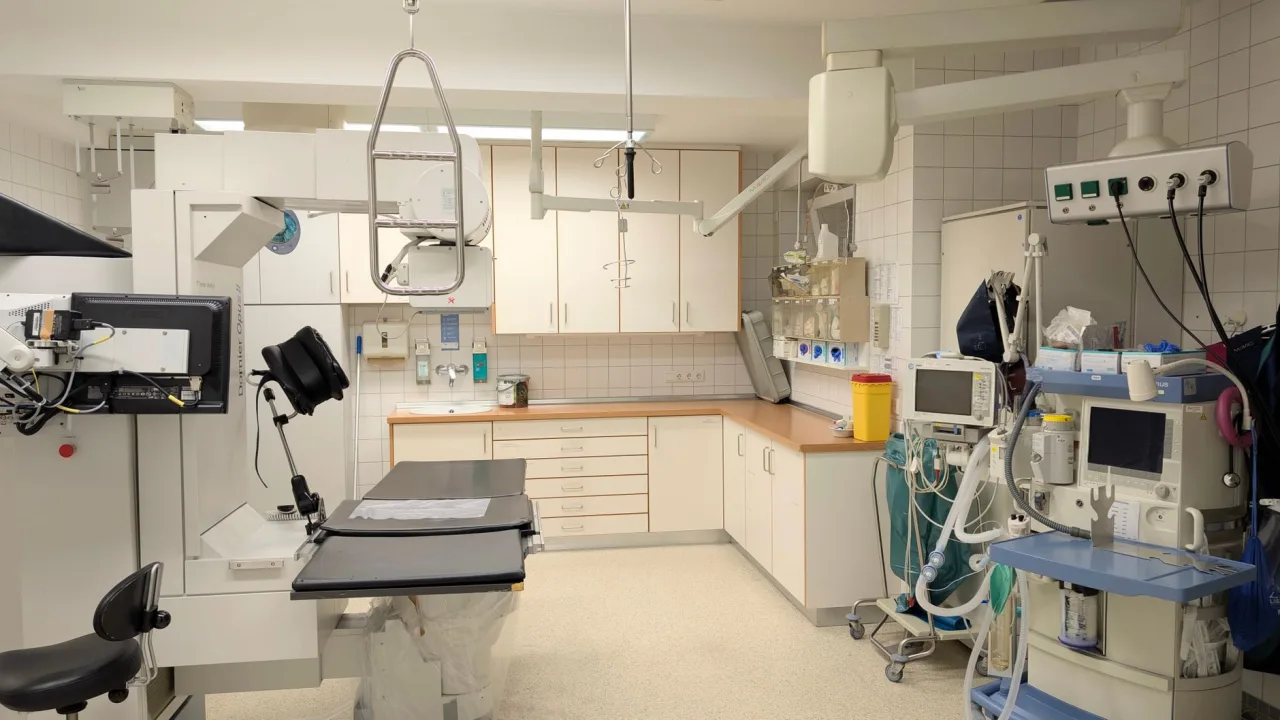
If your doctor has referred you to a "radiology associates" practice, or you have seen the name on a bill or an appointment letter, you may be wondering exactly what that is. It is not one national company. "Radiology Associates" is a common naming pattern for independent group practices of radiologists, usually written as "Radiology Associates of" a city or region. This guide explains what these practices do, what to expect at a visit, and how to choose a good one, without pretending to be a directory of any single named business.
The short version
- "Radiology associates" usually refers to a local group practice of radiologists, not a single nationwide brand.
- These practices perform and interpret imaging such as X-ray, ultrasound, CT, MRI and mammography.
- You normally need a referral, and a radiologist writes a report that goes back to your ordering doctor.
- Look for accreditation and credentialed staff when choosing where to have your imaging done.
What "radiology associates" actually means
Radiology is the medical specialty that uses imaging to diagnose and sometimes treat disease. Many radiologists work together in group practices, and a very common way to name such a group is "Radiology Associates of" somewhere, for example a county, city or health system. Because the name is a convention rather than a trademark of one organisation, there are many separate, unrelated practices around the world that share it. So when you are referred to "Radiology Associates," the important details are the specific local practice, its location and its accreditation, not the shared name.
For a broader explanation of the specialty itself, our overview of what radiology is and how it works is a good companion to this article.
What a radiologist does

A radiologist is a medical doctor who specialises in interpreting medical images and, in some cases, performing image-guided procedures. As MedlinePlus describes, after an imaging test the radiologist reviews the images and shares the results with your provider. In a group practice, several radiologists may sub-specialise, for example in breast imaging, musculoskeletal work or neuroimaging, so that complex cases are read by someone with focused expertise. Some radiologists also perform interventional procedures, using imaging to guide biopsies, drainages and other minimally invasive treatments, which is a very different role from simply reading scans. The images themselves are usually captured by radiologic technologists and sonographers, the professionals who operate the equipment; our guide to the X-ray technologist role explains how those two jobs fit together. Understanding this division of labour helps explain why a single scan can involve several different people, and why more than one professional name may appear on your paperwork.
Services a radiology practice offers
A group radiology practice, whether it runs its own imaging centre or reads for a hospital, typically covers a broad menu of tests:
- X-ray: fast imaging for bones, chest and more.
- Ultrasound: sound-wave imaging with no radiation, which RadiologyInfo.org notes is extremely safe and does not use ionizing radiation.
- CT: detailed cross-sectional imaging, covered in our CT scan guide.
- MRI: magnetic imaging of soft tissue, explained in our MRI scan guide.
- Mammography and other specialised studies depending on the practice.
Some practices are attached to a hospital, while others operate standalone outpatient sites, and many read images from more than one location. The exact menu of tests a given group offers depends on its equipment and its radiologists' specialties, so if you need a specific scan it is worth confirming that the practice performs it before you book. Our overviews of the outpatient imaging centre and the medical imaging centre describe those settings.
Independent practice, hospital or outpatient centre

Where a radiology group is based affects your experience as much as the name on the door. Broadly there are three common settings:
- Hospital-based radiology: convenient if you are already an inpatient or need urgent imaging, and well suited to complex or emergency cases.
- Independent outpatient imaging centres: often quicker to book for routine scans, sometimes with easier parking and more flexible hours, and frequently a lower-cost setting for self-pay patients.
- Teleradiology arrangements: where a group reads images remotely for a facility, so the radiologist interpreting your scan may not be in the same building.
None of these is automatically better; the right choice depends on your test, your urgency and your insurance. For non-urgent imaging, an accredited outpatient centre is often a comfortable and cost-effective option, while anything urgent is usually best handled where your treating team is based.
What to expect at a visit
The journey through a radiology practice usually follows a familiar path:
- Referral: most imaging needs an order from your doctor, which specifies the test and the clinical question.
- Scheduling and preparation: the practice books your appointment and tells you any preparation, such as fasting for some ultrasounds or arriving early for paperwork.
- The scan: a technologist or sonographer performs the imaging. How long this takes depends on the test.
- Interpretation: a radiologist reviews the images and writes a report.
- Results: the report goes to your referring doctor, who discusses it with you.
How your results work
The report a radiologist produces describes what the images show in technical terms. It is written primarily for the doctor who ordered the test, who then combines it with your symptoms, history and other results. This is why you should not try to interpret a radiology report in isolation: the same finding can mean very different things depending on your clinical picture. If a portal lets you see your report before your doctor does, it is reasonable to read it, but treat any next-step decisions as a conversation with your clinician.
A note on medical advice
This article is general educational information, not medical advice, and it cannot tell you what your own imaging report means. For anything specific to you, speak with the doctor who referred you or the radiologist who reported your images.
How to choose a good radiology practice
Because "radiology associates" can refer to many different local practices, it pays to judge each one on its merits rather than its name. Useful signals of quality include:
- Accreditation: the American College of Radiology accredits imaging facilities that meet its standards, and accreditation is a reasonable marker of quality to ask about.
- Credentialed staff: board-certified radiologists and technologists credentialed by bodies such as the ARRT.
- The right equipment and sub-specialists for the test you need.
- Practical factors: location, wait times, how they share results, and clear, upfront pricing.
- Cost transparency: confirm what you will pay and what your insurer covers before you book, since costs vary by provider and plan.
Costs deserve a special mention because radiology billing can be confusing. For the same scan you may receive separate charges, one for the facility and equipment (the technical component) and one for the radiologist's interpretation (the professional component), and these can come from different entities. This is a common reason people are surprised by a bill from a "radiology associates" group they do not remember visiting: it is often the reading radiologists billing for interpreting images taken elsewhere. Prices and coverage vary widely by provider, plan and country, so always confirm the expected cost and what your insurer covers before your appointment, and ask whether both components are in-network. Never assume coverage based on the facility alone.
When you are ready to compare local options, our guide to finding and choosing a radiology clinic near you walks through the questions to ask, and larger national groups such as those covered in our overview of RAYUS Radiology show how outpatient imaging networks operate at scale.
Frequently asked questions
Is Radiology Associates a single national company?
No. "Radiology Associates" is a common naming pattern for independent local group practices of radiologists, usually written as "Radiology Associates of" a city or region. Many separate, unrelated practices share the name, so the important details are the specific local practice, its location and its accreditation.
Do I need a referral to visit a radiology practice?
Most imaging needs an order from your doctor, which specifies the test and the clinical question it is meant to answer. Some practices offer certain self-pay scans without a referral, but requirements vary, so check with the specific practice and your insurer beforehand.
Who reads my scan at a radiology group?
A radiologist, a medical doctor who specialises in interpreting medical images, reviews your scan and writes a report. In a group practice, your images may be read by a radiologist who sub-specialises in the relevant area, and the report goes to your referring doctor.
How do I know if a radiology practice is any good?
Useful signals include accreditation, for example by the American College of Radiology, board-certified radiologists, technologists credentialed by bodies such as the ARRT, the right equipment for your test, and clear, upfront pricing. Practical factors such as location, wait times and how results are shared also matter.
How will I get my results?
The radiologist's report goes to the doctor who referred you, who then discusses the findings and any next steps with you. Some practices also give you access through a patient portal, but decisions about what the results mean should be made with your clinician.
More guides on Ultrasound & Radiology (General)
Have a question or a topic to suggest?
We read every message. Tell us what you would like to see next.
You may also like
Radiology: A Patient's Guide
What radiology is in plain language: the main imaging types, why doctors order scans, how they work, radiation safety, and how to read your results.

Radiology Near Me: How to Choose a Clinic
Radiology near you spans X-ray, ultrasound, CT and MRI. Here is what a radiology clinic does, who the radiologist is, honest radiation facts by scan type, and how to choose an accredited practice.
Imaging Center: How to Find & Choose
An imaging center brings several scan types under one roof. Learn how to find and choose a good one, from modality accreditation to radiologist reporting and cost.