Ultrasound Locations Near Me
Telling diagnostic ultrasound locations from keepsake studios, and what to check before you book.

Ultrasound is one of the most common scans there is, which is exactly why locations vary so much: hospitals, outpatient imaging centers, women's clinics, and pop-up keepsake studios all advertise it. This guide helps you tell a proper diagnostic ultrasound location from a novelty one, and shows what to check before you book. It is general information, not a directory of named clinics, because the right place depends on which ultrasound you need, your insurer, and where you live.
The short version
- Ultrasound uses sound waves, not radiation, so it is very safe, but a good result still depends on a skilled sonographer and a radiologist to interpret it.
- Match the location to the exam: obstetric, abdominal, pelvic, vascular, and heart ultrasounds are different studies with different preparation.
- Favor a location where a qualified sonographer performs the scan and a physician reports it, over a keepsake studio that only sells images.
- Ask about preparation up front: some scans need a full bladder, others need fasting, and getting it wrong can mean rebooking.
How ultrasound works, and why it is so widely available
An ultrasound scan sends high-frequency sound waves into the body and builds a live image from the echoes. The NHS guide to ultrasound scans explains that the sound waves are safe and, unlike X-rays or CT, ultrasound does not use any radiation. Because the equipment is comparatively portable and there is no radiation to manage, ultrasound turns up in more settings than almost any other scan. That convenience is a genuine strength, but it also means quality varies a lot from one location to the next. For a fuller walkthrough of the test itself, see our overview of what an ultrasound is used for and how it works.
The person matters more than the machine
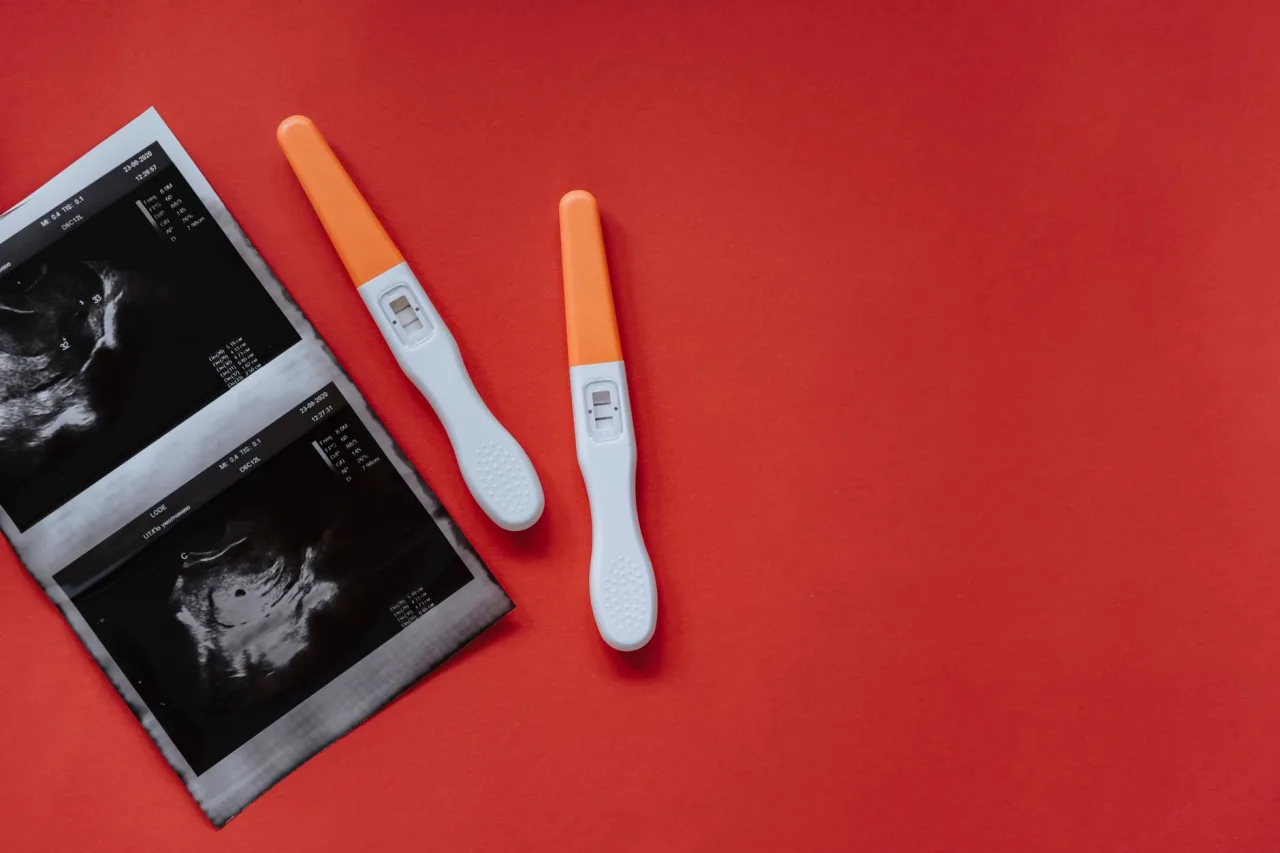
Ultrasound is uniquely operator-dependent. The image is captured live by a person moving a probe and deciding what to record, so the skill of the sonographer has a large effect on whether a problem is seen. That is why the most useful thing you can check is not the brand of scanner but who is doing the scan and who interprets it.
- A qualified sonographer. In many countries this means a credentialed professional, for example one registered through the American Registry for Diagnostic Medical Sonography.
- A reporting physician. A radiologist or relevant specialist should interpret the images and send a written report to your doctor.
- Accreditation. The American College of Radiology accredits ultrasound facilities, covering image quality, equipment, and staff qualifications.
Match the location to the exam you need
"Ultrasound" covers a family of different studies, and not every location does all of them. Knowing which one your doctor ordered narrows the field quickly. RadiologyInfo notes that ultrasound is used to examine the heart, liver, kidneys, and reproductive organs, and to guide procedures such as needle biopsies; you can read more on RadiologyInfo's general ultrasound page. Common types include:
- Obstetric (pregnancy) ultrasound for monitoring a developing baby.
- Abdominal ultrasound for the liver, gallbladder, kidneys, and other organs.
- Pelvic and transvaginal ultrasound for the reproductive organs.
- Vascular and Doppler ultrasound for blood flow in arteries and veins.
- Echocardiography for the heart, often done at a cardiology location.
A center that focuses on your type of scan, or a general sonography center near you, is usually a safer bet than a location that lists ultrasound as an afterthought. If you specifically want a self-pay or faster option, our guide to a private ultrasound near you covers the trade-offs.
Diagnostic ultrasound versus keepsake studios

Some storefronts sell "keepsake" or "bonding" 3D and 4D baby images without a medical purpose. These are not the same as a diagnostic scan. Health regulators, including the US Food and Drug Administration, discourage non-medical keepsake ultrasound because it exposes the baby to ultrasound energy without a medical reason and can create false reassurance or false alarm when the operator is not qualified to interpret findings. If your aim is medical, a location that only sells images is the wrong choice.
Important note: a souvenir image is not a substitute for the scans your maternity team schedules. If you want keepsake pictures, ask whether they can be taken during a medically supervised appointment, and keep attending the scans your own clinicians arrange.
Preparation changes by scan, so ask first
One reason ultrasound appointments get rebooked is preparation. The NHS points out that you might be asked to drink water and keep a full bladder for some scans, or to avoid eating for a few hours before others, and some ultrasounds are done internally with a probe. The clinic should tell you exactly what to do, so confirm when you book. Getting this right saves a wasted trip.
- Pelvic and early pregnancy scans often need a full bladder.
- Abdominal scans of the liver or gallbladder often need several hours of fasting.
- Wear loose clothing you can easily move aside, and bring your referral and any previous imaging.
What ultrasound costs, honestly
Costs vary by country, location type, the specific study, and insurance. In the United States, a self-pay ultrasound is often more affordable than CT or MRI but still ranges widely, and hospital settings tend to cost more than outpatient centers. In systems like the NHS, a medically necessary ultrasound is typically provided without a direct charge. The only reliable number is the one the clinic and your insurer confirm for your exact scan, so ask for the all-in price, including the reading fee, before you book.
If you are weighing several places, our broader guide to choosing any imaging clinic near you applies the same checklist across modalities, and the general ultrasound near me guide in this cluster covers the basics from another angle.
Questions to ask before you book
A short phone call filters out most weak options and confirms the good ones. When you call an ultrasound location, it is reasonable to ask:
- Do you perform the specific ultrasound my doctor ordered, and how often do you do it?
- Who carries out the scan, and are your sonographers formally qualified or registered?
- Will a radiologist or specialist interpret the images and send a written report to my doctor?
- Are you accredited for ultrasound, and by whom?
- How should I prepare, and how long will the appointment take?
- What is the all-in price for my scan, is it covered by my insurance, and can I get a copy of the images?
Pay attention to how the answers are given as much as to the answers themselves. A location that explains preparation clearly, names the qualifications of its staff, and is comfortable talking about price and reporting is usually a location that runs the rest of its service well. Vague answers, or pressure to book add-on keepsake packages, are a reasonable prompt to keep looking. If your doctor has ordered more than one kind of test, a general radiology center near you may be able to do the ultrasound alongside the rest under one roof.
This is general information, not medical advice. This article explains how to find and choose an ultrasound location. It cannot tell you whether you need a scan or what your images mean. Only your referring doctor or a radiologist can interpret your ultrasound and advise on next steps. Always follow the guidance of your own healthcare team, and keep attending the scans they arrange.
Frequently asked questions
How do I choose a good ultrasound location near me?
Match the location to the exam your doctor ordered, then favor a place where a qualified sonographer performs the scan and a physician reports it, ideally an accredited facility. Confirm the preparation instructions and the all-in price by phone before booking, and avoid keepsake studios if your purpose is medical.
Is ultrasound safe?
Yes. Ultrasound uses sound waves rather than radiation and is considered very safe, which is why it is used in pregnancy. Its safety does not remove the need for a skilled operator, though, since ultrasound is highly operator-dependent and a good result relies on the person performing and interpreting the scan.
Are 3D and 4D keepsake ultrasounds a good idea?
Non-medical keepsake ultrasounds are discouraged by regulators such as the US Food and Drug Administration because they expose the baby to ultrasound energy without a medical reason and may be interpreted by unqualified staff. They are not a substitute for the scans your maternity team schedules. If you want keepsake images, ask whether they can be taken during a medically supervised appointment.
How should I prepare for an ultrasound?
It depends on the scan. Pelvic and early pregnancy scans often need a full bladder, while abdominal scans of the liver or gallbladder often need several hours of fasting. The clinic should give you exact instructions when you book, so follow those, and bring your referral and any previous imaging.
Do I need a referral for an ultrasound?
In many places an ultrasound is arranged through a doctor, both for medical appropriateness and for insurance coverage, though some private centers offer self-referral. Either way, the images should be interpreted by a qualified professional and reported to your doctor. Ask your clinician what is required where you live.
More guides on Find a Clinic (Local)
Have a question or a topic to suggest?
We read every message. Tell us what you would like to see next.
You may also like

Ultrasound Near Me: How to Choose
An honest guide to finding an ultrasound near you: how to choose an accredited clinic where a radiologist reports the images, what scans typically cost, and the questions worth asking before you book.

Sonography Near Me: How to Choose a Clinic
Sonography near you is the search for a good ultrasound close by. Here is what it involves, how to check the sonographer is qualified, the main scan types, and how to choose a clinic that reports properly.

Private Ultrasound Near Me: A Buyer Guide
People go private for an ultrasound to skip a wait or to see a baby early. Here is when it makes sense, how to tell a diagnostic scan from a keepsake one, and how to choose a safe, reputable clinic.