Princeton Radiology
People who search for "Princeton Radiology" are usually about to have a scan and want to know what to expect from an imaging practice by that name.
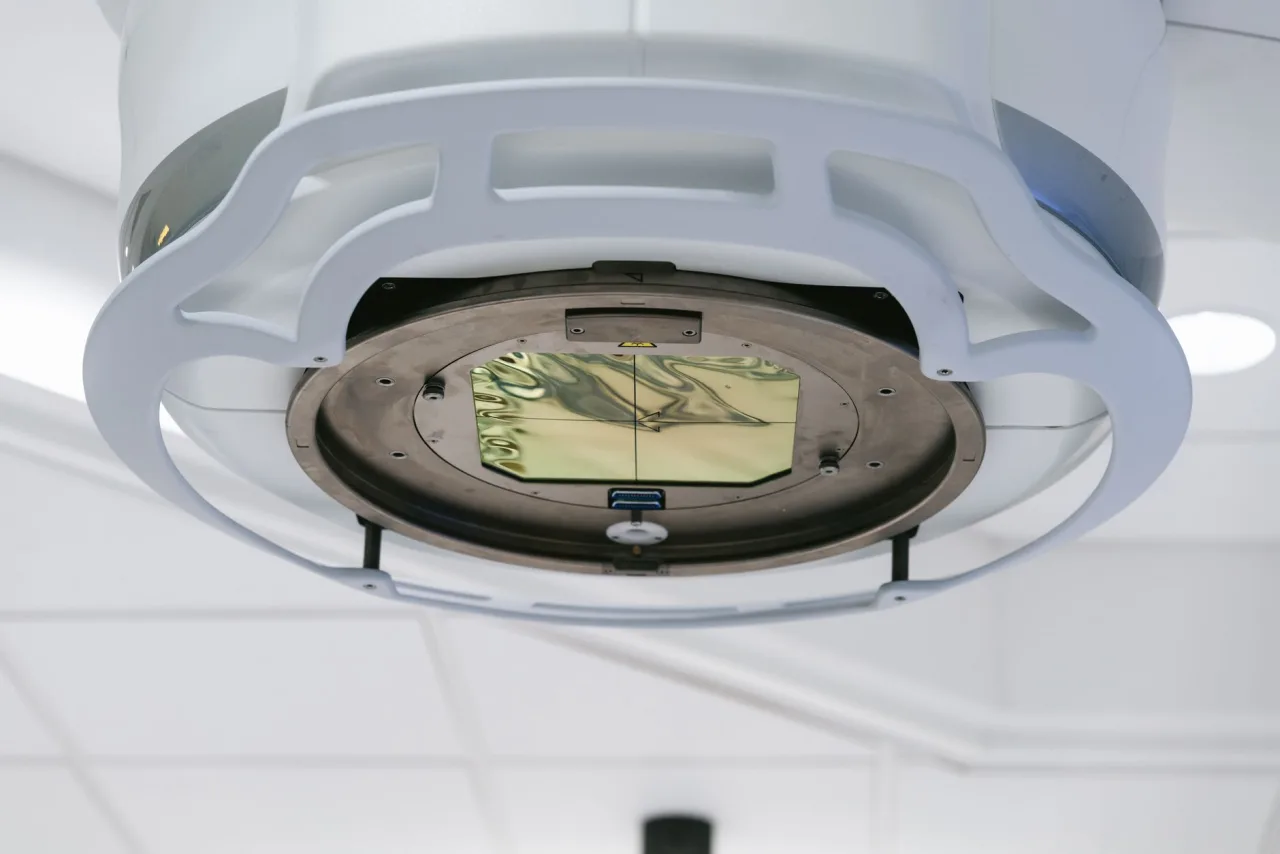
People who search for "Princeton Radiology" are usually about to have a scan and want to know what to expect from an imaging practice by that name. Because the specific locations, services, and prices of any single practice can change, this guide focuses on the patient journey: how a radiology appointment works from booking to results, and how to get the details you need. Always confirm the specifics of a named practice directly with the practice itself.
The short version
- Princeton Radiology is the name of a specific radiology practice, a facility where imaging such as ultrasound, x-ray, CT, and MRI is performed and read by radiologists.
- We do not list any practice's locations, hours, or prices because those belong to the practice and can change: confirm them on its official site or by phone.
- The patient journey is broadly the same everywhere: referral, booking, preparation, the scan, then a radiologist's report to your doctor.
- Your referring doctor chooses the test and explains the result: this article is general information, not medical advice.
What a radiology practice does
Radiology is the medical specialty that uses imaging to diagnose disease and guide treatment. The Wikipedia overview of radiology notes that it spans x-ray, ultrasound, CT, and MRI, and divides into diagnostic radiology, which interprets images, and interventional radiology, which performs minimally invasive procedures with image guidance. A radiology practice is the setting where these services happen, staffed by radiologists who read the scans and technologists who perform them.
A name such as Princeton Radiology belongs to a particular practice in a particular area. Details like exact sites, opening hours, and the range of scans offered can change, so we do not reproduce them here. For the wider background, see our general explainer on what radiology is and what results mean, and our companion guide to Mainstreet Radiology, which covers how to research and choose a provider.
Step one: the referral and booking

Most diagnostic scans start with a referral. Your doctor decides which imaging test will answer the clinical question and sends an order to the radiology practice. When you book, this is the moment to sort out the practical details:
- Confirm which location offers the scan you need, as larger practices run several sites.
- Check whether the practice accepts your insurance, or ask for a self-pay estimate.
- Ask how long the appointment will take and what preparation is required.
- Note how you will receive your report and images afterwards.
Requirements differ by country, provider, and insurance plan, so it is worth confirming everything at the point of booking rather than assuming. Our directory guide to finding a radiology clinic near you explains how to compare options if you have a choice of provider.
Step two: preparing for your scan
Preparation depends entirely on the test your doctor ordered, and the practice should send you instructions in advance. As a general guide:
- An abdominal ultrasound often needs fasting for several hours.
- A pelvic ultrasound may need a full bladder.
- MRI requires removing all metal and telling staff about any implants.
- Some CT scans use a contrast dye, which may involve fasting and a kidney check.
- X-rays usually need little more than removing metal objects.
Important: Always tell the team if you are or might be pregnant, if you have any metal implants or a pacemaker, or if you have had reactions to contrast dye before. These details shape which scan is safe for you and how it is done.
Step three: the scan itself
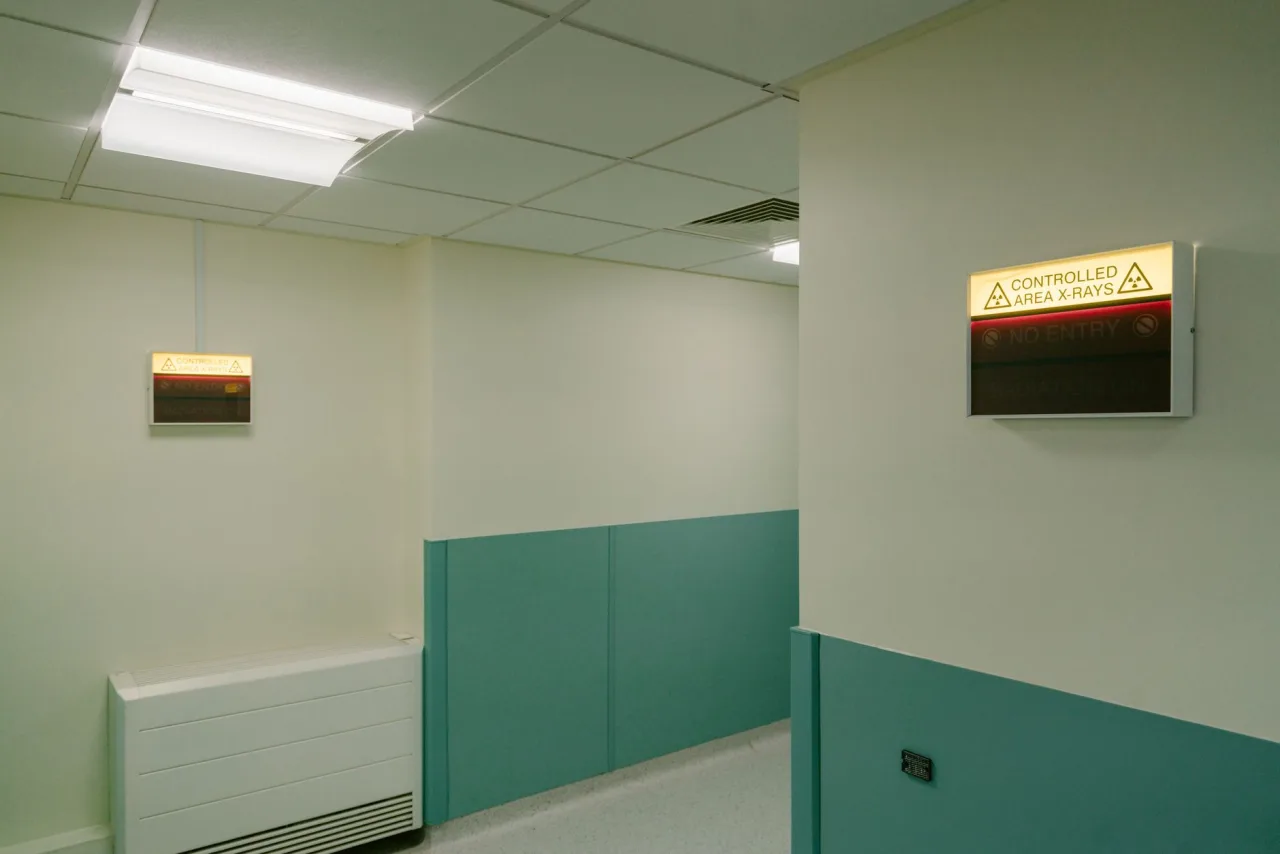
On the day you check in, confirm your details and referral, and change into a gown if needed. A technologist performs the scan. For an ultrasound they glide a probe over gel on your skin; for an x-ray they position you and step behind a barrier for a brief exposure; for CT or MRI you lie on a table that moves into the scanner. Ultrasound and MRI use no ionising radiation, while x-ray and CT use a carefully controlled dose. To understand a specific test before you arrive, see our guides to an MRI scan, a CT scan, and how ultrasound works.
Step four: how results reach you
You will rarely get a diagnosis from the technologist on the day. Instead, a radiologist reviews the images afterwards and writes a report for the doctor who referred you. That referring doctor then explains what the findings mean in the light of your symptoms and history. Many practices give you access to your images and report through an online portal, which is convenient, but a radiology report is written for clinicians in cautious, technical language, so it is best read together with your doctor.
How quickly results arrive depends on the setting and urgency. Try not to interpret a report or image yourself while you wait, because the words describe appearances and only gain meaning within your full clinical picture.
This is general information, not medical advice. We cannot verify the current details or quality of any specific practice for your area, and we cannot interpret your scan. Confirm details directly with the practice, and discuss your results with the doctor who referred you.
Signs of a quality imaging provider
Whatever the practice is called, the same markers of quality apply. Accreditation is a clear one: the American College of Radiology accredits imaging facilities across modalities such as CT, MRI, mammography, and ultrasound, and accreditation shows a facility has met defined quality and safety standards. Beyond that, look for board-certified radiologists, modern equipment, clear pricing and insurance information, reasonable waiting times, and a simple way to obtain your report and images. Our overview of an imaging center describes what these facilities typically provide.
Verifying details for a named practice
Because information about any single practice can go out of date, and because several practices can share a similar name, confirm the important details at the source. Use the practice's own official website rather than a third-party listing, call to check the location and services, and ask directly about insurance and referral requirements. For a broad view of the tests a radiology group may offer, our medical imaging overview is a useful primer.
Frequently asked questions
What is Princeton Radiology?
Princeton Radiology is the name of a specific radiology practice, the kind of facility where imaging tests such as ultrasound, x-ray, CT, and MRI are performed and read by radiologists. Because details like locations, hours, services, and prices belong to that individual practice and can change, confirm them on its official website or by phone rather than relying on third-party listings.
Do I need a referral before booking a scan?
Often yes. Many radiology practices and insurers require a referral or order from your doctor for a diagnostic scan, which also ensures the right test is chosen for your symptoms. Requirements vary by country, provider, and plan, so confirm with both the practice and your insurer before booking.
How should I prepare for my appointment?
It depends on the scan. An abdominal ultrasound often needs fasting, a pelvic ultrasound may need a full bladder, and MRI requires removing all metal and reporting any implants. The practice should send instructions in advance, so read them carefully and call if anything is unclear. Always mention pregnancy, implants, or previous contrast reactions.
When and how do I get my results?
A radiologist reviews your images after the scan and sends a report to the doctor who referred you, who then explains what it means for you. Many practices also offer a patient portal with your report and images. The timing depends on the setting and urgency, and a report is written for clinicians, so discuss it with your doctor rather than interpreting it alone.
How do I know a practice is good quality?
Look for accreditation such as American College of Radiology accreditation, which shows a facility meets defined quality and safety standards. Also check for board-certified radiologists, modern equipment, clear information on cost and insurance, reasonable waiting times, and an easy way to receive your report and images.
Sources and further reading:
- Radiology, Wikipedia for what radiology is and the role of a radiologist.
- Accreditation, American College of Radiology for what facility accreditation means.
- Diagnostic Imaging, MedlinePlus (US National Library of Medicine) for an overview of imaging tests.
More guides on Ultrasound & Radiology (General)
Have a question or a topic to suggest?
We read every message. Tell us what you would like to see next.
You may also like
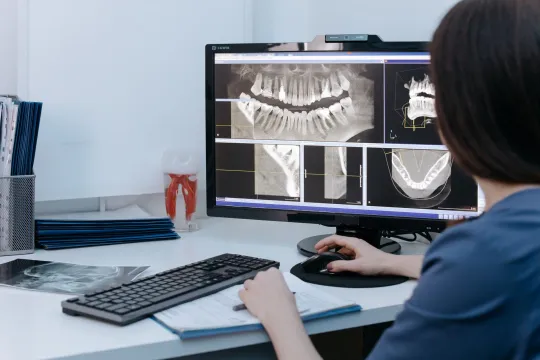
CT Imaging Near Me: Compare Clinics
Holding a CT referral and choosing between centers? Use a simple scorecard to compare accreditation, reporting, price, and turnaround instead of picking the first result.
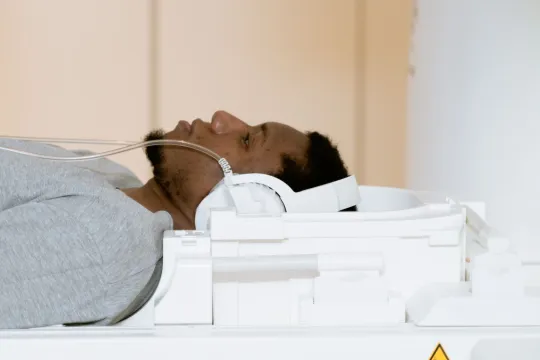
DEXA Scan Near Me: Choose a Clinic
A DEXA scan is one test where the clinic you pick has a lasting effect, because results are compared over years. Learn how to choose a good bone density center.

Ultrasound Locations Near Me
Hospitals, imaging centers, and keepsake studios all advertise ultrasound. Learn to tell a proper diagnostic location from a novelty one before you book.