ACR Accreditation Explained
What the American College of Radiology is, why its accreditation matters, and how to use it when choosing where to be scanned.
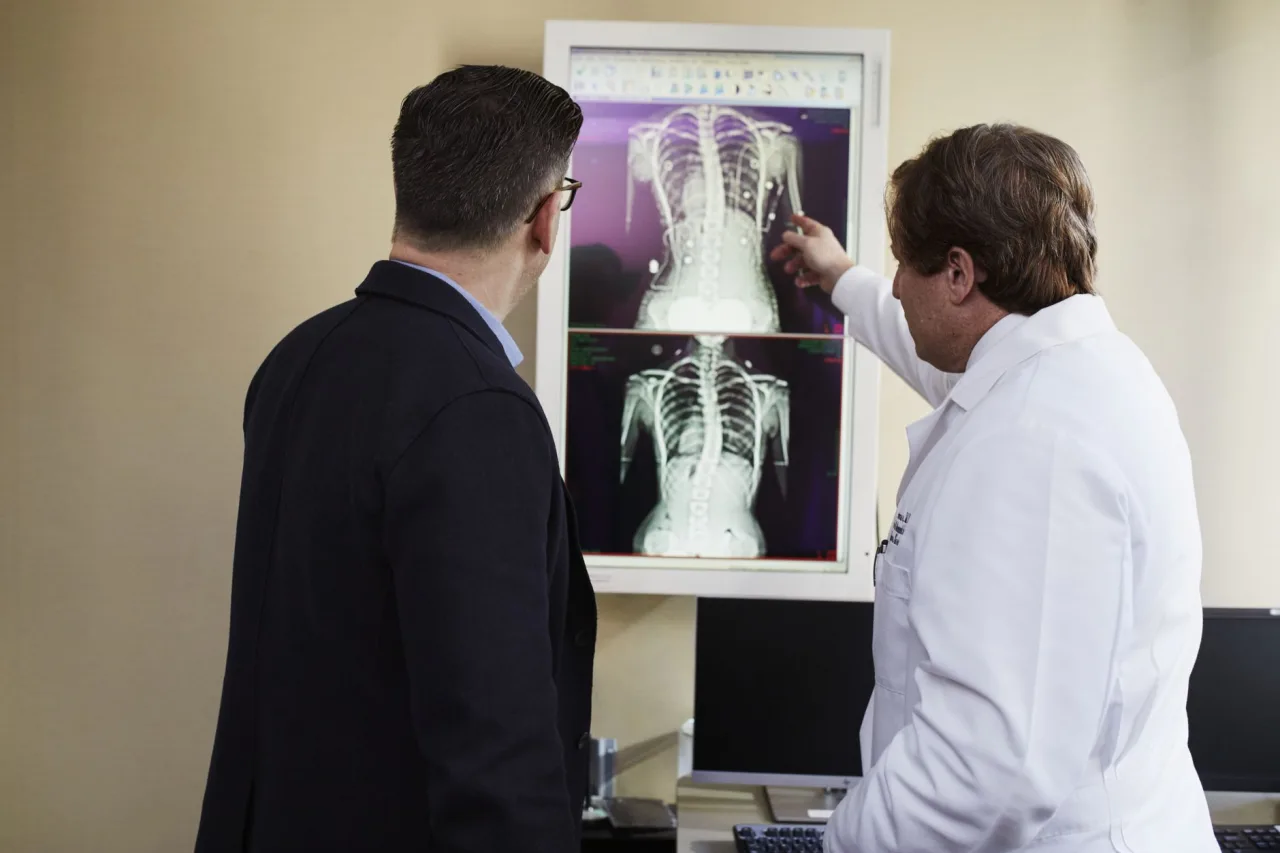
If you have seen "ACR" next to a radiology clinic or on a scan report and wondered what it means, ACR stands for the American College of Radiology. It is not a clinic you visit but the professional body whose accreditation and guidelines signal quality and appropriate use in medical imaging. This guide explains what ACR is and, more usefully for a patient, why it matters when you choose where to get scanned.
The short version
- ACR means the American College of Radiology, a professional organization, not an imaging chain or a scan you book.
- ACR accreditation is widely regarded as the gold standard, reviewing a facility's equipment, staff, and quality controls.
- ACR accredits many modalities, including CT, MRI, ultrasound, breast ultrasound, mammography, and nuclear medicine and PET.
- Choosing an ACR-accredited facility raises the odds of high-quality, safely obtained images, though it is not a diagnosis or a guarantee.
What ACR radiology actually refers to
People searching "ACR radiology" are usually trying to make sense of the ACR label rather than looking for a specific clinic. ACR is the American College of Radiology, a national professional association of radiologists and related specialists. It does not scan patients. Instead, it sets standards, accredits imaging facilities, and publishes guidance that helps doctors order the right test. When you see the ACR name attached to a clinic, it typically means that facility has earned ACR accreditation. To understand the imaging itself, start with our broader radiology overview.
What ACR accreditation means
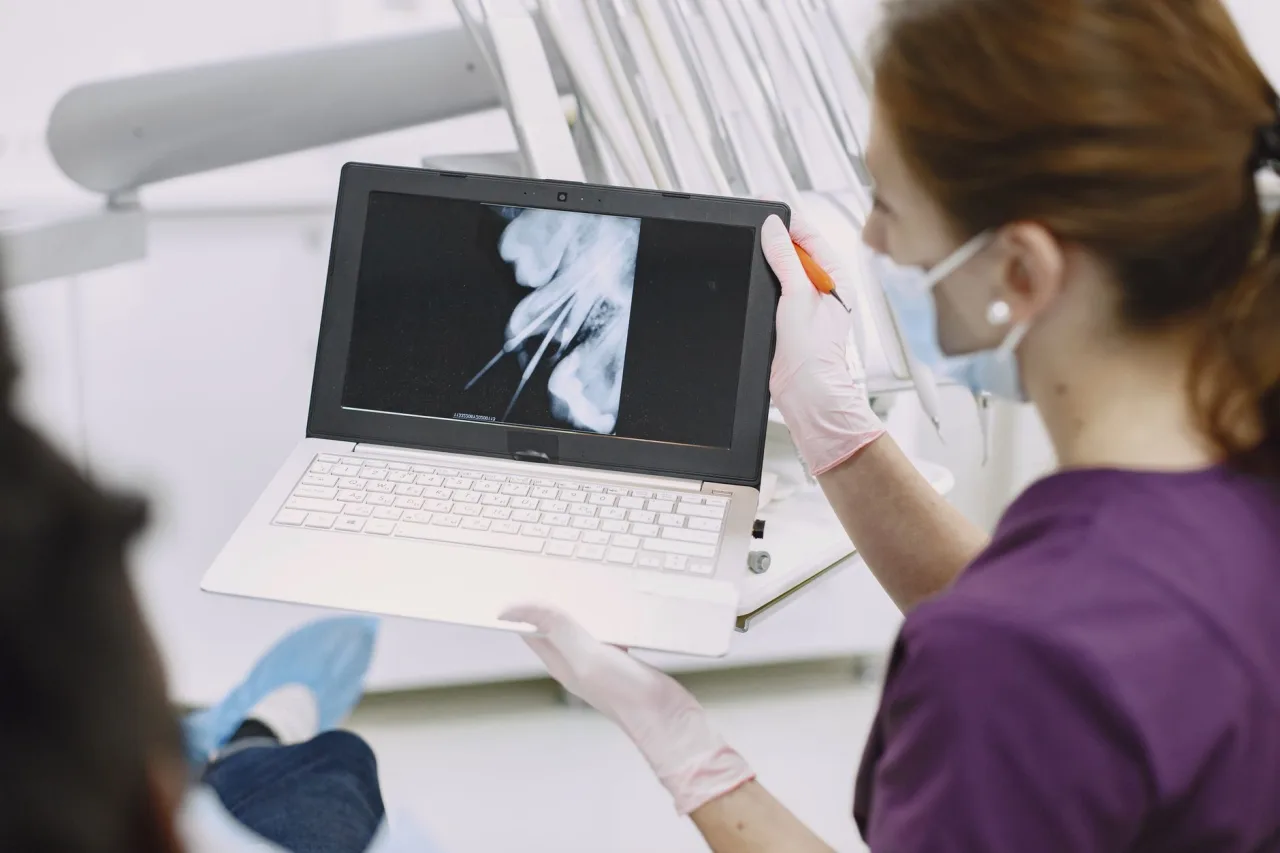
The ACR describes its accreditation as the gold standard in medical imaging. To earn it, a facility must document that its equipment, medical personnel, and quality-assurance processes meet defined requirements, and this is assessed for each modality separately. In other words, accreditation is evidence that an independent body reviewed the machines, the qualifications of the staff, and the checks that keep image quality consistent. It is one of the clearest quality signals a patient can look for before booking, which is why our guide on choosing a medical imaging center lists it near the top.
The review typically looks at several practical things: whether the equipment produces images of sufficient quality, whether the people running and interpreting the scans have the right qualifications, and whether the facility has ongoing quality-control and safety procedures rather than one-off checks. Accreditation is also time-limited and must be renewed, so it reflects continuing standards, not a single moment. For some modalities, accreditation is tied to regulatory requirements: mammography in the United States, for instance, is governed by federal quality standards, and accreditation supports meeting them.
Which scans ACR accredits
ACR runs accreditation programs across the main imaging modalities. Based on the ACR's own accreditation information, these include:
- CT (computed tomography)
- MRI (magnetic resonance imaging)
- Ultrasound and breast ultrasound
- Mammography
- Nuclear medicine and PET
- Stereotactic breast biopsy and radiation oncology
Because accreditation is modality-specific, a facility might be accredited for MRI but not for every service it offers. If a particular scan matters to you, it is reasonable to ask whether the center is accredited for that specific exam. For the detail on individual scans, see the MRI scan guide or the mammogram guide.
ACR Appropriateness Criteria and ordering the right test
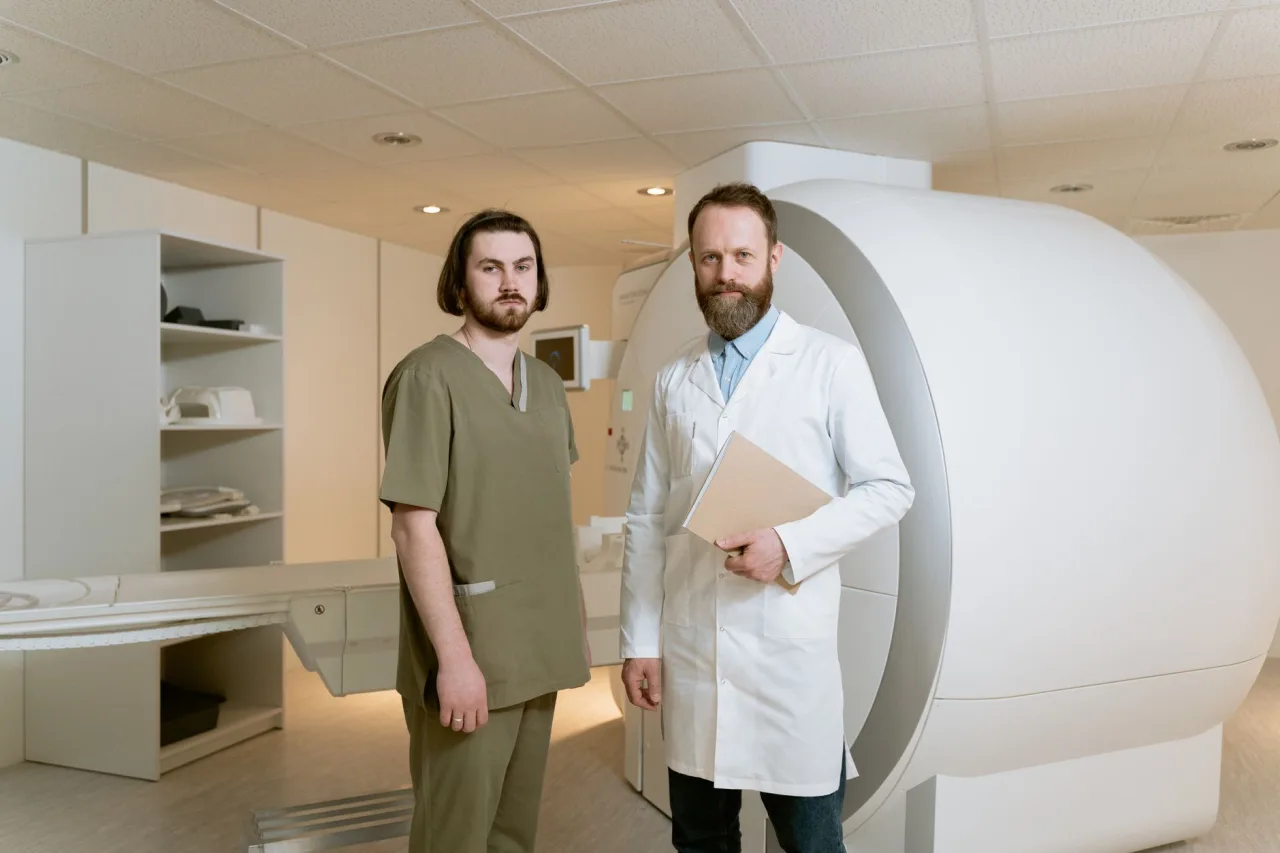
Beyond accrediting facilities, the ACR is known for its Appropriateness Criteria, evidence-based guidance that helps doctors choose the most suitable imaging or treatment for a specific clinical situation. These criteria are used by the clinicians who order scans, not by patients directly, but they are the reason your doctor might pick an ultrasound over a CT, or recommend no imaging at all when it would not change your care. This matters because the safest scan is often the one that is genuinely needed, ordered for the right reason.
The criteria cover a large number of clinical scenarios and are updated regularly as evidence changes. Their goal is to match the clinical question to the test most likely to answer it with the least risk, which can mean choosing a lower-radiation option, avoiding a duplicate scan, or waiting when watchful monitoring is wiser than imaging. For patients, the practical takeaway is that a thoughtful decision not to scan can be just as appropriate as ordering one.
Why appropriateness matters for you
Getting the right test the first time can spare you unnecessary radiation, cost, and worry. If you are unsure why a particular scan was chosen, it is completely reasonable to ask your doctor what question the imaging is meant to answer and whether a lower-radiation option would work.
Radiation safety and the ACR
The ACR co-produces RadiologyInfo with the Radiological Society of North America, a patient resource on imaging safety. A core principle it promotes is ALARA, As Low As Reasonably Achievable, meaning facilities make every effort to keep radiation doses down while still obtaining a diagnostic image. For perspective, RadiologyInfo lists a chest X-ray at about 0.1 millisieverts, roughly 10 days of natural background radiation, and a CT of the abdomen and pelvis at around 7.7 millisieverts. Remember that ultrasound and MRI use no ionizing radiation at all, a point that general references such as MedlinePlus also explain when describing how X-rays work. Accredited facilities are expected to follow these safety practices, which is another reason accreditation is worth checking.
Safety is not only about the dose of a single scan but about avoiding unnecessary ones. If you have had recent imaging of the same area, tell your doctor and the facility, because a prior study may answer the question without a repeat, or may serve as a valuable comparison. Keeping a simple record of your scans, what was done, when, and where, makes this easier and supports the same goal the ACR criteria pursue: the right test, at the right time, for the right reason.
How to use ACR status when choosing a clinic
Accreditation is a strong signal, but it works best as one item on a short checklist rather than the only thing you look at:
- Confirm the facility is ACR-accredited for the specific scan you need.
- Check that a board-certified radiologist will interpret your images.
- Verify the center is in your insurance network, or ask for an all-in self-pay price.
- Ask how quickly your report reaches your doctor and how you can get copies of the images.
You can look up whether a facility is accredited through the ACR, and compare local options with our honest radiology near me guide.
This is general information, not medical advice
This guide explains what the American College of Radiology and ACR accreditation are. It cannot tell you which scan you need or interpret your results. Those belong to the doctor who ordered your imaging and to your radiologist. If a symptom is severe or urgent, seek care right away.
What ACR does not do
It helps to be clear about the limits. ACR does not diagnose you, does not read your personal scan, and being accredited does not by itself guarantee a flawless result for any one patient. Accreditation reduces the risk of poor image quality and unsafe practice, but the interpretation of your images still depends on the radiologist and, ultimately, on the clinician who knows your full history. Think of ACR accreditation as a well-founded reason to trust the process, not as a substitute for your own care team.
It is also worth noting that a non-accredited facility is not automatically poor, and that other reputable accreditation programs exist as well. Accreditation is a helpful shortcut for narrowing choices, especially when you cannot easily judge equipment or staff yourself, but it is a starting point for questions rather than the final word. If a center you are considering is not ACR-accredited, it is fair to ask what quality standards it does follow and who interprets its images.
Frequently asked questions
Is ACR a clinic or a type of scan?
Neither. ACR is the American College of Radiology, a professional organization that sets standards, accredits imaging facilities, and publishes guidance for doctors. You do not book an ACR scan; instead, you may choose a facility that has earned ACR accreditation.
What does it mean if a clinic is ACR-accredited?
It means an independent body reviewed that facility and confirmed its equipment, medical personnel, and quality-assurance processes meet defined standards for a given modality. The ACR describes its accreditation as the gold standard in medical imaging, and it is a strong signal of image quality and safety.
Which scans can be ACR-accredited?
ACR accredits several modalities, including CT, MRI, ultrasound, breast ultrasound, mammography, and nuclear medicine and PET, along with stereotactic breast biopsy and radiation oncology. Because accreditation is modality-specific, it is worth confirming a facility is accredited for the exact scan you need.
What are the ACR Appropriateness Criteria?
They are evidence-based guidelines that help doctors choose the most suitable imaging or treatment for a specific clinical situation. Patients do not use them directly, but they are the reason a clinician might choose one scan over another, or recommend no imaging when it would not change care.
Should I only use ACR-accredited facilities?
Accreditation is a strong quality signal and a sensible thing to look for, but it is one item on a checklist alongside radiologist expertise, insurance, cost, and turnaround time. It raises the odds of high-quality, safe imaging, though it does not guarantee any individual result. Discuss your options with your doctor.
More guides on Ultrasound & Radiology (General)
Have a question or a topic to suggest?
We read every message. Tell us what you would like to see next.
You may also like

Radiology: A Patient's Guide
What radiology is in plain language: the main imaging types, why doctors order scans, how they work, radiation safety, and how to read your results.
Medical Imaging Centers Explained
What a center for medical imaging is, the services it offers, what happens at your visit, and how to choose an accredited, good-value one.

Mammogram: Uses, Procedure & Results
Understand the mammogram: screening versus diagnostic, how to prepare, what the exam feels like, radiation safety, and how your results are handled.