DEXA Scan Near Me: Choose a Clinic
Finding a bone density center, and why consistency and the same machine matter for follow-up.
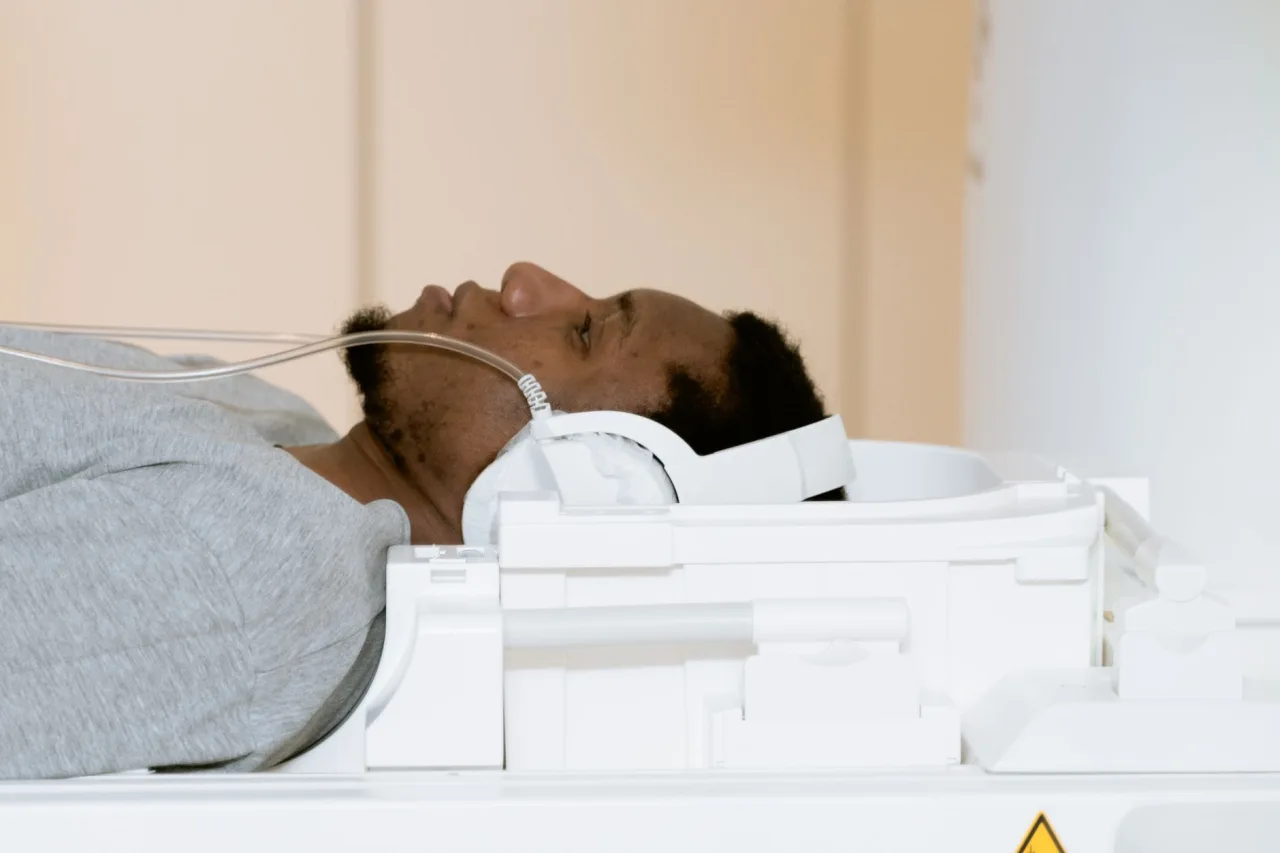
A DEXA scan measures how strong your bones are, and it is one of the few tests where the clinic you pick has a lasting effect: your results are compared over years, so consistency matters. This guide explains how to find a good bone density center, what actually makes one better than another, and why returning to the same machine can matter for follow-up. It is general information, not a directory of named clinics, because the right choice depends on your referral, your insurer, and where you live.
The short version
- DEXA (also written DXA) uses a very low dose of X-rays to measure bone density, usually at the hip and spine.
- Look for a center that does central DXA of the hip and spine, not just a peripheral heel or wrist screen, when your doctor wants a full assessment.
- For follow-up scans, going back to the same machine and center makes results easier to compare accurately.
- Confirm a radiologist reports the scan and that you understand your T-score with your own doctor, not from the number alone.
What a DEXA scan is, in plain terms
DEXA stands for dual-energy X-ray absorptiometry. According to the NHS guide to bone density scans, it uses low dose X-rays to see how dense, and therefore how strong, your bones are, and it is mainly used to diagnose or assess the risk of osteoporosis. The scan is quick and painless: you lie on a padded table while a scanning arm passes over you, usually focusing on the hip and lower spine. If you want a fuller walkthrough of the procedure and what the numbers mean, our overview of the DEXA scan procedure and results and our guide to the bone density scan more broadly go deeper than a clinic search alone.
Who typically needs a bone density scan
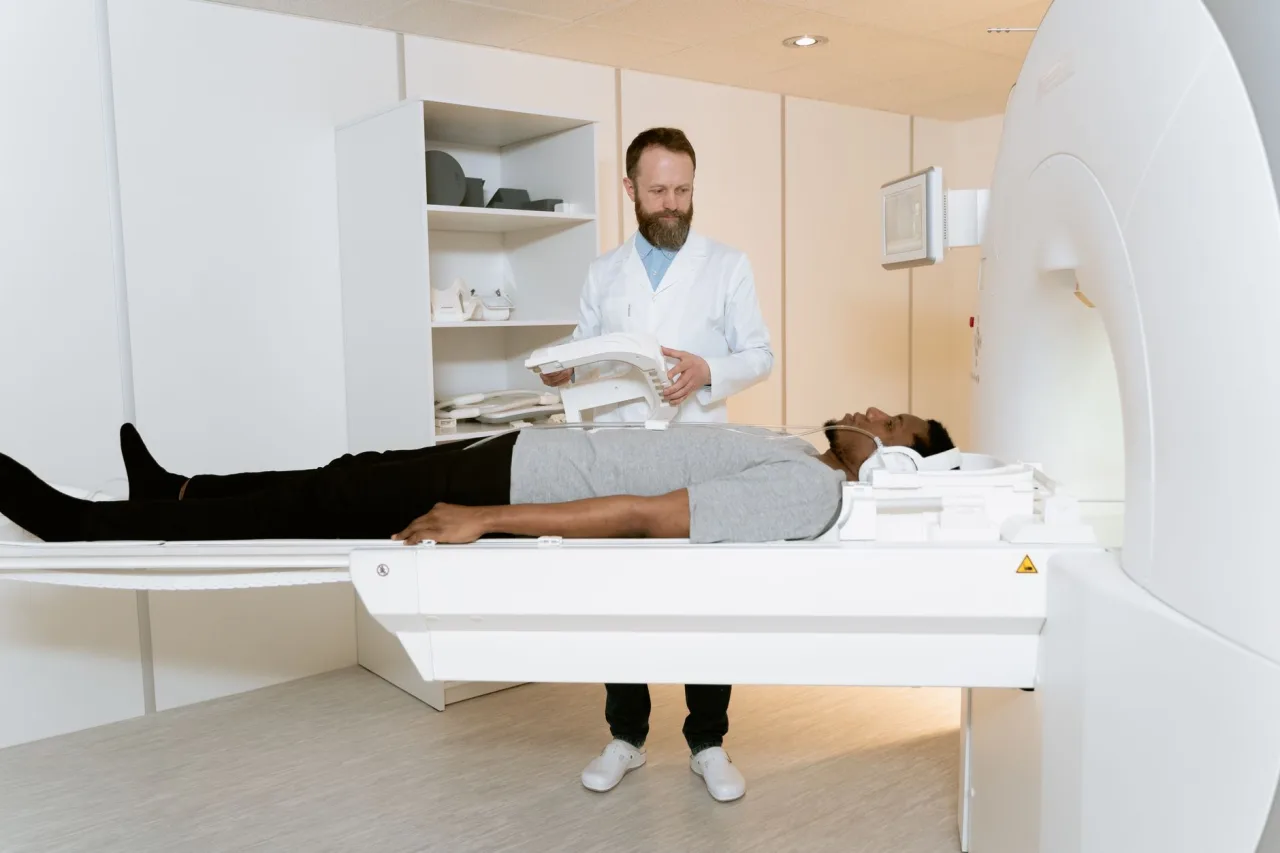
A DEXA scan is usually ordered when there is a reason to check bone strength rather than as a routine screen for everyone. The NHS notes that scans may be appropriate for people over 50 with risk factors and for younger people with concerns such as previous fractures or long-term steroid use, and that older postmenopausal women are particularly at risk as estrogen levels fall. Common reasons a clinician orders one include:
- Being postmenopausal, or a woman over 65 and a man over 70, where screening is often recommended.
- A previous fragility fracture, a family history of osteoporosis, or long-term steroid use.
- Conditions or medications known to affect bone density, or monitoring after starting treatment.
Whether you personally need a scan, and how often, is a decision for your doctor. This guide is about choosing a good center once a scan has been recommended, not about deciding you need one.
Radiation: reassuringly low
Many people worry about the X-rays, but a DEXA scan uses an unusually small dose. RadiologyInfo, the patient resource from the ACR and RSNA, states that the amount of radiation is extremely small, less than one-tenth the dose of a standard chest X-ray and less than a day's exposure to natural background radiation. You can read the detail on RadiologyInfo's bone densitometry page. The main exception is pregnancy: DEXA is generally avoided if you are or might be pregnant, so tell the staff.
A practical tip: because the dose is so low, the radiographer usually stays in the room during a DEXA scan. That is normal and not a sign of anything unusual about the equipment.
Central DXA versus peripheral screening
Not every device labeled a bone density scan does the same job. Central DXA machines scan the hip and spine, the sites that best predict fracture risk and that guidelines rely on for diagnosis. Peripheral devices, which measure the heel, wrist, or finger, are smaller and sometimes offered at pharmacies or health fairs. They can flag people who should get a full scan, but they are not a substitute for central DXA when your doctor wants a proper assessment. When you compare centers, ask which they use.
- Central DXA (hip and spine) is the standard for diagnosing osteoporosis and guiding treatment.
- Peripheral DXA or ultrasound screening can be a useful first flag but should not replace central DXA for a full workup.
Why the same machine matters for follow-up
Here is the factor that sets DEXA apart from most imaging. Bone density is often tracked over years to see whether it is stable, falling, or responding to treatment, and the small differences that matter can be hard to measure across different machines from different manufacturers, which calibrate slightly differently. Radiology guidelines generally recommend comparing follow-up scans on the same machine where possible. Practically, that means if you expect repeat scans, choosing a stable, established center you can return to is worth more than a marginally cheaper one-off. It also means bringing your prior scan results to any new center so the reporting radiologist can account for the difference.
Understanding your T-score, with help
DEXA results are usually given as a T-score, which compares your bone density to that of a healthy young adult. RadiologyInfo describes the widely used ranges: a T-score of minus 1 and above is considered normal, minus 1.1 to minus 2.4 indicates low bone mass (osteopenia), and minus 2.5 or below indicates osteoporosis. Those cutoffs are a starting point, not a verdict. Your actual risk depends on your age, history, medications, and other factors that a fracture-risk assessment and your doctor weigh together. Read the number as information to discuss, never as an instruction to act on by yourself.
What DEXA costs and questions to ask
Costs vary by country, facility, and insurance. In the United States, a self-pay DEXA is often one of the more affordable imaging tests, though prices still range widely and are frequently covered for eligible patients. In systems like the NHS, a medically necessary scan is typically provided without a direct charge. The reliable number is the one the clinic and your insurer confirm for you. A short phone call covers most of what you need:
- Do you perform central DXA of the hip and spine?
- Will a radiologist report the scan, and how soon will my doctor get the results?
- If I have had a DEXA before, can you compare it, and should I bring the prior report?
- What is the all-in price for my scan, and is it covered by my insurance?
- Is the same machine likely to be available for future follow-up scans?
If your doctor has ordered more than one test, our broader guide to choosing any imaging clinic near you uses the same approach, and a general radiology center near you may offer DEXA alongside other imaging under one roof. As with the price, judge convenience only after quality: a center that performs central DXA, reports it properly, and can be your steady point of comparison for years is worth more than a marginally cheaper or closer one you would not want to return to.
This is general information, not medical advice. This article explains how to find and evaluate a bone density provider. It cannot tell you whether you need a scan or what your T-score means for you. Only your referring doctor or a radiologist can interpret your results and advise on next steps, including any treatment. Always follow the guidance of your own healthcare team.
Frequently asked questions
How do I find a good DEXA scan clinic near me?
Start with your doctor's referral, then favor a center that performs central DXA of the hip and spine and has a radiologist report the scan. If you expect follow-up scans, choose an established center you can return to, since comparing results on the same machine is more accurate. Confirm price and coverage by phone before booking.
Is the radiation from a DEXA scan dangerous?
No. A DEXA scan uses an extremely small dose of X-rays, less than one-tenth of a standard chest X-ray and less than a day of natural background radiation. It is considered very safe. The main exception is pregnancy, so tell staff if you are or might be pregnant, as the scan is usually avoided then.
Does it matter which machine I use for a repeat scan?
Yes, it can. Bone density changes are small and machines from different makers calibrate slightly differently, so guidelines generally recommend comparing follow-up scans on the same machine where possible. If you switch centers, bring your prior report so the reporting radiologist can account for the difference.
What does my T-score mean?
A T-score compares your bone density to a healthy young adult. Broadly, minus 1 and above is normal, minus 1.1 to minus 2.4 is low bone mass, and minus 2.5 or below indicates osteoporosis. These are starting points, not a full picture of your risk, which also depends on age and history. Discuss the number with your doctor rather than acting on it alone.
Do I need a referral for a DEXA scan?
In most places a DEXA scan is arranged through a doctor, both for medical appropriateness and for insurance coverage. Some centers offer self-pay screening without a referral, but the result should still be reviewed by a clinician. Ask your doctor what is recommended for your situation and how often you should be scanned.
More guides on Find a Clinic (Local)
Have a question or a topic to suggest?
We read every message. Tell us what you would like to see next.
You may also like
DEXA Scan: Uses, Procedure and Results
A DEXA scan is the standard test for measuring bone density and checking for osteoporosis. Here is why it is ordered, how the scan works, and what your T-score means, with a reminder to always discuss results with your doctor.
Bone Density Scan: Uses and Results
A plain-language guide to the bone density (DEXA) scan: why doctors order it, how the low-radiation procedure works, and how to read T-scores and Z-scores.

Imaging Near Me: Choose Any Clinic
Imaging near me covers everything from an X-ray to an MRI. Learn one framework you can apply to any modality, plus which scans use radiation and which do not.