Imaging Center: How to Find & Choose
How to find and choose a good imaging center near you, from accreditation to reporting and cost.
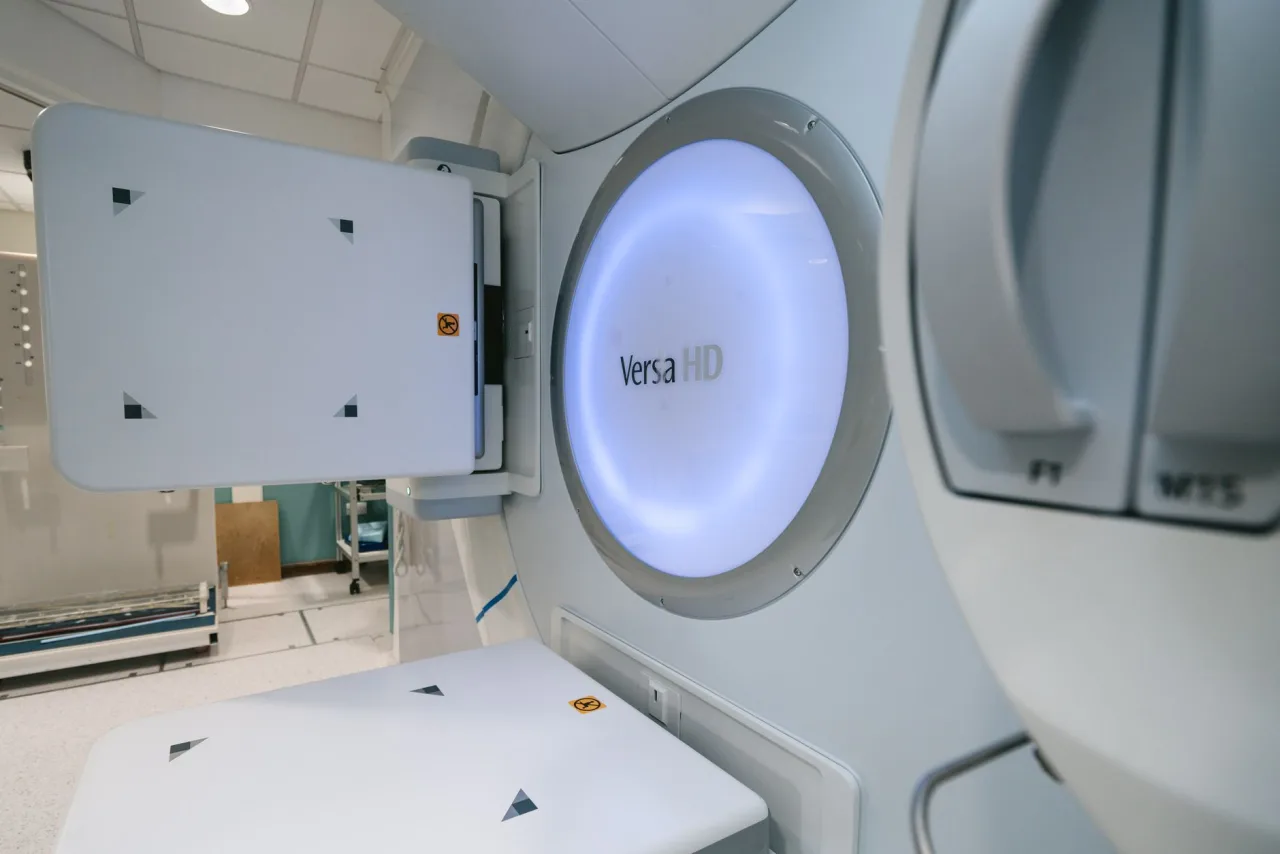
An imaging center is a facility that brings several kinds of medical scans under one roof, so a doctor can send you to a single place for an ultrasound, X-ray, CT or MRI. This guide is not a directory of named centres; it is a clear, honest framework for finding and choosing a good imaging center near you. It explains what these facilities do, how a freestanding center differs from a hospital department, and the exact checks that separate a strong center from an ordinary one.
The short version
- An imaging center offers multiple scan types in one location, often at lower cost and with easier parking than a hospital.
- The most important quality signal is accreditation for the specific modality you need, plus a radiologist who reports your images.
- Freestanding centers are often cheaper for outpatients; hospital based imaging can matter when your care is complex.
- Prices vary by scan, country and insurance, so always confirm the all-in cost and whether the report is included before booking.
What an imaging center actually is
An imaging center, sometimes called a diagnostic imaging center or radiology center, is a facility dedicated to producing medical images and having them interpreted. A single center may offer plain X-ray, ultrasound, mammography, bone density scanning, CT and MRI, along with the radiologists who read them. Instead of visiting a different place for each test, you can often have several done in one appointment block. Patient resources such as RadiologyInfo.org explain how the individual scans work and why some, such as X-ray and CT, involve a small radiation dose while ultrasound and MRI do not.
Centers come in two broad flavours. Hospital based departments sit inside or beside a hospital, while freestanding or outpatient centers are standalone businesses, sometimes part of a chain. Both can deliver excellent scans. The difference tends to show up in cost, convenience and how well they connect to complex hospital care, rather than in the quality of a routine image.
The checklist for choosing a good imaging center
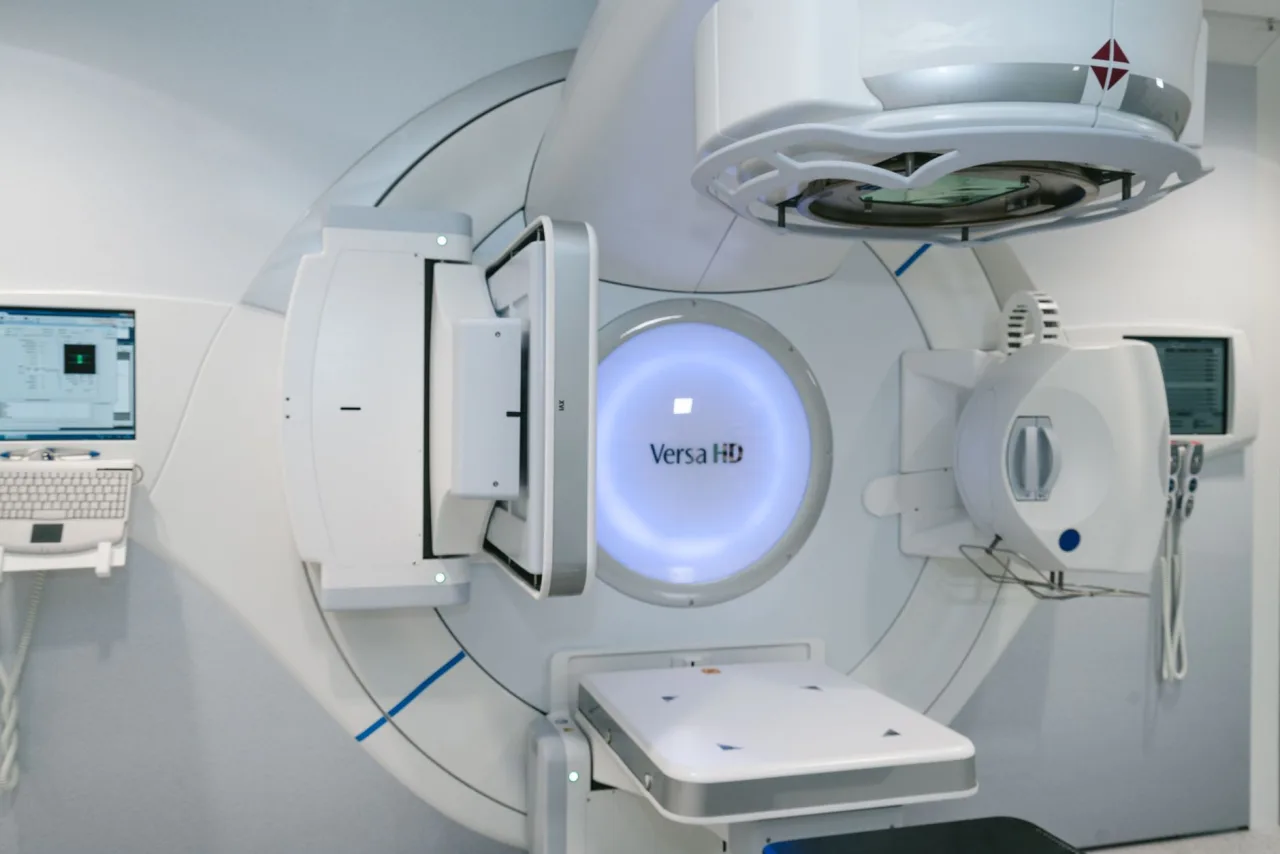
Run any center you are considering through these checks before you commit:
- Modality specific accreditation: Accreditation is granted per scan type, so a center might be accredited for MRI but not ultrasound. The American College of Radiology accredits facilities by reviewing equipment, staff qualifications and image quality. Ask which of their modalities are accredited.
- Radiologist reporting: Confirm that board qualified radiologists interpret the images and issue a written report, not just raw pictures.
- Qualified technologists: The people running the machines should be licensed radiographers, sonographers or technologists for that modality.
- The right equipment: For MRI, ask about the magnet strength and whether an open MRI is available if you are claustrophobic. For CT and X-ray, modern digital equipment usually means lower doses.
- Reporting and records: Check how quickly results reach your doctor and whether you can access your own images.
Freestanding center or hospital: which fits you
For a routine outpatient scan with a referral, a freestanding imaging center is often the more comfortable and affordable choice. These centers typically have shorter waits, simpler parking and lower facility fees than a hospital, which can make a real difference to an out of pocket bill. A hospital based department may be the better fit when your situation is complex, when you may need immediate follow up care, or when your specialist works within that hospital system and wants everything in one record.
There is no universally correct answer. The sensible approach is to ask your referring doctor whether either setting is preferable for your specific test, then compare the accredited options near you on cost and turnaround. A center that also handles focused studies such as an abdominal ultrasound or a USG of the abdomen and pelvis can be convenient when a doctor orders more than one view.
Tip: Ask the center to send your images and report directly to your referring doctor, and request a copy for yourself on a disc or through a patient portal. Having your own images makes second opinions and future comparisons far easier.
What imaging typically costs
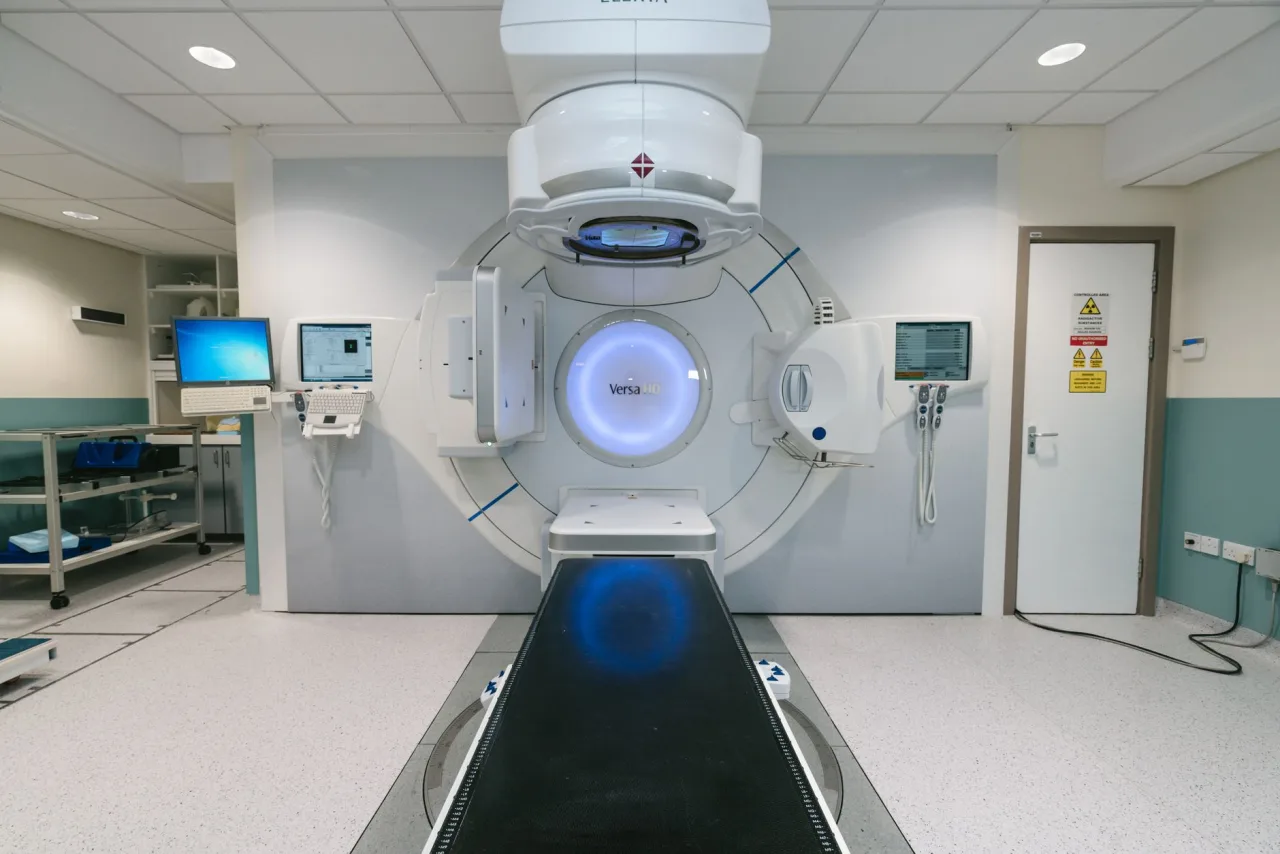
Cost depends heavily on the scan type, the country, the setting and your insurance, so treat all figures as rough orientation and confirm the exact price with the center and your insurer. As a very broad United States guide for self pay patients, a plain X-ray or ultrasound is usually the least expensive, a CT scan sits in the middle, and an MRI is often the dearest, with freestanding centers frequently cheaper than hospital departments for the same study. In systems like the United Kingdom NHS, imaging with a referral is typically free at the point of care, while private scans are priced per exam.
When you request a quote, ask three things: the total price including the radiologist report, what you will owe after insurance, and whether any contrast dye or extra views cost more. For a concrete example of how one modality is priced, see our breakdown of the price of a CT scan with and without insurance.
Questions to ask before you book
A short phone call reveals a lot about a center. Before you commit, it is worth asking a handful of direct questions and noting how confidently staff answer them:
- Is your facility accredited for the specific scan I need, and by whom? Accreditation is per modality, so a general yes is not enough.
- Who interprets the images, and are they a board qualified radiologist? You want an expert reading, not just pictures.
- What is the total price including the report, and what will I owe after my insurance? Ask about contrast dye and extra views separately.
- How soon can I be seen, and when will results reach my doctor? Turnaround varies widely between centers.
- Can I get a copy of my images and report? Access to your own records makes future comparisons and second opinions easier.
Clear, patient answers are a good sign. Vague responses, pressure to book immediately, or reluctance to name who reports the scans are all reasons to keep looking. You are entitled to understand what you are paying for and who is responsible for your care.
Accessibility and comfort matter too
Beyond clinical quality, practical factors shape your experience, particularly if you need repeat scans or have mobility, anxiety or size related concerns. Ask whether the center offers an open MRI for claustrophobia, whether the equipment and changing areas are accessible, and whether they can accommodate a chaperone or translator if you need one. A center that takes comfort seriously often runs a more careful service overall. None of this replaces the core checks on accreditation and reporting, but it can be the tie breaker between two otherwise similar options.
A note on named chains and directories
You will see large chains and local centers competing for the same search. A recognised brand can be a reasonable shortcut, but it is not a substitute for the checks above, because quality is granted per facility and per modality rather than per logo. Judge each individual location on its accreditation, its radiologists and its reviews, not on the chain name alone. If you want to widen your search, our guides to a radiology service near you and a clinic with ultrasound near you apply the same framework to more specific needs.
Please note: This article is general educational information, not medical advice. It does not endorse any specific center and cannot decide which scan is right for you. Always follow the guidance of a qualified doctor or your referring clinician.
Frequently asked questions
What is the difference between an imaging center and a hospital radiology department?
An imaging center is often a freestanding outpatient facility, while a hospital radiology department sits within a hospital. Freestanding centers tend to be cheaper and more convenient for routine scans, whereas hospital imaging can be preferable when your care is complex or you may need immediate follow up. Both can produce high quality images.
How do I know if an imaging center is good?
Check that it is accredited for the specific scan you need, that qualified radiologists report the images, and that licensed technologists run the equipment. Then compare turnaround time, the all-in price and patient reviews. Accreditation is granted per modality, so ask which of their scan types are accredited.
Do I need a referral to use an imaging center?
Usually yes. Most scans require a referral or request from a doctor so the test is justified and correctly targeted. Some centers offer self-referral for certain exams, but a qualified clinician should still interpret and act on the results.
Are freestanding imaging centers cheaper than hospitals?
Often, yes, especially in the United States, where freestanding centers frequently have lower facility fees than hospital departments for the same scan. However, prices vary by center, scan type and insurance, so always confirm the total cost and your expected out of pocket amount before booking.
Can I get several scans at one imaging center?
Frequently, yes. Many centers offer X-ray, ultrasound, CT, MRI and mammography under one roof, so a doctor can order more than one test in a single visit. Confirm that the center is accredited for each modality you need rather than assuming one accreditation covers them all.
More guides on Find a Clinic (Local)
Have a question or a topic to suggest?
We read every message. Tell us what you would like to see next.
You may also like

Radiology Near Me: How to Choose a Clinic
Radiology near you spans X-ray, ultrasound, CT and MRI. Here is what a radiology clinic does, who the radiologist is, honest radiation facts by scan type, and how to choose an accredited practice.
Clinic With Ultrasound Near Me Guide
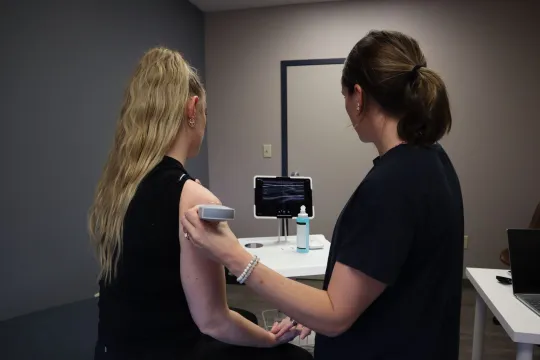
Looking for a clinic with ultrasound near you? Learn how to judge quality, tell diagnostic scans from keepsake ones, and what an ultrasound typically costs.
X-Ray Clinic Near Me: How to Choose
Nearest is not the same as best. This honest guide shows how to find and choose a good X-ray clinic, what to check before booking, and roughly what an X-ray costs.