Plain-language writing on ultrasound scans, choosing a clinic, and what to expect on the day.
Featured
A DEXA scan is the standard test for measuring bone density and checking for osteoporosis. Here is why it is ordered, how the scan works, and what your T-score means, with a reminder to always discuss results with your doctor.
Read articleRecent guides

A CT scan, or CAT scan, uses x-rays and a computer to create detailed cross-sectional images of the body. Here is why doctors order one, how the procedure works, what contrast dye does, and how the radiation compares.
An honest guide to finding an ultrasound near you: how to choose an accredited clinic where a radiologist reports the images, what scans typically cost, and the questions worth asking before you book.
An honest guide to finding an x-ray near you: how to choose an accredited clinic where a radiologist reports your images, what an x-ray costs, the small radiation dose, and the questions to ask first.
A transvaginal ultrasound uses sound waves to produce close-up images of the uterus and ovaries. Here is why it is ordered, exactly what happens during the scan, how to prepare, and what the results can show.
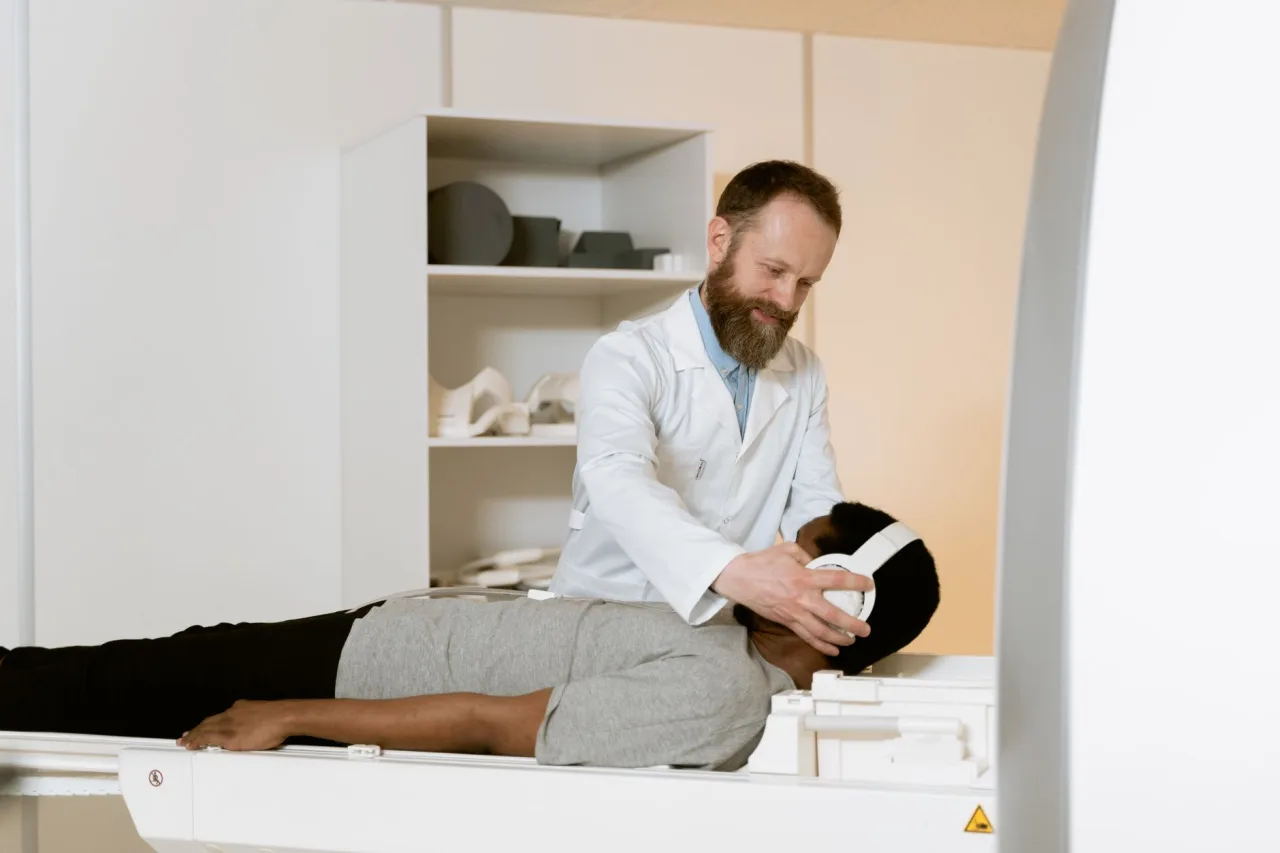
A plain-language guide to MRI scans: what they show, why a doctor might order one, how to prepare, what happens during the scan, and how results are read.
Understand the mammogram: screening versus diagnostic, how to prepare, what the exam feels like, radiation safety, and how your results are handled.
A 2026 career guide to becoming a mammographer: education, ARRT certification, work settings, salary ranges, and the job outlook, with cited sources.
A clear breakdown of CT scan costs: why prices vary, typical ranges with and without insurance, what is in the bill, and how to get a real quote.
What RAYUS Radiology offers, where it operates, how referrals and booking work, and how to judge reviews and choose any imaging provider honestly.