
Radiology: A Patient's Guide
What radiology is in plain language: the main imaging types, why doctors order scans, how they work, radiation safety, and how to read your results.
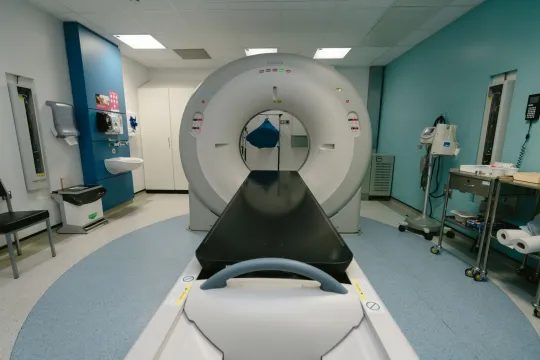
Medical Imaging Centers Explained
What a center for medical imaging is, the services it offers, what happens at your visit, and how to choose an accredited, good-value one.

Chest X-Ray: A Patient's Guide
What chest radiology and the chest X-ray involve: what the scan shows, how it is done, radiation safety, and what the report actually means.
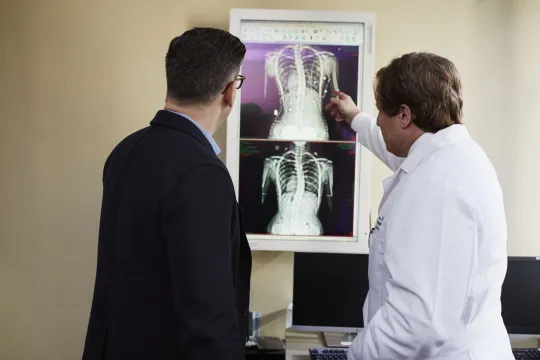
ACR Accreditation Explained
What ACR means in radiology: the American College of Radiology, its gold-standard accreditation, and how to use it when choosing an imaging clinic.

Ultrasound: Uses, Procedure & Results
An ultrasound uses sound waves, not radiation, to image soft tissue in real time. This guide covers why scans are ordered, how they work, how to prepare, and how results are interpreted, with a reminder to discuss findings with your doctor.

MRI: Uses, Procedure & Results
MRI uses a strong magnetic field and radio waves, not radiation, to produce detailed soft-tissue images. Learn why MRIs are ordered, how the scan works, the metal safety rules, and how a radiologist interprets your results.
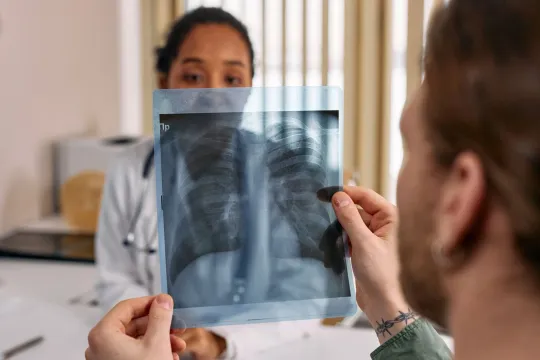
Chest X-Ray: Uses, Procedure & Results
A chest X-ray is the most common imaging test, using a very small radiation dose to picture the heart and lungs. Learn why it is ordered, how it works, how to prepare, and how results are read.

12 Week Ultrasound: Uses & Results
A guide to the 12 week dating scan: timing, purpose, preparation, what you might see, combined screening and safety, with a reminder to talk to your clinician.

Radiology Associates: What They Are
An honest guide to radiology associates: what these group practices are, the services they offer, what to expect at a visit, how billing works, and how to choose one.