Color Doppler Sonography: 2026 Career Guide
Color Doppler sonography is the branch of ultrasound that shows blood in motion
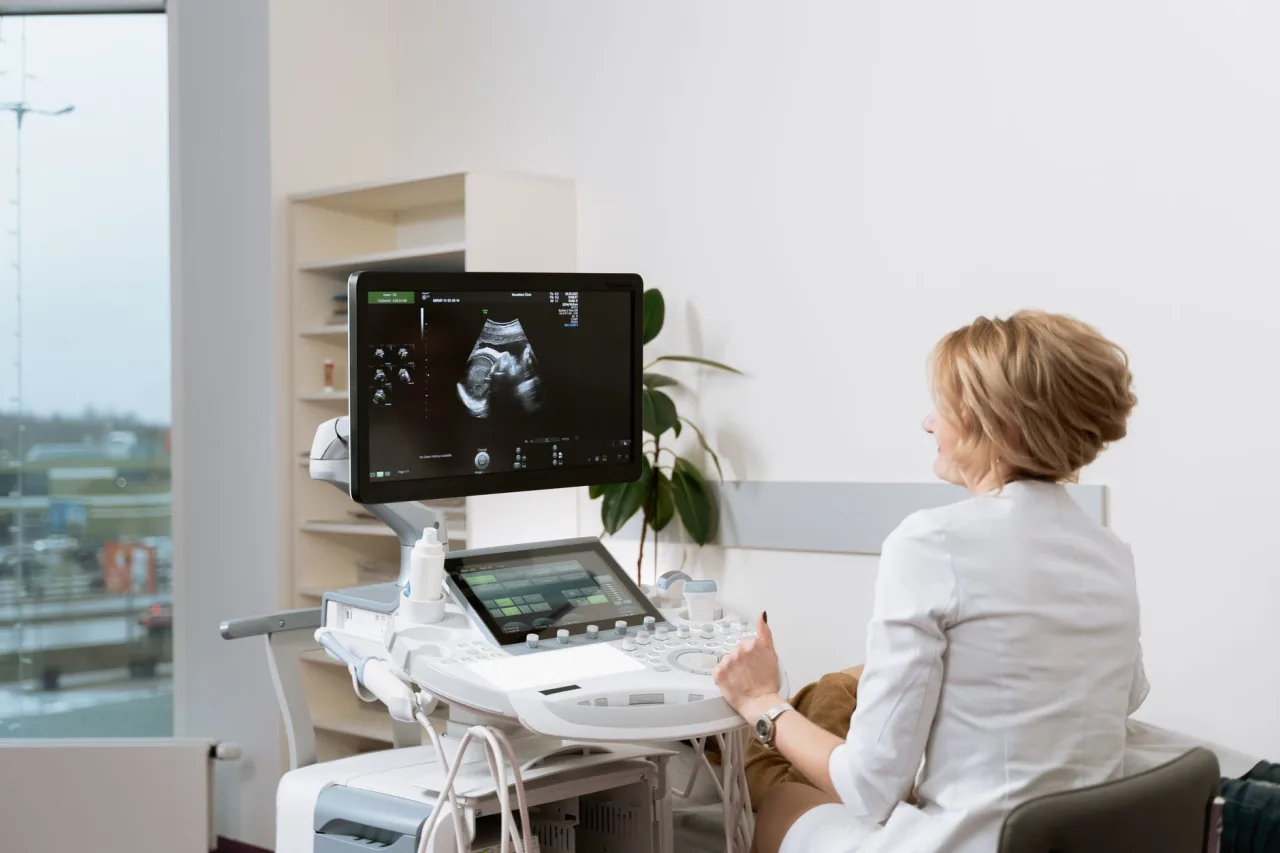
Color Doppler sonography is the branch of ultrasound that shows blood in motion, mapping flow through arteries and veins in living color on the screen. This 2026 career guide explains what a Doppler and vascular sonographer actually does, the credentials that matter, realistic salary ranges, and how to decide whether this high-skill specialty suits you.
Color Doppler is not a separate job so much as a set of skills layered on top of general sonography, and it sits at the heart of vascular and cardiac imaging. Because good flow imaging depends so heavily on operator technique, sonographers who master it tend to be in steady demand. Below is an honest, sourced look at the specialty and the path into it.
The short version
- Color Doppler encodes the direction and speed of blood flow as color over a standard grayscale ultrasound image.
- It is central to vascular studies (arteries and veins) and echocardiography (the heart), so it is a skill, not a standalone degree.
- Entry usually means qualifying as a sonographer first, then adding a specialty credential such as the RVT from ARDMS.
- US median pay for diagnostic medical sonographers was $89,340 in May 2024; vascular and cardiac roles vary and depend on region and setting.
What color Doppler sonography actually is
Color Doppler is a technique within diagnostic ultrasound rather than a different machine. According to RadiologyInfo.org, Doppler ultrasound is a special technique that evaluates movement, and it works because moving blood cells change the pitch of the reflected sound waves, an effect known as the Doppler effect. The scanner measures that change and translates it into information about the direction and speed of blood flow.
In color Doppler specifically, the machine paints that flow information as color, conventionally with one hue for blood moving toward the probe and another for blood moving away, laid over the standard black and white anatomy image. The result lets a clinician see and evaluate blood flow through vessels, spot narrowing or blockages, detect clots, and assess flow to organs and tumors. To understand the imaging from a patient's point of view, our explainer on the color Doppler ultrasound exam is a useful companion.
What a Doppler sonographer does day to day
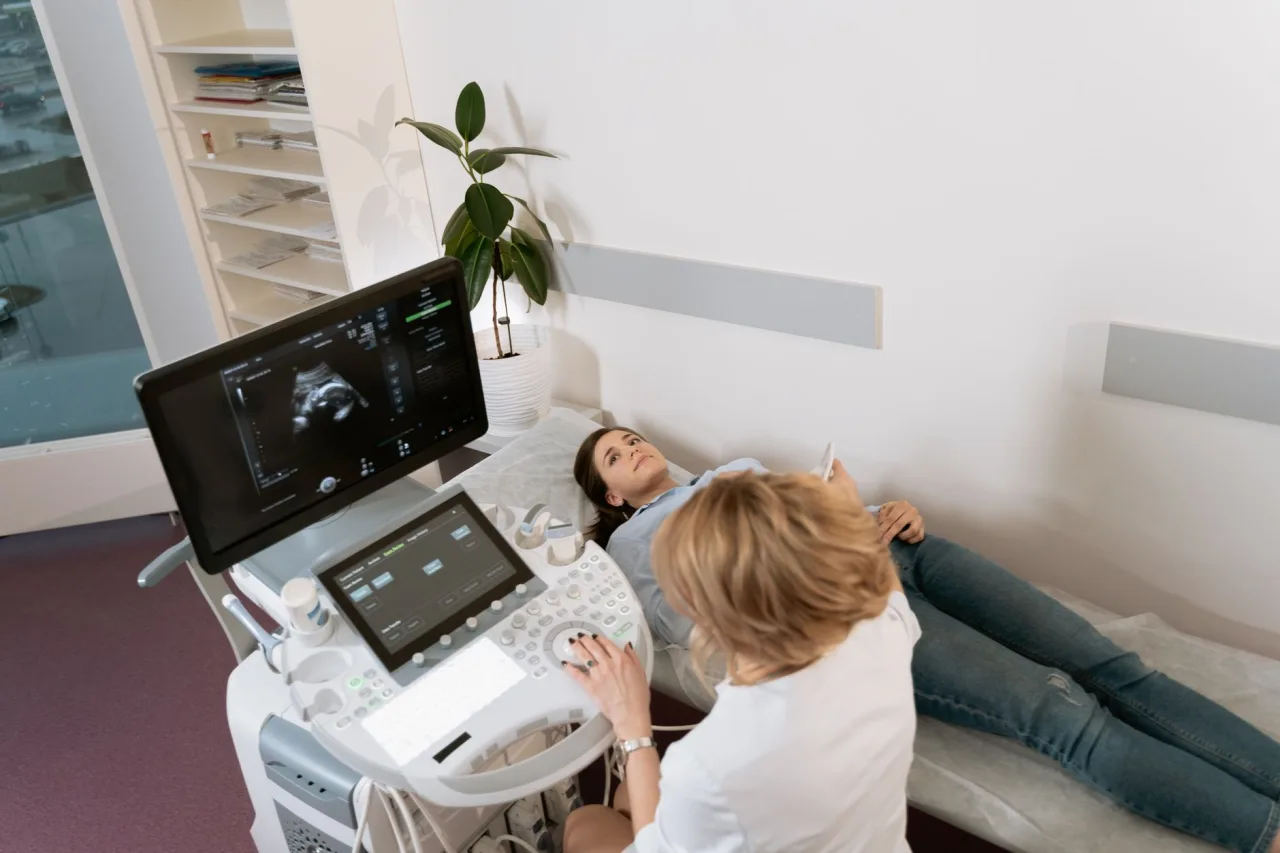
A sonographer who works heavily with color Doppler spends the day performing flow-based studies and interpreting the picture in real time to capture the views a physician needs. Typical work includes the following.
- Vascular studies: examining the carotid arteries in the neck, leg veins for clots, and arteries for narrowing.
- Abdominal flow: checking blood flow to organs such as the liver and kidneys, often alongside a general abdominal ultrasound.
- Cardiac flow: in echocardiography, assessing valves and the direction of blood through the heart.
- Optimising the image: adjusting the angle, gain, and flow settings so the color and waveform truly reflect what is happening.
The work is technically demanding because Doppler is sensitive to angle and settings. A vessel scanned at the wrong angle can look falsely slow or fast, so a large part of the skill is knowing how to set up each measurement correctly and recognise artefact. This is precisely why experienced flow imagers are valued.
Tip: If flow imaging appeals, look for training that gives generous hands-on scanning hours and covers vascular physics in depth. Doppler is one of the most physics-heavy areas of ultrasound, and confident measurement technique is what separates a strong vascular sonographer from an average one.
Where color Doppler fits among the specialties
Color Doppler skills overlap several sonography specialties rather than belonging to just one. Sonographers who use it most are usually working in vascular imaging or cardiac imaging, and many people build a general foundation first, then specialise.
- Vascular: the classic home of color Doppler, focused on arteries and veins throughout the body.
- Cardiac: echocardiography relies on Doppler to assess valves and blood flow through the heart.
- Abdominal and general: flow assessment of organs sits within broader studies. Our abdominal ultrasonography career guide covers that route.
If you are weighing specialties, it helps to compare pathways. Our overview of sonography as a career maps the wider field, and the abdomen and pelvis sonography guide covers another common specialty.
Education pathways

You generally cannot start directly in color Doppler; you qualify as a sonographer and then develop and certify the specialty. According to the US Bureau of Labor Statistics, diagnostic medical sonographers typically need formal education such as an associate degree or a postsecondary certificate, and employers may prefer candidates who hold certification. The common routes are:
- Associate degree: the usual entry point, roughly two years, mixing classroom science with supervised clinical scanning.
- Bachelor's degree: a longer route that can support advancement or teaching.
- Certificate programs: shorter options for people who already hold a related health credential.
Whichever route you choose, favour a program accredited by a recognised body, because accreditation is often required to sit certification exams and to be hired. Confirm a program's accreditation and its vascular content directly with the accrediting organisation before enrolling.
Certification and credentials
Certification is not always legally required, but employers widely expect it, and for flow imaging the specialty credentials are what signal competence. The American Registry for Diagnostic Medical Sonography, ARDMS, part of the nonprofit Inteleos, awards credentials that map onto Doppler-heavy work: the RVT, Registered Vascular Technologist, and the RDCS, Registered Diagnostic Cardiac Sonographer, alongside the general RDMS.
Candidates generally pass the Sonography Principles and Instrumentation exam plus a relevant specialty exam within a set time window, and requirements change periodically. Confirm the current rules on the official ARDMS at Inteleos site rather than relying on secondhand summaries. Holding a vascular or cardiac credential is one of the clearest ways to show an employer you can be trusted with Doppler work.
Salary and job outlook
Sonography pays well relative to the training time required. The Bureau of Labor Statistics reported that the median annual wage for diagnostic medical sonographers was $89,340 in May 2024, with the lowest ten percent earning less than $64,760 and the highest ten percent earning more than $123,170. Employment is projected to grow about 13 percent from 2024 to 2034, much faster than the average for all occupations.
These are US national figures for sonographers overall. Pay for vascular and cardiac specialists varies by region, employer, experience, and whether you hold multiple credentials, so treat any single number as a benchmark rather than a promise. Specialised, multi-credentialed flow imagers often sit toward the higher end of local ranges, but you should research pay for your own specialty and location.
Note: Salary and outlook figures reflect published US data and change over time. This article is general career information, not personalised financial or career advice. Verify current numbers, credential rules, and licensing for your country with official sources before making decisions.
Is a color Doppler career right for you?
This specialty rewards people who enjoy a technical puzzle. Because Doppler depends on angle, settings, and physics, it suits sonographers who like precision and problem solving and who are comfortable adjusting on the fly to get a clean measurement. Patience and steady hands matter, since vascular studies can be long and detailed. As with all sonography, the role is physical and patient-facing, so stamina and good communication count too.
If that appeals, color Doppler skills can make you a more versatile and sought-after sonographer, with clear routes into vascular and cardiac work. Related careers worth comparing include USG abdomen sonography and becoming a mammographer. When you want to see where these skills are used locally, our guide to finding sonography services near you shows the range of settings.
Frequently asked questions
Is color Doppler sonography a separate career from general sonography?
Not exactly. Color Doppler is a technique and skill set that sits within sonography, used most in vascular and cardiac imaging. Most people qualify as a diagnostic medical sonographer first, then develop Doppler expertise and earn a specialty credential such as the RVT.
What credential should a vascular sonographer aim for?
The RVT, Registered Vascular Technologist, from ARDMS is the widely recognised vascular credential, while cardiac work uses the RDCS. Certification is not always legally required but employers usually expect it. Confirm current exam requirements on the official ARDMS at Inteleos website.
How long does it take to qualify?
The most common route is an associate degree of about two years, followed by time to prepare for and pass certification exams. Certificate programs can be shorter for people who already hold a related health credential. Add time to build the specialty scanning hours that Doppler work demands.
How much do Doppler and vascular sonographers earn?
The US median annual wage for diagnostic medical sonographers overall was $89,340 in May 2024, with most earning between roughly $64,760 and $123,170. Pay for vascular and cardiac specialists varies by region, experience, and credentials, so use these figures as a benchmark and research your own area.
Why is color Doppler considered technically difficult?
Doppler measurements are sensitive to the angle between the probe and the blood flow, and to machine settings such as gain and scale. Small errors can make flow look falsely fast or slow, so a big part of the skill is correct setup and recognising artefact. That is why experienced flow imagers are valued.
Sources and further reading:
- Doppler and Vascular Ultrasound, RadiologyInfo.org for how color Doppler works and what it measures.
- Diagnostic Medical Sonographers, US Bureau of Labor Statistics for education, pay, and job outlook.
- ARDMS certifications, Inteleos for vascular and cardiac credentials such as RVT and RDCS.
More guides on Ultrasound Types & Procedures
Have a question or a topic to suggest?
We read every message. Tell us what you would like to see next.
You may also like

CT Imaging Near Me: Compare Clinics
Holding a CT referral and choosing between centers? Use a simple scorecard to compare accreditation, reporting, price, and turnaround instead of picking the first result.
DEXA Scan Near Me: Choose a Clinic
A DEXA scan is one test where the clinic you pick has a lasting effect, because results are compared over years. Learn how to choose a good bone density center.

Ultrasound Locations Near Me
Hospitals, imaging centers, and keepsake studios all advertise ultrasound. Learn to tell a proper diagnostic location from a novelty one before you book.