Abdomen & Pelvis Sonography Careers
What the work involves, the education and certification path, and realistic salary ranges for a sonography career in 2026.

Abdomen and pelvis sonography is one of the busiest areas of diagnostic medical sonography, and it is a strong entry point into a well regarded allied health career. If you enjoy anatomy, hands on technical work and direct contact with patients, scanning the liver, kidneys, bladder and reproductive organs can be a rewarding daily job. This 2026 guide walks through what the work involves, the education and certification path, realistic salary ranges, and how to stand out to the clinics that hire.
The short version
- An abdomen and pelvis sonographer performs ultrasound scans of the belly and pelvic organs and prepares images for a radiologist to interpret.
- The usual path is a CAAHEP accredited sonography program, then certification through a body such as ARDMS, often with an Abdomen specialty.
- Salaries vary widely by country, experience and setting, so treat any figure as a range to confirm locally.
- Ultrasound is highly operator dependent, so scanning skill, anatomy knowledge and patient care are what employers value most.
What an abdomen and pelvis sonographer does
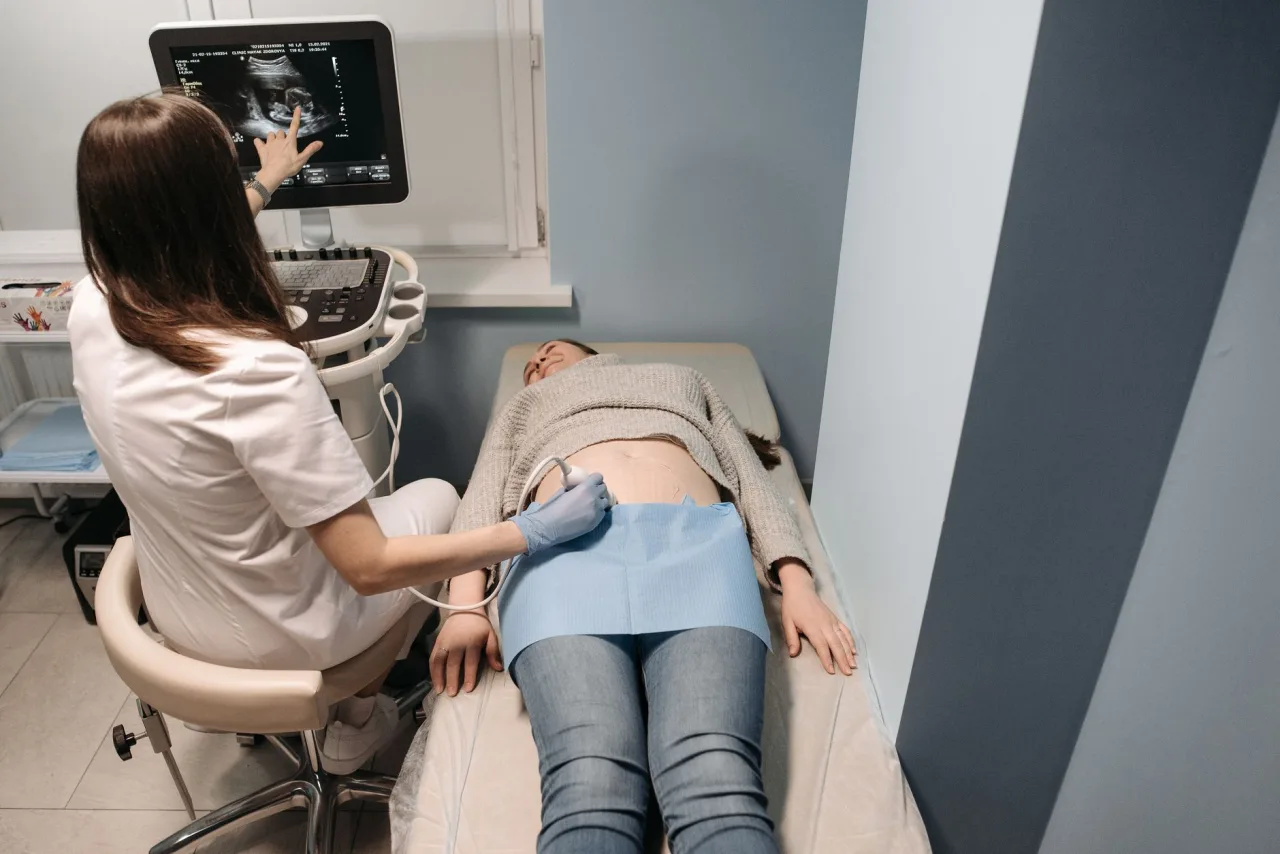
Sonographers are allied health professionals who use ultrasound to produce diagnostic images. As Wikipedia's overview of the profession describes, they acquire, analyse and optimise imaging information, then present it for a physician to interpret. In an abdomen and pelvis role, a typical day involves scanning organs such as the liver, gallbladder, pancreas, spleen, kidneys and bladder, along with the uterus and ovaries or the prostate.
The work is more skilled than pointing a probe. Because ultrasound is highly operator dependent, the sonographer decides how to angle the transducer, when to ask a patient to hold their breath, and which images best show a suspected problem. They also recognise when a finding needs urgent attention. It is a job that blends technical precision, anatomy knowledge and calm patient care, since many people are anxious about why they are being scanned.
The education path

Most sonographers qualify through a dedicated diagnostic medical sonography program. In the United States, the well regarded route is a program accredited by CAAHEP, the Commission on Accreditation of Allied Health Education Programs, often through its sonography committee. These are commonly offered as an associate or bachelor degree, and some are accelerated certificate programs for people who already hold a relevant health degree.
Coursework typically covers cross sectional anatomy, physics of ultrasound, instrumentation and pathology, combined with supervised clinical placements where you scan real patients. That clinical time is essential, because scanning is a physical skill learned through repetition. Program length varies, but many take around two years of focused study, and entry requirements usually include prior science coursework.
Tip: Before enrolling anywhere, confirm the program's accreditation status and its graduate credentialing rates. Accredited programs make you eligible for the main certifications, and a strong clinical placement network makes finding that first job much easier.
Certification and credentials
Certification is what turns a graduate into a hireable, registered sonographer. The most widely recognised body in the United States is ARDMS, the American Registry for Diagnostic Medical Sonography, part of Inteleos. ARDMS offers the RDMS credential, Registered Diagnostic Medical Sonographer, which includes specialty examinations such as Abdomen and Obstetrics and Gynecology that map directly onto abdomen and pelvis work.
A common approach is to earn the RDMS with an Abdomen specialty, and many sonographers add further specialties over time, such as OB GYN or vascular. Other credentialing routes exist too, and requirements differ between countries, so always check the rules where you intend to work. Certification is not a one off exam; registrants maintain their credentials through ongoing continuing education, which keeps skills current.
Salary expectations
Diagnostic medical sonography is generally considered a well paid allied health career, but earnings vary a great deal by country, region, experience, employer and any overtime or on call work, so any single number is misleading. As a broad orientation only, salaries for sonographers in the United States are often reported somewhere in the region of roughly 65,000 to 110,000 US dollars a year, with experienced specialists and high cost regions toward the upper end and new graduates toward the lower. Figures in other countries, such as the United Kingdom or the Gulf, differ substantially.
Rather than fixate on a headline figure, research the specific range for your country, city and level of experience using official labour statistics and current job listings. Pay also reflects setting: hospitals, freestanding clinics, mobile services and travel roles can differ noticeably.
Skills and traits that get you hired
Clinics recruiting abdomen and pelvis sonographers look for a mix of technical and human qualities:
- Strong sectional anatomy: you must recognise normal from abnormal in real time.
- Consistent image quality: because the study is operator dependent, reliable images make a radiologist's job easier and safer.
- Patient communication: putting anxious or unwell people at ease improves cooperation and image quality.
- Physical stamina and ergonomics: scanning is physically demanding, so good technique protects your own musculoskeletal health.
- Attention to protocol: following imaging protocols and flagging urgent findings promptly.
Understanding the exams from the patient side also helps. Reading plain guides such as our explainer on a USG of the abdomen and pelvis and on abdominal ultrasound can sharpen how you explain a scan to the people on your table.
A typical day and where sonographers work
An abdomen and pelvis sonographer's day is a rhythm of scheduled scans, each with its own preparation and protocol. A morning might mix a fasting gallbladder study, a renal scan for someone with flank pain, and a pelvic scan for a patient with heavy periods. Between patients, the sonographer cleans equipment, reviews the next referral, and often measures and annotates images before passing them to the radiologist. Good ergonomics matter throughout, because repetitive scanning can strain the shoulder and wrist over a career.
Work settings are varied, which is part of the appeal:
- Hospitals: the broadest case mix, including urgent and inpatient work.
- Freestanding imaging centers and clinics: higher volumes of routine outpatient studies.
- Physician offices: for example women's health or urology practices.
- Mobile and travel roles: serving multiple sites or covering staffing gaps, often at higher pay.
Each setting has a different pace, patient mix and schedule, so it is worth experiencing more than one through clinical placements before deciding where you fit best. Many sonographers also value the schedule stability of imaging work compared with some other clinical roles, though hospital posts can include evening, weekend or on call shifts. Talking to working sonographers, and shadowing where you can, gives a far more honest picture of the day to day than any brochure, and it helps you choose a first job that matches the kind of work and hours you actually want.
Career growth and related paths
Abdomen and pelvis scanning is a strong foundation for a long career. Many sonographers broaden into additional specialties, move into lead or supervisory roles, or step into education, applications support for equipment makers, or advanced practice where that exists. Related fields are worth exploring early: our wider sonography career guide covers the profession as a whole, while the endoscopic ultrasonography guide looks at a more specialised niche. Knowing where clinics recruit, through the kind of local sonography services patients search for, can also point you toward employers in your area.
Please note: This article is general career and educational information, not medical, financial or immigration advice. Program accreditation, certification rules and salaries change over time and differ by country, so verify current requirements with the relevant accrediting and credentialing bodies before making decisions.
Frequently asked questions
How long does it take to become an abdomen and pelvis sonographer?
Many people qualify in about two years through an accredited diagnostic medical sonography program, though accelerated certificate routes exist for those who already hold a relevant health degree, and bachelor programs take longer. After graduating, most sit a certification exam such as the ARDMS RDMS with an Abdomen specialty.
What qualifications do I need?
The usual path is completing a CAAHEP accredited sonography program, then earning certification from a recognised body such as ARDMS. Requirements vary by country, so check the rules where you plan to work. Ongoing continuing education is needed to keep credentials current.
How much do sonographers earn?
Earnings vary widely by country, region, experience and setting, so treat any figure as a range to confirm locally. As broad orientation only, United States salaries are often reported in the region of roughly 65,000 to 110,000 US dollars a year, but other countries differ substantially. Research current official statistics and job listings for your area.
Is sonography a good career in 2026?
Many people find it rewarding because it combines hands on technical work, anatomy and direct patient contact, and demand for medical imaging remains strong. As with any field, prospects depend on your location and qualifications, so research local demand and pay before committing.
What is the difference between a sonographer and a radiologist?
A sonographer performs the ultrasound scan and captures the images, while a radiologist is a medical doctor who interprets those images and writes the diagnostic report. The two roles work closely together, but they require different training and hold different responsibilities.
More guides on Sonography Career & Training
Have a question or a topic to suggest?
We read every message. Tell us what you would like to see next.
You may also like

Sonography: 2026 Career Guide
Diagnostic medical sonographers capture the ultrasound images doctors rely on. This 2026 guide covers the education and certification paths, realistic salary ranges, job outlook, and how to decide if the career fits you.
Endoscopic Ultrasonography Careers
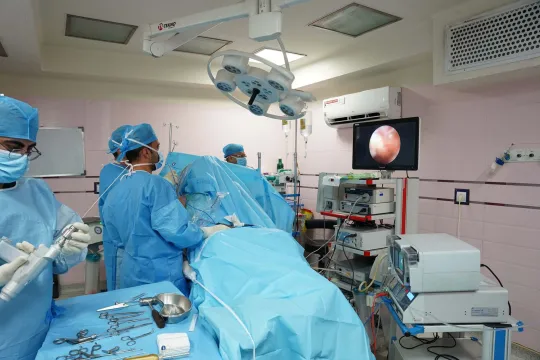
Endoscopic ultrasonography combines endoscopy and ultrasound and is performed by trained physicians. This guide maps the careers around EUS, the training involved, and honest salary context for each role.

USG Abdomen & Pelvis: Uses & Results
USG abdomen and pelvis is a common, radiation-free scan. Learn why it is ordered, how it works, how to prepare, and what the report language generally means.