Abdominal Ultrasonography: 2026 Career Guide
Abdominal ultrasonography is the sonographer's craft of imaging the organs inside the belly: the liver, gallbladder, kidneys, pancreas, spleen
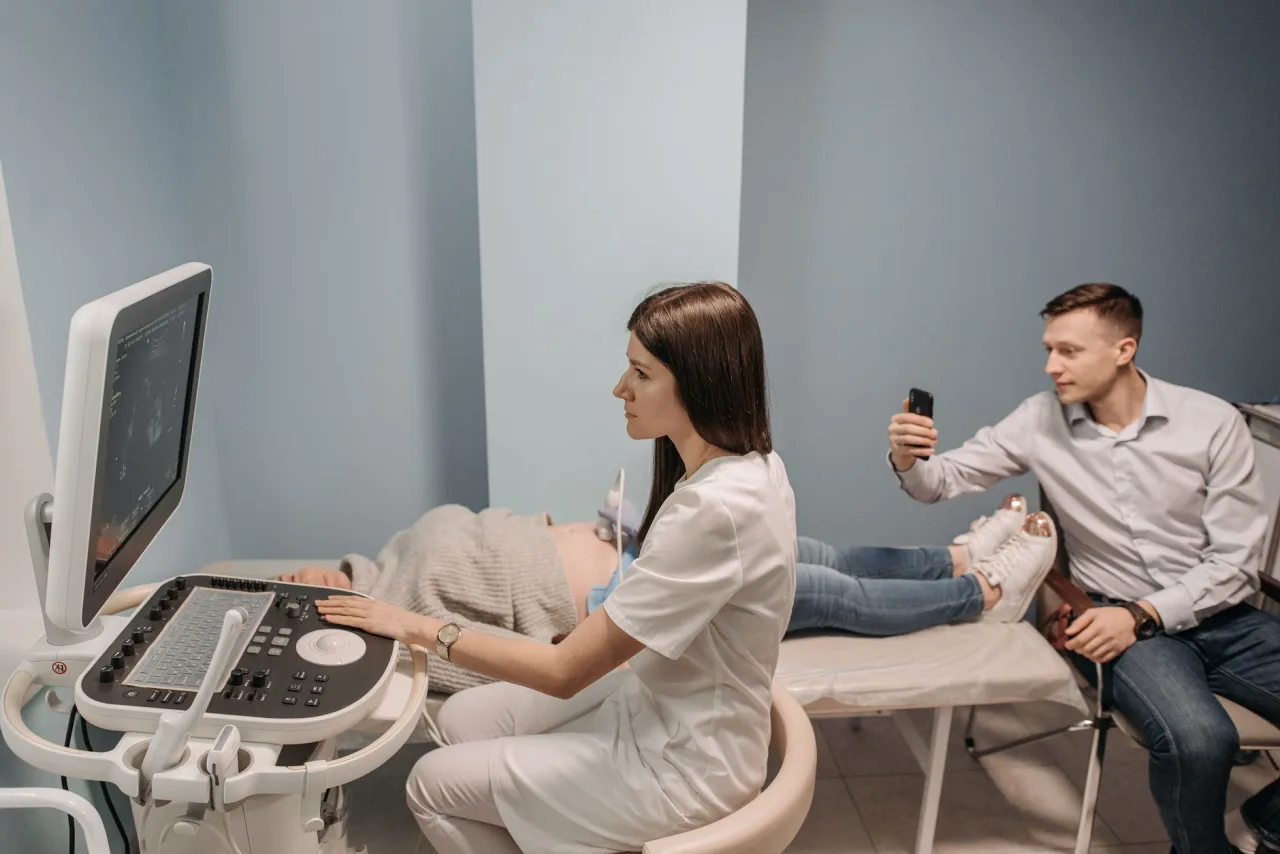
Abdominal ultrasonography is the sonographer's craft of imaging the organs inside the belly: the liver, gallbladder, kidneys, pancreas, spleen, and major vessels. This 2026 career guide explains what an abdominal sonographer does, the credential that defines the specialty, realistic salary ranges, and how to decide whether this route into medical imaging is right for you.
Abdominal work is one of the core specialties of diagnostic ultrasound and a common first area for new sonographers, because so many referrals begin with a look at the abdomen. It rewards anatomical knowledge and patient scanning technique in equal measure. Below is an honest, sourced overview of the specialty and the path into it.
The short version
- Abdominal sonographers scan organs such as the liver, gallbladder, kidneys, pancreas, spleen, and the aorta using sound waves.
- The defining credential is the RDMS with the Abdomen specialty from ARDMS, usually earned after qualifying as a sonographer.
- Entry typically needs an associate degree or a postsecondary certificate plus supervised clinical scanning hours.
- US median pay for diagnostic medical sonographers was $89,340 in May 2024, and the field is projected to grow faster than average.
What abdominal ultrasonography involves
An abdominal sonographer uses a handheld probe and gel to send high-frequency sound waves into the abdomen and capture the returning echoes as a live image. According to RadiologyInfo.org, abdominal ultrasound produces pictures of the inside of the body using sound waves, is safe and noninvasive, and does not use ionizing radiation. A typical full study surveys the liver, gallbladder and bile ducts, kidneys, pancreas, spleen, and the abdominal aorta in one sitting.
The role is highly interactive. The sonographer decides in real time where to place the probe, how to angle it, and which measurements answer the clinical question, then records representative images for a radiologist to interpret. To see the exam from the patient's side, our explainer on the USG abdomen scan and our detailed abdominal ultrasound guide are useful companions.
A day in the life of an abdominal sonographer
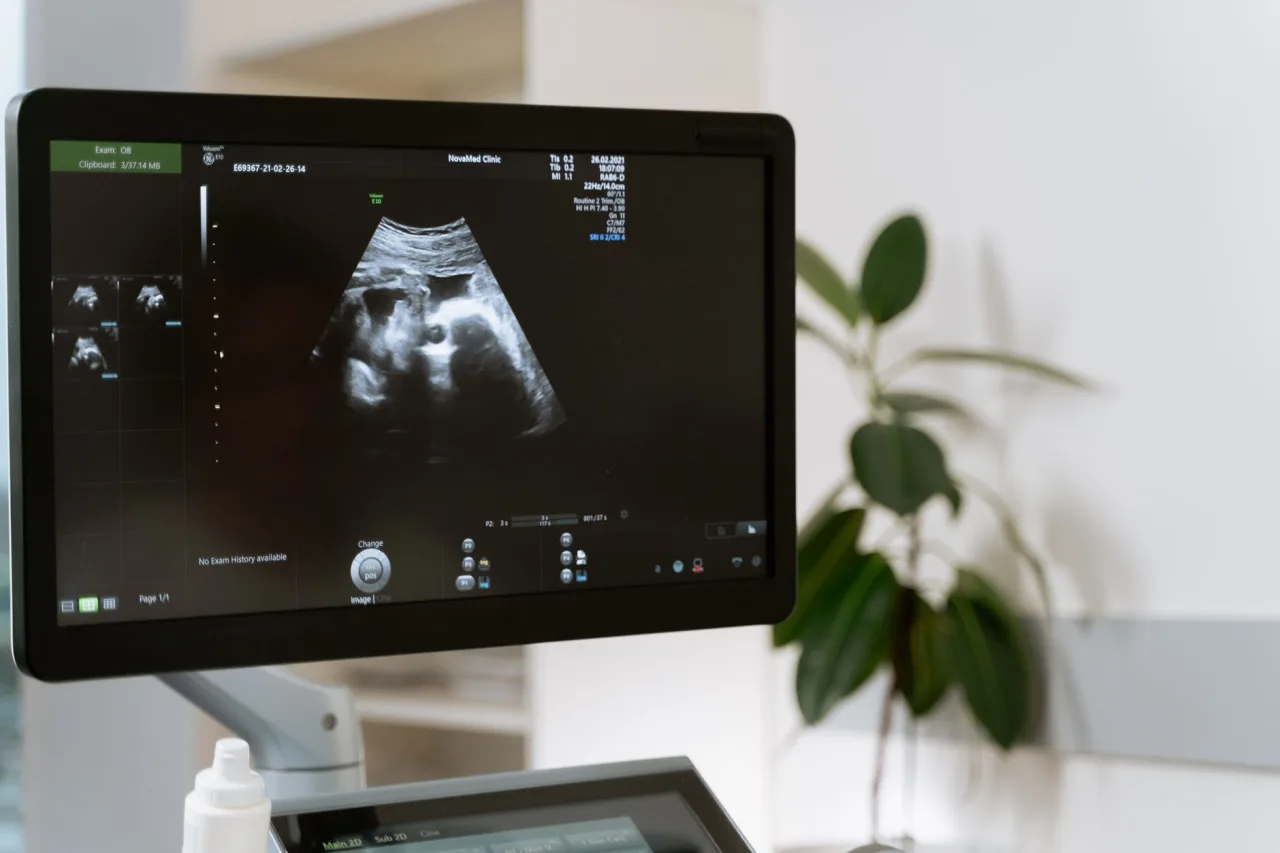
Most abdominal sonographers work in hospitals, imaging centres, or clinics, and the day is a series of scheduled exams. A typical rhythm looks like this.
- Preparing: reviewing the referral and history, and checking whether the patient fasted, since fasting improves gallbladder and vessel views.
- Scanning: working methodically through each organ, adjusting angle and asking the patient to breathe in and hold to drop organs into view.
- Documenting: saving measurements and representative images, and flagging anything urgent.
- Caring: keeping patients comfortable and informed, some of whom are in pain or anxious about results.
Abdominal scanning has a physical side. Sonographers stand for long periods and hold and angle the probe with sustained pressure, so ergonomics and injury prevention are genuine parts of the job. It is honest to acknowledge that repetitive strain is a real occupational concern, and experienced sonographers protect their shoulders, wrists, and neck through posture, adjustable equipment, and pacing.
The physics you have to master
Abdominal work is a good specialty for people who enjoy solving imaging problems, because the abdomen is not an easy place to scan. Sound waves are blocked by gas and bone and weaken as they pass through tissue, so bowel gas and a larger body habitus can degrade the picture, and deep structures such as the pancreas are not always fully seen. A skilled sonographer knows how to work around these limits with probe choice, patient positioning, and technique.
Tip: When comparing training programs, ask about the volume and variety of abdominal scanning hours you will get. Confidence with difficult body habitus and bowel gas comes from repetition, and that hands-on experience is what employers look for in an abdominal sonographer.
Where abdominal fits among the specialties

Abdominal is one of several sonography specialties, and many professionals hold more than one credential to widen their options. Related and adjacent areas include the following.
- Abdomen and pelvis: extending the study into the lower abdomen and pelvic organs. See the abdomen and pelvis sonography guide.
- Vascular and Doppler: assessing blood flow, covered in our color Doppler sonography career guide.
- Endoscopic: a physician-led technique explained in our endoscopic ultrasonography guide.
- General sonography: the wider field is mapped in our sonography career guide.
Education pathways
According to the US Bureau of Labor Statistics, diagnostic medical sonographers typically need formal education such as an associate degree or a postsecondary certificate, and employers may prefer candidates who hold certification. The usual routes are:
- Associate degree: the most common entry route, about two years, combining classroom science with supervised clinical hours.
- Bachelor's degree: a longer route that can support advancement or teaching.
- Certificate programs: shorter programs for people who already hold a health-related degree or credential.
Choose a program accredited by a recognised body, because accreditation is often a prerequisite for certification exams and for employment. Verify a program's accreditation and its abdominal training content directly with the accrediting organisation before you enrol.
Certification and credentials
Certification is not always legally required, but it is widely expected by employers and can affect pay and opportunities. The American Registry for Diagnostic Medical Sonography, ARDMS, part of the nonprofit Inteleos, awards the RDMS, Registered Diagnostic Medical Sonographer, which includes an Abdomen specialty that is the natural target for this career. Candidates generally pass the Sonography Principles and Instrumentation exam plus the specialty exam within a set time window.
Requirements are periodically updated, so always confirm the current rules on the official ARDMS at Inteleos site rather than relying on secondhand summaries. Earning the Abdomen specialty is one of the clearest ways to signal that you can be trusted with this work.
Salary and job outlook
Sonography pays well relative to the training time required. The Bureau of Labor Statistics reported that the median annual wage for diagnostic medical sonographers was $89,340 in May 2024, with the lowest ten percent earning less than $64,760 and the highest ten percent earning more than $123,170. Employment is projected to grow about 13 percent from 2024 to 2034, much faster than the average for all occupations.
These are US national numbers for sonographers overall and vary by country, region, specialty, experience, and setting. Treat any single figure as a benchmark rather than a promise, and research pay for your own location and specialty.
Note: Salary and outlook figures reflect published US data and change over time. This article is general career information, not personalised financial or career advice. Verify current numbers, credential rules, and licensing for your country with official sources.
Is abdominal sonography right for you?
Abdominal ultrasonography suits people who enjoy anatomy, methodical work, and hands-on problem solving, and who are comfortable with close patient contact. Attention to detail is essential, since small differences in probe angle change the image, and patience helps when bowel gas or body habitus make a scan difficult. Physical stamina and clear, reassuring communication matter too.
If that appeals, abdominal work offers a strong foundation in medical imaging with clear routes into related specialties. When you are ready to see where abdominal sonographers work locally, our directory guide on finding sonography services near you shows the range of settings in the field.
Frequently asked questions
What is the difference between abdominal ultrasonography and general sonography?
General sonography is the whole field, while abdominal ultrasonography is the specialty focused on organs in the belly such as the liver, gallbladder, kidneys, pancreas, and spleen. Most sonographers train broadly first, then earn an Abdomen specialty credential to concentrate on this area.
What credential do abdominal sonographers need?
The widely recognised credential is the RDMS with the Abdomen specialty from ARDMS. Certification is not always legally required but most employers expect it. Confirm current exam requirements on the official ARDMS at Inteleos website, as the rules are updated periodically.
How long does it take to become an abdominal sonographer?
The most common route is an associate degree of about two years, followed by time to prepare for and pass certification exams. Certificate programs can be shorter for people who already hold a related health credential. Building enough supervised abdominal scanning hours is part of the timeline.
How much do abdominal sonographers earn?
The US median annual wage for diagnostic medical sonographers was $89,340 in May 2024, with most earning between roughly $64,760 and $123,170. Pay varies widely by country, region, specialty, and experience, so use these US figures as a benchmark and research your own location.
Why is the abdomen considered hard to scan?
Sound waves are blocked by gas and bone and weaken as they travel through tissue, so bowel gas and larger body size can reduce image quality, and deep organs such as the pancreas are not always fully seen. Skilled sonographers work around this with probe choice, positioning, and technique.
Sources and further reading:
- Abdominal Ultrasound, RadiologyInfo.org for what the scan images and its safety.
- Diagnostic Medical Sonographers, US Bureau of Labor Statistics for education, pay, and job outlook.
- ARDMS certifications, Inteleos for the RDMS credential and the Abdomen specialty.
More guides on Ultrasound Types & Procedures
Have a question or a topic to suggest?
We read every message. Tell us what you would like to see next.
You may also like
CT Imaging Near Me: Compare Clinics
Holding a CT referral and choosing between centers? Use a simple scorecard to compare accreditation, reporting, price, and turnaround instead of picking the first result.
DEXA Scan Near Me: Choose a Clinic
A DEXA scan is one test where the clinic you pick has a lasting effect, because results are compared over years. Learn how to choose a good bone density center.

Ultrasound Locations Near Me
Hospitals, imaging centers, and keepsake studios all advertise ultrasound. Learn to tell a proper diagnostic location from a novelty one before you book.