Liver Ultrasound: Uses and Results
Why the scan is ordered, how to prepare, and what common findings like fatty liver or gallstones really mean.
A liver ultrasound is a quick, painless scan that lets a doctor see your liver, gallbladder and nearby blood vessels using sound waves rather than radiation. It is one of the most common first tests when someone has abdominal pain, an abnormal blood result or a sign of liver disease. This guide explains why the scan is ordered, how it works, how to prepare and what the report may describe, so you can walk in informed and ask your clinician better questions.
The short version
- A liver ultrasound uses harmless sound waves to picture the liver, gallbladder and bile ducts in real time. There is no radiation.
- It is often ordered for abnormal liver blood tests, suspected gallstones, fatty liver, or to check a spot found on another scan.
- You are usually asked not to eat for several hours beforehand so the gallbladder is full and the view is clear.
- Only a qualified doctor or radiologist can interpret your images. Findings such as fatty liver or a cyst need clinical context to mean anything for you.
What a liver ultrasound is
A liver ultrasound, sometimes called a hepatic sonogram or USG liver, is a type of abdominal ultrasound focused on the upper right part of the belly. A technologist called a sonographer moves a small handheld probe, the transducer, across the skin. The probe sends high frequency sound waves into the body and listens for the echoes that bounce back from tissue boundaries. A computer turns those echoes into a live moving image on a screen.
Because different tissues reflect sound differently, the scan can show the size and texture of the liver, the wall and contents of the gallbladder, the bile ducts, and the flow of blood in the portal vein and hepatic vessels when Doppler is added. Ultrasound is a real time test, so the sonographer can watch organs move with your breathing and follow a structure through several planes. If you want the broader picture of how the technology works across the body, see our overview of what an ultrasound is and how it is used.
Why a doctor orders a liver ultrasound
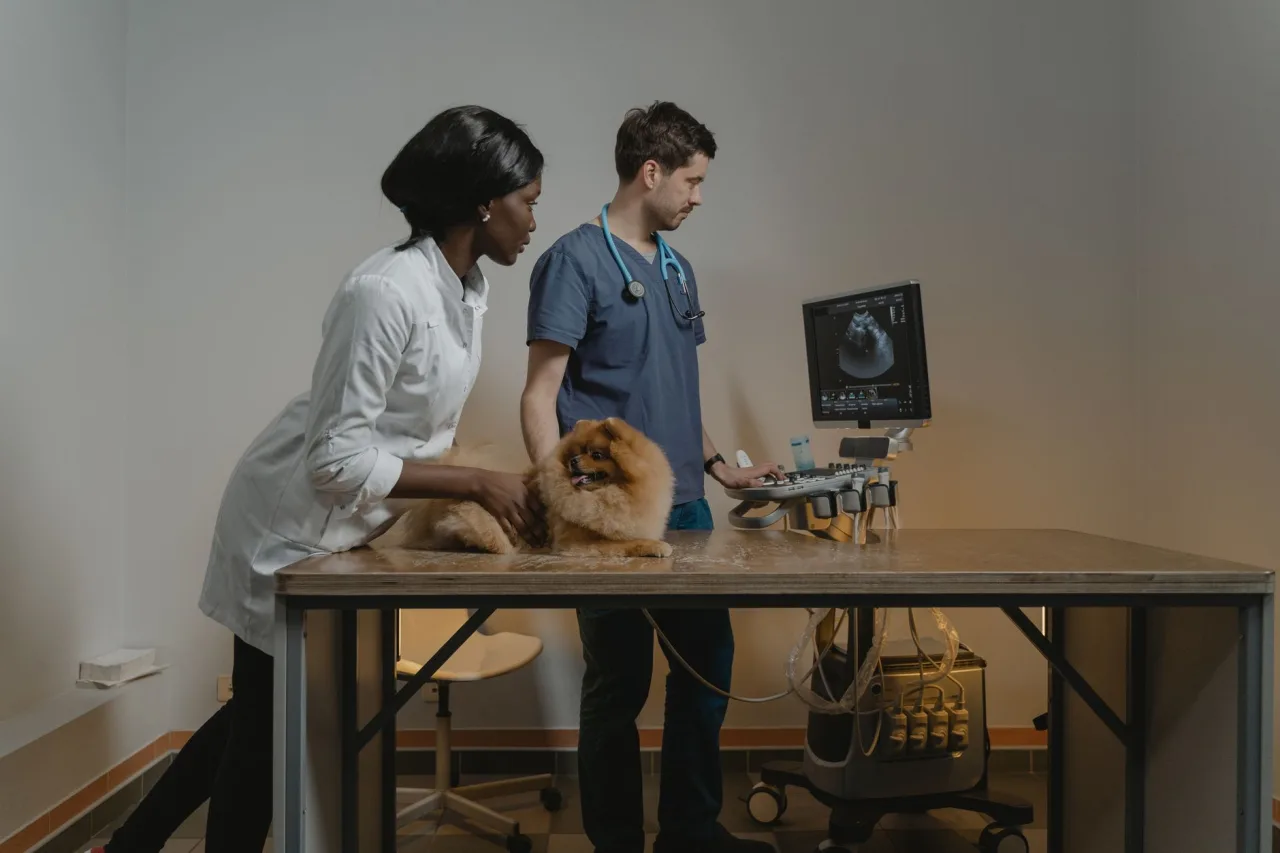
Ultrasound is frequently the first imaging test for the liver because it is safe, widely available and needs no radiation or contrast dye. Common reasons a clinician requests one include:
- Abnormal liver blood tests. Raised liver enzymes on a blood panel often prompt a scan to look for a cause.
- Suspected gallstones. Ultrasound is very good at spotting stones in the gallbladder and signs of inflammation.
- Suspected fatty liver. A bright, or echogenic, liver on ultrasound can suggest fat build up, which is increasingly common.
- Abdominal pain or swelling. Pain in the upper right abdomen is a classic trigger for a liver and gallbladder scan.
- Following up another finding. A spot or lesion seen on a CT scan or during other imaging is often characterised further with ultrasound.
- Monitoring known disease. People with hepatitis, cirrhosis or chronic liver conditions may have regular scans to watch for changes.
Ultrasound can guide procedures too. When a doctor needs a tissue sample, a liver biopsy is often performed under ultrasound so the needle can be steered precisely. If your doctor is weighing ultrasound against other options, our guides to the CT scan and the wider abdominal ultrasound explain how the tests complement each other.
How to prepare
Preparation is simple but it matters. For most liver and gallbladder scans you will be asked not to eat for roughly six to eight hours beforehand, and sometimes to avoid drinks other than water. Fasting keeps the gallbladder full and relaxed, which gives a clearer view of its wall and any stones, and it reduces gas in the bowel that can block the sound waves. Always follow the exact instructions your clinic gives you, because they can vary by the reason for the scan.
- Wear loose, comfortable clothing. You may be asked to change into a gown and to uncover your abdomen.
- Leave valuables and heavy jewellery at home.
- Bring your referral, a list of your medicines and any previous scan reports or images.
- If you take regular medication, ask the clinic whether to take it with a small sip of water on the day.
Tip: If your appointment is not first thing in the morning, ask the clinic how to plan your fast. An early appointment often means you can simply skip breakfast rather than going a long day without food.
What happens during the scan
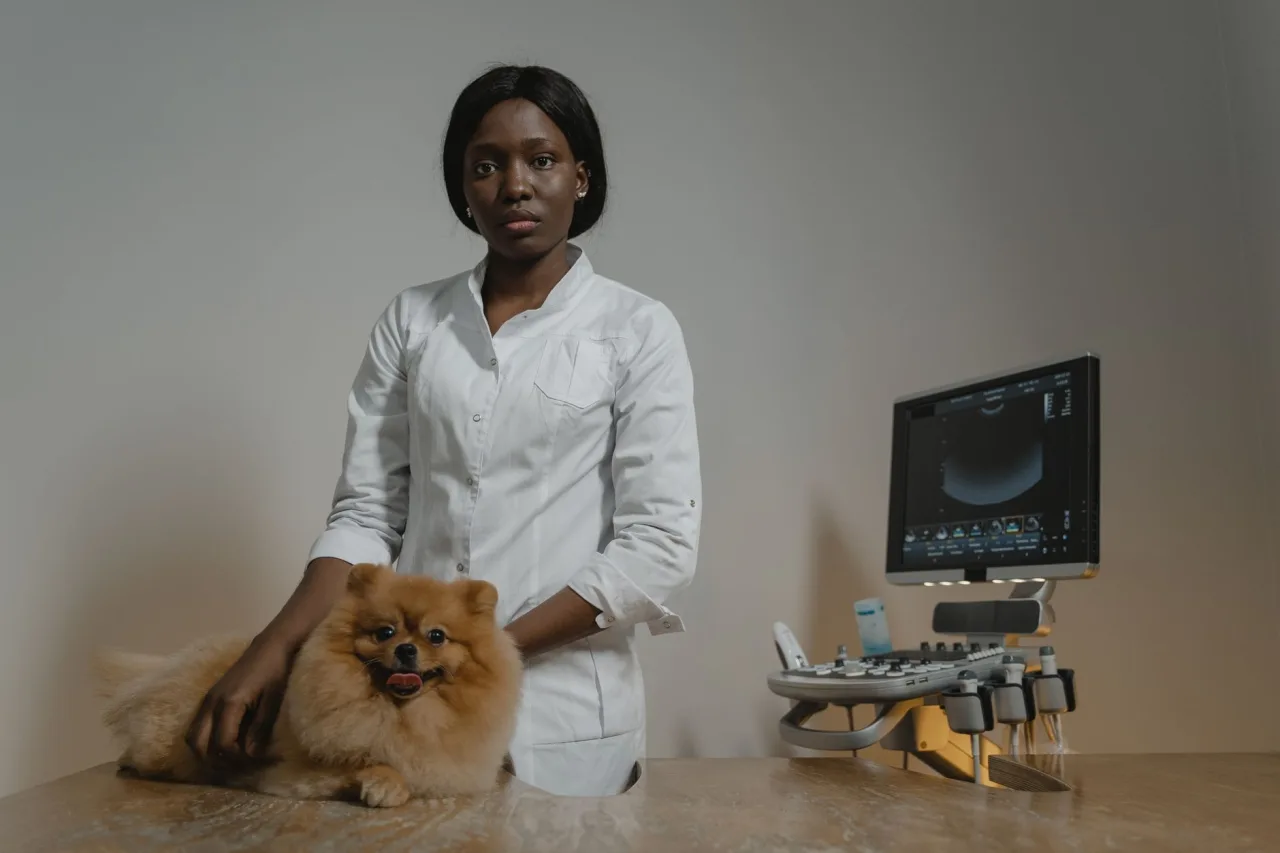
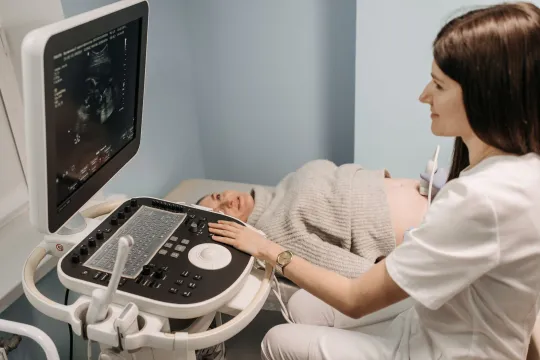
A liver ultrasound is straightforward and usually takes about fifteen to thirty minutes. You lie on your back, and sometimes on your side, on an examination couch. The sonographer applies a water based gel to your upper abdomen, which helps the sound waves pass into the body without air gaps. They then glide the probe over the skin, pressing gently and changing angle to see the liver from different directions.
You may be asked to take a deep breath and hold it. Breathing in pushes the liver down below the ribs and gives a better window, so these short holds genuinely improve the pictures. The gel feels cool and the probe may press firmly if a structure is tucked under the rib cage, but the test is not painful. When it is finished the gel is wiped off and you can usually eat and return to normal activities straight away.
Understanding your results
A radiologist, a doctor who specialises in reading medical images, reviews the recorded pictures and writes a report for the clinician who referred you. In many clinics you will not get results on the spot, because the sonographer captures the images and the radiologist interprets them afterwards. Turnaround is often a few days.
Reports use descriptive language rather than a simple pass or fail. You might see phrases such as a normal sized liver with smooth outline, increased echogenicity suggesting fatty change, a simple cyst, gallstones, or a focal lesion needing further assessment. These terms describe what the sound waves showed, not a final diagnosis. The same finding can be harmless in one person and important in another, which is exactly why interpretation belongs with your doctor.
- Fatty liver is a common, often reversible finding that your doctor will place in the context of your weight, blood tests and history.
- A simple cyst is usually benign and frequently needs no treatment at all.
- A lesion or mass may need a follow up scan, an MRI or a CT to characterise it further.
Important: This article is general information and is not medical advice. It cannot tell you what your own scan means. Always discuss your results, symptoms and next steps with your referring doctor or a radiologist who has seen your images.
Benefits, limits and safety
The great strengths of liver ultrasound are that it is safe, painless and uses no ionising radiation, so it can be repeated as often as needed and is suitable in pregnancy. It is inexpensive compared with cross sectional imaging, gives real time views, and is excellent for gallstones and for a first look at liver texture.
It does have limits. Sound waves are blocked by gas and are weakened when they have to travel through a lot of tissue, so image quality can be lower in people with a larger body habitus or a very gassy bowel. Some deep or subtle findings are better shown by an MRI or CT scan. Ultrasound is also operator dependent, meaning the skill of the sonographer affects the result, which is one reason to choose an accredited clinic with qualified staff. If you need to book, our directory guidance on how to find and compare ultrasound clinics covers what to check.
How to find a good clinic
When choosing where to have a liver ultrasound, look beyond price. Check that the facility is accredited by a recognised body, that scans are performed by qualified sonographers and reported by a radiologist, and that they can send the report to your doctor promptly. Ask whether images are stored so they can be compared on future visits. A clinic that answers these questions clearly is usually a safe choice.
Costs vary widely by country, provider and whether you use insurance or pay privately, so always confirm the fee and what it includes before you book, and check coverage with your insurer. A scan that includes a radiologist report is worth more than a cheaper one that leaves you to arrange interpretation yourself.
Frequently asked questions
Do I need to fast before a liver ultrasound?
Usually yes. Most liver and gallbladder scans ask you to avoid food for about six to eight hours beforehand so the gallbladder stays full and there is less bowel gas, which gives a clearer image. Follow the exact instructions from your clinic, since requirements can differ by the reason for the scan.
Is a liver ultrasound safe?
Yes. Ultrasound uses sound waves, not ionising radiation, and standard diagnostic scanning has no known harmful effects on the body. That is why it can be repeated as needed and is used safely during pregnancy.
How long does a liver ultrasound take?
The scan itself usually takes about fifteen to thirty minutes. You may spend a little longer at the clinic checking in and changing. The images are then reviewed by a radiologist, so your written result often arrives a few days later.
What can a liver ultrasound detect?
It can show the size and texture of the liver, signs of fatty change, cysts and some tumours, gallstones and gallbladder inflammation, and blood flow in the liver vessels when Doppler is used. It cannot always characterise deep or subtle lesions, which may need an MRI or CT scan.
Can a liver ultrasound diagnose liver disease on its own?
Not usually by itself. An ultrasound is one piece of the picture. Your doctor combines it with your symptoms, blood tests and sometimes further imaging or a biopsy to reach a diagnosis. Discuss what your findings mean with your clinician.
Sources and further reading:
- Abdominal Ultrasound, RadiologyInfo.org for how the scan works, uses and safety.
- Abdominal Ultrasound, MedlinePlus (US National Library of Medicine) for preparation and the organs examined.
- Ultrasound scan, NHS for types of ultrasound and why it uses no radiation.
More guides on Ultrasound Types & Procedures
Have a question or a topic to suggest?
We read every message. Tell us what you would like to see next.
You may also like
Abdominal Ultrasound: Uses and Results
A clear guide to the abdominal ultrasound: which organs it checks, why doctors order it, how to prepare and how to understand the report your clinician receives.

USG Abdomen & Pelvis: Uses & Results
USG abdomen and pelvis is a common, radiation-free scan. Learn why it is ordered, how it works, how to prepare, and what the report language generally means.
Ultrasound: Uses, Procedure & Results
An ultrasound uses sound waves, not radiation, to image soft tissue in real time. This guide covers why scans are ordered, how they work, how to prepare, and how results are interpreted, with a reminder to discuss findings with your doctor.