Mammographer: 2026 Career Guide
The education path, certification, work settings, and realistic pay ranges for a career in mammography.
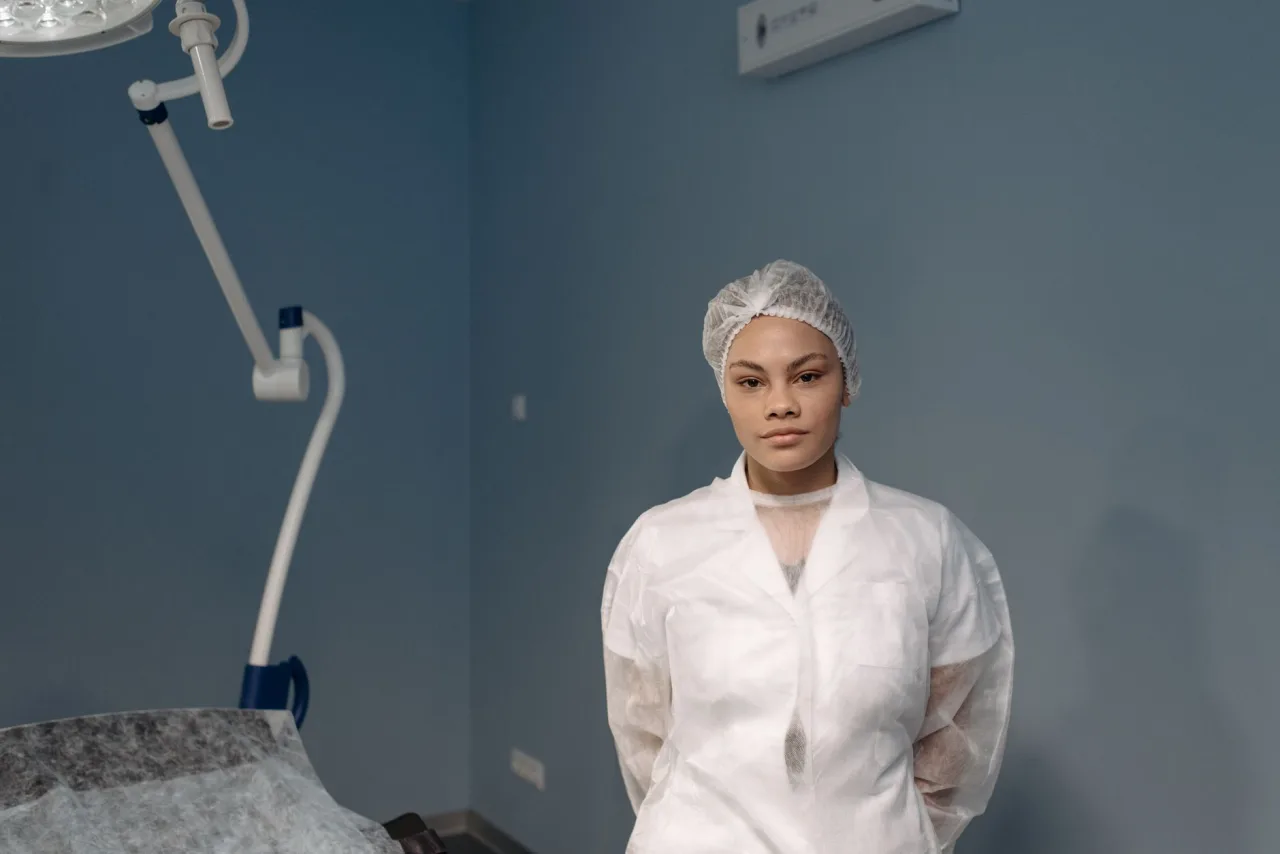
A mammographer is the imaging professional who performs mammograms, positioning patients, capturing high-quality breast images, and often being the calm, reassuring presence during a nerve-wracking appointment. It is a specialised, in-demand branch of radiologic technology. This guide covers the training path, certification, and what the pay and outlook realistically look like.
The short version
- Mammography is usually a specialty you add after qualifying and certifying as a radiologic technologist.
- In the United States, the common route is an accredited program, then ARRT certification in Radiography, then a Mammography credential.
- Pay varies widely by country, region, employer, and experience, so treat any figure as a range, not a promise.
- Demand for imaging staff is steady, driven by breast cancer screening programs and an ageing population.
What a mammographer does
A mammographer, sometimes called a mammography technologist, operates the specialised x-ray equipment that images breast tissue. The day-to-day work blends technical skill with real human care: explaining the procedure, positioning and compressing the breast correctly for each view, ensuring image quality, following strict radiation-safety and quality-control rules, and supporting patients who are often anxious.
The images they capture are read by a radiologist, not the technologist. If you want to understand the exam itself from the patient side, our guide to the mammogram procedure pairs well with this one, and our overview of radiology shows where the role sits in the wider imaging team.
The typical education path

Most mammographers start as radiologic technologists. According to the U.S. Bureau of Labor Statistics, the typical entry-level education for radiologic and MRI technologists is an associate degree, usually a two-year program that combines classroom study with clinical placements.
- Earn a qualifying credential: complete an accredited radiography program, often an associate degree.
- Get licensed where required: many regions require a state licence or registration to practise.
- Add the mammography specialty: gain supervised clinical experience in mammography and pursue the specialty certification.
- Keep learning: ongoing continuing education keeps your credential and safety knowledge current.
Paths differ internationally. In some countries the equivalent role is a radiographer with a bachelor degree who then specialises. Always check the requirements set by the regulator in the country where you plan to work.
Certification and the accrediting bodies
In the United States, the main credentialing body is the American Registry of Radiologic Technologists (ARRT). The ARRT Mammography credential is a postprimary certification, which means you must already hold an ARRT credential in a supporting discipline, typically Radiography, before you can earn it. You also complete a set quantity of documented clinical experience in mammography.
For breast ultrasound and other sonography specialties, a different body, the American Registry for Diagnostic Medical Sonography (ARDMS), issues credentials. If ultrasound interests you more than x-ray, compare this path with our sonography career guide. There is also mammography-specific regulation covering equipment and staff qualifications, which is one reason the specialty is tightly standardised.
Tip: Before enrolling anywhere, confirm the program is accredited and that its credential is accepted by the licensing body in your target state or country. An unaccredited course can leave you unable to certify.
Skills that make a good mammographer

The technical side can be taught. The qualities that set strong mammographers apart are often about people and precision.
- Gentle, clear communication: many patients are frightened, and a calm explanation changes the whole experience.
- Attention to detail: small positioning errors can hide findings or force a repeat scan.
- Physical stamina and care: you are on your feet and handling equipment safely all day.
- Commitment to safety: radiation protection and quality control are non-negotiable parts of the job.
Where mammographers work
Mammographers are employed across a range of settings, and the environment shapes the pace and variety of the work.
- Hospitals: often busier and more varied, sometimes including inpatient and diagnostic cases.
- Dedicated breast centres: focused entirely on breast imaging, frequently with the latest 3D equipment.
- Outpatient imaging centres: scheduled, appointment-based work, often part of larger radiology networks. Our guide to choosing an imaging centre shows how these are organised.
- Mobile screening units: vans that bring mammography to communities with less access to fixed sites.
A typical day involves preparing the room, checking equipment and quality control, greeting and positioning patients, capturing the required views, and documenting each study. Because screening volumes are high, efficiency matters, but so does the pause to reassure a patient who is frightened about the result. Many mammographers say that reassurance is the most meaningful part of the job.
Salary and job outlook
Pay depends heavily on location, employer type, shift patterns, experience, and specialty certifications. The BLS reports that the median annual wage for radiologic technologists and technicians was 77,660 US dollars in May 2024, with the lowest tenth earning under about 52,360 dollars and the highest tenth over about 106,990 dollars. Mammography specialists can sit toward the upper end in some markets, but this is not guaranteed.
On outlook, the BLS projects employment of radiologic and MRI technologists to grow about 5 percent from 2024 to 2034, roughly average to slightly faster than average across all jobs. Ongoing breast cancer screening programs and an ageing population support steady demand for skilled imaging staff.
Within that headline number, several things push individual pay up or down. Working in a high cost-of-living metro area, holding multiple modality certifications, taking on evening, weekend, or on-call shifts, and moving into lead or supervisory roles all tend to raise earnings. Newly qualified technologists in lower-cost regions typically start nearer the bottom of the range. This is why a single national median is only a starting point for your own research, not a prediction of your paycheck.
Please note: These figures are United States averages and ranges, published by the BLS, and are general information rather than a forecast of any individual salary. Pay and requirements vary widely by country and region. Check local labour-market data and your regional regulator for numbers that apply to you.
How to get started
If this path appeals, a sensible sequence looks like this.
- Research accredited radiography programs near you and confirm their licensing acceptance.
- Complete the program and any required general radiography certification and licence.
- Seek a role or clinical hours in a mammography setting to build the required experience.
- Apply for the mammography specialty credential once you meet the prerequisites.
- Maintain your certification with continuing education and stay current on safety standards.
Related imaging roles can be a good entry point or sideways move. Our guides to the x-ray technologist role and to sonography show adjacent options if you are still deciding.
Career growth and related roles
Mammography can be a destination in itself or a stepping stone. Because the specialty sits within radiologic technology, there are natural directions to grow once you are established.
- Add modalities: many technologists cross-train in CT, MRI, or bone density, broadening where they can work and often their pay.
- Lead and teach: experienced staff move into lead technologist, quality-control, or clinical instructor roles.
- Specialise further: some pursue advanced breast imaging, including tomosynthesis-guided procedures, where training allows.
- Move into related fields: ultrasound and interventional imaging are common adjacent paths.
Continuing education is not just a box to tick. It keeps your certification valid, keeps your radiation-safety knowledge current, and opens these routes. If you are weighing your options early, comparing the x-ray technologist role against mammography can help you see which day-to-day work suits you before you commit to a specialty.
Frequently asked questions
How long does it take to become a mammographer?
A common route is a two-year associate degree in radiography, followed by general certification and licensing, then added clinical experience and a mammography specialty credential. In total this is often around two to three years or more, depending on your country and how quickly you gain the required mammography hours.
Do I need to be a radiologic technologist first?
In the United States, yes, in most cases. The ARRT Mammography credential is a postprimary certification, so you generally need to hold an ARRT credential in a supporting discipline such as Radiography before you can earn it. Requirements differ in other countries, so check your local regulator.
How much do mammographers earn?
Pay varies widely by region, employer, and experience. As a reference, the BLS reported a median annual wage of 77,660 US dollars for radiologic technologists and technicians in May 2024, with a broad range around it. Treat any figure as a range that depends on your market rather than a guaranteed salary.
Is mammography a good career choice?
Many people find it rewarding because it combines technical work with meaningful patient contact, and demand for imaging staff is projected to stay steady. As with any career, whether it suits you depends on your interests, and pay and opportunities vary by location, so research your local market.
What is the difference between a mammographer and a sonographer?
A mammographer performs mammograms using low-dose x-ray equipment, certified through bodies like the ARRT. A sonographer performs ultrasound scans, which use sound waves and no radiation, and is certified through bodies like the ARDMS. Some professionals train in both, but they are separate credentials.
More guides on Mammogram & Bone Density
Have a question or a topic to suggest?
We read every message. Tell us what you would like to see next.
You may also like

Sonography: 2026 Career Guide
Diagnostic medical sonographers capture the ultrasound images doctors rely on. This 2026 guide covers the education and certification paths, realistic salary ranges, job outlook, and how to decide if the career fits you.

Mammogram: Uses, Procedure & Results
Understand the mammogram: screening versus diagnostic, how to prepare, what the exam feels like, radiation safety, and how your results are handled.
X-Ray Tech: Uses, Procedure & Results
A clear guide to X-rays: why they are ordered, how the test works, radiation safety, who performs and reads them, and how to think about your results.