Endoscopic Ultrasonography Careers
Endoscopic ultrasonography is a physician-led procedure. Here are the real careers around it, from gastroenterologists to the support staff who assist.
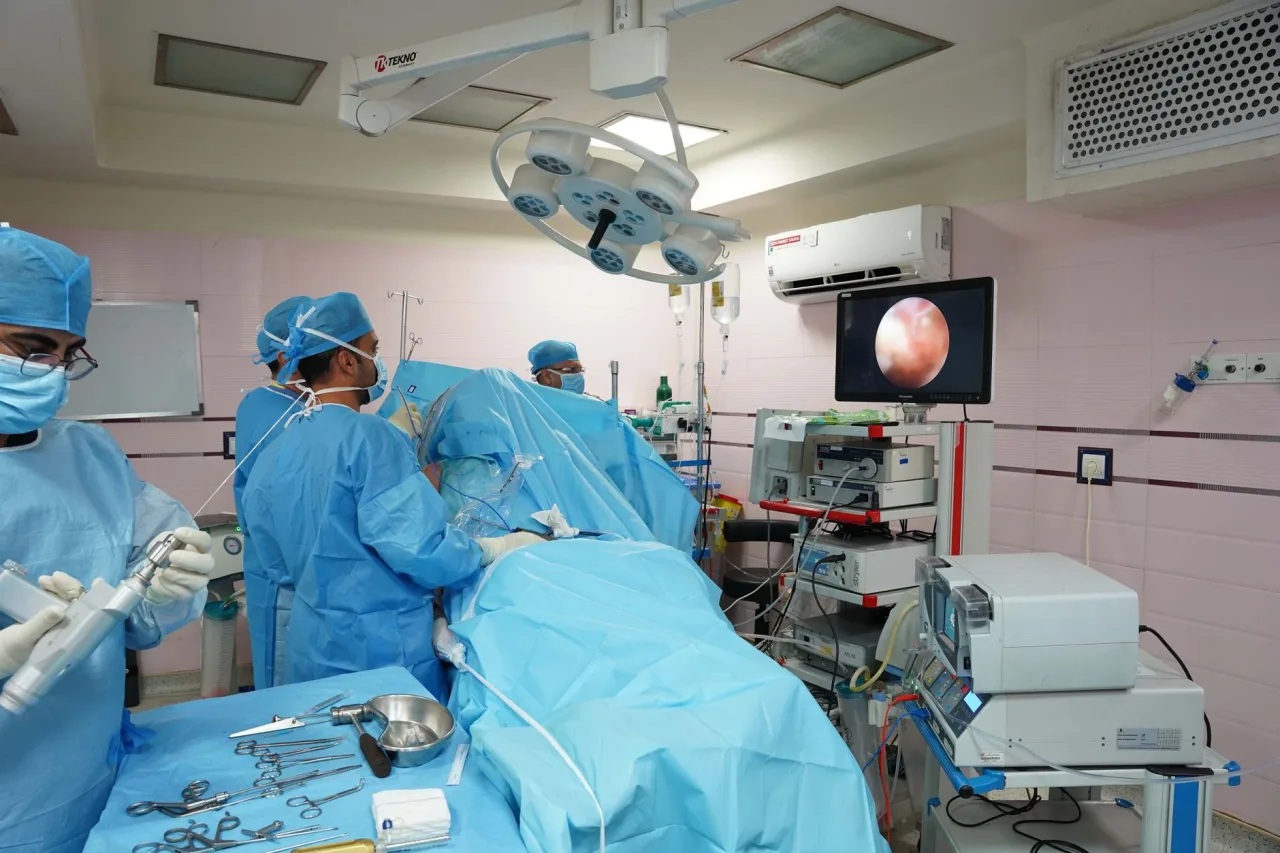
Endoscopic ultrasonography, or EUS, sits at the crossroads of endoscopy and ultrasound, and building a career around it means training beyond a standard imaging role. This 2026 guide explains what EUS is, who performs and supports it, the training and certification involved, and realistic salary context.
Unlike surface ultrasound, EUS is an advanced, physician-led procedure, so the career paths around it look different from general sonography. This guide is honest about that distinction: it maps the roles involved, from the interventional gastroenterologist who performs the exam to the technologists and nurses who support it, and points you to authoritative sources for the fine detail.
The short version
- EUS combines an endoscope with an ultrasound probe to image the digestive tract wall and nearby organs from the inside.
- The procedure itself is performed by physicians, typically gastroenterologists with advanced training, and some pulmonologists.
- Supporting careers include endoscopy technologists, nurses, and sonographers who assist and prepare patients.
- Training, credentials, and pay vary widely, so verify current requirements with official bodies for your country.
What endoscopic ultrasonography is
Endoscopic ultrasonography is a procedure in which endoscopy is combined with ultrasound to obtain images of the internal organs from within the body. A thin, flexible endoscope with a miniature ultrasound probe at its tip is passed into a hollow organ such as the food pipe, stomach, or colon. Because the probe sits directly against the organ wall, EUS produces exceptionally detailed images of structures that are hard to see from the surface.
According to a general medical overview of endoscopic ultrasound, the technique is especially valuable for imaging the layered wall of the digestive tract, the pancreas, and nearby lymph nodes, and it can guide fine-needle aspiration to sample tissue. A probe placed in the esophagus can even help visualise lymph nodes in the chest, which matters for staging lung cancer. If you are new to the underlying imaging, our explainer on how ultrasound works is a helpful starting point.
Why EUS is a distinct field

It is important to be clear-eyed about this: EUS is not simply another sonographer specialty you add with a short course. It is an invasive procedure that carries the risks of endoscopy, usually involves sedation, and requires a physician to perform. That is what separates it from the surface scans covered in our general sonography career guide.
- It is invasive: an instrument is passed into the body, unlike a probe moved over the skin.
- It is interventional: EUS can guide biopsies and, in some centres, treatments, not just imaging.
- It is physician-led: the operator must combine endoscopy skills with ultrasound interpretation.
Who performs and supports EUS
An EUS procedure is a team effort, and there are genuine careers at several levels around it.
- The endosonographer (physician): usually a gastroenterologist, and sometimes a pulmonologist for airway-related staging, who has completed advanced training in EUS. This is a medical doctor role, not a technologist role.
- Endoscopy nurses: manage sedation monitoring, patient safety, and recovery.
- Endoscopy or GI technologists: prepare and handle the specialised scopes and assist during the procedure.
- Sonographers and support staff: in some settings help with ultrasound setup, documentation, and patient care.
If your interest is in operating ultrasound equipment rather than performing invasive procedures, a broader sonography path may fit better. Compare related routes such as abdomen and pelvis sonography or becoming a mammographer.
What the procedure involves day to day

Understanding the procedure itself helps you picture the work. Before an EUS, the patient is prepared much as for a standard endoscopy: fasting beforehand, a consent discussion about risks, and usually sedation. The physician passes the scope while the wider team monitors the patient's breathing, heart rate, and comfort. During the exam the endosonographer interprets ultrasound images in real time, decides where to sample if a biopsy is needed, and guides a fine needle under image control.
Like any endoscopic procedure, EUS carries risks that the team must manage, including reactions to sedation, bleeding, and, rarely, a tear in the digestive tract wall. That risk profile is exactly why the role sits with trained physicians and a supporting clinical team rather than with imaging technologists alone. For anyone considering the field, being comfortable with procedural risk, sedation, and acute patient care is essential.
The training path to performing EUS
Becoming a physician who performs EUS is a long journey built on top of a full medical career. In broad terms it involves the stages below, though exact structures differ by country.
- Medical degree: the foundational qualification to practise medicine.
- Residency in internal medicine: or an equivalent base specialty.
- Gastroenterology fellowship: subspecialty training in digestive diseases and endoscopy.
- Advanced or interventional endoscopy training: dedicated experience in EUS and related procedures.
This is many years of postgraduate training. National specialty boards and gastroenterology societies define the exact requirements and any procedure-specific competency standards, so treat this outline as a map, not a checklist.
Tip: If you are planning a career, confirm the current training pathway and competency requirements with your national medical board and gastroenterology society. Requirements evolve, and only the official bodies for your country carry authoritative, up-to-date rules.
Certification and credentials for support roles
If your goal is a support role rather than performing EUS, credentials focus on endoscopy and general sonography rather than EUS specifically. Sonographer credentialing bodies such as the American Registry for Diagnostic Medical Sonography, ARDMS, part of the nonprofit Inteleos, award recognised credentials including the RDMS, Registered Diagnostic Medical Sonographer, which generally require passing the Sonography Principles and Instrumentation exam plus a specialty exam.
Endoscopy technologist and nursing routes have their own separate qualifications and registrations. Because titles, scopes, and requirements vary between countries and employers, verify the current path on the official ARDMS site and with the relevant nursing or endoscopy body for your region before committing to a program.
Salary context and honest caveats
Because EUS spans physician and support roles, there is no single salary figure that describes the field. Physician gastroenterologist compensation is far higher than technologist or general sonographer pay, reflecting the years of training and the responsibility involved. For general diagnostic medical sonographers, US published data reported a median annual wage of $89,340 in May 2024, which gives a sense of the support-role range but does not represent EUS physicians.
Pay differs dramatically by role, country, experience, and setting, so any number should be read as broad context rather than a specific promise. Research compensation for the exact role and location you are considering, using official labour and professional sources.
Note: This article is general career and educational information, not medical, financial, or personalised career advice. Salary figures and training requirements change and vary by country, so confirm current details with official sources.
Is an EUS-focused career right for you?
Performing EUS suits people committed to the long path of medicine who are drawn to procedural, hands-on gastroenterology and enjoy combining manual endoscopy skill with image interpretation. Supporting EUS suits those who want to work in a fast-paced procedure setting as part of a close team, whether through nursing, endoscopy technology, or sonography.
It also helps to be honest with yourself about the length of the road. The physician path is one of the longest in medicine, so it rewards genuine, durable interest rather than a passing attraction to a high-tech procedure. The support-role paths are far shorter to enter but place you in a demanding, time-pressured environment where teamwork and calm under pressure count for a great deal.
Either way, a solid grounding in ultrasound imaging helps. To see the wider landscape of imaging services and where these procedures happen, our directory guide on finding sonography and imaging services near you shows the range of clinical settings involved.
Frequently asked questions
Who performs endoscopic ultrasonography?
EUS is performed by physicians, most often gastroenterologists who have completed advanced or interventional endoscopy training, and sometimes pulmonologists for certain chest staging. It is not a procedure performed independently by sonographers, because it is invasive and usually involves sedation.
Can a sonographer perform EUS?
Generally no. EUS is an invasive, physician-led procedure. Sonographers and other support staff may assist with equipment, documentation, and patient care in some settings, but the procedure itself requires a trained physician. A broader sonography path fits those who want to operate ultrasound equipment.
How long does it take to train to perform EUS?
It takes many years: a medical degree, residency in a base specialty, a gastroenterology fellowship, and additional advanced endoscopy training. Exact structures and timelines vary by country, so confirm the pathway with your national medical board and gastroenterology society.
What certification do I need for a support role?
Support roles rely on general endoscopy or sonography credentials rather than EUS-specific ones. Sonographer credentials such as the RDMS from ARDMS require passing the Sonography Principles and Instrumentation exam plus a specialty exam. Nursing and endoscopy technologist roles have their own separate qualifications.
How much do EUS-related roles pay?
Pay varies enormously by role. Gastroenterologist physicians earn far more than technologists or general sonographers, whose US median wage was $89,340 in May 2024. Treat any figure as broad context and research the specific role and country you are considering.
More guides on Sonography Career & Training
Have a question or a topic to suggest?
We read every message. Tell us what you would like to see next.
You may also like

Sonography: 2026 Career Guide
Diagnostic medical sonographers capture the ultrasound images doctors rely on. This 2026 guide covers the education and certification paths, realistic salary ranges, job outlook, and how to decide if the career fits you.
Abdomen & Pelvis Sonography Careers
Abdomen and pelvis sonography is a strong entry into diagnostic medical sonography. Here is what the job involves, the training and certification path, and realistic salary ranges to expect.
Ultrasound: Uses, Procedure & Results
An ultrasound uses sound waves, not radiation, to image soft tissue in real time. This guide covers why scans are ordered, how they work, how to prepare, and how results are interpreted, with a reminder to discuss findings with your doctor.