Abdominal X-Ray
An abdominal x-ray is a fast, painless picture of the inside of your belly, taken with a very small dose of radiation.

An abdominal x-ray is a fast, painless picture of the inside of your belly, taken with a very small dose of radiation. Doctors use it to get a quick answer to specific questions, such as whether the bowel is blocked or where a swallowed object has gone. This guide explains why it is ordered, how it is done, how its small radiation dose is kept safe, and why only your own doctor can tell you what the pictures mean for you.
The short version
- An abdominal x-ray images the stomach, liver, intestines, and spleen using a very small dose of ionising radiation.
- It is quick, painless, and usually finished within about 15 minutes, with the actual exposure lasting under a second.
- It is often a first, fast test: for more detail, doctors may follow up with ultrasound or a CT scan.
- A radiologist reads the images, but only the doctor who ordered the test can explain what your result means.
What an abdominal x-ray is
An x-ray is an imaging test that passes a small amount of radiation through the body to create a picture. Dense structures such as bone absorb more and look white, while softer tissues and gas look darker, which is how the shapes inside your abdomen become visible. An abdominal x-ray focuses that technique on the belly. According to RadiologyInfo.org, the exam evaluates the stomach, liver, intestines, and spleen, and it can help identify problems such as a blockage or a swallowed object.
Unlike ultrasound and MRI, an x-ray does use radiation, though the dose for a single abdominal film is small. If you want the wider background to how radiation-based imaging works, our overview of an x-ray scan explains the basics, and our guide to radiology in general puts it alongside the other imaging tests.
Why a doctor orders one
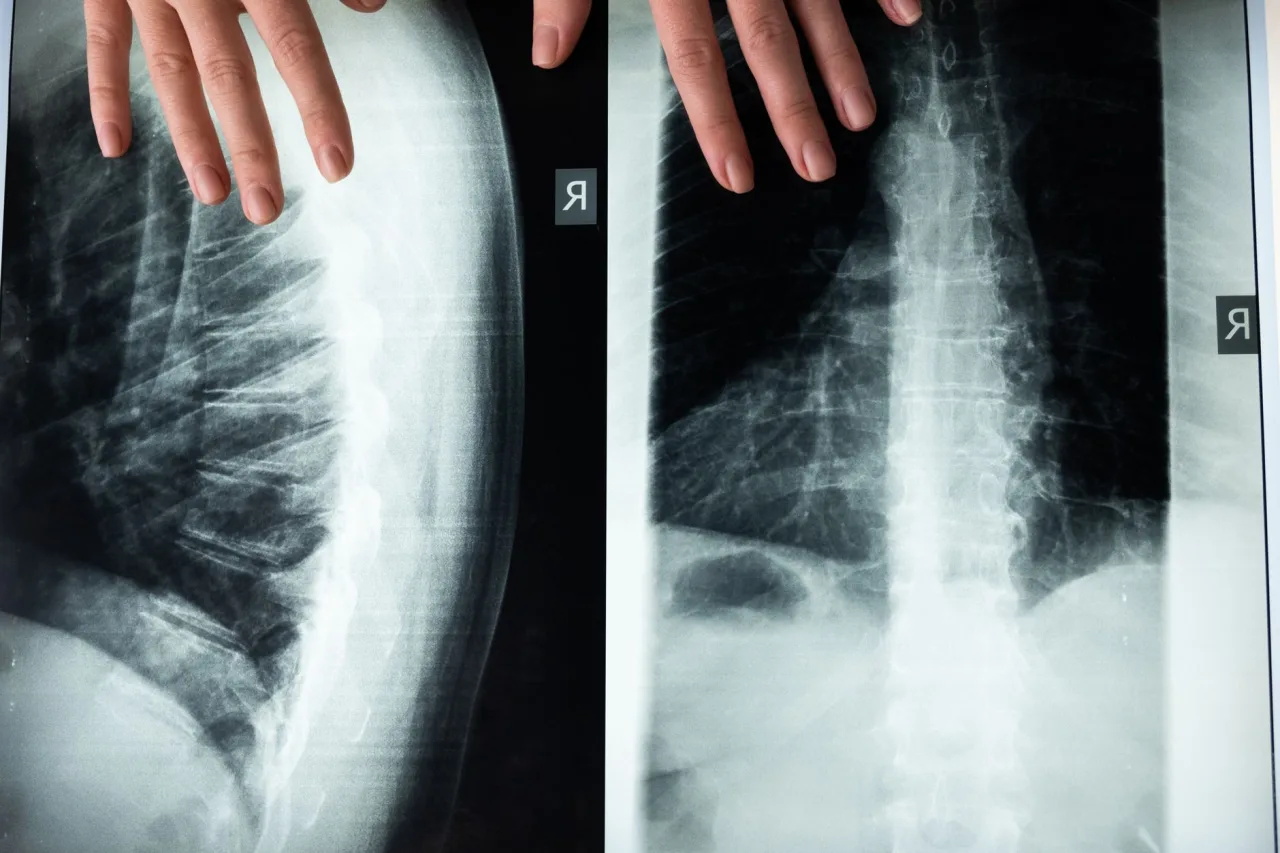
An abdominal x-ray answers focused questions quickly, which is why it is often used in urgent settings. RadiologyInfo.org lists common uses including diagnosing the cause of abdominal pain, nausea, and vomiting, and identifying problems such as intestinal blockages, perforations, and swallowed foreign objects. Typical reasons include:
- Suspected bowel obstruction, where loops of gas-filled intestine show a pattern.
- Looking for free air that can signal a perforation.
- Locating a swallowed object, especially in children.
- Checking the position of a tube or line.
- An initial look when the cause of abdominal pain is unclear.
Because it is a broad, quick survey rather than a detailed study, an abdominal x-ray is frequently a first step. If it raises further questions, your doctor may order an abdominal ultrasound for a radiation-free look at the organs, or a CT scan of the abdomen and pelvis for much finer detail. A focused kidney and bladder view, known as a KUB, is covered in our KUB x-ray guide.
How to prepare
Preparation for a standard abdominal x-ray is minimal. RadiologyInfo.org notes that the exam usually needs no special dietary restrictions or fasting. The main steps are practical:
- Remove jewellery, belts, and any metal objects, which can obscure the image.
- You may be given a gown to wear.
- Tell your radiographer if you are or might be pregnant, because x-rays are usually avoided in pregnancy unless necessary.
- Mention if you have an intrauterine device or have recently had a barium study, as this can affect the image.
Important: Always tell the team before the scan if there is any chance you are pregnant. Depending on the situation they may adjust the test, use shielding, or choose an alternative such as ultrasound, which uses no radiation.
What happens during the scan

An abdominal x-ray is quick and painless. A radiographer positions you, usually lying on your back on a table, though sometimes standing, and lines up the x-ray machine over your abdomen. You will be asked to stay still and may be asked to hold your breath for a moment so the image is sharp. The radiographer steps behind a protective barrier to make the exposure, which lasts a fraction of a second, and may take a second view from a different angle. RadiologyInfo.org notes the whole examination is usually completed within about 15 minutes, with the actual radiation exposure lasting less than a second. You feel nothing during the exposure itself, and there is no recovery time.
Is it safe? Understanding the radiation
An abdominal x-ray uses ionising radiation, so it is fair to ask about safety. The dose from a single film is small, and the NHS explains that while there is a very small risk that radiation could contribute to cancer over many exposures, doctors weigh this against the benefit of the information before recommending a test. RadiologyInfo.org describes how facilities apply the ALARA principle, keeping doses As Low As Reasonably Achievable, and puts everyday exposure in perspective: natural background radiation averages around 3 millisieverts a year, and a chest x-ray is only a small fraction of that.
The key point is that a test is ordered when the value of the answer outweighs the small radiation exposure, and not being able to diagnose a problem carries its own risk. If you have concerns, ask the doctor who requested the x-ray to explain why it is the right test for you.
What your results mean
After the exam, a radiologist reviews the images and writes a report for the doctor who ordered the test. That doctor explains the findings in the light of your symptoms, examination, and any other tests. An abdominal x-ray is good at showing patterns of gas, obstruction, and dense objects, but it gives limited detail of soft tissues, which is why a normal film does not always rule out every problem and why a further scan is sometimes needed.
How quickly you get results depends on the setting. An urgent film in an emergency department may be reviewed within minutes, while a routine outpatient report can take longer to reach your doctor. Try not to interpret the image yourself, because radiology findings need the context of your whole clinical picture to mean anything.
This is general information, not medical advice. An x-ray appearance can fit more than one condition, and only your full clinical picture gives it meaning. Do not try to diagnose yourself from an image or report. Always discuss your abdominal x-ray results with the doctor who ordered it or the specialist they refer you to.
How it compares with other abdominal tests
The abdomen can be imaged in several ways, and each has strengths. An x-ray is fast and good for gas patterns and dense objects. Ultrasound, described in our USG abdomen guide, uses no radiation and shows organs such as the liver, gallbladder, and kidneys well. CT gives the most detailed cross-sections but uses a higher radiation dose. Your doctor chooses the test that best answers the clinical question with the least risk. When you are ready to book, our directory guide to finding an x-ray clinic near you explains what to look for in an accredited facility.
Frequently asked questions
Do I need to fast or prepare for an abdominal x-ray?
Usually not. A standard abdominal x-ray needs little preparation and generally involves no fasting or special diet. You will be asked to remove jewellery and metal objects and may be given a gown. Always tell the team if you are or might be pregnant so they can consider the safest approach.
How much radiation does an abdominal x-ray use?
The dose from a single abdominal x-ray is small. Facilities keep doses As Low As Reasonably Achievable, and for context, natural background radiation averages around 3 millisieverts a year. Doctors weigh the small exposure against the benefit of the information, and there is no radiation left in your body afterwards.
How long does an abdominal x-ray take?
The whole examination is usually completed within about 15 minutes, and the actual radiation exposure lasts less than a second. You lie or stand still while the radiographer takes one or more images, and you feel nothing during the exposure. There is no recovery time afterwards.
Is an abdominal x-ray or an ultrasound better?
Neither is simply better, they answer different questions. An x-ray is fast and good at showing gas patterns, blockages, and dense objects, while ultrasound uses no radiation and shows organs such as the liver and kidneys well. Your doctor chooses the test that best fits your symptoms, and sometimes both are used.
Who explains my abdominal x-ray results?
A radiologist reviews the images and writes a report for the doctor who ordered the test. That doctor then explains what the findings mean for you, taking your symptoms and other tests into account. You should not try to interpret the image or report yourself.
Sources and further reading:
- Abdominal X-ray, RadiologyInfo.org for uses, procedure, and preparation.
- X-ray, NHS for how x-rays work and the small radiation risk.
- Patient Safety: Radiation Dose, RadiologyInfo.org for the ALARA principle and dose context.
More guides on Ultrasound Types & Procedures
Have a question or a topic to suggest?
We read every message. Tell us what you would like to see next.
You may also like
CT Imaging Near Me: Compare Clinics
Holding a CT referral and choosing between centers? Use a simple scorecard to compare accreditation, reporting, price, and turnaround instead of picking the first result.

DEXA Scan Near Me: Choose a Clinic
A DEXA scan is one test where the clinic you pick has a lasting effect, because results are compared over years. Learn how to choose a good bone density center.

Ultrasound Locations Near Me
Hospitals, imaging centers, and keepsake studios all advertise ultrasound. Learn to tell a proper diagnostic location from a novelty one before you book.