MRI Center
An MRI center is a facility, either inside a hospital or as a standalone clinic, that performs magnetic resonance imaging.
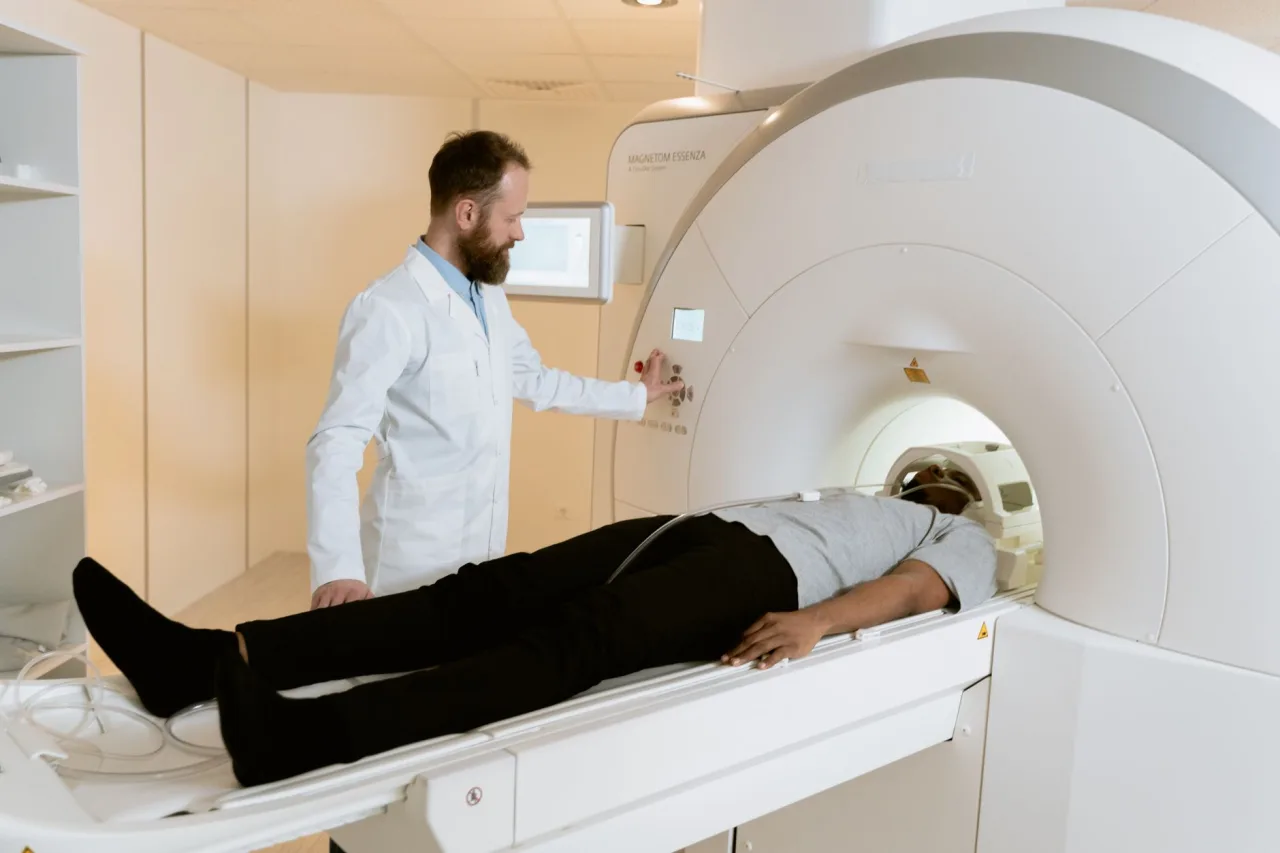
An MRI center is a facility, either inside a hospital or as a standalone clinic, that performs magnetic resonance imaging. If your doctor has referred you for an MRI, knowing what happens at one of these centers, and how to choose a good one, can make the whole experience less daunting. This guide explains what an MRI center does, how the scan works, how to prepare, and what your results mean, without naming specific clinics or inventing details.
The short version
- An MRI center houses one or more MRI scanners and the staff who run them: radiographers, radiologists, and support staff.
- MRI uses a strong magnet and radio waves, not radiation, to make detailed images of soft tissue, organs, joints, and the brain.
- Because of the powerful magnet, safety screening for metal implants and objects is a central part of any visit.
- Choose an accredited center with the right scanner for your scan. A radiologist there interprets the images and reports to your doctor.
What an MRI center is
An MRI center is simply the place where magnetic resonance imaging is carried out. Some are departments within a hospital, while others are outpatient imaging centers that focus on scans and are not attached to an emergency department. Both types can produce excellent images. What matters is the quality of the equipment, the accreditation of the facility, and the expertise of the staff, rather than whether the building is a hospital or a dedicated clinic.
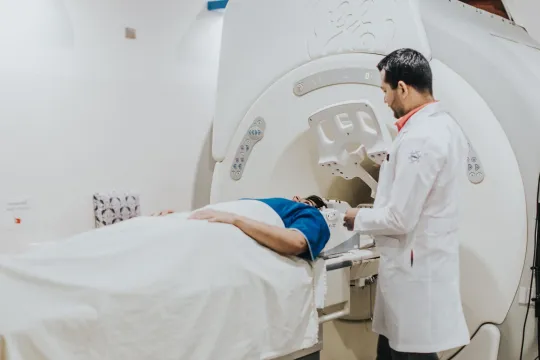
A typical center has one or more scanners, a control room where the radiographer operates the machine, changing areas, and a reporting area where radiologists review the images. For a broader map of where MRI sits among imaging tests, see our overview of radiology and our detailed guide to the MRI scan itself.
How an MRI works
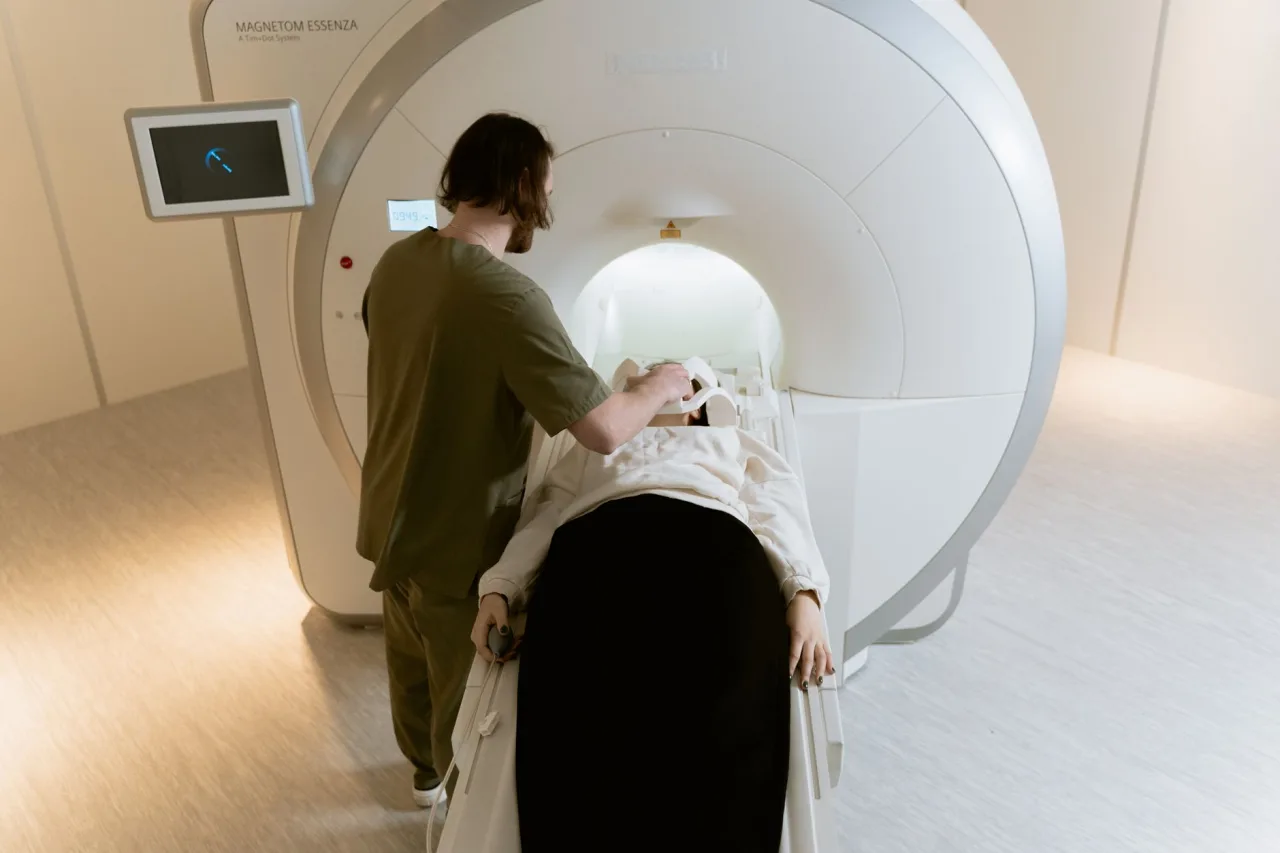
According to RadiologyInfo.org, MRI uses a powerful magnetic field, radio waves, and a computer to produce detailed pictures of the inside of the body. Unlike x-rays and CT, MRI does not use ionising radiation. It works by temporarily nudging the hydrogen atoms in your body out of alignment, then detecting the energy they release as they settle back, which a computer turns into images.
This makes MRI especially good for soft tissue: the brain and spinal cord, muscles, ligaments and tendons, and abdominal and pelvic organs such as the liver, kidneys, and reproductive organs. Because there is no radiation, it can be repeated when needed and is used across a wide range of ages and conditions.
What happens during a visit
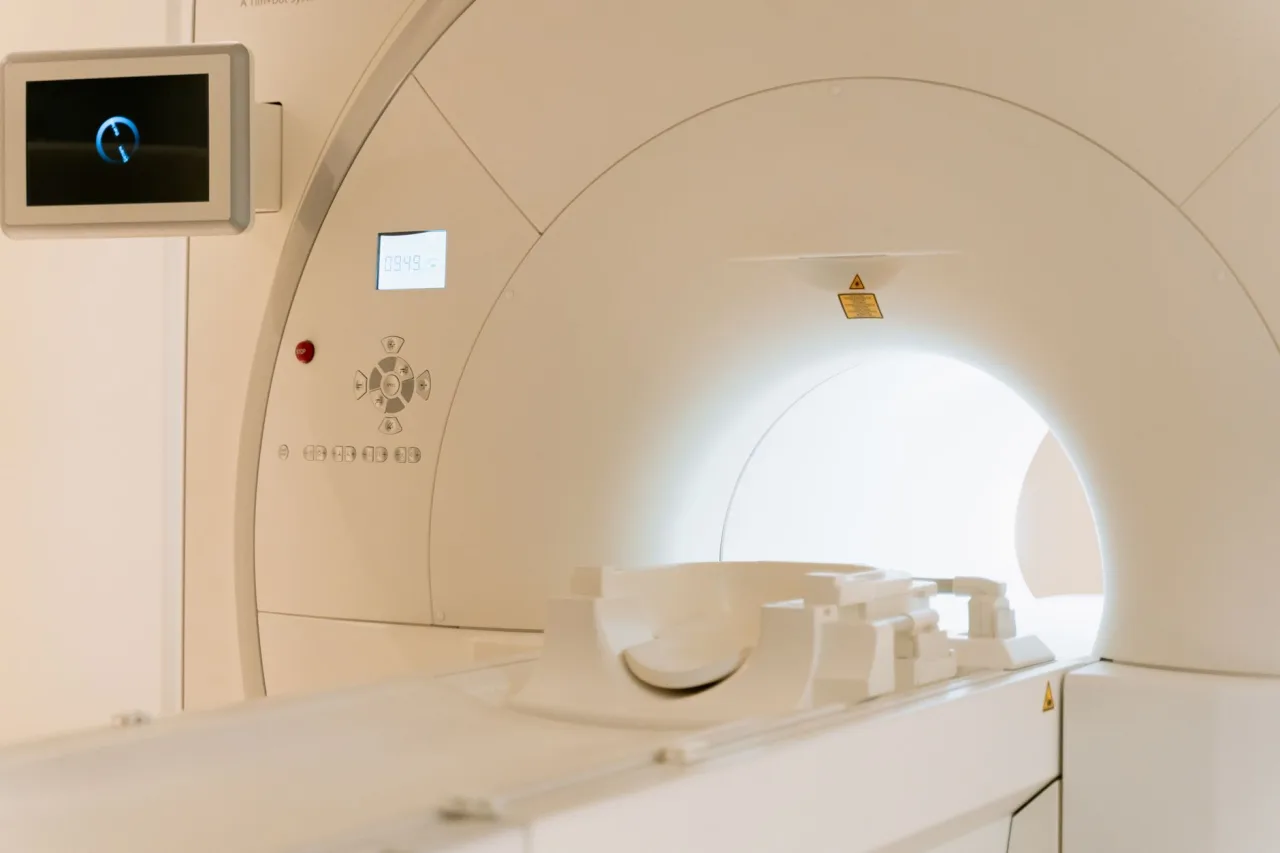
The NHS describes the MRI scanner as a large machine with a short tunnel through it and a flat bed that slides in and out. A typical visit follows these steps:
- You complete a safety questionnaire about metal implants, devices, and previous surgery, and change into a gown.
- You remove all metal items, including jewellery, a bra with underwire, hair clips, hearing aids, coins, and keys.
- You lie on the bed, which moves into the scanner, and are given ear protection because the machine makes loud banging and clicking noises as it works.
- You stay still while the images are taken, and can talk to the radiographer through an intercom. If contrast is needed, it is injected into a vein during the scan.
A scan usually lasts between 15 minutes and an hour depending on the body part and whether contrast is used. There is no recovery period unless you were given a sedative, though some people find the enclosed space uncomfortable. If that is a concern, ask the center whether an open MRI is available, as these have a more open design.
Important safety note: The MRI magnet is always on. Tell the center in advance about any pacemaker, cochlear implant, aneurysm clip, metal fragments, or other implants, because some are not safe near the scanner. Also mention pregnancy, kidney problems, and any allergy to contrast dye. This screening exists to keep you safe, so answer every question fully.
Contrast dye at an MRI center
Some MRI scans use a contrast dye called gadolinium, injected into a vein to make certain tissues or blood vessels show up more clearly. RadiologyInfo.org notes that gadolinium is less likely to cause an allergic reaction than the iodine-based contrast used in CT. The center will check your kidney function and allergy history before using it, and not every MRI needs contrast at all. Your referral and the radiologist decide whether it is required.
How to choose a good MRI center
Since imaging quality and safety matter, it is worth choosing carefully rather than simply booking the nearest slot. Practical things to check include:
- Accreditation and regulation. Ask whether the center is accredited by the relevant national body and that its staff are registered professionals.
- The right scanner. Field strength is measured in tesla, commonly 1.5T or 3T. Ask whether the machine suits your scan, and whether an open or wide-bore option is available if you are anxious or larger-bodied.
- Who reports the scan. A qualified radiologist should interpret your images, and you should know how and when the report reaches your doctor.
- Cost and coverage. Confirm the price and whether your insurer or health system covers it, before you book.
- Practical details. Waiting times, accessibility, and how quickly results are turned around all vary between centers.
To compare facilities in your area, see our guides to finding MRI centers near you and booking an MRI scan near you. These explain what to ask before choosing, without steering you toward any particular provider.
What your results mean
After your scan, a radiologist at the center reviews the images and writes a report for the doctor who referred you. The NHS notes that MRI results usually take one to two weeks to reach your doctor, who then explains what they mean for you. It is natural to want answers sooner, but the report is written for clinicians and often uses cautious, technical language.
This is general information, not medical advice. MRI images and reports are complex, and the same finding can mean different things for different people. Do not attempt to interpret your own scan or an online report. Always discuss the results with the doctor who referred you or a specialist they send you to.
Frequently asked questions
What is the difference between an MRI center and a hospital MRI?
An MRI center may be a standalone outpatient clinic or a department inside a hospital. Both can produce high quality images. A standalone center focuses on imaging and may have shorter waits, while a hospital scanner is on hand for inpatients and emergencies. Accreditation and equipment matter more than the type of building.
Is an MRI at a dedicated center safe?
Yes, when the center is accredited and follows proper safety screening. MRI uses a strong magnet and radio waves, not radiation, so there is no radiation risk. The main safety concern is metal, so you must disclose any implants or devices. Reputable centers screen every patient carefully before the scan.
How do I choose a good MRI center?
Check that the center is accredited, that a qualified radiologist reports the scans, and that the scanner suits your examination. Ask about field strength, whether an open or wide-bore machine is available, waiting times, cost, and how results reach your doctor. Confirm coverage with your insurer before booking.
Do all MRI centers offer open MRI?
No. Open and wide-bore scanners are more comfortable for people who feel enclosed or are larger, but not every center has one, and they can differ in image detail. If this matters to you, ask each center directly what type of scanner they use before booking your appointment.
Who tells me my MRI results?
A radiologist at the center interprets the images and sends a report to the doctor who referred you, usually within one to two weeks. That doctor explains what the results mean for you. You should not rely on reading the images or report yourself, because interpretation depends on your full clinical picture.
More guides on MRI, CT & X-Ray
Have a question or a topic to suggest?
We read every message. Tell us what you would like to see next.
You may also like
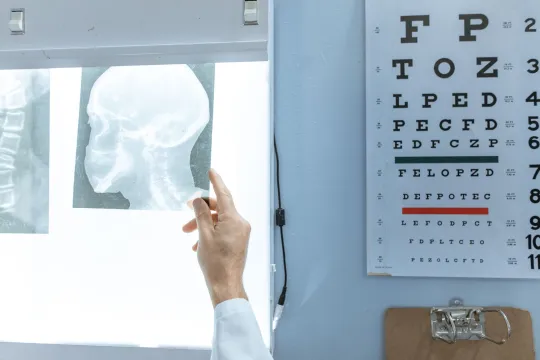
L Spine X-Ray
An L spine x-ray, short for lumbar spine x-ray, is a quick imaging test that takes pictures of the five bones in your lower back. Doctors use it to look for fractures, alignment problems, arthritis
Foot X-Ray Normal
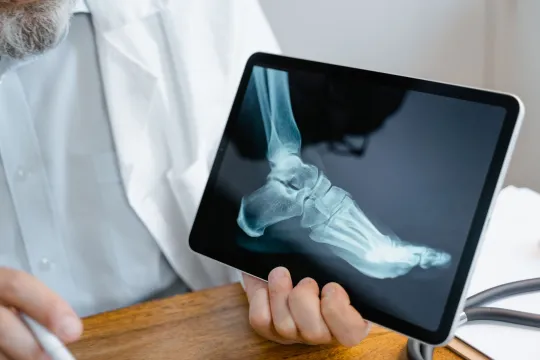
A foot x-ray is a quick, painless test that shows the many small bones and joints of the foot. If you have searched for foot x-ray normal, you are probably trying to understand what a normal result actually means
CT Scan Abdomen and Pelvis
A CT scan of the abdomen and pelvis uses x-rays and a computer to build detailed cross-sectional pictures of the organs in your belly and lower trunk.