CT and MRI: Uses and Results
How the two workhorses of cross-sectional imaging differ, when each is used, and what to expect from scan to report.
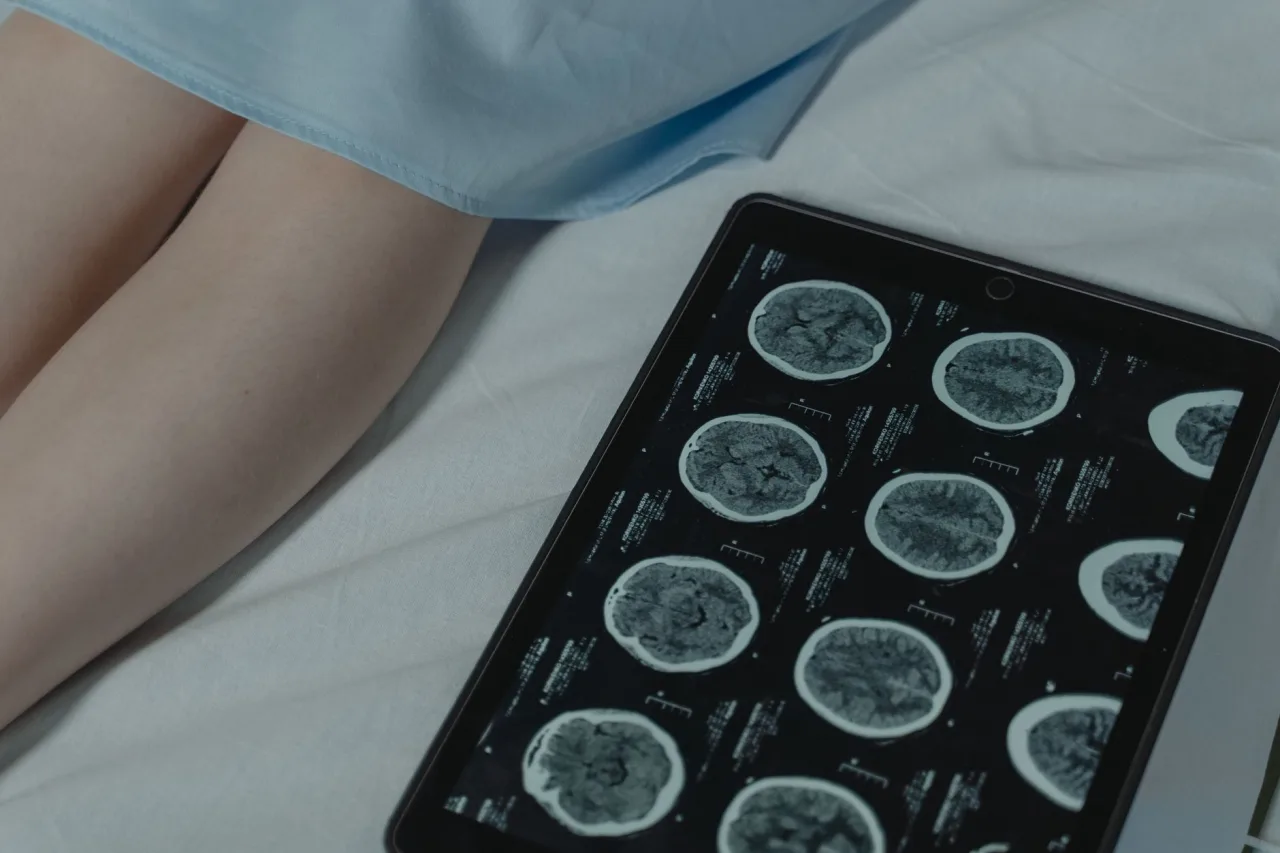
CT and MRI are the two workhorses of modern cross-sectional imaging, and they are easy to confuse because both produce detailed slice-by-slice pictures of the inside of your body. They work in completely different ways, though, and each is better suited to certain questions. If your doctor has mentioned one or the other, this guide explains what they are, how they differ, what the appointment involves, and how the results reach you.
The short version
- CT uses x-rays and ionizing radiation; MRI uses a strong magnet and radio waves, with no radiation at all.
- CT is very fast and excellent for bone, bleeding, and trauma. MRI gives the finest soft-tissue detail.
- Metal and implants matter a great deal for MRI. Kidney function and pregnancy matter for contrast in both.
- A radiologist reads the images and reports to the doctor who ordered the scan. Your results belong in that conversation.
CT and MRI at a glance
CT stands for computed tomography and MRI stands for magnetic resonance imaging. Both take a series of thin cross-sectional images that a computer assembles into detailed views, and both can be reformatted into different planes or three-dimensional pictures. The difference lies in the energy each one uses to make those images.
According to RadiologyInfo.org, CT uses sophisticated x-ray technology to detect a wide range of conditions, and it is described as fast, painless, and accurate. MRI, by contrast, uses a powerful magnetic field and radiofrequency pulses rather than x-rays. That single distinction, radiation versus magnetism, drives most of the practical differences between the two tests. For the bigger picture of how these fit alongside other tests, see our overview of what radiology involves.
How each scan works
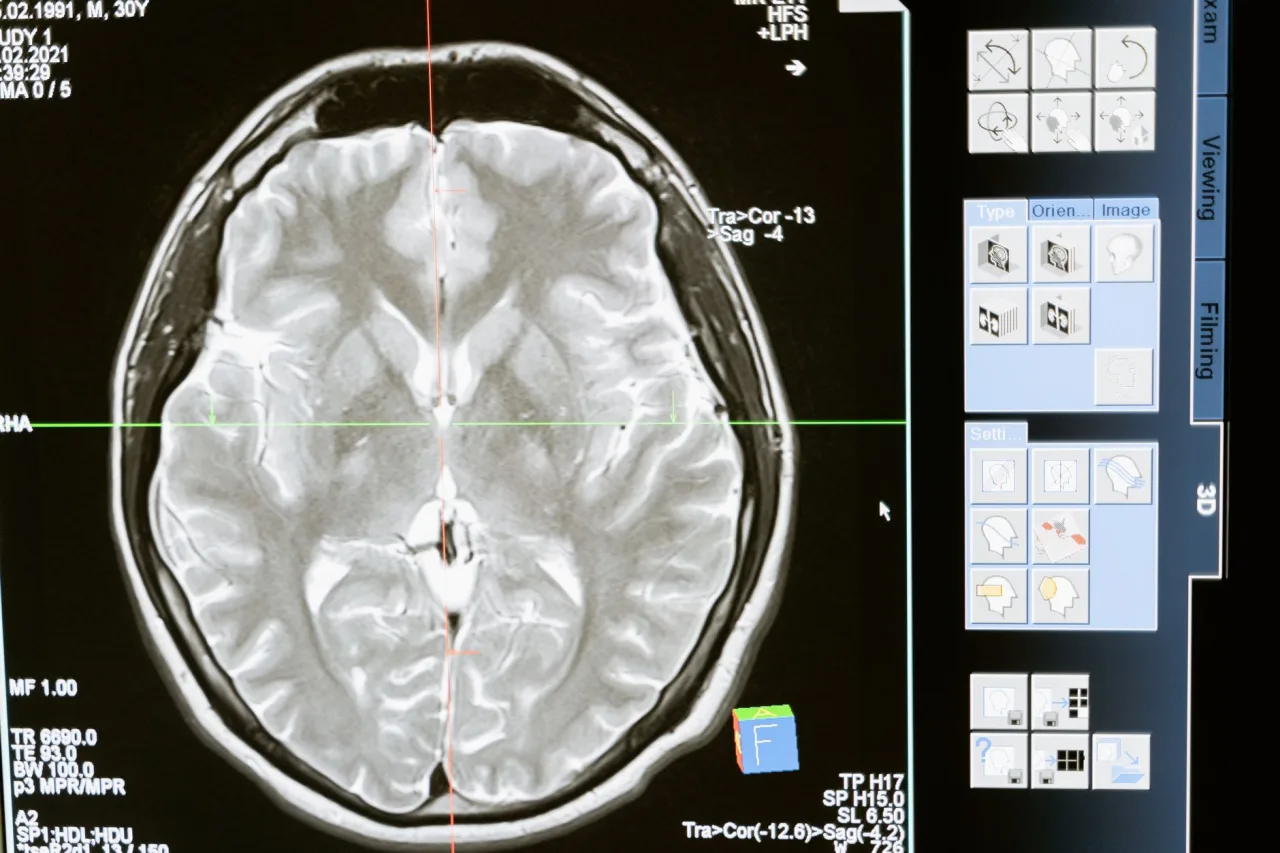
A CT scanner rotates an x-ray tube around you while detectors on the far side measure how much radiation passes through. Because different tissues absorb x-rays differently, the computer can reconstruct a precise map of bone, soft tissue, air, and fluid. MedlinePlus notes that CT uses ionizing radiation at levels higher than a standard x-ray, but the dose is kept as low as reasonably possible.
An MRI scanner works on magnetism. Your body is full of hydrogen atoms, mostly in water and fat. The magnet briefly lines those atoms up, radio waves knock them out of line, and as they settle back they release small signals that the computer turns into an image. Because tissues release those signals differently, MRI can separate one type of soft tissue from another with remarkable clarity. There is no ionizing radiation involved. Our dedicated MRI scan guide and CT scan guide go deeper into each on its own.
When a doctor chooses one over the other
No scan is best for everything. The right choice depends on the clinical question, and often on speed, radiation, and what the surrounding tissue is made of.
- CT tends to win for: emergencies and trauma, suspected bleeding, lung and chest problems, kidney stones, bone detail, and situations where speed matters. RadiologyInfo lists trauma, cancer detection, and blood clots among common uses.
- MRI tends to win for: the brain and spinal cord, joints, ligaments and tendons, and soft-tissue detail in the abdomen and pelvis. It answers questions where fine contrast between similar tissues is essential.
Often the tests are complementary rather than competing. A person might have a CT first because it is quick and widely available, then an MRI to characterise something the CT flagged. Your doctor weighs the value of the information against the burden to you, including radiation exposure over time.
Tip: If you are unsure why a particular scan was chosen, ask the doctor who ordered it what question they are trying to answer. Understanding the goal makes the whole process less stressful and helps you prepare properly.
How to prepare for each
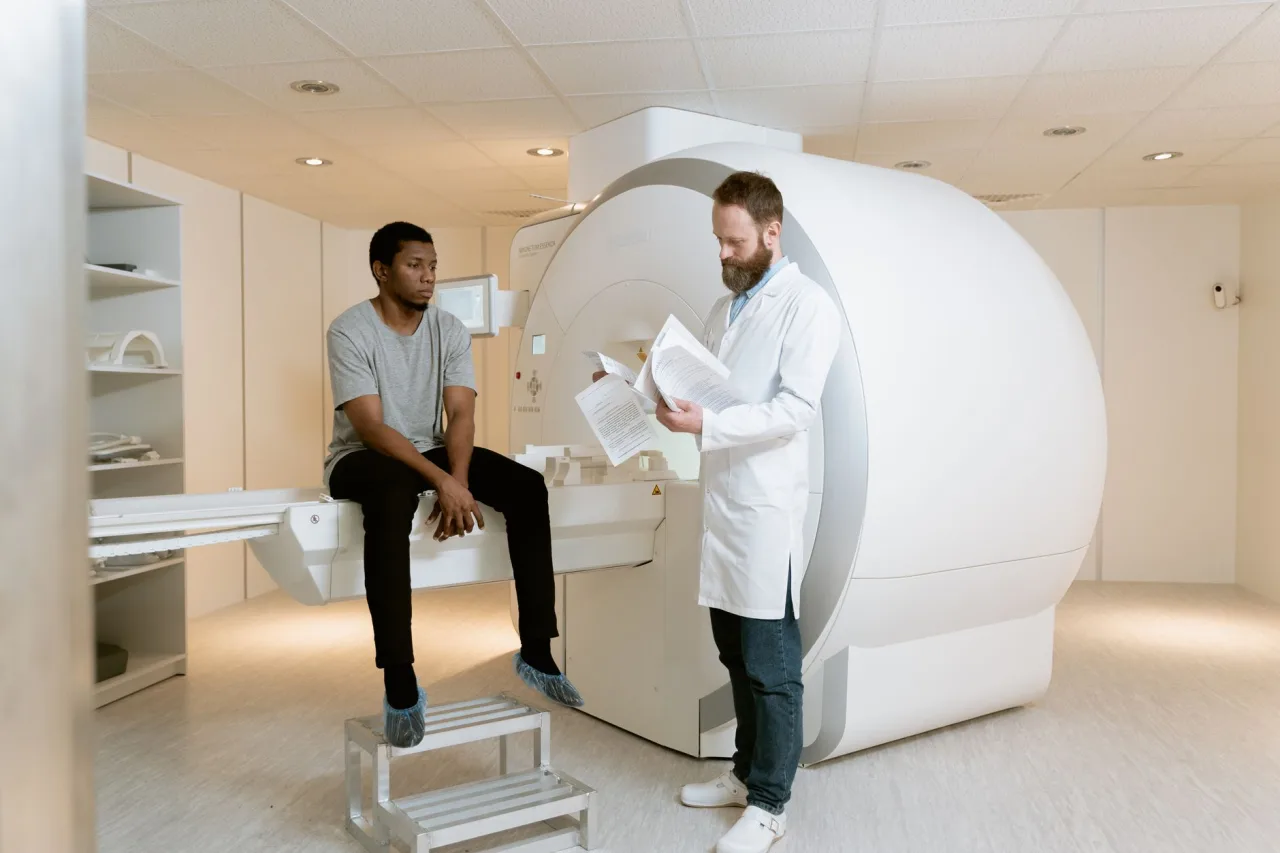
Preparation overlaps, but the safety screening differs. For both scans, tell the team if you might be pregnant, have kidney problems, or have had a reaction to contrast dye before.
- For CT: you may be asked to avoid eating for a few hours if contrast is planned. Wear comfortable clothing and remove metal objects over the area being scanned.
- For MRI: the metal screening is not optional. Tell the clinic about pacemakers, cochlear implants, aneurysm clips, artificial joints, and any metal fragments from old injuries. The NHS asks patients to avoid jewellery, hearing aids, and clothing with metal zips.
Both scans may involve a contrast agent to make certain structures stand out. CT typically uses an iodine-based contrast; MRI uses a gadolinium-based agent. These are different substances, and a past reaction to one does not automatically mean a reaction to the other, but always disclose your history.
What happens during the appointment
For a CT scan you lie on a table that slides through a wide ring, and the scan itself is quick. The NHS notes a CT usually takes between 10 and 20 minutes. You may be asked to hold your breath briefly so the images are sharp.
For an MRI you lie on a table that slides into a longer tunnel-shaped magnet. The NHS describes MRI as taking anywhere from about 15 minutes to an hour, depending on the area and the number of image sequences. The machine is loud, so you will usually be offered earplugs or headphones. In both scans, staying still is the single most helpful thing you can do, because movement blurs the pictures.
Radiation, contrast, and safety compared
This is where the two tests differ most, and where the honest trade-offs live.
- Radiation: CT uses ionizing radiation, so doctors avoid unnecessary repeats, especially in children and during pregnancy. MRI uses none, which is a genuine advantage when repeated imaging is likely.
- Metal and implants: the MRI magnet interacts with metal, so some older pacemakers, cochlear implants, and aneurysm clips can make MRI unsafe. CT has no magnet, so metal implants are generally not a barrier to the scan itself.
- Speed and access: CT is faster and often more available in emergencies, which is one reason it is used so heavily in urgent care.
Important: Never guess about an implant before an MRI. If you are unsure what device you have or when it was fitted, tell the clinic in advance so they can confirm it is MRI-safe. When it comes to metal and magnets, it is always safer to ask.
What your results mean
After either scan, a radiologist reviews the images and sends a written report to the doctor who ordered the test. The NHS notes results usually take one to two weeks, and sometimes longer, because careful interpretation takes time. The images alone are not a diagnosis. They are one piece of information your clinician combines with your symptoms, history, and other tests.
Please note: This article is general information, not medical advice, and it cannot tell you what your own scan shows. Only a qualified doctor or radiologist who has seen your images and knows your history can interpret your results. Always discuss what a scan means for you with your referring clinician.
Cost and choosing where to go
Costs for CT and MRI vary widely by country, provider, body part, whether contrast is used, and your insurance. As a general pattern, MRI is often more expensive than CT because scans take longer and the equipment is costly to run. Rather than quoting a single figure, ask the clinic for a written estimate and check coverage with your insurer before you book. Our guide to the real cost of a CT scan walks through the variables, and if you are weighing the two tests as a practical decision, see our companion piece on the MRI and CT scan pathway. To compare facilities, our directories for finding an MRI centre and finding a CT scan clinic explain what to ask.
Frequently asked questions
What is the main difference between CT and MRI?
CT uses x-rays and ionizing radiation to build its images, while MRI uses a strong magnet and radio waves with no radiation. In practice, CT is faster and excellent for bone, bleeding, and trauma, and MRI gives the finest soft-tissue detail, such as the brain, spinal cord, and joints. Your doctor chooses based on the question being asked.
Is a CT scan or MRI safer?
Both have strong safety records. MRI uses no ionizing radiation, which is an advantage when repeated imaging is needed, but its magnet can be unsafe for people with certain metal implants. CT involves a small radiation dose, which doctors keep as low as possible. Neither is universally safer; the safer choice depends on your situation and the clinical question.
Can I have both a CT and an MRI?
Yes, and it is common. The tests answer different questions, so a doctor may order a CT first because it is quick, then an MRI to look more closely at soft tissue. Each is planned around your history, so complete the screening questions carefully for both.
Why is MRI usually more expensive than CT?
MRI scans generally take longer and the scanners are costly to buy and run, which tends to make them more expensive than CT. Actual prices vary by country, provider, body part, and insurance. Ask the clinic for a written estimate and confirm coverage with your insurer before booking.
When will I get my results?
A radiologist reviews the images and sends a report to your referring doctor, which usually takes one to two weeks and can take longer. Your doctor then explains what the findings mean for you. The scan is one part of the picture, not a diagnosis on its own.
More guides on MRI, CT & X-Ray
Have a question or a topic to suggest?
We read every message. Tell us what you would like to see next.
You may also like

MRI and CT Scan: What to Expect
A practical patient guide to the MRI and CT scan pathway: understanding your referral, preparing, what happens on the day, and how the report reaches your doctor.

CT Scan: Uses, Procedure and Results
A CT scan, or CAT scan, uses x-rays and a computer to create detailed cross-sectional images of the body. Here is why doctors order one, how the procedure works, what contrast dye does, and how the radiation compares.

MRI Scan: Uses, Procedure & Results
A plain-language guide to MRI scans: what they show, why a doctor might order one, how to prepare, what happens during the scan, and how results are read.