
CT Scan: Uses, Procedure and Results
A CT scan, or CAT scan, uses x-rays and a computer to create detailed cross-sectional images of the body. Here is why doctors order one, how the procedure works, what contrast dye does, and how the radiation compares.

MRI Scan: Uses, Procedure & Results
A plain-language guide to MRI scans: what they show, why a doctor might order one, how to prepare, what happens during the scan, and how results are read.

CT Scan Cost: With & Without Insurance
A clear breakdown of CT scan costs: why prices vary, typical ranges with and without insurance, what is in the bill, and how to get a real quote.

X-Ray Tech: Uses, Procedure & Results
A clear guide to X-rays: why they are ordered, how the test works, radiation safety, who performs and reads them, and how to think about your results.

CT and MRI: Uses and Results
CT and MRI both make detailed cross-sectional images but work very differently. This guide compares how they work, when each is used, how to prepare, and what results mean.

MRI and CT Scan: What to Expect
A practical patient guide to the MRI and CT scan pathway: understanding your referral, preparing, what happens on the day, and how the report reaches your doctor.
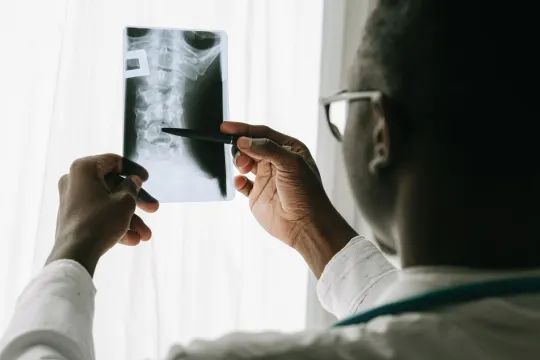
C Spine X-Ray: Uses and Procedure
A plain-language guide to the C spine (cervical spine) x-ray: why it is ordered, how the procedure works, radiation safety, and why your doctor interprets the result.
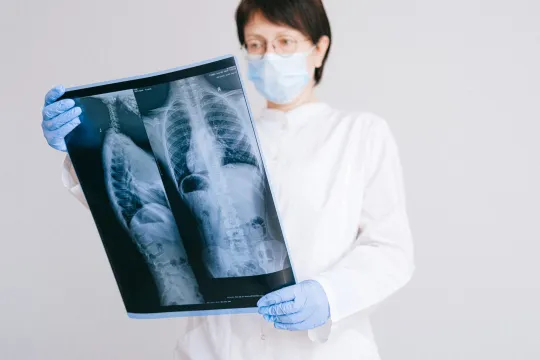
Chest X-Ray of Pneumonia
If you have a fever, a cough, and breathlessness, one of the first tests a doctor may order is a chest x-ray. It is a fast, painless way to look at the lungs and check for signs of pneumonia.
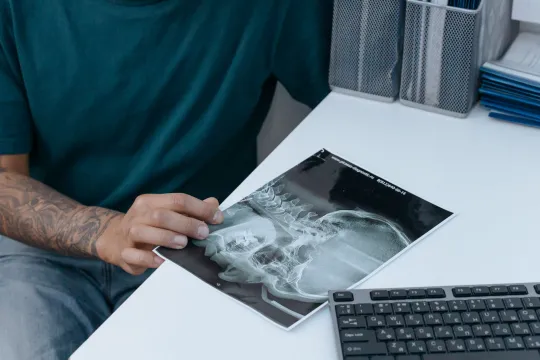
KUB X-Ray: Uses, Procedure & Results
A plain KUB X-ray of the kidneys, ureters and bladder is fast and low-cost. Learn what it looks for, how the scan works, radiation, preparation and how radiologists read the image.