MRI Centers Near Me: How to Compare
How to compare MRI centres near you on accreditation, magnet strength, reporting, cost and insurance, so you choose on quality rather than distance.
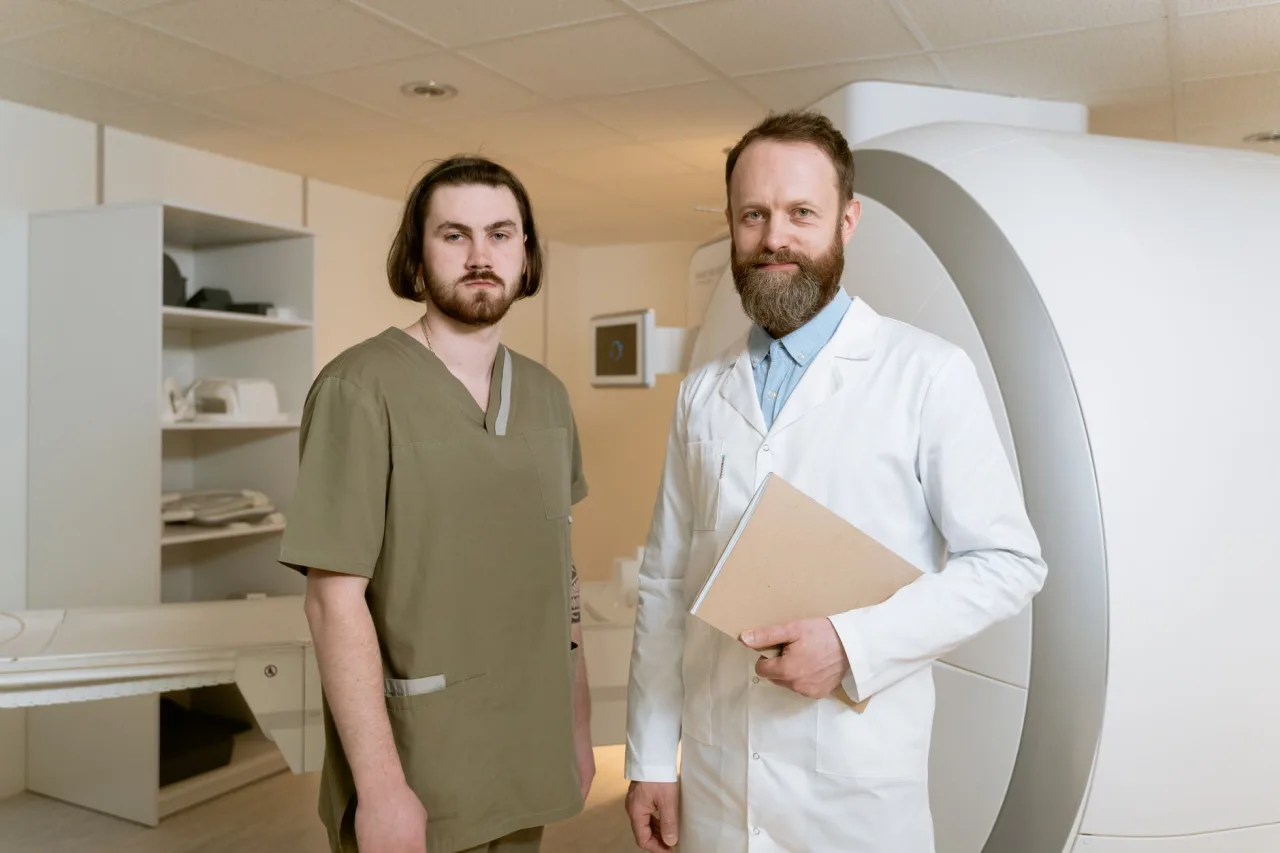
If you have a scan request in hand and you are typing "MRI centers near me," the real question is not just which centre is closest, but which one is accredited, affordable, and staffed by radiologists who will read your images well. This guide shows you how to compare MRI centres near you like an informed patient rather than picking the top map pin.
The short version
- MRI centres range from hospital radiology departments to standalone outpatient imaging centres, and the choice affects cost, wait time, and convenience.
- Accreditation, magnet strength, and who reads your scan matter more than distance.
- MRI uses a strong magnetic field and radio waves, not ionizing radiation, so it is often chosen for soft tissue, joints, brain, and spine.
- Always confirm price and any insurance pre-authorisation with the centre and your insurer before booking.
What "MRI centers near me" actually returns
A search for MRI centres near you mixes several different kinds of facility. Understanding the categories helps you weigh cost against convenience.
- Hospital radiology departments: attached to a hospital, often handling complex or urgent cases. They may cost more because of facility fees, but they are set up for sicker patients and same-day inpatient needs.
- Standalone outpatient imaging centres: dedicated scanning facilities, sometimes part of a chain. They frequently offer lower self-pay prices, easier parking, and shorter waits for routine scans.
- Multi-modality diagnostic centres: sites that also offer CT, ultrasound, and X-ray under one roof, which is handy if your doctor has ordered more than one test.
None of these is automatically better. A routine knee or spine MRI is often perfectly suited to a good outpatient centre, while a complex case may belong in a hospital setting. If you are still deciding what an MRI involves, our plain-language guide to the MRI scan, its uses and results is worth a read first.
Why MRI is worth getting right
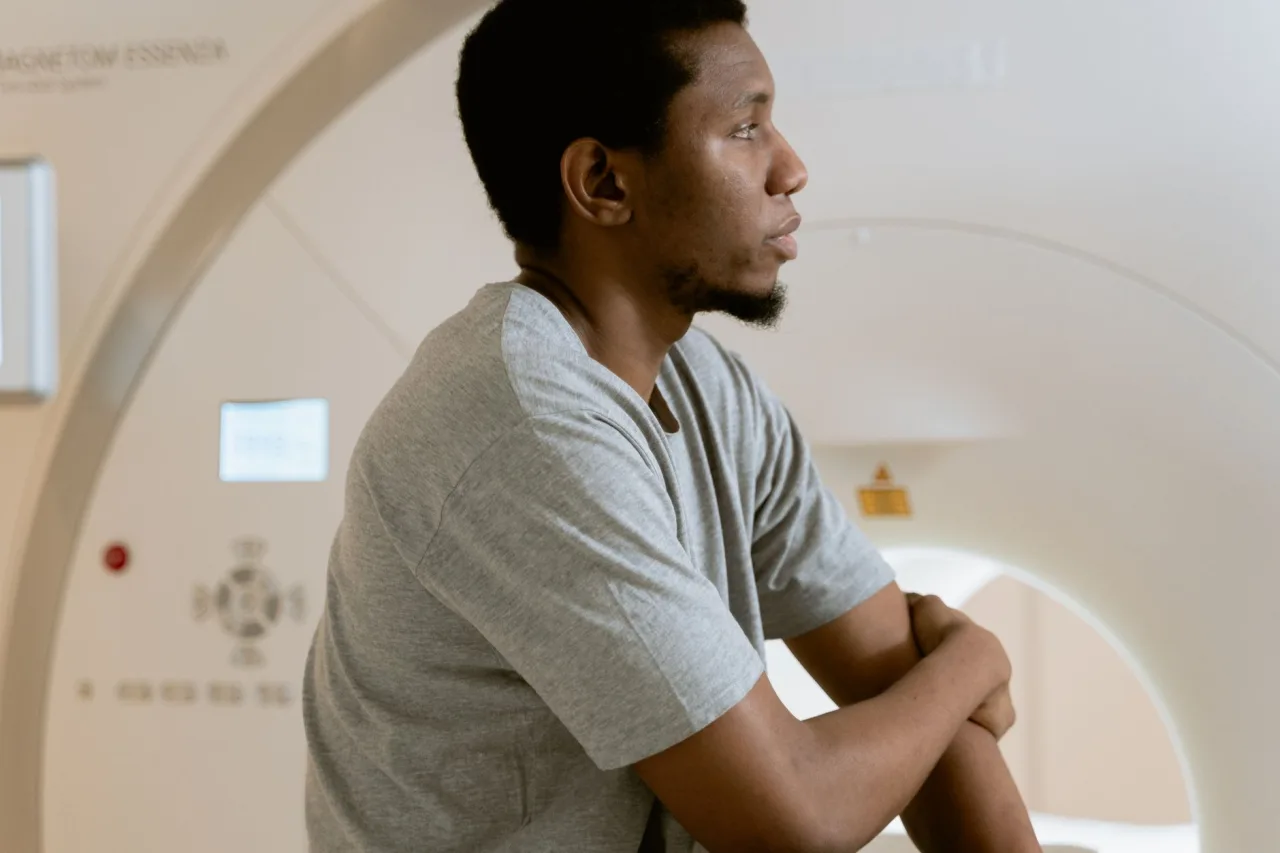
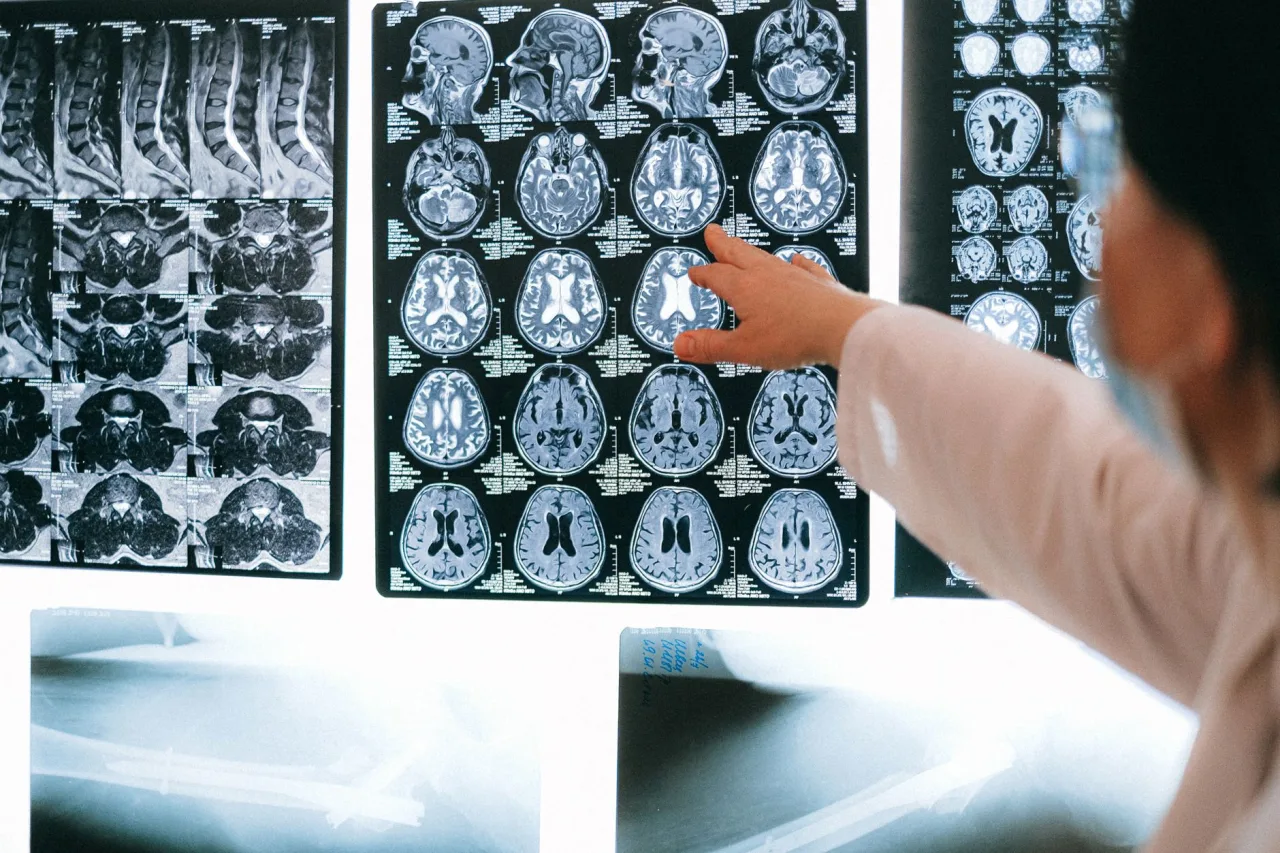
MRI is uniquely good at showing soft tissue. According to RadiologyInfo.org, it uses "a powerful magnetic field, radiofrequency pulses, and a computer to produce detailed pictures of internal body structures," and it "does not use radiation (x-rays)." That means the value of your scan depends heavily on the quality of the equipment and the skill of the person interpreting it, which is exactly why the choice of centre matters.
It also means small differences between centres add up. Two facilities on the same street can differ in the age of their scanners, whether they run a 1.5T or a 3T magnet, how much time they schedule per patient, and whether a general radiologist or a subspecialist reads your images. None of that appears on a map, and none of it is captured by the review star rating. The only way to see it is to ask, which is why a short phone call before booking is usually the most valuable few minutes you will spend on the whole process.
Accreditation: the single most useful filter
If you only check one thing, check accreditation. The American College of Radiology describes its accreditation as "the Gold Standard in medical imaging," and it can accredit MRI facilities among nine imaging specialties. Accreditation means the centre's equipment, staff qualifications, and image quality have been reviewed by qualified radiologists and medical physicists against set standards.
Tip: Many accrediting bodies publish a searchable list of accredited facilities. Ask the centre directly whether their MRI unit is accredited and by whom, and be cautious if they cannot give a clear answer.
Magnet strength and the machine
MRI magnet strength is measured in Tesla. Most modern centres run 1.5T or 3T scanners, which suit the large majority of exams. A higher field strength can capture more detail for some studies, while a lower field strength open scanner may be chosen for comfort. If you are claustrophobic, ask whether the centre has an open or wide-bore machine, a topic we cover in depth in our guide to finding an open MRI near you. The right machine is the one that answers your clinical question, so let your doctor and the radiologist steer that choice.
Who reads your scan, and how fast
An MRI is only as good as its interpretation. A qualified radiologist should review your images and produce a written report for your referring doctor. When comparing centres, ask:
- Are the scans read by radiologists, and are any read by subspecialists for the relevant body part?
- How quickly is the report delivered to my doctor, and can I get a copy?
- Will I receive my images on a disc or through an online portal?
Speed and clarity of reporting are practical differentiators that a map listing will never show. A well run imaging centre should be able to answer all of these without hesitation.
Please note: This is general educational information, not medical advice. It cannot tell you which centre or scan is right for you, or what your results mean. Always rely on your referring clinician and the reporting radiologist for those decisions.
Cost, referrals and insurance
MRI pricing varies enormously by country, body part, whether contrast is used, the type of facility, and your insurance. As a rough guide only, self-pay MRI prices commonly span from a few hundred to well over a thousand US dollars per body region, and hospital departments often sit at the higher end because of facility fees. Comparable spreads exist in other currencies and health systems.
Treat any online figure as a ballpark, never a quote. Before booking:
- Ask the centre for an all-in self-pay price, including the facility fee and radiologist reading fee, and whether contrast is extra.
- If you are insured, confirm the centre is in network and whether the scan needs prior authorisation. A missing pre-approval can leave you with the full bill.
- Check whether you need a referral from a doctor, which many centres and insurers require.
For a fuller picture of how imaging bills are built, our breakdown of the real price of a CT scan with and without insurance applies the same logic to another common scan.
A practical checklist for comparing MRI centres
Bring these questions to two or three nearby centres and compare the answers side by side.
- Is your MRI facility accredited, and by which body?
- What magnet strength are your scanners, and do you have an open or wide-bore option?
- Who interprets the scan, and how soon will my doctor get the report?
- What is the total self-pay price, and does it include contrast if I need it?
- Do you take my insurance, and does the scan need pre-authorisation?
- What is the next available appointment, and do you offer evenings or weekends?
The centre that answers these clearly and gives a firm price is usually the one to trust, even if it is a little farther away.
What to expect at your appointment
Plan to arrive early to complete a safety questionnaire. You will remove all metal items and usually change into a gown, because the magnetic field is always on, a safety point the NHS stresses when it asks patients to declare implants and metal before a scan. The scan is painless but noisy, and staying still keeps the images sharp. If your exam needs contrast dye, it is given through a small vein line, and staff will ask about kidney issues and allergies first. Afterwards the radiologist reports your images to your referring doctor, who will explain what they mean for you. Avoid drawing conclusions from the pictures yourself.
Frequently asked questions
Is a hospital MRI better than a standalone imaging centre?
Not necessarily. Hospital departments are equipped for complex and urgent cases but often cost more because of facility fees, while standalone outpatient centres frequently offer lower self-pay prices and shorter waits for routine scans. The best choice depends on your case, so ask your referring doctor whether an outpatient centre is suitable.
How do I check if an MRI centre is accredited?
Ask the centre directly whether its MRI facility is accredited and by which body, such as the American College of Radiology. Many accrediting organisations also publish searchable lists of accredited facilities online. Accreditation means the equipment, staff, and image quality have been independently reviewed against set standards.
Does an MRI use radiation?
No. MRI does not use ionizing radiation. It produces images using a strong magnetic field and radio waves, which is one reason it is favoured for soft tissue, joints, the brain, and the spine.
Do I need a referral and insurance approval for an MRI?
In many settings you need a referral from a doctor, and if you use insurance the scan may also require prior authorisation. Requirements vary by centre and country, so confirm both the referral and any pre-approval with the facility and your insurer before booking, because a missing approval can leave you with the full bill.
How long does an MRI at a centre take?
The scan itself commonly lasts from around fifteen minutes to an hour depending on the body part and whether contrast is used, and you should allow extra time for check in and the safety questionnaire. The written report from the radiologist usually follows within a few days, though timing varies by centre.
More guides on Find a Clinic (Local)
Have a question or a topic to suggest?
We read every message. Tell us what you would like to see next.
You may also like
Open MRI Near Me: How to Choose a Clinic
Searching for an open MRI near you usually means you want MRI detail without the enclosed tunnel. Here is what an open MRI is, who benefits, the real image-quality trade-off, and how to find and choose a good clinic.

Radiology Near Me: How to Choose a Clinic
Radiology near you spans X-ray, ultrasound, CT and MRI. Here is what a radiology clinic does, who the radiologist is, honest radiation facts by scan type, and how to choose an accredited practice.
Imaging Center: How to Find & Choose
An imaging center brings several scan types under one roof. Learn how to find and choose a good one, from modality accreditation to radiologist reporting and cost.