MRI and CT Scan: What to Expect
The practical patient journey from referral to report, and why your doctor may choose one scan, or both.
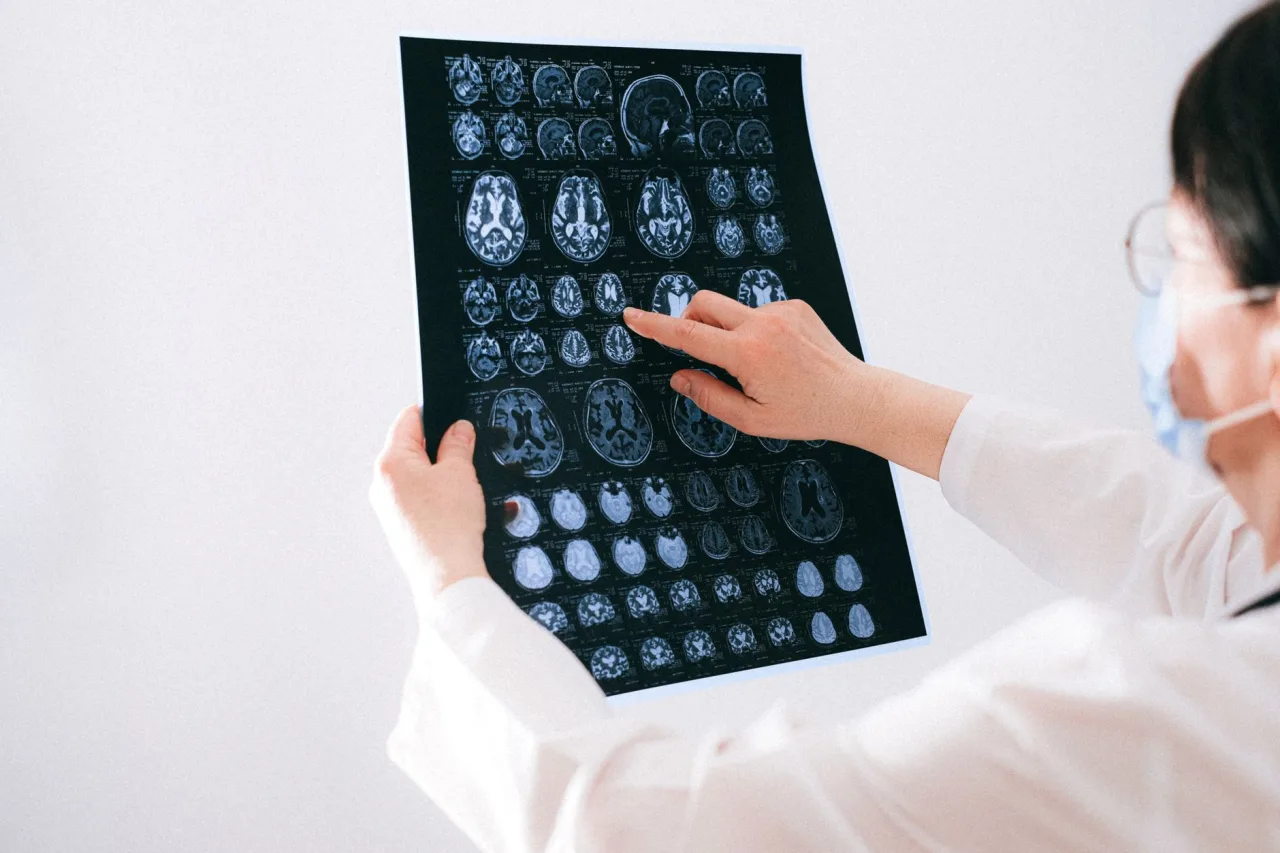
If you have been told you need an MRI or a CT scan, or perhaps both, it helps to understand the practical journey ahead: why one was chosen, how the appointments differ, and what you actually do on the day. This guide focuses on the patient pathway, from the referral to the report, so you can walk in knowing what to expect.
The short version
- MRI and CT scans are both detailed cross-sectional imaging, but MRI uses magnets and radio waves while CT uses x-rays.
- The choice is not random. Your doctor picks the test that best answers a specific question with the least burden to you.
- Preparation differs: MRI needs careful metal and implant screening; CT may need fasting before contrast.
- A radiologist interprets the images and reports to your referring doctor. Read your results with that doctor, not alone.
Understanding your referral
An MRI or CT scan almost always starts with a referral from a doctor who has a specific question in mind. They are not fishing at random; they are trying to see something they cannot assess from an examination or a simpler test. Knowing the question behind your scan is the most useful thing you can carry into the appointment.
The two tests build images in fundamentally different ways. As MedlinePlus explains, CT uses special x-ray equipment to make detailed pictures, at a radiation level higher than a standard x-ray but kept as low as possible. MRI, covered by RadiologyInfo.org, uses a magnetic field and radio waves with no ionizing radiation. For a side-by-side technical comparison, see our companion guide to how CT and MRI differ.
Why one test, or both
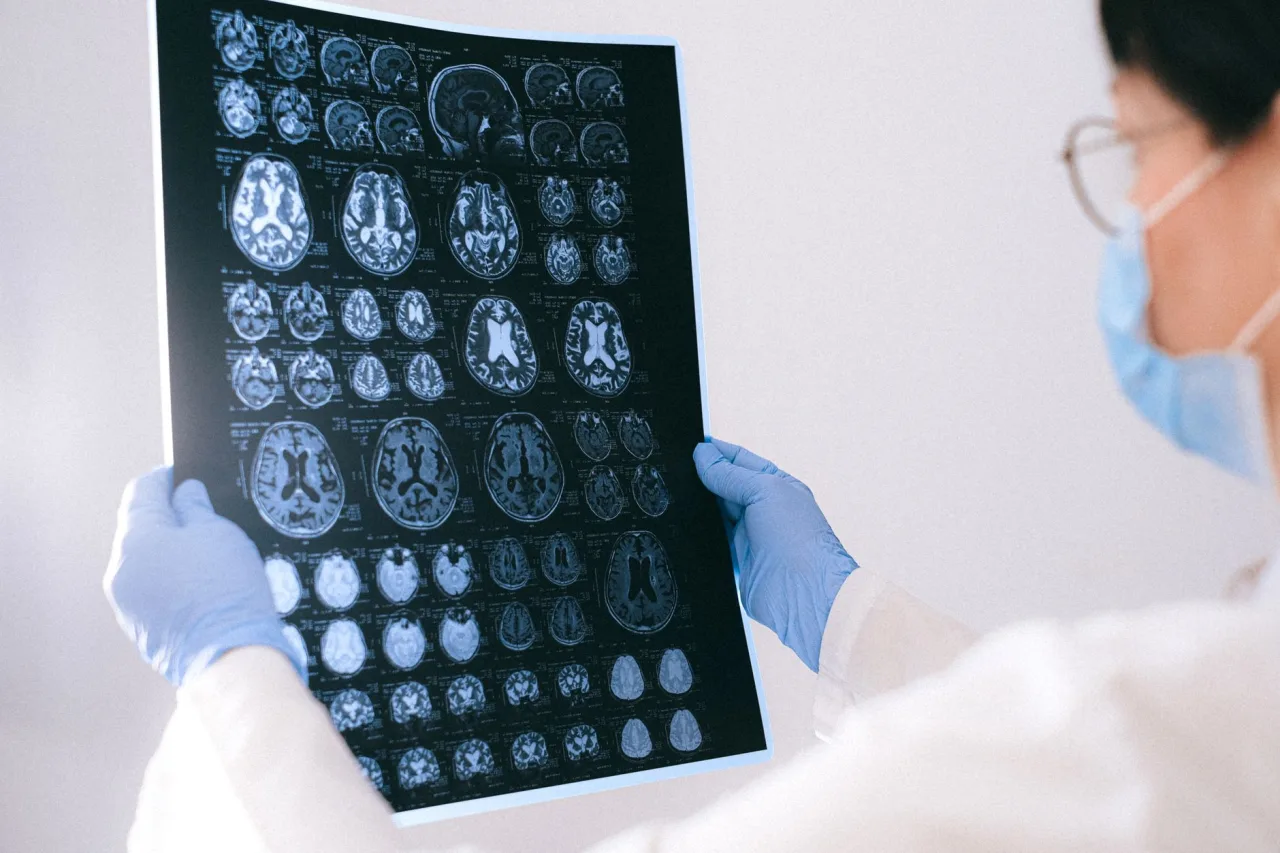
Doctors often use CT and MRI in sequence rather than as rivals. A common pattern is a fast CT to get an overview, followed by an MRI to characterise something more precisely. Each has strengths that suit different questions.
- CT is chosen when speed matters, in trauma, suspected bleeding, chest and lung problems, kidney stones, and detailed bone assessment.
- MRI is chosen when soft-tissue detail is essential: the brain and spinal cord, joints, ligaments, and certain organs.
- Both may be used when one test raises a question the other can answer better, or to plan and monitor treatment.
If you want the deeper mechanics of each on its own, our MRI scan guide and CT scan guide break down the procedures in detail.
Booking and what to ask
When you book, the clinic will run through a screening questionnaire. Answer it fully and honestly, because it shapes how the scan is done safely.
- Ask whether contrast dye will be used and whether you need to fast beforehand.
- Tell them about pregnancy, breastfeeding, kidney problems, diabetes medication, and past contrast reactions.
- For MRI, list every implant and metal device, including old surgical clips and fragments from injuries.
- Ask how long the appointment will take and whether you can bring someone with you.
Tip: Bring any previous scan discs or reports. Comparison images help the radiologist see what has changed over time, which can turn an uncertain finding into a clear one.
The day of a CT scan
A CT appointment is usually quick. You lie on a table that slides through a wide ring while the scanner rotates around you. The NHS notes a CT scan usually takes between 10 and 20 minutes. If contrast is used, it may be given as a drink, an injection, or occasionally another route, and you might feel warm, notice a metallic taste, or feel as if you need to pass urine, all of which pass quickly.
You may be asked to hold your breath for a few seconds so the pictures are not blurred. The radiographer runs the scan from an adjoining room and can see and hear you throughout.
The day of an MRI scan
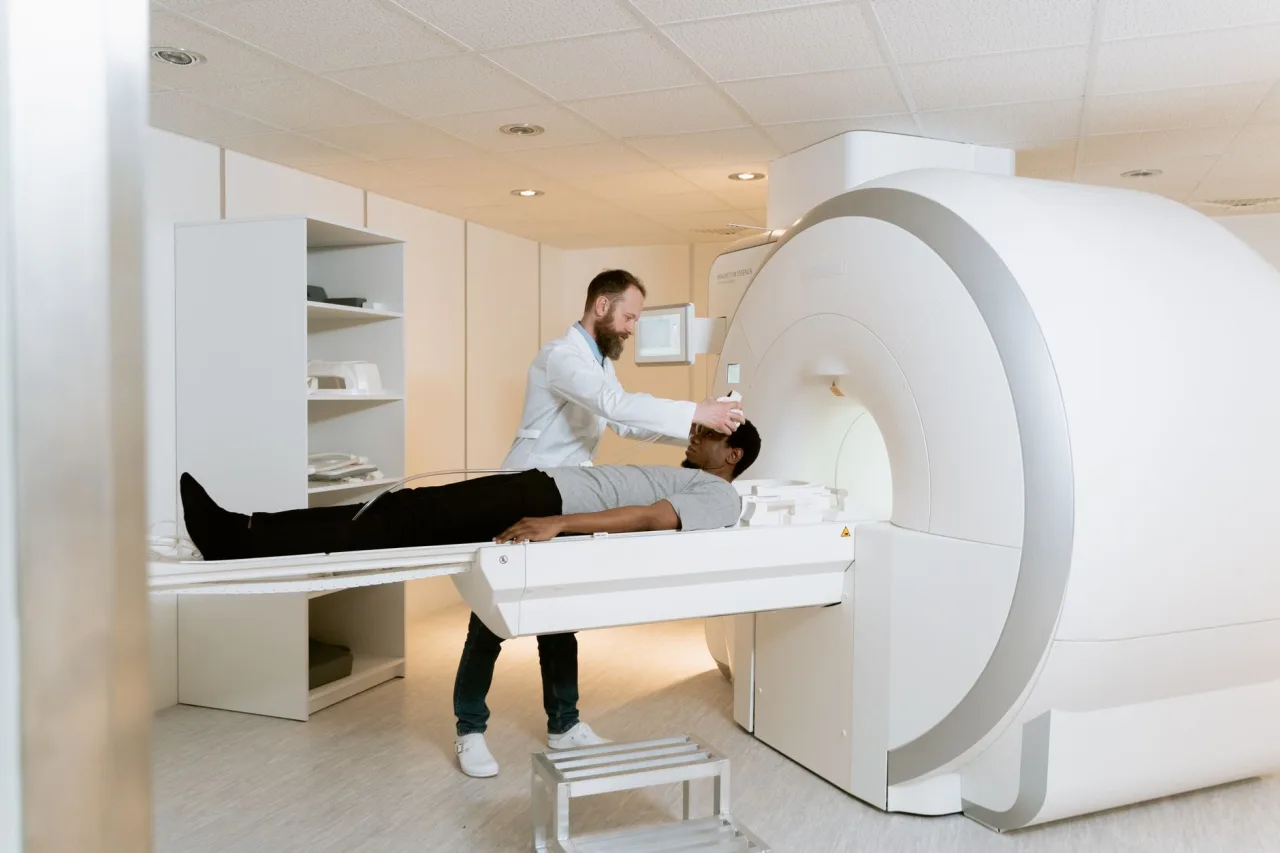
An MRI takes longer and feels different. You lie on a table that slides into a tunnel-shaped magnet, and the NHS describes the scan as usually lasting between 15 minutes and an hour. The machine is loud, making knocking and thumping sounds, so you will be offered earplugs or headphones.
Before you go in, you remove metal items and change into a gown if asked. If enclosed spaces make you anxious, say so early: options can include a more open scanner, a mild sedative arranged by your doctor, or simply reassurance and a clear view of the intercom. Staying still is the single most important thing, because movement blurs the images.
Contrast, kidneys, and safety
Both scans can use a contrast agent to make certain structures stand out, but they are different substances. CT commonly uses an iodine-based contrast, while MRI uses a gadolinium-based agent. Because the kidneys clear these agents, the team may check kidney function first, especially if you have known kidney problems.
Important: For an MRI, never assume an implant is safe. Some older pacemakers, cochlear implants, and aneurysm clips can make an MRI unsafe. If you are unsure what device you have or when it was fitted, tell the clinic before your appointment so they can confirm it is MRI-compatible.
Getting and understanding your report
After either scan, a radiologist studies the images and writes a report for the doctor who ordered the test. The NHS notes this usually takes one to two weeks, sometimes longer, because interpretation is careful work. The report describes what the images show; it does not replace the conversation with your own doctor, who reads it alongside your symptoms, history, and other results.
Please note: This article is general information, not medical advice, and it cannot tell you what your own scan shows. Only a qualified doctor or radiologist who has seen your images and knows your history can interpret your results. Always discuss what a scan means for you with your referring clinician.
Special situations worth flagging
Some circumstances change how an MRI or CT scan is planned, and raising them early helps the team keep you safe and comfortable.
- Pregnancy: tell the clinic if you are or might be pregnant. CT uses radiation, so it is used in pregnancy only when the benefit clearly outweighs the risk, and MRI is often preferred when cross-sectional imaging is needed.
- Children: paediatric scans are tailored to use the lowest reasonable radiation for CT, and play or distraction may be used to help a child stay still.
- Claustrophobia: the MRI tunnel can feel enclosed. Mention anxiety in advance so options such as a more open scanner or a mild sedative arranged by your doctor can be discussed.
- Kidney problems or diabetes medication: these affect how contrast is given, so disclose them when you book.
- Weight and size limits: scanners have table weight and bore-size limits, so it is worth checking with the clinic if this may be relevant.
None of these should stop you having the scan your doctor recommends. They simply help the team adapt the appointment to you. If a scan of a specific region is planned, our detailed magnetic resonance image guide covers organ-specific MRI from another angle.
Costs and choosing a clinic
Prices for MRI and CT vary widely by country, provider, the body part, whether contrast is used, and your insurance. MRI is often more expensive than CT because scans take longer. Rather than trusting a single quoted figure, ask each clinic for a written estimate and confirm coverage with your insurer before booking. Our guide to the real cost of a CT scan explains the variables. When comparing where to go, our directories for finding an MRI centre and finding a CT scan clinic cover the questions worth asking about accreditation, waiting times, and reports.
Frequently asked questions
How do I know whether I need an MRI or a CT scan?
Your doctor decides based on the question they need answered. CT is often chosen for speed, trauma, bleeding, lungs, and bone, while MRI is chosen for detailed soft-tissue views such as the brain, spine, and joints. If you are unsure why a particular scan was ordered, ask the referring doctor what they are looking for.
Can I eat before my scan?
It depends on the scan and whether contrast is planned. Some CT and MRI appointments ask you to avoid food for a few hours, while others have no restrictions. The clinic will tell you when you book. If you are unsure, call and ask rather than guessing.
Which takes longer, an MRI or a CT scan?
MRI usually takes longer. A CT scan often takes about 10 to 20 minutes, while an MRI can take from 15 minutes to an hour depending on the body part and number of sequences. Your clinic can estimate the time for your specific exam.
Do both scans use contrast dye?
They can, but the agents are different. CT commonly uses an iodine-based contrast, and MRI uses a gadolinium-based agent. Not everyone needs contrast. Tell the team about kidney problems, allergies, and previous reactions, since the kidneys clear these agents.
When will I get my results and who explains them?
A radiologist reviews the images and sends a report to your referring doctor, usually within one to two weeks. That doctor then explains what the findings mean for you. The scan is one piece of information, not a diagnosis on its own, so read your results together with your clinician.
More guides on MRI, CT & X-Ray
Have a question or a topic to suggest?
We read every message. Tell us what you would like to see next.
You may also like
CT and MRI: Uses and Results
CT and MRI both make detailed cross-sectional images but work very differently. This guide compares how they work, when each is used, how to prepare, and what results mean.
MRI Scan: Uses, Procedure & Results
A plain-language guide to MRI scans: what they show, why a doctor might order one, how to prepare, what happens during the scan, and how results are read.

CT Scan: Uses, Procedure and Results
A CT scan, or CAT scan, uses x-rays and a computer to create detailed cross-sectional images of the body. Here is why doctors order one, how the procedure works, what contrast dye does, and how the radiation compares.