12 Week Ultrasound: Uses & Results
The dating scan explained: timing, preparation, what it checks, screening options and safety.
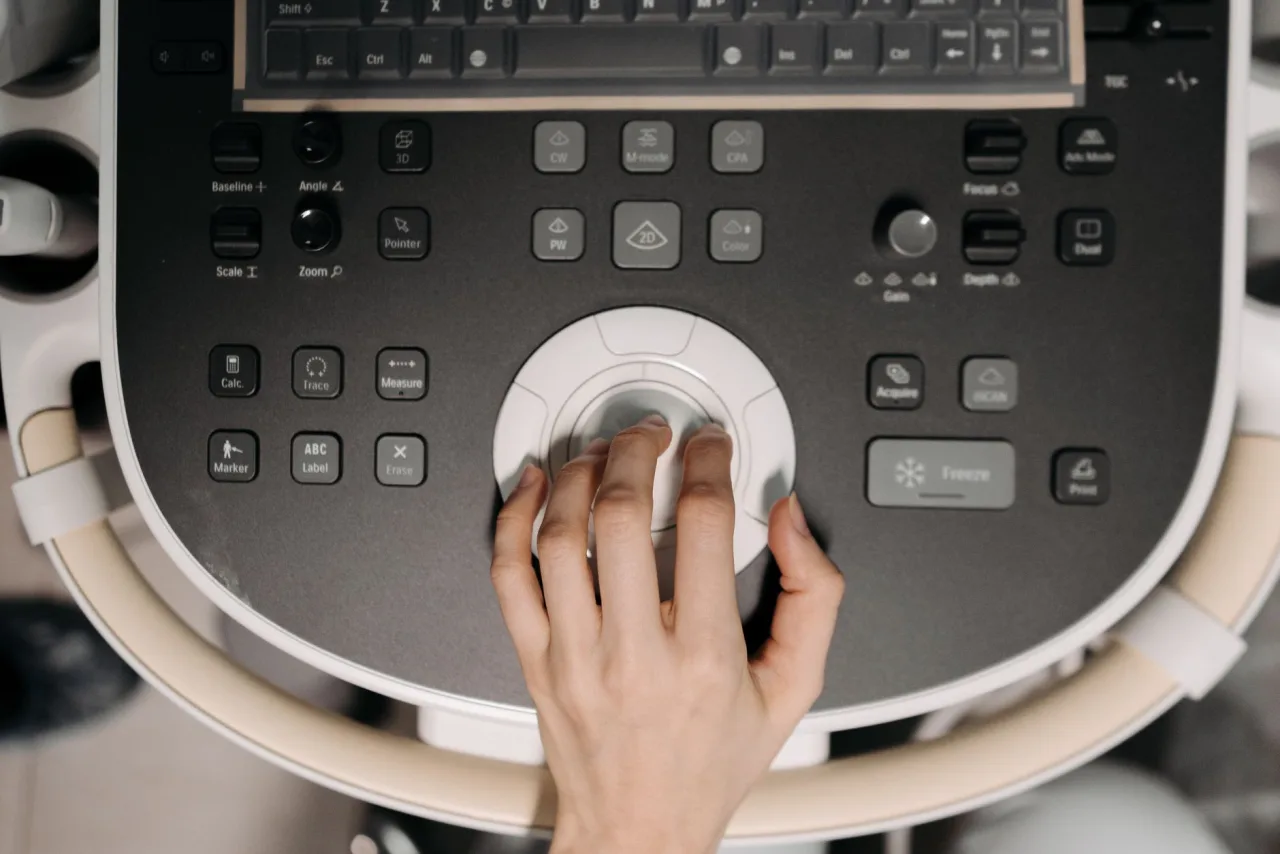
The 12 week ultrasound, often called the dating scan, is for many parents the first proper look at their baby. It confirms how far along the pregnancy is, checks how many babies there are, and, if you choose, forms part of early screening. This guide explains why the scan is offered, how a 12 week sonogram is done, and how to think about the results, with the clear reminder that your own midwife or doctor is the person who can interpret them for you.
The short version
- The dating scan is usually offered between about 10 and 14 weeks of pregnancy.
- It estimates your due date, checks the number of babies, and looks at early development.
- It is commonly done through the abdomen, sometimes with a full bladder, and takes around 20 minutes.
- Combined screening for some conditions may be offered at the same time, and it is your choice whether to take part.
What a 12 week ultrasound is
A 12 week ultrasound is an obstetric scan performed near the end of the first trimester. Its main job is dating: measuring the baby to work out how many weeks pregnant you are and to estimate a due date. According to the NHS, this scan is offered at around 10 to 14 weeks and usually takes about 20 minutes. It is one of two routine scans most pregnancies include, the other being the detailed scan later in the second trimester.
If you want the wider picture of how scans fit across a whole pregnancy, our week-by-week guide to what to expect from pregnancy sonograms puts the 12 week scan in context.
Why the 12 week scan is offered
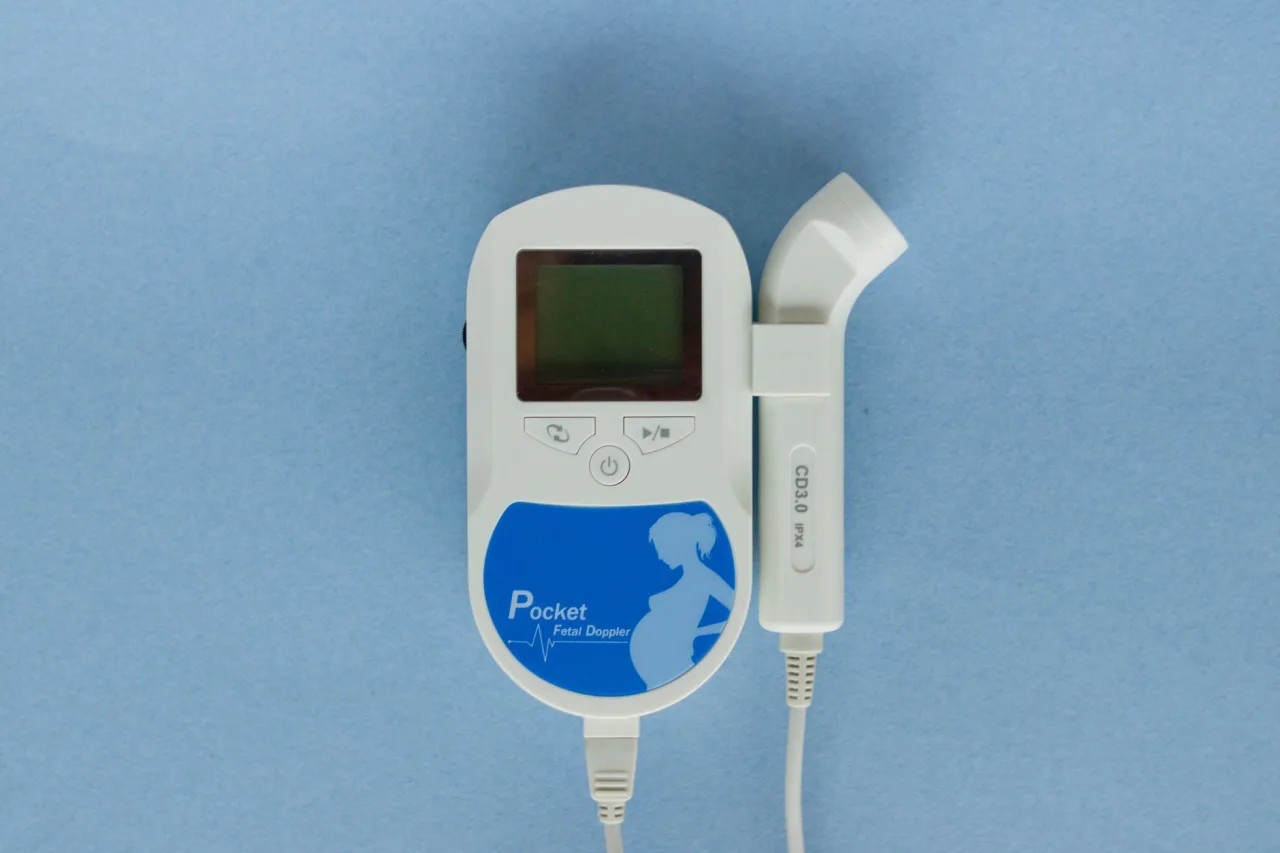
The dating scan does several useful things at once. The NHS explains that it can:
- Estimate your due date by measuring the baby, which is more accurate than dating from your last period alone.
- Check how many babies you are carrying, including whether twins share a placenta.
- Confirm the pregnancy is developing in the right place and look at early development.
- Support screening for certain conditions if you choose to take part.
Because accurate dating shapes the rest of your antenatal care, this scan is genuinely helpful even for parents who are not interested in screening. Getting the due date right also affects later decisions, from when other scans are booked to how the pregnancy is monitored as it progresses, which is why dating early is more reliable than relying on your last period alone.
How a 12 week sonogram is done
Most 12 week scans are transabdominal, meaning the sonographer moves a probe across your lower tummy after applying gel. The NHS notes you may be asked to have a full bladder for this scan, because it can make the ultrasound image clearer, so it is worth checking the instructions on your appointment letter. The exam is painless and there are no known side effects.
Occasionally, if the baby is lying in an awkward position or the view is unclear, a sonographer may suggest a transvaginal scan, which uses a slim internal probe for a closer look. Our explainer on the transvaginal ultrasound describes what that involves. If you are new to ultrasound in general, our overview of how ultrasound works is a helpful primer.
How to prepare for the 12 week scan

Preparation for a dating scan is usually simple, but a little planning makes the appointment smoother:
- Check the bladder instructions: the NHS notes you may be asked to have a full bladder, so read your appointment letter and, if in doubt, drink water beforehand and ask the clinic.
- Wear loose two-piece clothing: only your lower tummy needs to be exposed, so a separate top and bottoms are easier than a dress.
- Bring your documents: your maternity notes or hand-held record, and any referral or ID the clinic asks for.
- Think about who comes with you: many clinics welcome a partner or supporter, though policies vary, so check in advance.
- Decide about screening beforehand: if combined screening is offered, it helps to have thought through whether you want it before you arrive.
Allowing extra time for parking and paperwork takes the stress out of an appointment that should be a positive milestone rather than a rush.
What you might see at 12 weeks
By around 12 weeks the baby has developed a recognisable shape, and many parents can make out the head, body and limbs, sometimes with movement. What is visible varies from scan to scan depending on the baby's position and other factors, so try not to compare your images too closely with someone else's. The sonographer's focus is on measurements and development, not on producing a keepsake picture, though many clinics will still offer you a printout.
It is also worth knowing that the sonographer may go quiet at times while they concentrate on taking careful measurements. This is a normal part of the job and not a signal that something is wrong. If the baby is lying in a position that makes measuring difficult, you might be asked to move around, empty your bladder, or come back a little later, all of which are routine. The 12 week scan is not primarily a detailed anomaly scan; that closer look at the baby's anatomy usually happens at the mid-pregnancy scan later on, so a reassuring dating scan is a good milestone but not the full picture on its own.
Tip
If you are hoping for clear 3D or 4D keepsake images, those are usually offered later in pregnancy at private studios rather than at a routine 12 week dating scan. Our guides to 3D ultrasound and 4D ultrasound explain the difference.
Screening at the 12 week scan
If you consent, and the timing is right, the 12 week scan can be combined with screening for certain conditions. The NHS describes a combined test that, between about 10 and 14 weeks, pairs a blood test with a measurement of the fluid at the back of the baby's neck, known as the nuchal translucency. Screening for other conditions may also be offered. It is important to understand that screening estimates the chance of a condition; it is not a diagnosis, and taking part is entirely your choice. Your midwife or doctor can talk through what the different options mean before you decide.
Is a 12 week ultrasound safe?
Ultrasound uses sound waves rather than radiation, which is a key reason it is used in pregnancy. The NHS states there are no known risks to the baby or the mother from having an ultrasound scan, and the scans are described as painless with no known side effects. RadiologyInfo.org similarly notes that ultrasound has been used in pregnancy for decades with no evidence of harm to the patient, embryo or fetus when used appropriately by trained professionals.
What the results mean
At the end of the scan the sonographer can usually share your dating and the number of babies straight away. If screening was part of the appointment, results that involve a laboratory step may follow later. Whatever the findings, they need to be read alongside your history and any further tests, which is why interpretation belongs to your maternity team rather than to an image on a screen.
A note on medical advice
This article is general educational information, not medical advice, and it cannot tell you what your own scan or screening result means. For anything specific to your pregnancy, speak with your midwife, sonographer or doctor.
Curious about earlier scans? Our companion guides to the 8 week ultrasound and the 6 week ultrasound explain what those earlier appointments look for.
Frequently asked questions
When is the 12 week scan done?
The dating scan is usually offered between about 10 and 14 weeks of pregnancy. The NHS offers it at around 10 to 14 weeks, and the appointment typically takes about 20 minutes.
Do I need a full bladder for the 12 week ultrasound?
You may be asked to, because a full bladder can make the ultrasound image clearer. Check the instructions on your appointment letter, and if you are unsure, ask the clinic beforehand what they would like you to do.
Can I find out the baby's sex at 12 weeks?
The 12 week scan is a dating and screening scan, not a sex-determination scan, and the sex is often not reliably visible this early. Many parents are told the sex later, commonly at the detailed scan in the second trimester, and clinic policies on sharing this vary.
Is the nuchal translucency measurement a diagnosis?
No. The nuchal translucency measurement is part of combined screening, which estimates the chance of certain conditions rather than diagnosing them. Taking part is your choice, and your midwife or doctor can explain what any result means and what further tests are available.
Is the 12 week scan safe for my baby?
Yes. Ultrasound uses sound waves rather than radiation, and the NHS states there are no known risks to the baby or the mother from having an ultrasound scan. It has been used in pregnancy for decades with no evidence of harm when performed appropriately by trained professionals.
More guides on Ultrasound & Radiology (General)
Have a question or a topic to suggest?
We read every message. Tell us what you would like to see next.
You may also like
8 Week Ultrasound: Uses & Results
A guide to the 8 week ultrasound: why early scans are done, why they are often transvaginal, what you might see, safety, and what the results mean for you.

6 Week Ultrasound: What to Expect
A 6 week pregnancy ultrasound checks location, number, and an early heartbeat. Learn what can be seen this early, how the scan is done, and why repeat scans are normal.

Pregnancy Sonogram: Week by Week
A reassuring, week by week look at pregnancy ultrasound scans, including what the dating and anomaly scans check, how to prepare and how results are shared.