Cect Scan
CECT stands for contrast-enhanced computed tomography, a CT scan performed with a contrast dye to make organs
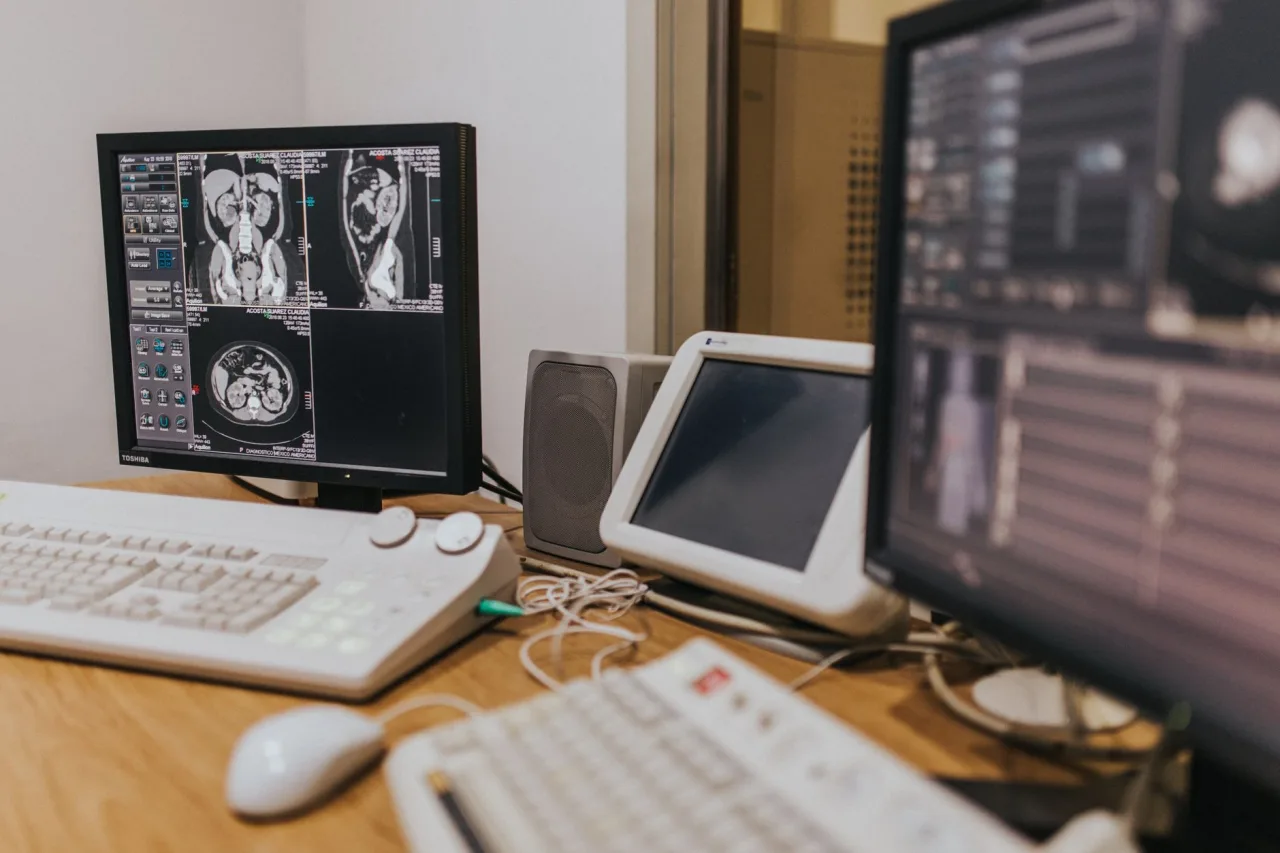
CECT stands for contrast-enhanced computed tomography, a CT scan performed with a contrast dye to make organs, blood vessels and abnormal areas stand out more clearly. It is one of the most useful tools in modern imaging for looking at soft tissue, cancers, infection, injury and blood flow. This guide explains what a CECT scan is, why it is ordered, how the contrast works, and what the results can and cannot tell you.
The short version
- CECT is a CT scan done with iodine-based contrast material, usually injected into a vein, to highlight soft tissues and blood vessels.
- Contrast makes many findings clearer than a plain CT, which helps detect and characterize cancers, vascular disease, trauma and infection.
- The scan uses ionizing radiation, and no radiation stays in your body afterward; serious allergic reactions to iodine contrast are extremely rare.
- A radiologist interprets the images and reports to your doctor, who explains what the findings mean for you.
What a CECT scan is
A CT scan uses sophisticated X-ray technology to create detailed cross-sectional images of the body, which can be reformatted in multiple planes and even rebuilt into three-dimensional pictures. In a contrast-enhanced study, a contrast agent is added so that structures which normally look similar in density become distinct. That is the difference captured by the term CECT: it is CT plus contrast.
The plain version of this test, without dye, is often called a non-contrast or plain CT. If you want the broader picture of how the technology works before diving into contrast, our overview of how a CT scan works is a good starting point.
How the contrast works
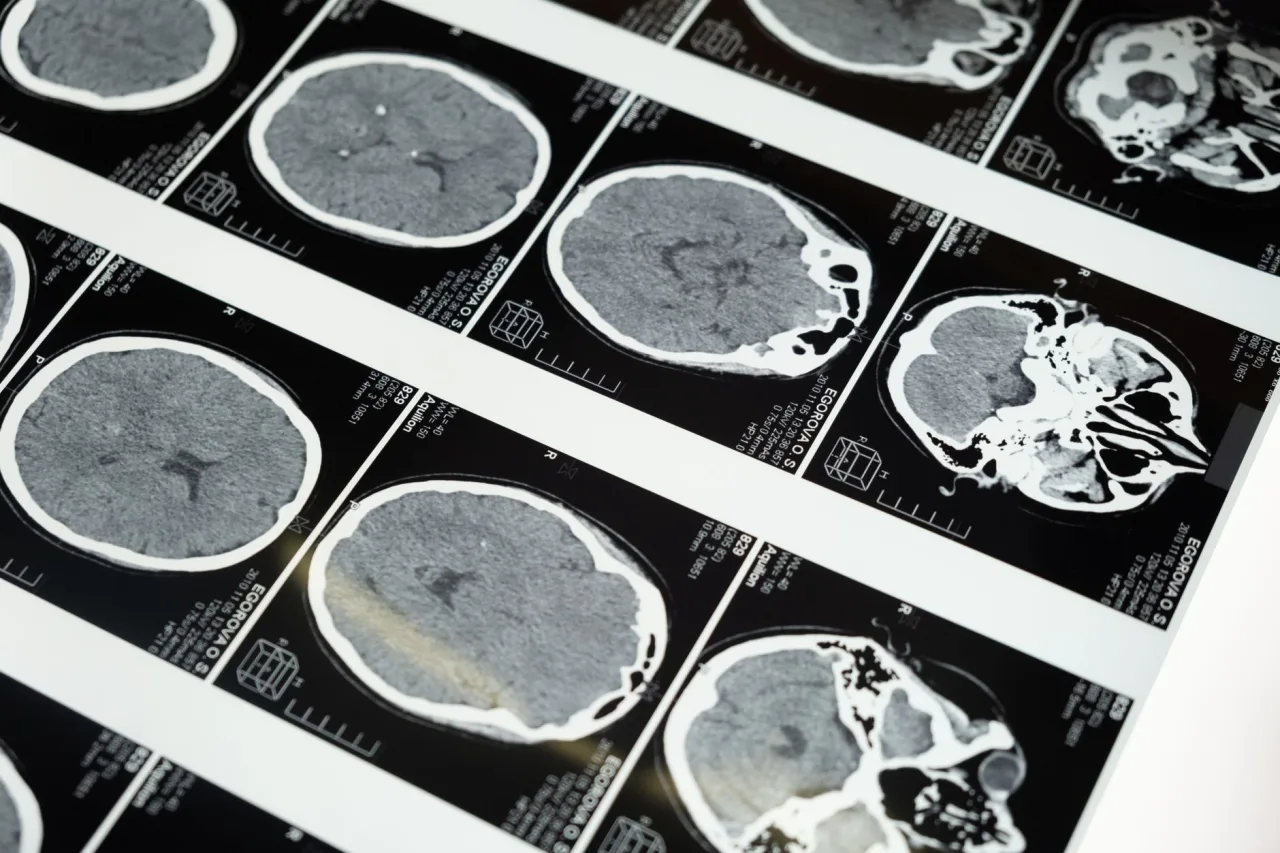
The contrast used in most CECT scans contains iodine, which blocks X-rays and therefore appears bright on the images. When it is injected into a vein, it travels through the bloodstream and briefly lights up blood vessels and well-perfused organs. Because tumors, inflammation and injured tissue often take up contrast differently from normal tissue, the dye helps the radiologist tell them apart.
Depending on what the doctor needs to see, the scan may be timed to capture different phases as the contrast moves through arteries, then organs, then the excretory system. Some abdominal studies also use oral contrast that you drink beforehand to outline the digestive tract.
What the dye feels like
When intravenous contrast is injected, many people notice a warm, flushing sensation and sometimes a metallic taste or a feeling that they need to urinate. These sensations are normal, usually last less than a minute, and are not the same as an allergic reaction. Tell the team right away if you feel itching, hives, swelling or difficulty breathing.
Why doctors order a CECT scan
Contrast-enhanced CT is ordered when the extra clarity of the dye adds real value. Common reasons include:
- Detecting and characterizing tumors and checking whether cancer has spread.
- Evaluating blood vessels for blockages, aneurysms or bleeding.
- Investigating abdominal or pelvic pain, infection or abscess.
- Assessing injury after major trauma, when solid organs and vessels must be checked quickly.
- Looking at the liver, pancreas, kidneys and bowel in detail.
For abdominal and pelvic questions specifically, a clinician may order a dedicated CT of the abdomen and pelvis, often with contrast, to survey several organs in one study.
How to prepare
Preparation for a CECT scan is more involved than for a plain X-ray because of the contrast. Typical instructions include:
- You may be told not to eat or drink for a few hours beforehand, especially for abdominal studies.
- The team will check your kidney function, since the kidneys clear iodine contrast; a recent blood test may be requested.
- Tell your care team about any previous contrast reaction, asthma, or kidney disease, and about medications such as certain diabetes drugs.
- Mention any possibility of pregnancy so the team can weigh alternatives.
- Wear loose clothing and leave jewelry at home, as you may need to change into a gown.
What to expect during the scan
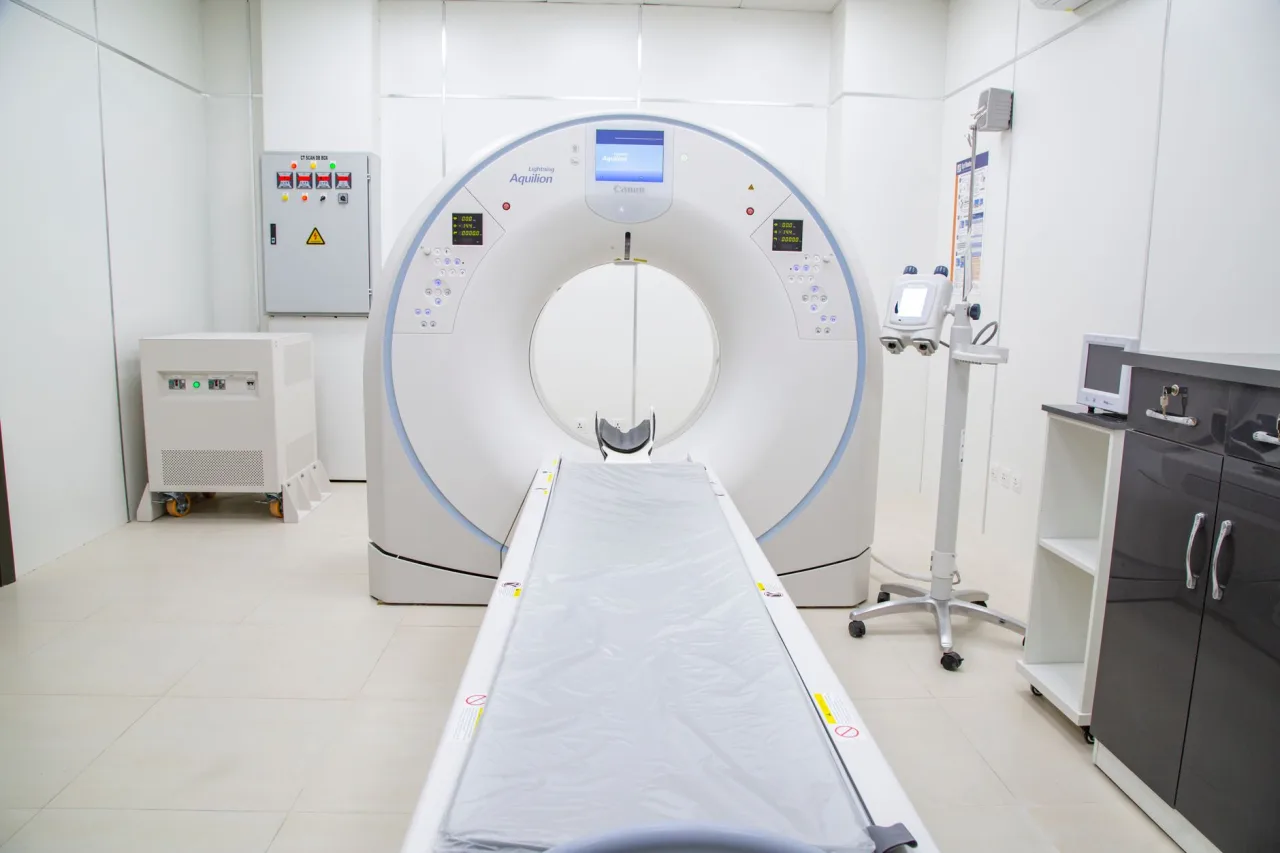
You will lie on a table that slides through the ring-shaped CT scanner. If you are having intravenous contrast, a technologist places a small cannula in a vein, usually in your arm, and the dye is injected, often by an automated pump, at the right moment during the scan. You may be asked to hold your breath for a few seconds so the images are sharp. The scanning itself is fast, often only a few minutes, though the whole appointment takes longer with preparation and monitoring.
Afterward, you can usually resume normal activity. Drinking extra fluids helps your body clear the contrast. If you received a cannula, the small puncture site may be tender for a short time.
Radiation, contrast and safety
A CECT scan involves ionizing radiation, and as with any CT the team balances image quality against dose. No radiation remains in your body after the exam. Pregnant patients and children are more sensitive to radiation, so those situations call for extra discussion with your doctor about whether the scan is the best choice or whether an alternative such as an MRI scan or ultrasound might answer the question without radiation.
On the contrast side, the risk of a serious allergic reaction to iodine-based contrast is extremely rare, and imaging centers are equipped to manage reactions if they occur. People with reduced kidney function need extra care because the kidneys process the dye. This is why the pre-scan questions about allergies, asthma and kidney health matter.
General information, not medical advice
This article is educational only and does not diagnose any condition. It cannot tell you what your CECT results mean for you. Please discuss your symptoms, your images and your report with your referring doctor, a radiologist or another qualified healthcare provider.
Understanding your results
A radiologist reviews the enhanced images and describes findings such as the size and appearance of organs, how tissues take up contrast, and anything that looks abnormal. Contrast patterns can be suggestive, but they are rarely conclusive on their own. The same appearance can have different meanings depending on your history, symptoms and other tests.
Your referring doctor puts the report together with the full clinical picture and explains the next steps, which might be reassurance, more testing, or treatment. If cost is on your mind, our guide to the real price of a CT scan with and without insurance explains the ranges and why they vary so much, and our overview of radiology and how reports are read covers what the specialists actually do.
Frequently asked questions
What is the difference between a CT scan and a CECT scan?
A plain CT scan is done without dye, while a CECT scan adds iodine-based contrast material, usually injected into a vein, to make organs and blood vessels stand out more clearly. Your doctor decides which one you need based on what they are trying to see.
Is the contrast in a CECT scan safe?
For most people, yes. The risk of a serious allergic reaction to iodine-based contrast is extremely rare, and imaging centers are prepared to manage reactions. People with kidney problems, asthma or a previous contrast reaction need extra care, so tell your team about these before the scan.
Does a CECT scan involve radiation?
Yes. Like all CT scans, a CECT uses ionizing radiation, though no radiation stays in your body after the exam. Because children and pregnant patients are more sensitive to radiation, discuss the benefits and alternatives with your doctor if either applies to you.
Why do I feel warm when the contrast is injected?
A warm, flushing sensation, a metallic taste, or a brief feeling that you need to urinate are common and normal reactions to intravenous contrast. They usually pass within a minute. Itching, hives, swelling or trouble breathing are different, so report those to the team immediately.
Who explains my CECT results?
A radiologist interprets the images and writes a report, which goes to the doctor who ordered the scan. That clinician discusses the findings with you in the context of your overall health. This article cannot interpret your results for you.
More guides on MRI, CT & X-Ray
Have a question or a topic to suggest?
We read every message. Tell us what you would like to see next.
You may also like
Fluoroscopy
Fluoroscopy is a form of medical imaging that turns X-rays into a live, moving picture of the inside of your body. Instead of a single still photo, your care team watches organs, joints
Hip X-Ray
A hip X-ray is a quick, low-dose imaging test that shows the bones of the hip joint and upper thigh. Doctors use it to look for fractures, arthritis
Low Dose CT Scan for Lung Cancer
A low-dose CT scan for lung cancer, often shortened to LDCT, is a specialized chest scan used to screen people at high risk for lung cancer before symptoms appear.