
MRI Imaging: Uses, Procedure & Results
MRI imaging sees inside the body in fine detail without X-ray radiation. Learn how it works, what it is used for, the metal safety rules that matter, and how results are interpreted.
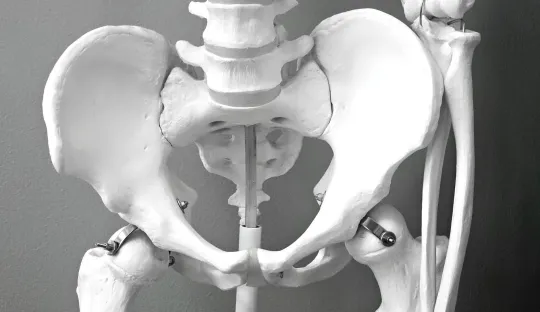
MRI of Pelvis: Uses, Procedure & Results
A pelvic MRI gives a detailed, radiation-free view of the bladder, reproductive organs, rectum and hip bones. Learn what it shows, how to prepare, contrast, and how results are interpreted.

MRI Prices 2026: With & Without Insurance
What an MRI really costs in 2026, with and without insurance. Understand the price ranges, what drives the cost, contrast fees, and practical ways to lower the bill.
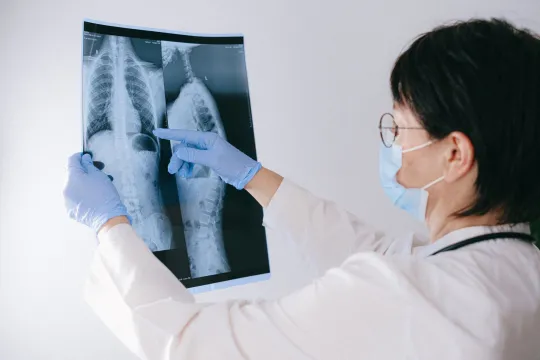
MRI Tech
When people search for "MRI tech," they usually mean one of two things: the technology that makes a magnetic resonance imaging scan possible, or the technologist who runs the machine.

MRI Testing
MRI testing can feel mysterious the first time: a referral appears, an appointment gets booked, and you are told to lie still inside a loud tunnel.
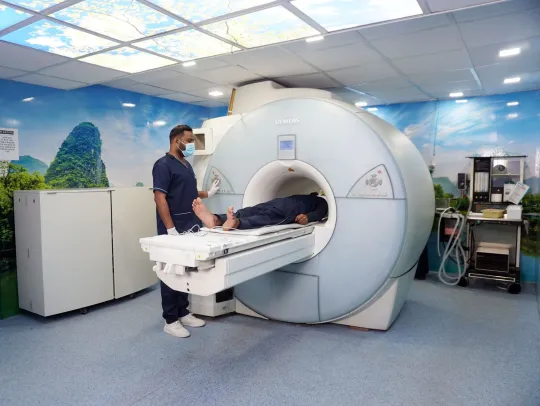
Stand Up MRI
A stand up MRI, sometimes called an upright, positional or weight-bearing MRI, lets you be scanned sitting, standing or bending rather than only lying flat.

X-Ray Scan
An X-ray scan is one of the fastest and most common medical imaging tests, often done in minutes to check bones, the chest and more. This guide explains what an X-ray exam involves, why doctors order it
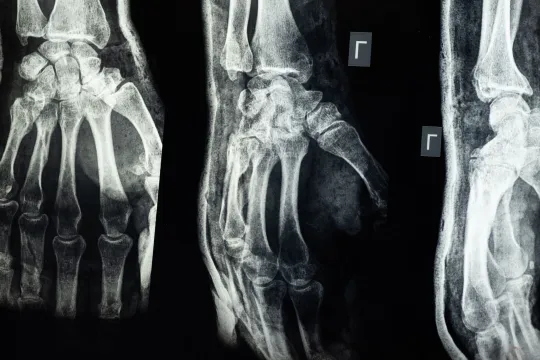
X-Ray Imaging
X-ray imaging is the oldest and most widely used form of medical imaging, and most people have one at some point in their lives. It is fast, painless, and especially good at showing bones.
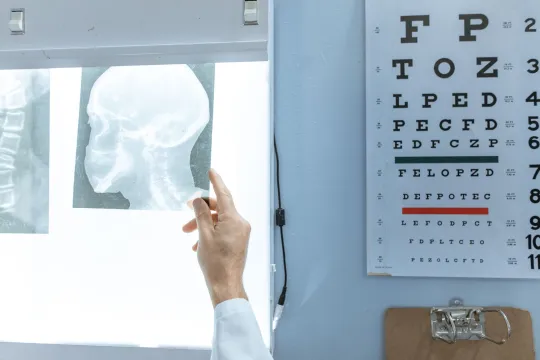
L Spine X-Ray
An L spine x-ray, short for lumbar spine x-ray, is a quick imaging test that takes pictures of the five bones in your lower back. Doctors use it to look for fractures, alignment problems, arthritis