MRI Prices 2026: With & Without Insurance
Realistic 2026 MRI price ranges, the factors that change the cost, and honest ways to compare self-pay and insured options.

MRI is one of the most valuable imaging tests in medicine, and also one of the more expensive, which is why the price can be a real source of stress. This 2026 guide explains what drives the cost, the ranges you might expect with and without insurance, and practical ways to lower the bill, without pretending any single number fits every scan or every country.
The short version
- MRI prices vary enormously by body part, facility type, location, use of contrast, and whether you use insurance.
- Self-pay prices at independent centers are often far lower than hospital list prices for the same scan, sometimes a fraction of them.
- With insurance, what you owe depends on your deductible, copay, coinsurance and whether the facility is in-network, so a covered scan can still leave a bill.
- All figures here are broad ranges, not quotes. Confirm the exact price with the clinic and your insurer before booking.
Why MRI costs what it does
MRI scanners are large, powerful and expensive machines that use a strong magnetic field and radio waves rather than radiation, as the NHS and RadiologyInfo.org both describe. Running one involves a costly magnet, specialized staff, ongoing maintenance and a radiologist to interpret the images. Those fixed costs, plus wide differences in how facilities and health systems set prices, are why the same scan can cost dramatically different amounts from one place to another.
Before comparing prices, it helps to understand what the scan actually involves. Our overview of MRI imaging and the companion guide to the MRI scan explain how the technology works and why a doctor might order one.
The biggest factors that change the price
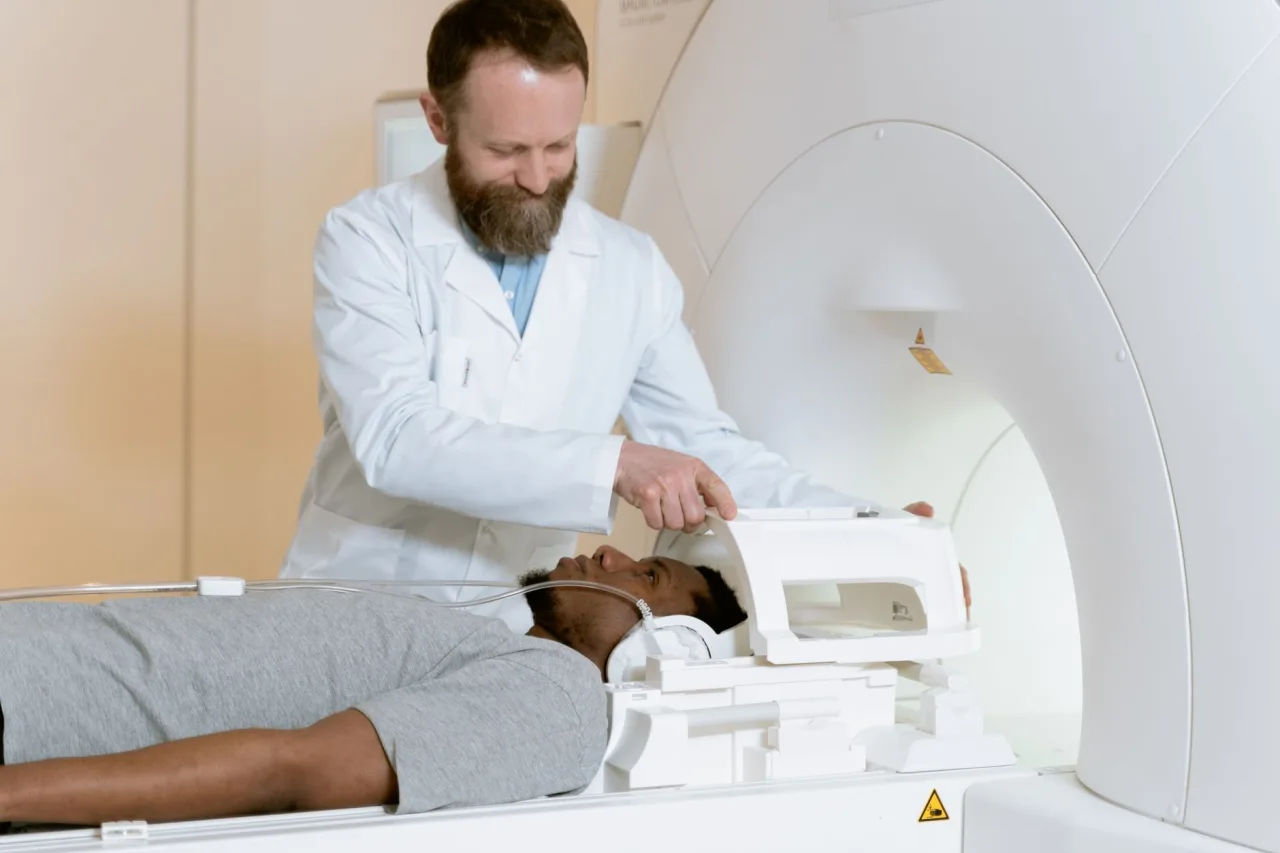
- Body part and complexity. A single-region scan such as a knee usually costs less than a multi-region or whole-body study.
- Contrast. Adding gadolinium contrast raises the price because of the agent, the injection and extra imaging time.
- Facility type. Hospital outpatient departments generally charge more than independent or standalone imaging centers.
- Location. Prices differ by country and even between nearby cities, driven by local costs and competition.
- Scanner and protocol. Higher-field or specialized scanners, and longer protocols, can cost more.
- Interpretation fee. A radiologist's reading may be billed separately from the scan itself.
Because MRI and CT are often weighed against each other for cost and detail, it can help to compare against our guide to the price of a CT scan when your doctor has given you a choice.
Typical MRI price ranges in 2026
With the firm caveat that these are broad, illustrative ranges rather than a promise, self-pay MRI prices in the United States commonly span from a few hundred dollars at competitively priced independent centers to well over a thousand at hospitals, with contrast and multi-region studies pushing the figure higher. In countries with lower costs of living, prices can be considerably less, and in public health systems such as the NHS a medically necessary scan is provided without a direct charge to the patient. The spread is genuinely large, which is why shopping around matters more for MRI than for almost any other common scan.
How to compare a quote. When you call, ask whether the price includes both the scan (the technical fee) and the radiologist's reading (the professional fee), and whether contrast, if you need it, is included. Two quotes are only comparable when they cover the same things.
With insurance versus paying yourself
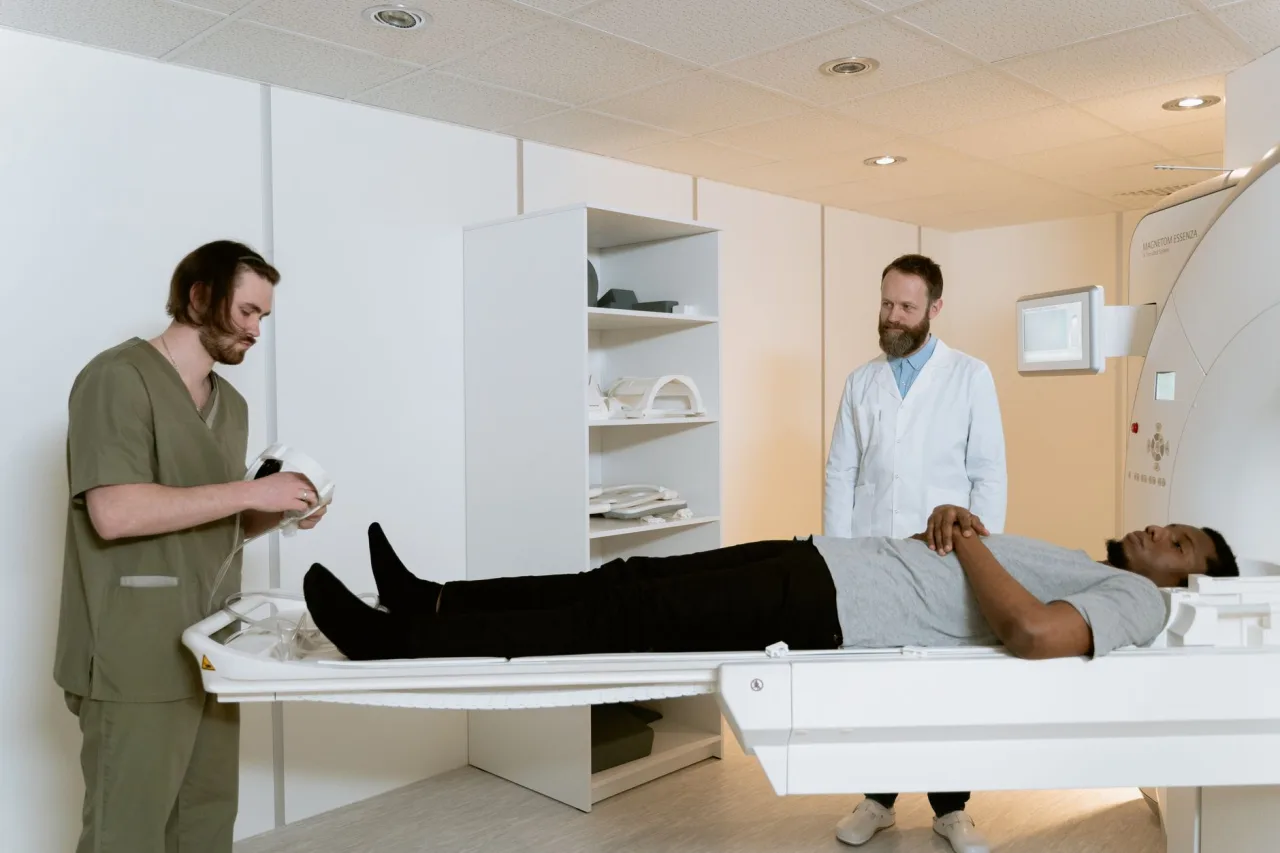
If you have insurance and the MRI is medically necessary and properly referred, it is often covered, but coverage is not the same as free. What you personally owe depends on your deductible (the amount you pay before coverage begins), your copay or coinsurance, and whether the facility and radiologist are in-network. Many MRIs also require prior authorization, and skipping that step can leave you responsible for the whole bill.
Paying yourself can sometimes be cheaper than the insured price, especially at independent centers with published flat rates, or if you have a high deductible you have not yet met. The practical move is to ask your insurer for your estimated out-of-pocket cost and ask the clinic for its self-pay price, then compare. Never assume a specific plan covers a specific scan at a specific facility; confirm it directly.
Practical ways to lower the cost
- Get quotes from several facilities, including independent imaging centers, not just the hospital your doctor mentions.
- Ask whether an in-network standalone center can perform the same scan for less than a hospital.
- Confirm whether contrast is truly needed, since it adds cost.
- Check that any required prior authorization is in place before the scan.
- Ask about self-pay or prompt-payment discounts, and about payment plans if the bill is large.
When comparing facilities, weigh accreditation, scanner quality and reporting turnaround alongside price. Our directory-style guide to MRI centers explains how to choose a good facility rather than simply the cheapest.
Important: this is general information, not medical advice, and not a price quote. Cost ranges here are broad and vary by country, provider and insurance. Only the clinic and your insurer can tell you what you will actually pay, and only your clinician or a radiologist can decide which scan you need and interpret it. If cost is a barrier to a recommended scan, tell your care team, since alternatives or assistance may be available.
Getting value, not just a low price
The cheapest MRI is not automatically the best choice. A scan performed on a suitable scanner, with the right protocol and a qualified radiologist reading it promptly, reduces the chance of an unclear result that has to be repeated. Look for accreditation, appropriate scanner capability for your body part, transparent pricing and reasonable report turnaround, then compare on price among facilities that meet those standards. A modestly higher fee that delivers a clear, correctly read scan can save money and worry in the long run. For a broader look at pelvic imaging specifically, see our guide to MRI of the pelvis.
Frequently asked questions
How much does an MRI cost?
It varies widely. Self-pay prices can range from a few hundred dollars at competitive independent centers to well over a thousand at hospitals, with contrast and multi-region scans costing more, and prices differ by country. Public systems such as the NHS provide medically necessary scans without a direct patient charge. The only reliable figure is one you confirm with the specific clinic and your insurer.
Why is an MRI more expensive than an X-ray or ultrasound?
MRI uses a large, powerful and costly magnet, needs specialized staff and maintenance, and often takes longer than other scans. X-ray and ultrasound use simpler, cheaper equipment. The higher cost reflects the technology and the level of detail MRI provides for soft tissue.
Is self-pay cheaper than using insurance?
Sometimes. Independent centers may offer flat cash prices that beat what you would owe toward a high deductible. Ask your insurer for your estimated out-of-pocket cost and the clinic for its self-pay price, then compare. Also confirm whether prior authorization is needed if you use insurance.
Does adding contrast increase the price?
Usually yes. A contrast MRI includes the gadolinium agent, the injection and extra imaging time, so it typically costs more than the same scan without contrast. Whether you need contrast is a medical decision made by your clinician and the radiologist, not a way to save money.
Will my insurance cover an MRI?
Often, when it is medically necessary and properly referred, but what you owe depends on your deductible, copay, coinsurance and network status, and many scans require prior authorization. A covered scan can still generate a bill. Confirm your specific coverage with your insurer before booking.
How can I reduce the cost of an MRI?
Compare several facilities, consider an in-network independent center rather than a hospital, confirm whether contrast is truly needed, make sure any prior authorization is in place, and ask about self-pay discounts or payment plans. Balance price against accreditation and reporting quality so you do not end up paying twice for a repeat scan.
Sources: NHS, MRI scan; RadiologyInfo.org, Body MRI.
More guides on MRI, CT & X-Ray
Have a question or a topic to suggest?
We read every message. Tell us what you would like to see next.
You may also like

MRI Imaging: Uses, Procedure & Results
MRI imaging sees inside the body in fine detail without X-ray radiation. Learn how it works, what it is used for, the metal safety rules that matter, and how results are interpreted.
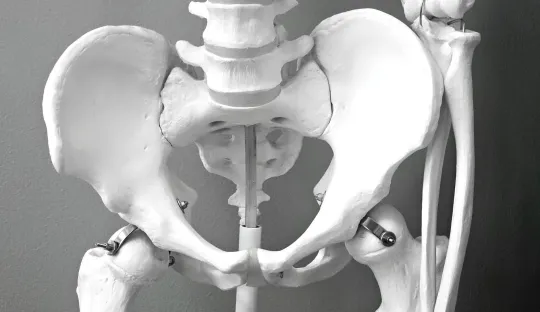
MRI of Pelvis: Uses, Procedure & Results
A pelvic MRI gives a detailed, radiation-free view of the bladder, reproductive organs, rectum and hip bones. Learn what it shows, how to prepare, contrast, and how results are interpreted.

MRI Scan: Uses, Procedure & Results
A plain-language guide to MRI scans: what they show, why a doctor might order one, how to prepare, what happens during the scan, and how results are read.