C Spine X-Ray: Uses and Procedure
What a cervical spine x-ray shows, how it compares with CT and MRI, and who reads it.

A C spine x-ray is a plain radiograph of the cervical spine, the seven vertebrae that make up your neck. It uses a small dose of radiation to show the bones and their alignment, and it is a fast, common test for neck pain or injury. This guide explains why it is ordered, how the procedure works, how it compares with CT and MRI, and why only your doctor can tell you what your own result means.
The short version
- A C spine x-ray images the neck bones using a very small dose of radiation. It is quick and painless.
- It is used for neck pain, injury, arthritis, and alignment, and to decide whether more detailed imaging is needed.
- X-rays show bone well but soft tissues such as discs and nerves poorly, which is where CT or MRI may follow.
- A radiologist interprets the images. Only your doctor can explain what a finding means for you.
What a C spine x-ray is
C spine is shorthand for cervical spine, the top section of the backbone in your neck. A C spine x-ray, or cervical spine radiograph, passes a small amount of radiation through the neck to create images of those vertebrae, the spaces between them, and their alignment. As RadiologyInfo.org explains, dense bone absorbs much of the radiation and appears white, while softer tissue lets more x-rays through and shows as grey, producing the familiar black-and-white picture.
Because bone shows up so clearly, x-ray is well suited to assessing the skeleton. MedlinePlus notes that x-rays are painless tests that send a small amount of radiation through the body to create pictures of bones and organs. For the wider family of imaging tests and where plain x-ray sits among them, see our overview of x-ray imaging.
Why a doctor orders one
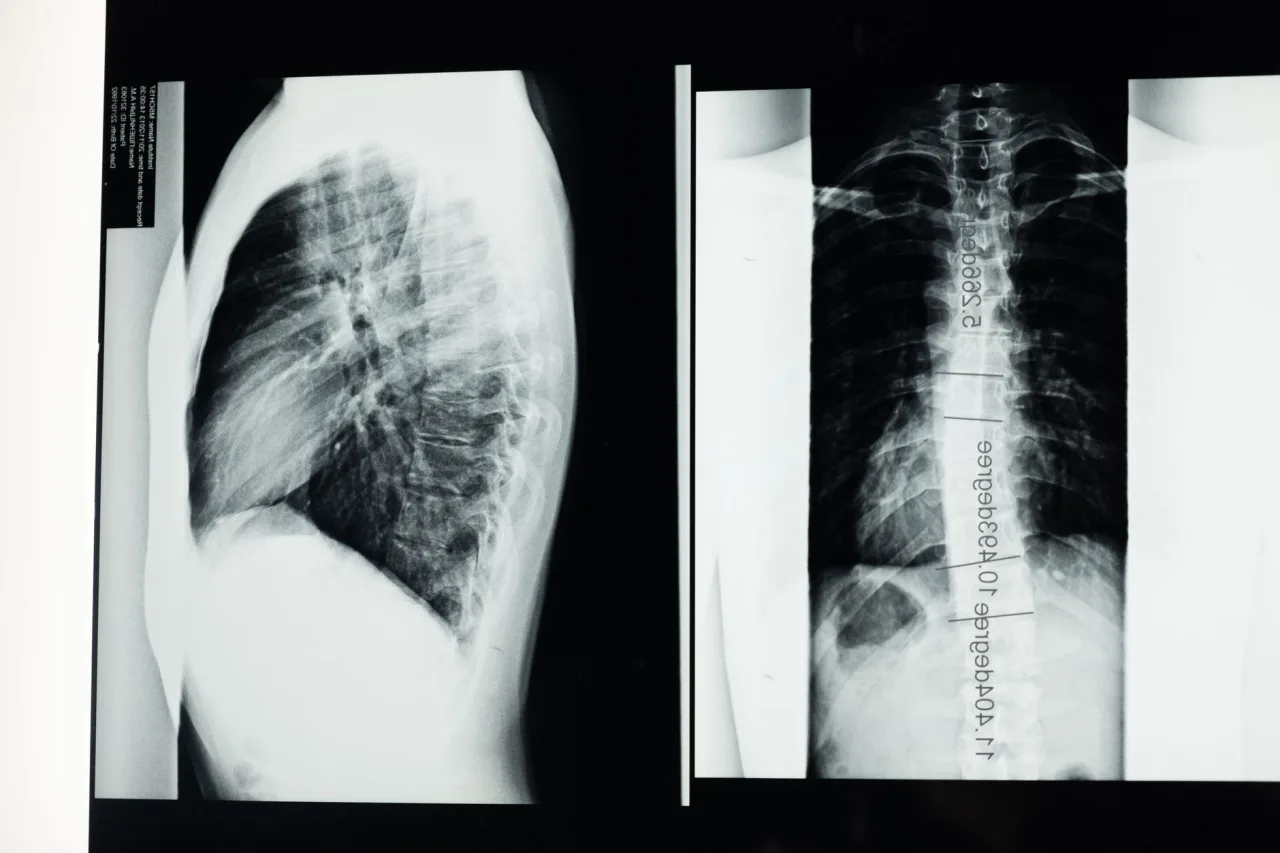
A C spine x-ray is often a first-line test because it is fast, widely available, and good at answering bony questions. Common reasons include:
- Persistent neck pain or stiffness that has not settled.
- Assessing the neck after a fall, collision, or other trauma, once serious injury has been appropriately triaged.
- Looking for arthritis, wear-and-tear changes, or narrowing of the spaces between vertebrae.
- Checking the alignment of the vertebrae, sometimes with the neck bent forward and back.
- Following up known conditions or checking the position of surgical hardware.
In a significant injury, doctors often choose a CT scan instead, because it shows fractures in far greater detail. When the concern is nerves, discs, or the spinal cord, an MRI scan is usually the better test. Which study you have is a clinical decision based on your symptoms and history.
How the scan works, step by step
A cervical spine x-ray is quick, and the imaging itself takes only minutes. The NHS describes the general x-ray process as fast, painless, and involving only staying still while the machine captures the images.
- You may be asked to remove jewellery, glasses, and any metal near the neck, and sometimes to change into a gown.
- You stand, sit, or lie so the neck is positioned correctly, and you keep still while each image is taken.
- Several views are usually captured, such as from the front and the side, and sometimes with the neck flexed and extended.
- The radiographer steps behind a screen to take each exposure, which lasts a fraction of a second.
You will not feel the x-rays. The whole appointment is usually over within about 10 to 15 minutes, and there is no recovery time. If holding a position is painful, tell the radiographer, who can adjust how the images are taken.
Radiation and safety
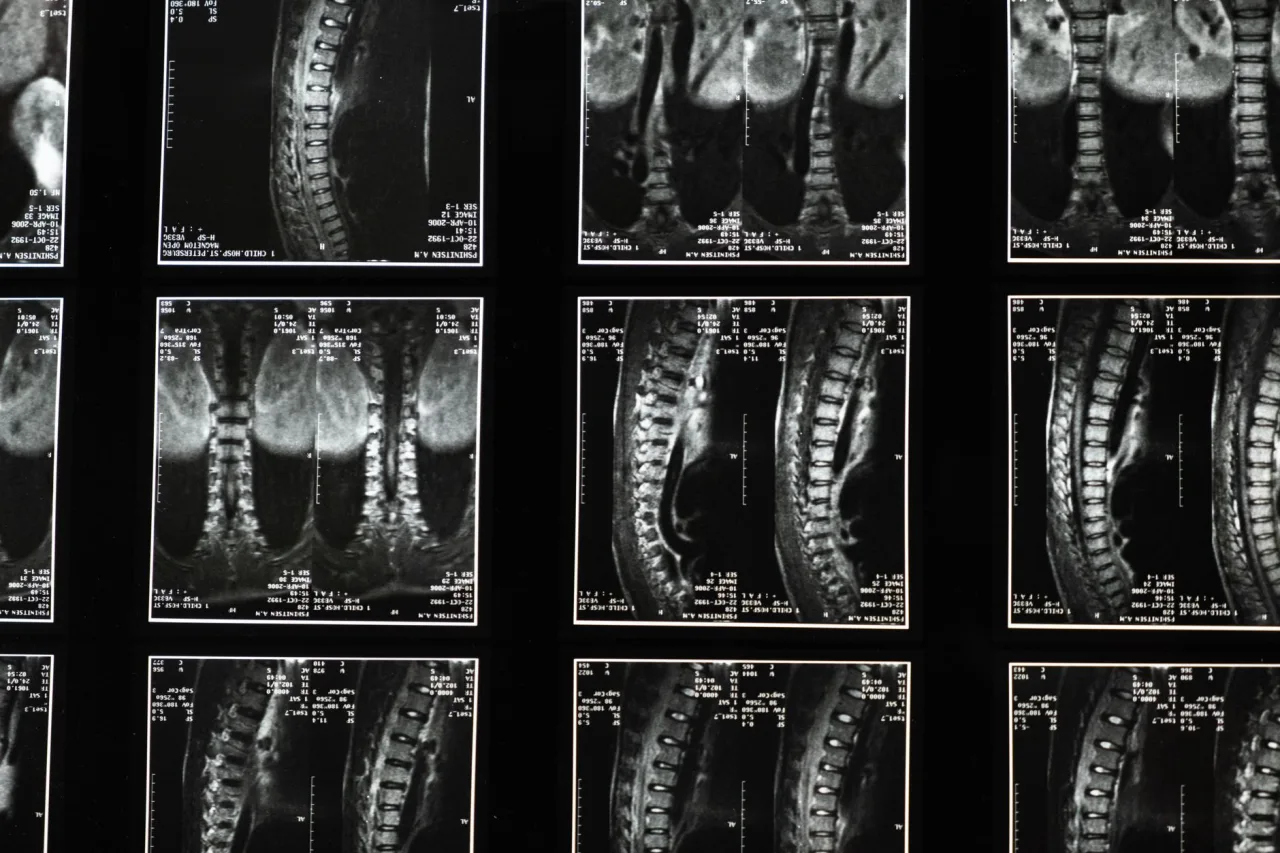
A C spine x-ray uses a small dose of ionising radiation. RadiologyInfo.org describes plain bone x-rays as using a very small dose, and notes that no radiation remains in your body after the exam. The NHS states that x-rays are usually very safe and that serious complications are rare, while acknowledging that repeated x-rays over time carry a very small increase in cancer risk, which is why doctors weigh the benefit against that risk before ordering one.
Important: Tell the clinic if you are pregnant or might be, before any x-ray. Imaging can often be adjusted, delayed, or replaced with a test that uses no radiation, such as ultrasound or MRI, when appropriate. Your care team will advise what is safest for you.
To keep exposure sensible, facilities follow the ALARA principle, meaning as low as reasonably achievable, using the smallest dose that still answers the clinical question. For most people, the very small radiation from a single neck x-ray is far outweighed by the value of a fast, accurate look at the bones.
What a C spine x-ray can and cannot show
It helps to know the limits of the test. A cervical spine x-ray is excellent for bone: fractures, alignment, degenerative changes, and the spacing of the vertebrae. It is much less useful for the soft structures, because discs, ligaments, nerves, and the spinal cord do not show clearly on a plain film.
That is why a normal x-ray does not always rule out a problem, and why your doctor may still order further imaging if your symptoms point to a soft-tissue or nerve cause. Equally, wear-and-tear changes are extremely common on neck x-rays as people age and do not always explain symptoms. This gap between what an image shows and what it means for you is exactly why interpretation belongs with your doctor.
What your results mean
After the exam, a radiologist examines the images and writes a report for the doctor who ordered the x-ray. That doctor then explains the findings in the context of your symptoms and examination. Terms like degenerative change, spondylosis, or reduced disc space describe what was seen and are very common with age. They are not, on their own, a diagnosis or an explanation of your pain.
Routine reports usually reach your doctor within a few days, while urgent images may be reviewed quickly. It is natural to want answers immediately, but try not to interpret the images or an online portal yourself, because radiology reports are written for clinicians and use cautious, technical language that can sound more alarming than the situation warrants.
This is general information, not medical advice. The same x-ray appearance can mean very different things depending on your symptoms and history, and common age-related changes are often unrelated to pain. Do not try to diagnose yourself from your images or report. Always discuss your results with the doctor who ordered the scan or a specialist they refer you to.
Related tests and where to have one
The neck can be imaged in several ways depending on the question. A plain x-ray of another spinal region is covered in our guide to the L spine x-ray of the lower back, and the professionals who take these images follow a defined training path described in our look at the x-ray technologist role. When you are ready to book, our directory guide on finding an x-ray clinic near you explains what to look for in an accredited facility.
Frequently asked questions
What does a C spine x-ray show?
A cervical spine x-ray shows the seven neck vertebrae, their alignment, the spaces between them, and bony changes such as arthritis or fractures. It shows bone well but soft tissues like discs, nerves, and the spinal cord poorly, which is why CT or MRI may be added when those structures are the concern.
Is a C spine x-ray safe?
Yes, for most people. It uses a small dose of radiation, no radiation stays in your body afterwards, and serious complications are rare. Repeated x-rays over time carry a very small increase in cancer risk, so doctors order them when the benefit outweighs it. Tell staff if you are or might be pregnant.
How long does a neck x-ray take?
The imaging itself takes only minutes, and the whole appointment is usually around 10 to 15 minutes including positioning and several views. It is painless, needs no recovery time, and you can return to normal activity straight away.
Do I need to prepare for a C spine x-ray?
Very little preparation is needed. You may be asked to remove jewellery, glasses, or metal near the neck and sometimes to change into a gown. Wear comfortable clothing, and tell the clinic beforehand if you are or could be pregnant so they can advise the safest approach.
Who tells me the results of my C spine x-ray?
A radiologist interprets the images and sends a report to the doctor who ordered the x-ray, who then explains what the findings mean for you. Common age-related changes are often unrelated to symptoms, so you should not try to read the images or report yourself.
More guides on MRI, CT & X-Ray
Have a question or a topic to suggest?
We read every message. Tell us what you would like to see next.
You may also like
L Spine X-Ray
An L spine x-ray, short for lumbar spine x-ray, is a quick imaging test that takes pictures of the five bones in your lower back. Doctors use it to look for fractures, alignment problems, arthritis
X-Ray Imaging
X-ray imaging is the oldest and most widely used form of medical imaging, and most people have one at some point in their lives. It is fast, painless, and especially good at showing bones.

X-Ray Near Me: How to Choose
An honest guide to finding an x-ray near you: how to choose an accredited clinic where a radiologist reports your images, what an x-ray costs, the small radiation dose, and the questions to ask first.