4D Ultrasound Near Me: How to Choose
What a 4D scan is, why it is a bonding experience not a test, the best timing and how to choose a reputable clinic.
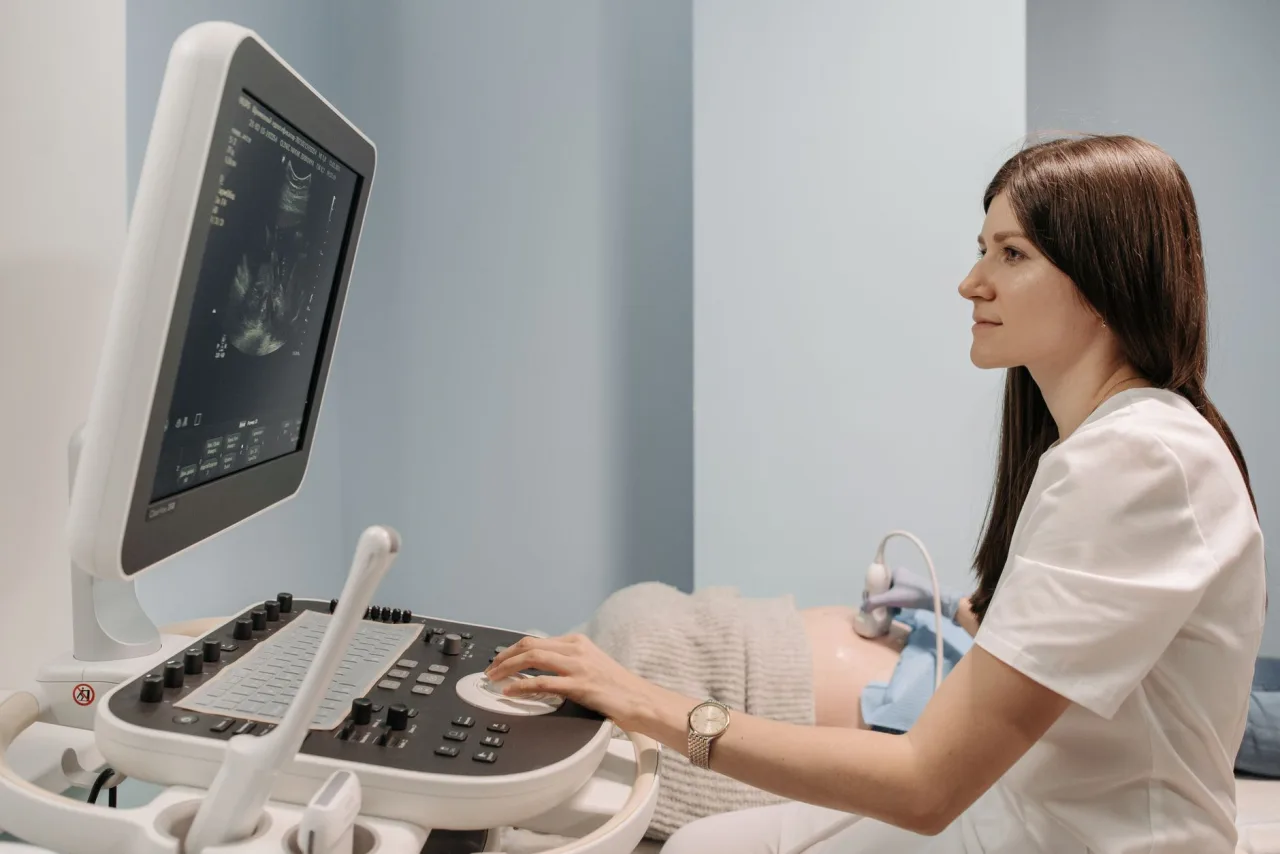
A 4D ultrasound is a 3D scan in motion, a live moving video of your baby that many parents book to watch a yawn, a stretch or a tiny hand near the face. Finding one near you means choosing a reputable clinic, understanding that this is an elective bonding scan rather than a medical test, and getting timing and price right. This guide shows you how to pick a good provider and what to expect, without naming specific clinics, so you can judge any 4D studio near you fairly.
The short version
- 4D ultrasound is 3D imaging shown in real time, so you see the baby move rather than a single still picture.
- It is almost always an elective, keepsake experience, not a diagnostic test, and it does not replace your routine care.
- Many clinics find a mid to later pregnancy window gives the clearest moving footage, though the baby's position still decides the day.
- Judge a clinic on qualified staff, hygiene, honest pricing and realistic promises. Confirm the fee and insurance position before booking.
What a 4D ultrasound is
A 4D ultrasound uses the same safe sound wave technology as any scan, but adds the dimension of time. A 3D scan assembles many slices into a still, sculpted image, and a 4D scan updates that reconstruction many times a second so the picture moves. The result is a live video: you might see the baby swallow, stretch or bring a hand up to the face. The fourth dimension is simply motion. If you want the underlying basics, our overview of how ultrasound works explains the technology, and our companion guide to finding a 3D ultrasound near you covers the still image version.
Because it shows movement, 4D is mostly offered as a bonding experience. It can occasionally add value in specific clinical situations, but for most people booking one, it is an elective scan chosen for the joy of seeing the baby in motion, not a medical assessment.
An elective scan, not a medical test
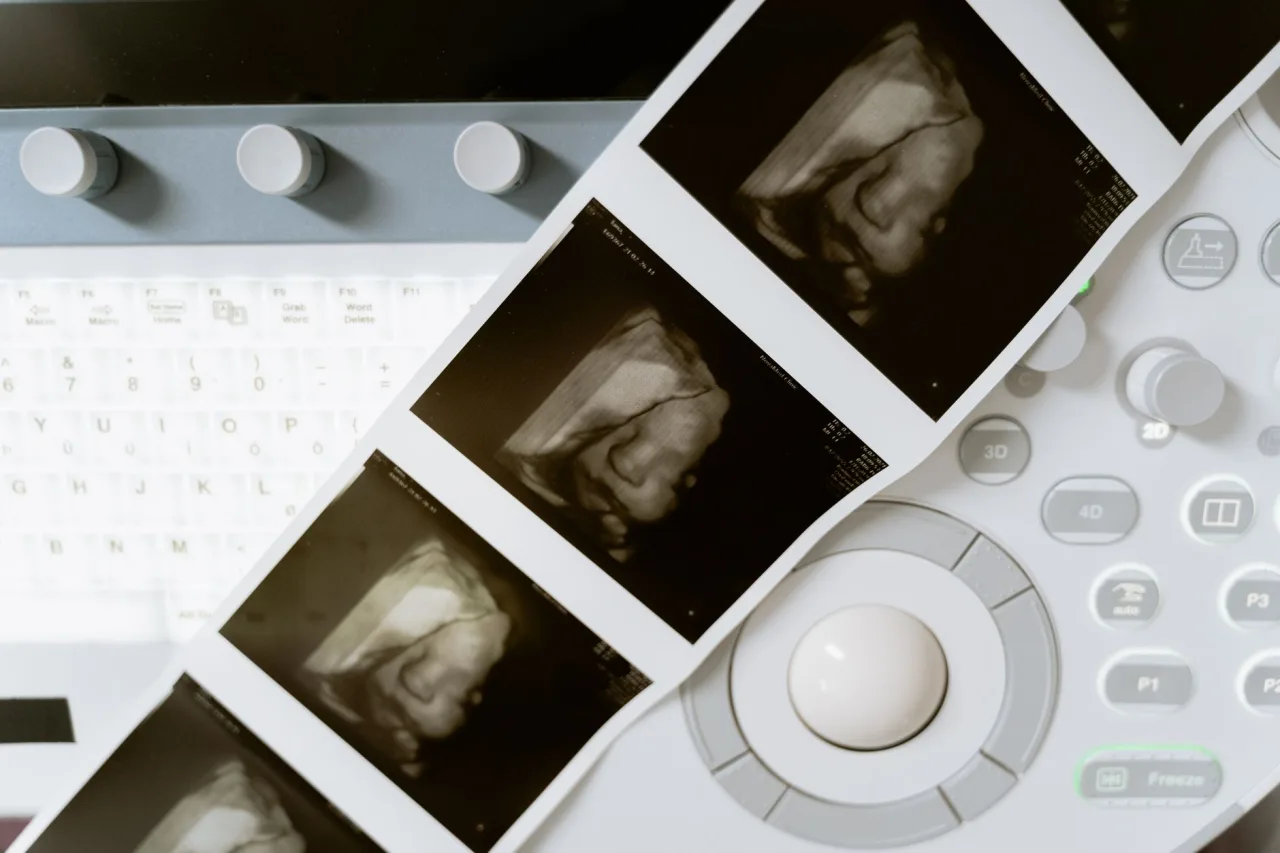
This is the most important thing to understand before you book. A 4D bonding scan is not a substitute for the medical scans arranged through your antenatal care, such as the dating and anomaly scans. Those routine scans are where your baby's development is properly checked. A 4D session is an add on for the experience, and a good clinic will say so plainly.
Keeping this clear protects you in two ways. It sets honest expectations, since a bonding studio is not there to reassure you about your baby's health, and it keeps your care on track, because you continue attending your standard pregnancy scans. If you ever have a worry about your pregnancy, contact your midwife or doctor rather than relying on a keepsake scan.
Important: This article is general information and is not medical advice. A 4D bonding scan is not a diagnostic test and does not replace routine antenatal care. Always raise any concern about your pregnancy with your midwife or doctor.
Is 4D ultrasound safe?
Ultrasound uses sound waves rather than ionising radiation and has a strong safety record when used sensibly by trained operators. That said, health authorities advise that ultrasound be used when there is a medical reason and kept as brief as reasonable, because the energy can have biological effects and the prudent approach is to avoid unnecessary, prolonged exposure. Keepsake images and video are considered reasonable when they do not add extra exposure beyond a medically indicated exam.
In practice this means choosing a clinic that uses qualified sonographers, keeps sessions to a sensible length and does not scan for excessively long just to chase the perfect shot. A reputable 4D provider will respect these principles rather than treat the scan as unlimited entertainment.
Best timing for clear 4D footage
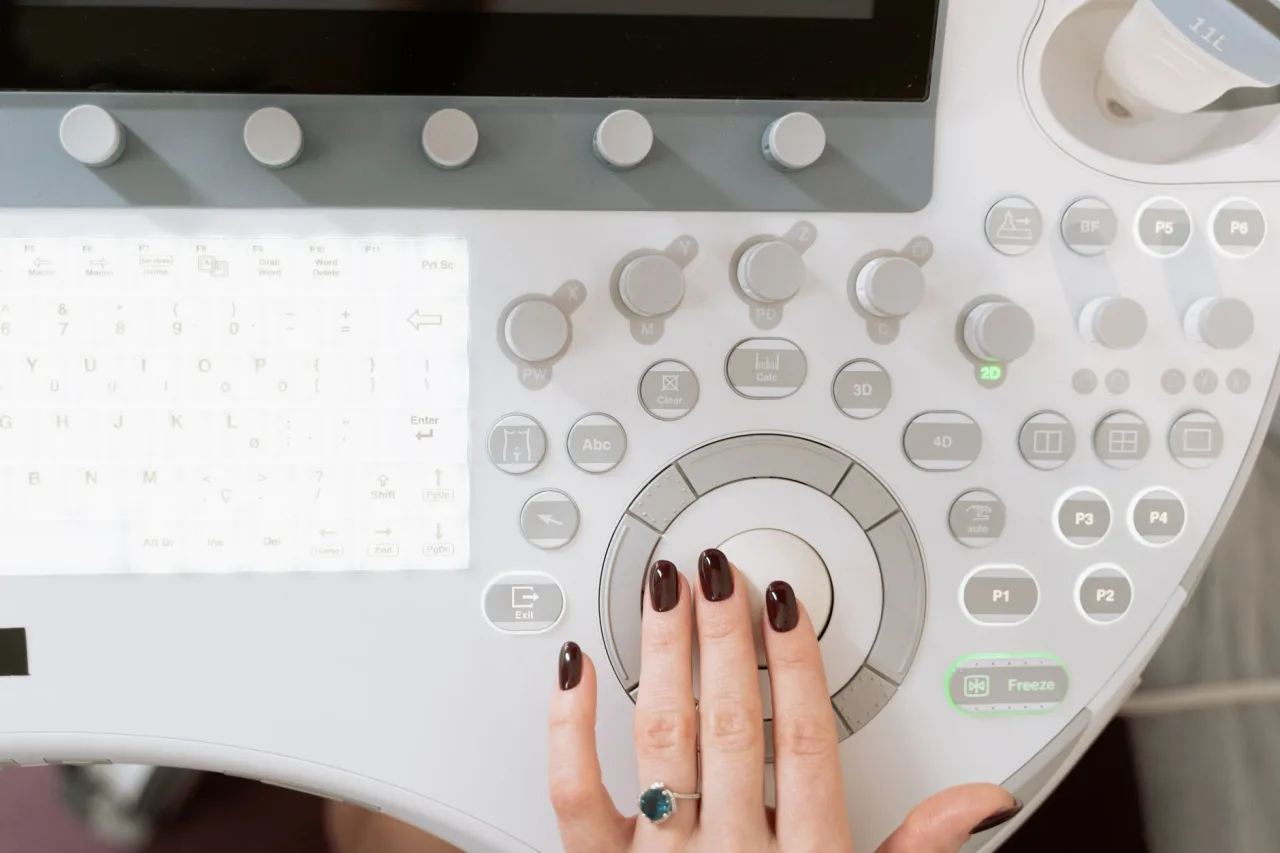
Timing has a big effect on how good the moving images look. Many clinics find that a mid to later pregnancy window works best for facial footage, when the baby has developed enough fat under the skin to show rounded features while there is still enough fluid and room to see the face and catch movement. Too early and features look thin, too late and space can be limited.
Even so, no clinic can promise a perfect clip. The baby may be facing away, tucked behind the placenta or simply still. Good studios explain this honestly and often offer a repeat session if the baby is not cooperative, which is a sign of a fair provider rather than a hard sell.
How to choose a reputable 4D clinic
The quality signals for a 4D studio are much the same as for any imaging clinic. Look for:
- Qualified sonographers. The person scanning should be trained and registered, not an untrained operator.
- Clean, well kept facilities. Tidy rooms, maintained equipment and proper hygiene.
- Honest expectations. Clear statements that this is a bonding scan, that image quality depends on the baby, and that it is not a medical assessment.
- Transparent pricing. A stated fee, a clear list of what is included and no pressure to buy extras.
- A fair repeat policy. An offer to rescan if the baby's position prevents good images.
Applying a consistent checklist lets you compare any provider near you. Our wider guidance on how to find and compare ultrasound clinics and how to assess a clinic offering ultrasound uses the same standards for medical scans.
What a 4D scan typically costs
Prices vary a great deal by country, city, clinic and package, so any number is only a rough guide. Because 4D scans are elective, they are usually paid for privately and sold as packages that may bundle a moving recording, still images and prints. Longer sessions generally cost more than short taster scans.
Be realistic about two things. Insurance typically does not cover elective keepsake scans, since they are not medically necessary, so confirm your position with your insurer rather than assume. And an advertised free scan is rarely truly free, as the cost is often recovered through prints, upgrades or upsells. Ask for the total price, exactly what is included and whether a repeat is offered, so there are no surprises.
How a 4D session usually runs
A 4D session is painless and similar to any abdominal pregnancy scan. You lie back, the sonographer applies gel to your belly and moves the probe to find a good view of the baby's face. Many studios show the live image on a large screen so you and your guests can watch together, and clinics often welcome a partner or family, though they may limit numbers. Sessions commonly last around fifteen to forty minutes depending on the package and how settled the baby is.
- Wear a comfortable two piece outfit for easy access to your abdomen.
- Bring your maternity notes in case anything needs checking.
- Ask about the repeat policy before you start, not after.
- Stay relaxed. A calm, unhurried session tends to produce the nicest footage.
Some clinics suggest small, simple things that can help the baby become more active before a session, such as being well hydrated or having a light snack, though none of these are guaranteed to work and you should never do anything that conflicts with your own care team's advice. If the baby is sleepy or facing away, a short walk or a change of your position on the couch sometimes helps, and a good sonographer will try these gentle tricks before suggesting a repeat. The most reliable ingredient, though, is simply timing the scan for a window your clinic recommends and accepting that some babies are camera shy on the day.
Frequently asked questions
What is the difference between 3D and 4D ultrasound?
A 3D ultrasound produces a still, sculpted image, usually of the baby's face, while a 4D ultrasound shows that image moving in real time, essentially a live video. The technology is the same, and the fourth dimension is simply motion. Many clinics offer both, sometimes together in one package.
Is a 4D ultrasound safe for my baby?
Ultrasound uses sound waves, not radiation, and has a good safety record when used prudently by trained staff. Health authorities advise using ultrasound for a medical reason and keeping exposure as brief as reasonable, so choose a reputable clinic that uses qualified sonographers and keeps sessions to a sensible length.
Does a 4D bonding scan replace my medical scans?
No. A 4D scan is an elective bonding experience, not a diagnostic test. It does not replace the dating and anomaly scans and other care arranged by your midwife or doctor, so keep attending all of your routine appointments and raise any concerns with them.
When is the best time for a 4D scan?
Many clinics find a mid to later pregnancy window gives the clearest facial footage, when the baby has enough fat to show features but there is still room and fluid to see them. Even then, the baby's position on the day affects the result, so a good clinic will offer a repeat if needed.
How much does a 4D ultrasound cost and does insurance cover it?
Costs vary widely by country, provider and package, and elective scans are usually paid privately. Insurance generally does not cover keepsake scans because they are not medically necessary, so confirm with your insurer. Ask for the full price, what is included and whether a repeat is offered, and be cautious of free offers.
Sources and further reading:
- Obstetric Ultrasound, RadiologyInfo.org for ultrasound safety and the medical use of 3D imaging.
- Ultrasound scans in pregnancy, NHS for how routine medical scans are used in pregnancy.
More guides on Find a Clinic (Local)
Have a question or a topic to suggest?
We read every message. Tell us what you would like to see next.
You may also like
3D Ultrasound Near Me: How to Choose
A practical guide to choosing a 3D ultrasound clinic near you, covering what the scan shows, medical versus elective scans, timing, typical costs and what to ask.

Pregnancy Sonogram: Week by Week
A reassuring, week by week look at pregnancy ultrasound scans, including what the dating and anomaly scans check, how to prepare and how results are shared.
Ultrasound Near Me: How to Choose
An honest guide to finding an ultrasound near you: how to choose an accredited clinic where a radiologist reports the images, what scans typically cost, and the questions worth asking before you book.