TGH Imaging: What It Is and Uses
How hospital-affiliated imaging works, what to expect from a visit, and how to verify locations, costs and results honestly.

If you have been referred for a scan and seen the phrase "TGH Imaging," you are looking at the diagnostic imaging and radiology services connected to Tampa General Hospital, a large academic medical center in Tampa, Florida. This guide explains what hospital-based imaging like this typically involves, how a visit works, and how to confirm the specific details that only the provider can give you.
The short version
- "TGH Imaging" refers to the radiology and diagnostic imaging services associated with Tampa General Hospital in Florida.
- Hospital-affiliated imaging departments usually offer a broad mix of scans: X-ray, ultrasound, CT, MRI, mammography and nuclear medicine.
- For exact locations, hours, accepted insurance and how to book, use the official Tampa General Hospital website or call the department directly; this article does not list those specifics.
- Whatever facility you use, your images are read by a radiologist and reported back to the doctor who referred you.
What "TGH Imaging" means
TGH is a common shorthand for Tampa General Hospital. When people search for "TGH Imaging" they are usually trying to find or prepare for a scan at one of the hospital's imaging locations, or they want to understand a report that came from there. Because clinic names, service lines, addresses and phone numbers change over time, this guide deliberately does not invent those details. For anything provider-specific, the official Tampa General Hospital website and the phone number on your appointment letter are the only reliable sources.
What we can do here is explain how imaging at a hospital-affiliated department generally works, so you know what to expect and what to confirm. If you first want a plain-language tour of the different scan types, start with our overview of medical imaging uses and procedures.
What hospital imaging departments usually offer
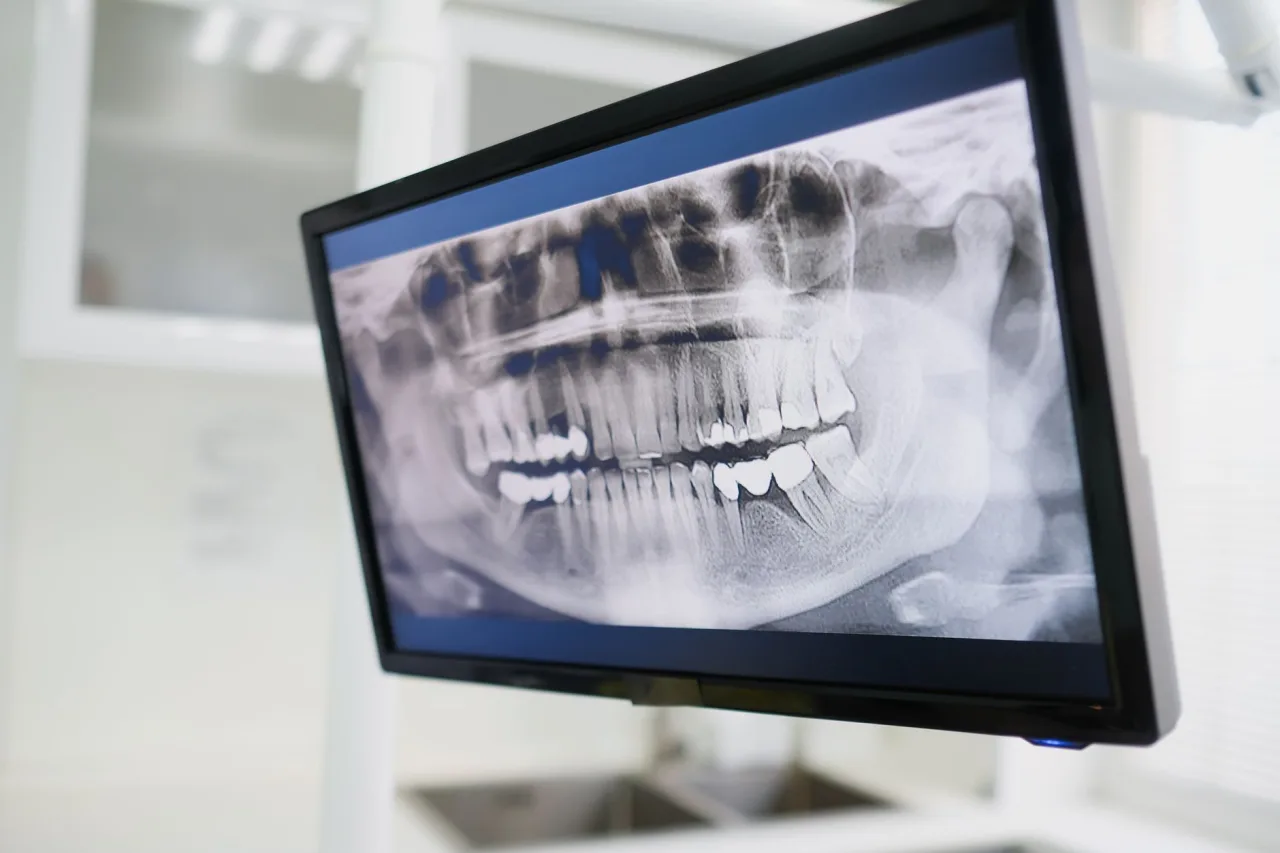
Large hospital and academic imaging departments tend to provide a wide range of modalities under one roof, which is convenient when a doctor may need more than one test. Commonly available services include:
- X-ray: quick imaging of bones and the chest.
- Ultrasound: radiation-free scanning of the abdomen, pelvis, blood vessels and pregnancy.
- CT: detailed cross-sectional images, often used in emergencies and for the chest and abdomen. See our CT scan guide.
- MRI: high-detail imaging of the brain, spine, joints and soft tissue without ionizing radiation. See our MRI scan guide.
- Mammography and bone density scanning for breast and skeletal health.
- Nuclear medicine and interventional radiology for functional imaging and image-guided procedures.
Which of these a particular location offers, and whether it is on the main hospital campus or at an outpatient site, is exactly the kind of detail you should verify directly rather than assume.
How a hospital imaging visit usually works
The workflow at a hospital imaging department is similar to any accredited facility. You are referred by a clinician, the department schedules you (or the emergency team orders it on the spot), and you receive preparation instructions. On the day, you check in, confirm your identity and the ordered test, change into a gown if needed, and a technologist performs the scan. The images then go to a radiologist for interpretation.
One practical advantage of a hospital setting is that specialists across departments can access your images quickly, which helps when your care involves several teams. A practical trade-off is that hospital-based imaging is sometimes billed differently from a freestanding outpatient center, so costs can vary. Always confirm pricing and coverage in advance.
Preparation depends on the exact scan
- Fasting is needed for some abdominal ultrasounds and contrast CT exams.
- A full bladder is required for certain pelvic ultrasounds.
- For MRI, remove all metal and tell staff about any implants, devices or pacemakers.
- Mention pregnancy, allergies, kidney problems and diabetes medicines before any scan that may use contrast.
Getting and understanding your results
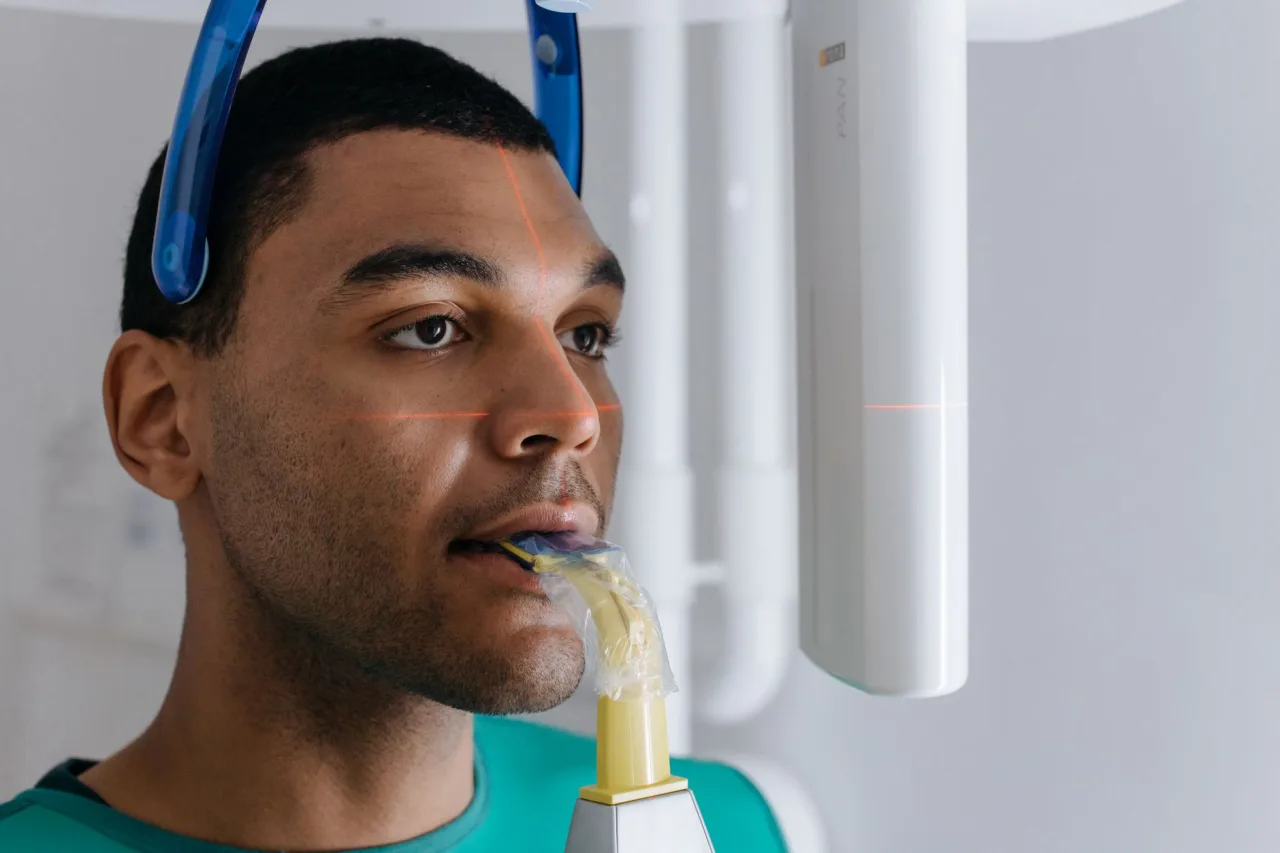
After your scan, a radiologist reviews the images and writes a report for the doctor who referred you. Many health systems also post the report and images to an online patient portal. Seeing your own report can be reassuring, but the words can be technical, and findings often need to be interpreted alongside your symptoms and history. The person who ordered the test is the right one to explain what it means for you and what, if anything, happens next.
General information, not medical advice
- This article is educational and does not diagnose conditions or interpret your specific results.
- For appointments, locations, pricing and coverage, rely on the official Tampa General Hospital website and staff, not third-party summaries.
- Discuss any result with your referring clinician or a radiologist before drawing conclusions.
How to choose and confirm a hospital imaging provider
Whether you use TGH Imaging or another facility, a few checks help you choose well. Confirm the location is accredited and has the exact equipment your doctor requested. Ask how quickly the report reaches your clinician. Check whether the site is in-network for your insurance, because hospital-affiliated imaging can be priced differently from independent centers. If you are weighing options, our directory guides to finding radiology services near you and to comparing imaging centers walk through what to look for without pushing you toward any single provider.
What to bring and how to prepare
A little preparation makes any imaging visit smoother, whether at a hospital department or an outpatient center. Once you know the exact test, confirm its specific instructions, then gather the practical items you will need on the day. A useful checklist includes:
- Your referral or order from the doctor who requested the scan, plus any previous images or reports that relate to the same problem.
- Photo ID and insurance details, so registration and billing go quickly and you can confirm coverage on arrival.
- A list of your medicines and allergies, which matters most if the scan may use contrast dye.
- Comfortable clothing without metal where possible, since you may be asked to change into a gown, especially for MRI.
Also plan for logistics. Ask whether you need to fast, arrive early, or allow extra time for contrast. If your scan involves sedation, arrange for someone to drive you home. If enclosed spaces make you anxious, mention it when booking so the team can discuss options before the day. Following the department's instructions closely reduces the chance of a repeat visit, which saves you both time and money.
Accessing your images and report later
Many hospital systems provide an online patient portal where you can view your report and sometimes the images themselves once a radiologist has finalized them. This is handy for keeping your own records and for sharing results with another specialist. Keep in mind that seeing a report before your doctor has discussed it can raise questions the words alone cannot answer, so treat the portal as a record rather than a diagnosis. When something is unclear or concerning, contact the clinician who ordered the test.
What this article will not do
We will not invent addresses, phone numbers, wait times, prices or a list of specific TGH Imaging sites, because getting those wrong could send you to the wrong place or set a false expectation. Costs in particular vary by country, provider and insurance, so treat any price you see online as a starting point to confirm, not a quote. The safest path is always to verify directly with the hospital and your insurer.
Frequently asked questions
What does TGH Imaging stand for?
TGH stands for Tampa General Hospital, a large academic medical center in Tampa, Florida. "TGH Imaging" is the everyday name people use for the diagnostic imaging and radiology services connected to that hospital. For the current, official list of services and locations, check the Tampa General Hospital website directly.
What scans can I get at a hospital imaging department?
Hospital imaging departments typically offer a broad range, including X-ray, ultrasound, CT, MRI, mammography, bone density scanning and nuclear medicine. The exact services at any one location vary, so confirm that the specific test your doctor ordered is available before you travel there.
How do I book a scan and find the right location?
Most hospital imaging visits start with a referral from your doctor, who sends the order to the department. To book, confirm a location or check hours, use the official hospital website or the phone number on your referral or appointment letter rather than a third-party source.
Will hospital imaging cost more than an outpatient center?
Sometimes. Hospital-affiliated imaging is occasionally billed differently from freestanding outpatient centers, so the same scan can carry a different price. Costs vary by provider and insurance, so ask for the total expected cost and confirm coverage with both the facility and your insurer before your appointment.
Who explains my imaging results?
A radiologist interprets your images and writes a report, but the doctor who referred you is the one who discusses the findings with you and decides on next steps. If a result worries you, contact that clinician rather than trying to interpret the report on your own.
For accurate background on how these scans work and what is safe, see RadiologyInfo.org and MedlinePlus. For provider-specific details, always use the official Tampa General Hospital website and confirm with your own healthcare provider.
More guides on Ultrasound & Radiology (General)
Have a question or a topic to suggest?
We read every message. Tell us what you would like to see next.
You may also like

Medical Imaging: Uses and What Results Mean
Medical imaging covers X-ray, ultrasound, CT, MRI, mammography and nuclear scans. Learn what each test is for, how the appointment works, what is safe, and how to make sense of a radiology report.

Radiology Near Me: How to Choose a Clinic
Radiology near you spans X-ray, ultrasound, CT and MRI. Here is what a radiology clinic does, who the radiologist is, honest radiation facts by scan type, and how to choose an accredited practice.
Imaging Center: How to Find & Choose
An imaging center brings several scan types under one roof. Learn how to find and choose a good one, from modality accreditation to radiologist reporting and cost.