Ultrasound Device Price: Real Prices
"Ultrasound device" covers a lot of ground, from a wireless probe that plugs into a phone to a room-sized diagnostic console.
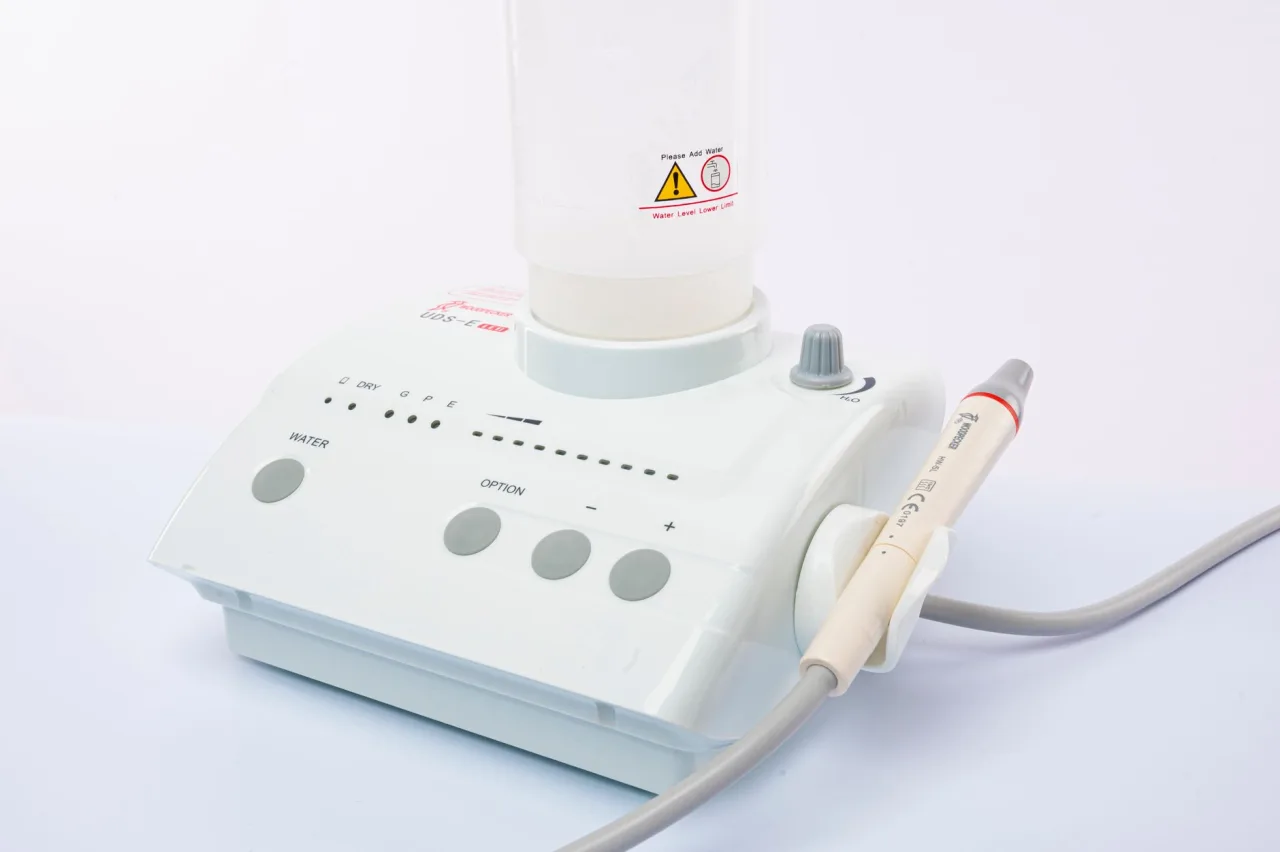
"Ultrasound device" covers a lot of ground, from a wireless probe that plugs into a phone to a room-sized diagnostic console. Because the category is so broad, so is the price. This guide maps the main device tiers, gives realistic ranges for each, and explains why the price of the device tells you very little about what a scan will cost you as a patient.
The short version
- Ultrasound devices span pocket handhelds to premium consoles, so prices run from a few thousand to well over a hundred thousand dollars.
- Handheld point-of-care devices have made low-cost entry points possible, but they trade image depth and features for portability.
- The device price is a clinic's equipment cost, not the price of your scan. Those are separate numbers.
- All figures here are general market estimates. Confirm equipment with the vendor, and a scan price with the clinic and your insurer.
What counts as an ultrasound device
An ultrasound device is any system that sends sound waves into the body and turns the returning echoes into an image. As MedlinePlus puts it, an ultrasound "uses sound waves to make pictures of organs, tissues, and other structures inside your body," and it is generally considered safe when used correctly because it does not use ionizing radiation. That same working principle powers everything from a pocket scanner to a cardiology console.
The reason the price varies so much is that the label covers several distinct device classes. Wikipedia's overview of medical ultrasound notes that a unit "may be cart-based or handheld," and that pocket-sized devices can serve as point-of-care screening tools. Once you know which class you mean, the price range narrows quickly. For the exam itself, our guide to what an ultrasound is and how it works is a good starting point.
The main device tiers and their prices
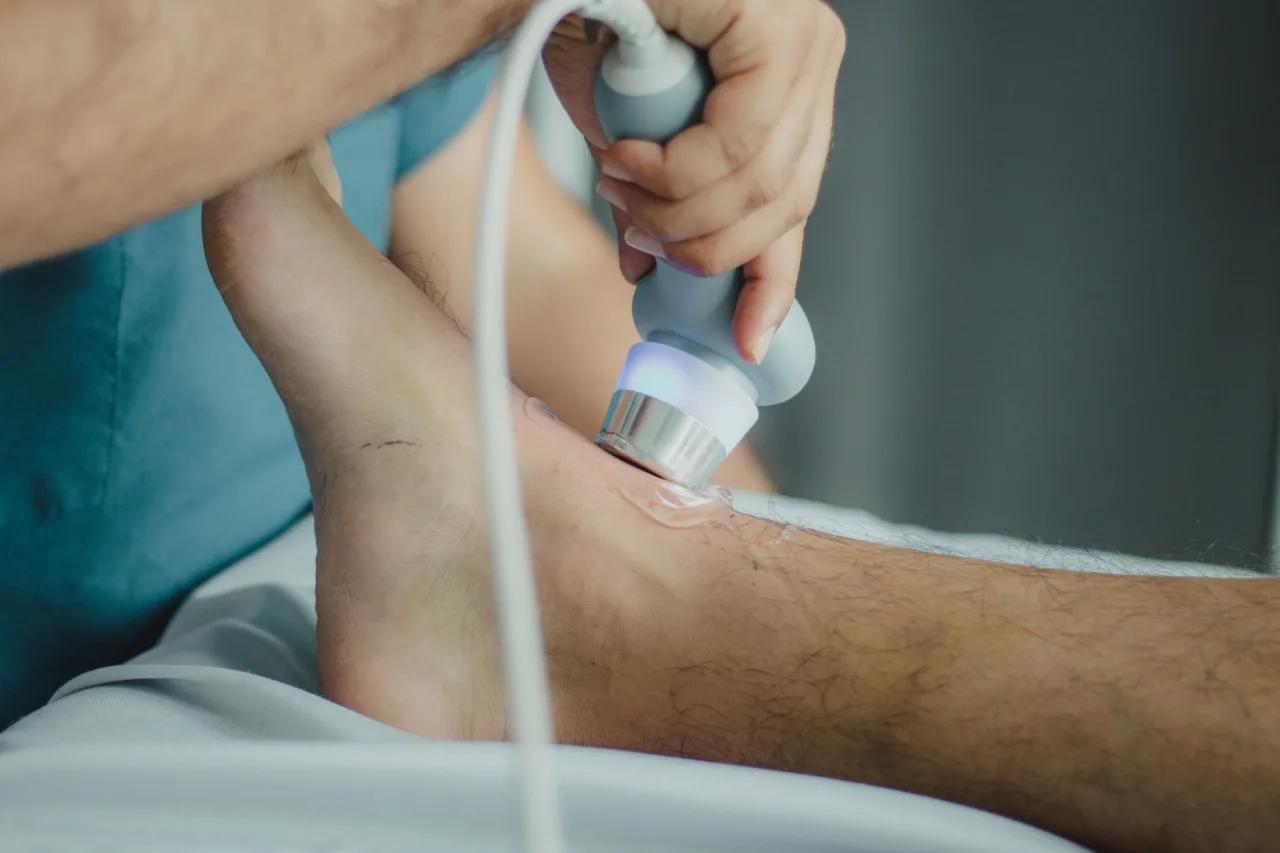
The figures below are broad, widely cited market bands for new devices. They are estimates to set expectations, not offers, and refurbished units cost far less.
- Handheld and pocket devices (POCUS): often roughly 2,000 to 10,000 dollars. Some sell the hardware cheaply and charge an annual software subscription.
- Portable, laptop-style systems: commonly around 10,000 to 40,000 dollars, popular in clinics and point-of-care settings.
- Mid-range cart-based systems: frequently about 20,000 to 75,000 dollars, the workhorses of general imaging departments.
- Premium consoles: often 75,000 to 250,000 dollars or more for advanced cardiac, vascular, or shared-service systems.
If you are comparing models rather than tiers, our ultrasound machine buyer's guide and the portable machine guide go deeper on features and trade-offs.
The rise of handheld point-of-care devices
The biggest change in ultrasound pricing over the last decade is the arrival of capable handheld devices. These pocket units connect to a phone or tablet and put a basic scanner within reach of clinics and clinicians who could never justify a full console. That is a genuine benefit for access.
The trade-offs are real, though. Handheld devices typically offer less image depth, fewer advanced measurement tools, and a narrower range of probes than a cart-based system. They are excellent for focused, point-of-care questions and less suited to detailed diagnostic studies. Buying decisions should match the device to the clinical work, not just the budget.
Tip: Watch for subscription models. A handheld device with a low hardware price may carry an annual software fee per probe. Over five years, that recurring cost can rival or exceed the upfront price, so always calculate the total, not just the sticker.
What moves a device's price
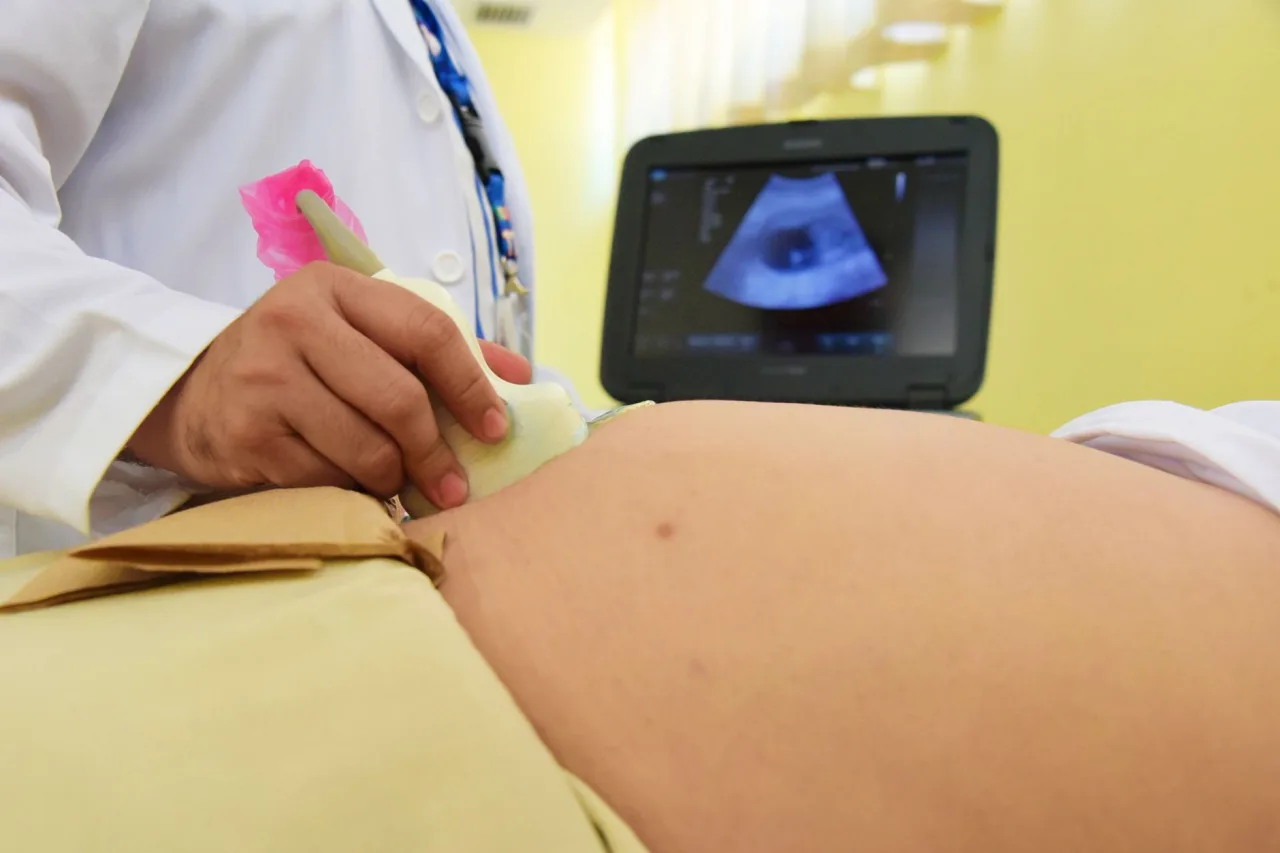
Within any tier, several factors decide where a device lands.
- Probes included: each transducer is a separate item. A device sold "probe only" needs a compatible display, and adding cardiac or endocavity probes raises the cost. See our probe guide.
- Imaging features: colour Doppler, elastography, and higher processing power add to the price.
- New versus refurbished: certified pre-owned devices cost a fraction of new but may have shorter warranties.
- Software and licences: subscription or per-feature licensing is common, especially on handhelds.
- Service and consumables: warranties, maintenance, and supplies such as coupling gel are ongoing costs. Our gel guide covers the last of these.
Why the device price is not your scan price
If you are a patient reading this, the number you actually care about is the price of a scan, and that is a different figure entirely. The cost of the device is a one-time purchase spread across thousands of scans, so it is a minor part of any single appointment. Staff expertise, the radiologist's reading, facility overhead, and your insurance drive the bill far more.
A clinic with a premium console does not automatically charge more than one with a handheld. For a patient-focused breakdown, see our sibling articles on the price of an ultrasound scan and the sonography machine price, which separate equipment cost from scan cost in more detail.
What a patient pays, with and without insurance
For a patient, ultrasound scan prices vary by the study, the facility, your country, and your insurance. In the United States self-pay market, a limited scan may cost around 100 to 300 dollars, a standard abdominal or pelvic study often 200 to 700 dollars, and a specialised cardiac or vascular study commonly 400 to 1,500 dollars. These are estimates only, and elsewhere a medically necessary ultrasound is often free or low cost through the public system.
- With insurance: you usually pay a share set by your deductible, copay or coinsurance, and network status, and many plans require prior authorisation. Call your insurer first.
- Without insurance: ask directly for the self-pay or cash price, which is often lower than the billed rate, and request an all-in quote.
Note: This article is general information about costs, not medical advice. It cannot tell you which scan you need or what your results mean. Please discuss the right test and any findings with your referring doctor or a qualified radiologist.
Getting an accurate figure
The dependable number is always a written quote for your exact situation.
- Buying a device: get itemised quotes from several vendors listing the base unit, each probe, software licences, warranty, and service.
- Booking a scan: get the exact exam name from your doctor, then call two or three facilities for an all-in price and check it with your insurer.
- Compare an independent imaging centre with a hospital, since prices can differ sharply.
To build a shortlist of clinics to call, our directory guides on finding an ultrasound clinic and choosing an imaging centre explain what to compare.
Frequently asked questions
How much does an ultrasound device cost?
It depends on the class of device. Handheld point-of-care units often start in the low thousands, portable laptop-style systems typically fall in the tens of thousands, and premium consoles can exceed a hundred thousand dollars. Refurbished devices cost far less. These are general market estimates, so ask vendors for itemised quotes.
Are handheld ultrasound devices any good?
Handheld devices are very capable for focused, point-of-care questions and have made ultrasound far more accessible. They generally offer less image depth and fewer advanced features than cart-based systems, so they suit quick bedside assessments better than detailed diagnostic studies. Match the device to the clinical need.
Does the device price affect what I pay for a scan?
Very little. The device is a one-time equipment cost spread across thousands of scans, so it is a small part of any single appointment. Your scan price is driven far more by staff time, facility overhead, and your insurance. A clinic with an expensive device does not necessarily charge more per scan.
How much does an ultrasound scan cost for a patient?
Self-pay prices vary widely, often from around 100 dollars for a limited scan to well over a thousand for a specialised study. Prices differ by country, facility, and insurance. These are only estimates, so ask the clinic for a written cash quote and confirm coverage with your insurer before booking.
Why do some cheap devices have ongoing fees?
Many handheld devices use a subscription model, charging a low hardware price plus an annual software fee, sometimes per probe. Over several years that recurring cost can rival the upfront price, so when comparing devices, always calculate the total cost of ownership rather than the sticker alone.
More guides on Costs & Insurance
Have a question or a topic to suggest?
We read every message. Tell us what you would like to see next.
You may also like

Sonography Machine Price: Real Prices
Search "sonography machine price" and you land on two very different questions: what does it cost a clinic to buy the scanner, and what will a patient pay for the scan it produces?
Ultrasound Scan Machine Cost: Real Prices
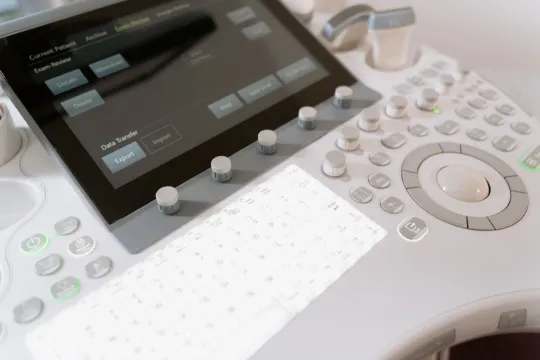
"Ultrasound scan machine cost" hides two questions inside one phrase: what a clinic pays to own and run the machine, and what you pay for the scan it produces.

Ultrasound Price: Real Prices With
There is no single price for an ultrasound. The same scan can cost a modest cash fee at a freestanding imaging centre or several times that in a hospital, depending on the study, where you go, and how you pay.