Ultrasound Equipment Price (2026)
The full equipment picture: console, probes, consumables and service, with honest ranges and caveats.

Search "ultrasound equipment price" and you quickly find two very different questions hiding behind the same words: what a clinic pays to buy an ultrasound system and everything that goes with it, and what a patient pays for a scan. This 2026 guide separates the two clearly and gives realistic price ranges for the full equipment picture, from the console to the probes, gel, and service contracts, with honest caveats throughout.
The short version
- "Ultrasound equipment" is more than the machine: it includes transducers (probes), gel, thermal printer and paper, a cart, software, and ongoing service.
- Commonly reported new-system prices span roughly 10,000 to 250,000 US dollars depending on type, brand, and configuration; refurbished units often cost far less.
- These are equipment costs for clinics and are not the same as the price a patient pays for a scan, which is usually a much smaller per-visit fee.
- Real quotes vary by region, vendor, condition, and warranty, so treat every figure here as a ballpark and confirm with vendors and your own advisors.
Machine price versus scan price: the key distinction
Before any numbers, it helps to be clear about who is buying what. The price of ultrasound equipment is a business cost paid by a clinic, hospital, or practice to acquire and run imaging devices. The price of an ultrasound scan is what an individual patient pays for a single appointment. The two are easy to confuse because both are searched with similar words, but they are wildly different in scale.
If you are a patient trying to budget for an appointment, the equipment ranges below are not your out-of-pocket cost. See our guide to ultrasound scan prices with and without insurance instead, and if you want to understand what the scan itself involves, our overview of ultrasound uses, procedure, and results explains it in plain terms.
What counts as ultrasound equipment
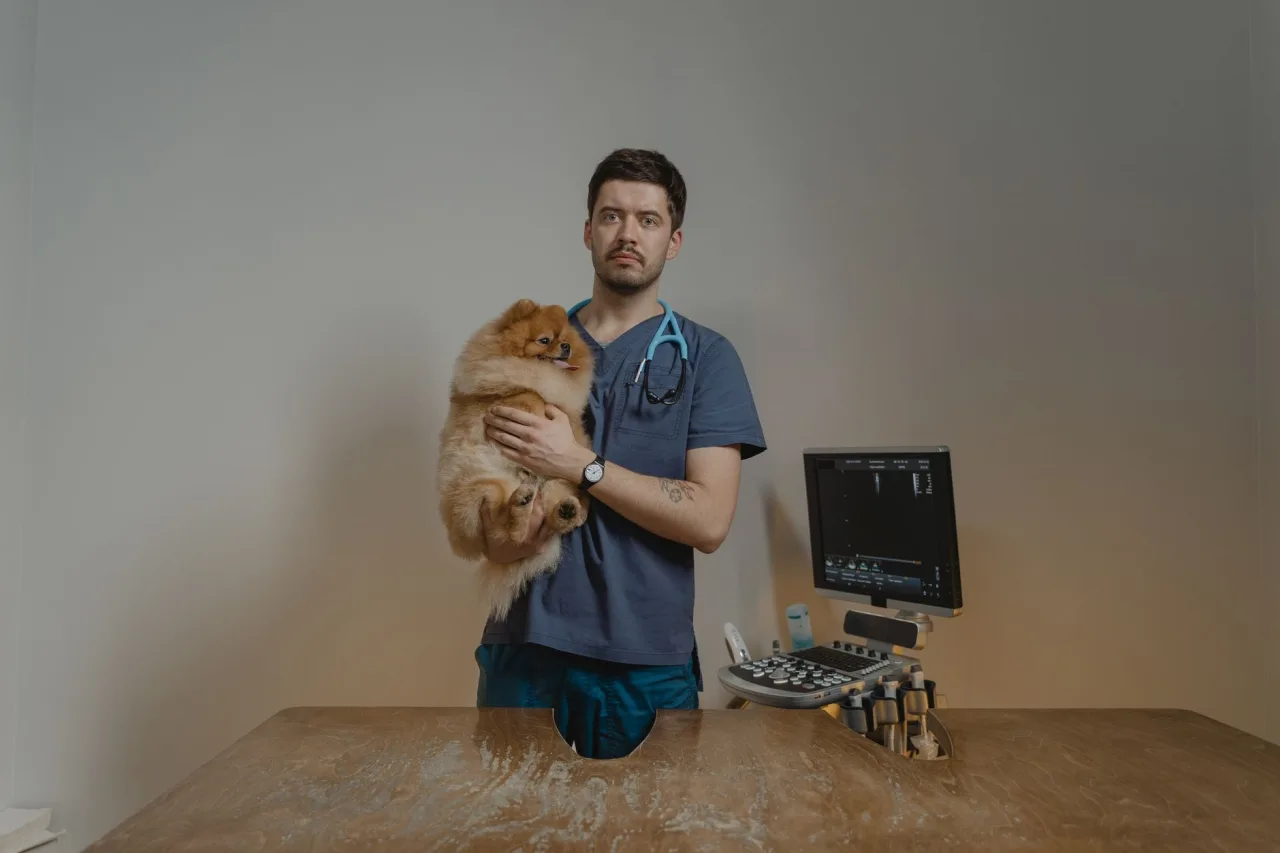
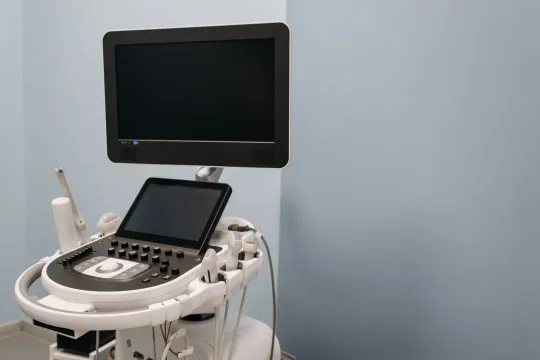
When people picture an ultrasound machine, they usually think of the console and screen on a wheeled cart. That console is the biggest single line item, but a working setup needs several other pieces, and their cost adds up:
- The console or system. The main unit with the processing hardware, screen, and controls.
- Transducers (probes). Each exam type needs the right probe shape and frequency. A clinic typically buys several, and each is a meaningful cost on its own.
- Consumables. Ultrasound gel and thermal printer paper are recurring supplies rather than one-time buys.
- Accessories. Carts, mounts, protective covers, cleaning and disinfection supplies, and cables.
- Software and service. Measurement packages, connectivity to records systems, warranty, and maintenance contracts.
How ultrasound works helps explain why probes matter so much. As the NIH's NIBIB explains, the transducer uses piezoelectric materials that produce sound waves when an electric field is applied and also work in reverse to detect the returning echoes. Different exams need different frequencies and footprints, so the probe you fit changes both what you can see and what you spend.
Typical price ranges in 2026
The figures below are broad, commonly reported ranges for planning only. Actual quotes depend on brand, model year, configuration, condition, and region, so use them to frame conversations with vendors rather than as fixed prices.
- Handheld and point-of-care systems: roughly 2,000 to 10,000 US dollars.
- Portable and laptop-style systems: roughly 10,000 to 40,000 US dollars.
- Cart-based mid-range consoles: roughly 20,000 to 75,000 US dollars.
- Premium high-end systems (advanced cardiology, radiology, elastography): roughly 75,000 to 250,000 US dollars or more.
- Individual transducers: often 2,000 to 10,000 US dollars or more each.
- Consumables: gel and thermal paper are low unit cost but recurring; budget them monthly.
Refurbished and certified pre-owned systems commonly sell for a large discount versus new, sometimes 40 to 60 percent less, which is why many smaller clinics buy this way. The trade-off is a shorter or different warranty and a need to confirm that the unit is properly reconditioned and cleared for sale.
What drives the price up or down
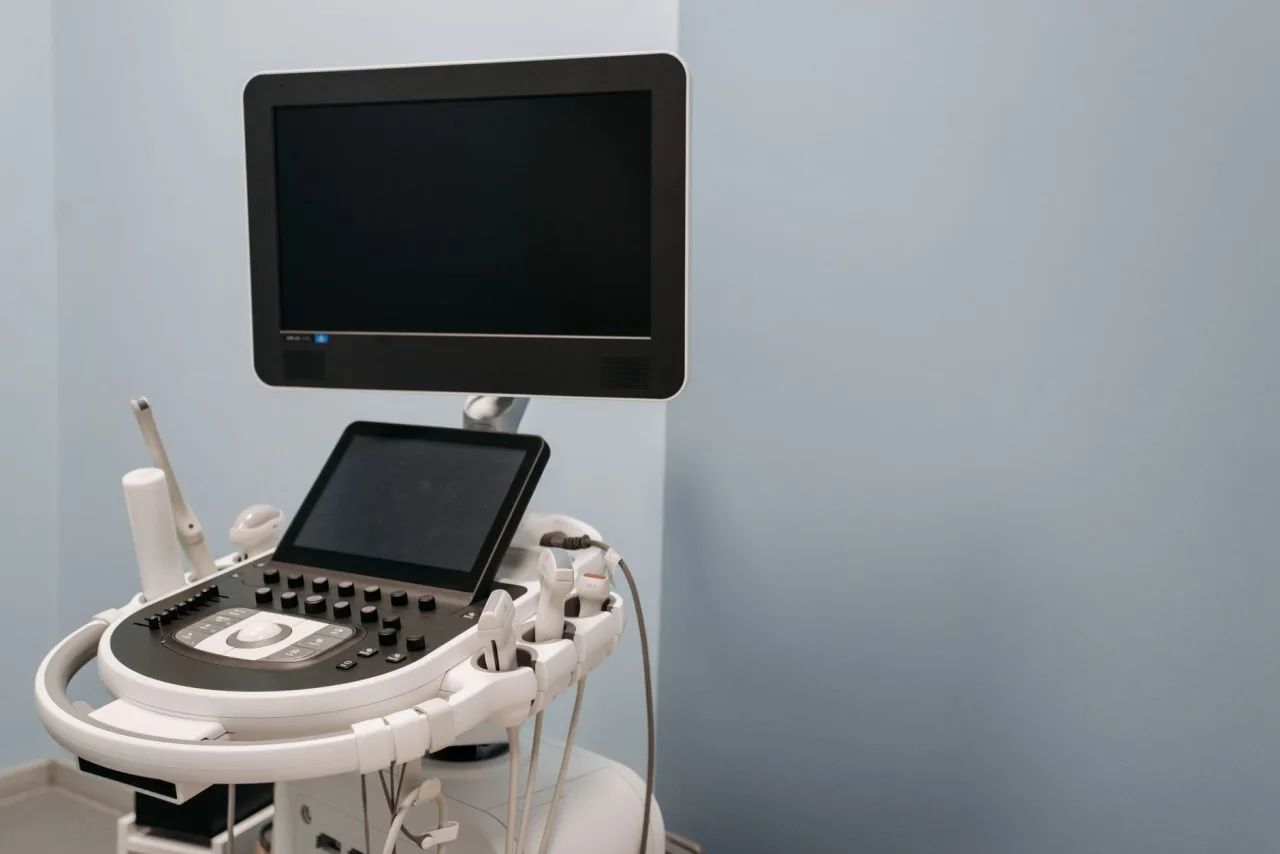
Two machines that look similar can differ enormously in price. The biggest factors include:
- Image quality and processing. Higher-end beam-forming and image processing cost more.
- Included probes. A bundle with several transducers costs more up front but may be cheaper than buying them separately later.
- Advanced features. Colour and spectral Doppler, elastography, 3D and 4D, and contrast imaging add cost.
- New versus refurbished. Condition and remaining service life move the number a lot.
- Brand and support network. Strong local service and parts availability often carry a premium.
- Warranty and service contract. Longer coverage raises the sticker but can lower total cost of ownership.
Think in total cost of ownership
The purchase price is only part of the story. Add service contracts, probe replacements, consumables, software updates, staff training, and eventual resale value. A cheaper machine with expensive service and scarce parts can cost more over five years than a pricier one with strong support.
Buying new, refurbished, or leasing
Clinics generally have three routes. Buying new gives the latest features and full warranty at the highest price. Buying refurbished lowers the up-front cost but requires careful vetting of the reconditioning, warranty, and clearance status. Leasing or financing spreads the cost over time, which can protect cash flow, though it usually costs more in total once interest is included.
If you are choosing a specific model, feature-by-feature buyer guides are more useful than a single price. Our clinic-focused round-ups of the best ultrasound machines, the best ultrasound probes, and even the best ultrasound gel break down what to look for at each budget level.
How the naming overlaps with sibling guides
Because the same device is described in many ways, you will see overlapping search terms. A "medical ultrasound machine", an "ultrasonography machine", and an "ultrasound sonography machine" all refer to the same category of equipment. We cover each phrasing with a slightly different focus so you can pick the angle you need: our medical ultrasound machine price guide groups systems by clinical setting, our ultrasonography machine price guide focuses on the buying decision and financing, and our ultrasound sonography machine price guide compares handheld, portable, and cart form factors.
Recurring costs that outlast the purchase
The purchase price ends on delivery day, but several costs continue for as long as you use the machine. Planning for them up front prevents nasty surprises in year two and beyond:
- Consumables. Ultrasound gel and thermal printer paper are used on almost every exam. Individually cheap, they add up across thousands of scans a year and should sit in a monthly supplies budget.
- Calibration and preventive maintenance. Regular checks keep image quality and safety within spec. These are often bundled into a service contract, but confirm what is and is not covered.
- Probe replacement. Transducers are handled constantly and are the part most likely to be dropped or damaged. Budgeting for at least one replacement over the machine's life is realistic.
- Software and licences. Some advanced applications and connectivity features are sold as ongoing subscriptions rather than one-time purchases.
- Decommissioning. At end of life there may be data-wiping and safe disposal costs, offset by any resale or trade-in value.
Adding these to the sticker price gives the true five-year cost, which is the number worth comparing between two systems.
How region and market shift the price
The same model rarely costs the same everywhere. Import duties, local taxes, the strength of the vendor's service network, currency movements, and simple supply and demand all move the delivered price between countries and even between cities. A machine with excellent local support and parts on hand may cost more up front but far less to keep running, while a grey-market bargain from another region can prove expensive if a probe fails and no local engineer can help. Always compare quotes on a like-for-like basis, including delivery, installation, training, and the first year of service, rather than on the headline console price alone.
A note for patients and for buyers
This is general information, not medical or financial advice
This article gives general, educational price ranges and cannot tell you what a specific machine or a specific scan will cost you. Patients should discuss any scan, its purpose, and its results with their doctor or referring clinician. Clinics and buyers should get written quotes from authorised vendors and consult a biomedical engineer or financial advisor before committing.
Ultrasound remains popular partly because of its safety profile. RadiologyInfo.org notes that ultrasound imaging is extremely safe and does not use radiation, and that standard diagnostic ultrasound has no known harmful effects on humans. That safety, real-time imaging, and relatively lower running cost compared with some other modalities are a big part of why demand for the equipment stays strong.
Frequently asked questions
Is "ultrasound equipment price" the same as the cost of a scan?
No. Equipment price is what a clinic pays to buy and run the machine and its accessories, which can run from a few thousand to hundreds of thousands of dollars. A patient scan is a much smaller per-visit fee. If you are a patient, look at our scan price guide instead.
How much does a full ultrasound setup cost a clinic?
As a broad planning range, new systems commonly run from about 2,000 dollars for handheld units to 250,000 dollars or more for premium consoles, before adding extra probes, consumables, and service contracts. Refurbished units often cost far less. Always get written quotes.
Why are the transducers (probes) so expensive?
Each probe is a precision device that both emits and detects sound waves using piezoelectric materials, and different exams need different probe shapes and frequencies. A clinic usually needs several, and each can cost from around 2,000 to 10,000 dollars or more.
Is a refurbished ultrasound machine a good idea?
It can be, and many clinics buy refurbished to save 40 to 60 percent versus new. The key is to confirm the reconditioning quality, the warranty, parts availability, and that the unit is properly cleared for sale by a reputable vendor.
Should I lease or buy?
Leasing or financing spreads the cost and protects cash flow but usually costs more in total once interest is added. Buying outright costs more up front but avoids ongoing payments. The right choice depends on your budget, tax situation, and how quickly the technology will date, so seek financial advice.
More guides on Costs & Insurance
Have a question or a topic to suggest?
We read every message. Tell us what you would like to see next.
You may also like
Medical Ultrasound Machine Price
Medical ultrasound machine prices grouped by clinical setting and tier, from handheld POCUS to premium cardiology consoles, with honest 2026 ranges and caveats.
Ultrasonography Machine Price
Ultrasonography machine prices for 2026 built around the buying decision: what moves the price, lease vs finance vs buy, and total cost of ownership.
Ultrasound Sonography Machine Price
Ultrasound sonography machine prices by form factor, from handheld to cart-based consoles, with honest 2026 ranges and a safe-buying checklist.