Best Ultrasound Probe: Buyer's Guide
The transducer decides image quality. Probe types, frequency, compatibility, and cleaning explained for clinics.
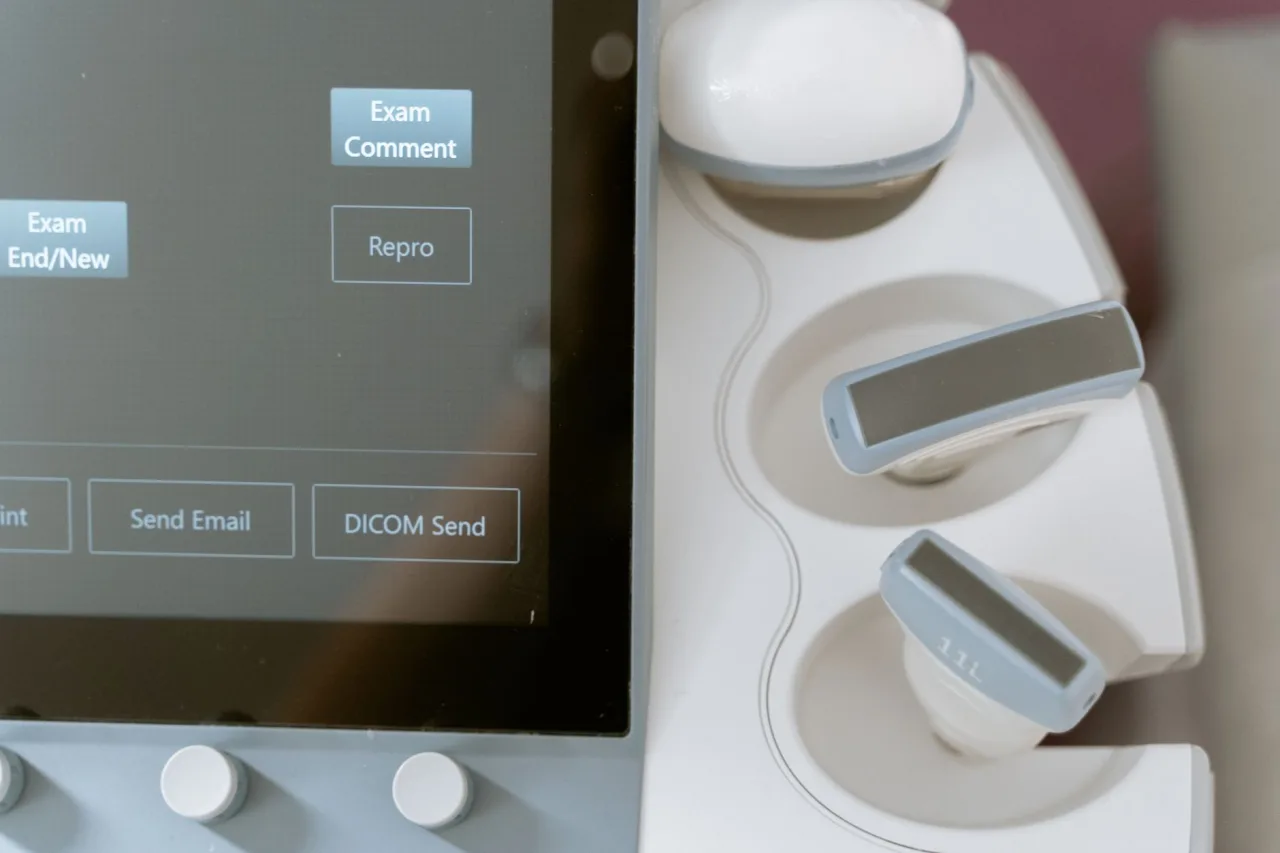
The ultrasound probe, or transducer, is where imaging quality is won or lost. It generates the sound waves and receives the echoes, so the wrong probe will limit even the best console. Different shapes and frequencies suit different jobs, from deep abdominal scans to superficial structures and internal examinations. This guide explains how a clinic should choose, match, and care for ultrasound probes in 2026.
The short version
- The probe converts electrical signals into sound waves and back, so it does much of the work that decides image quality.
- Probe type and frequency must match the clinical task: higher frequency for fine detail near the surface, lower frequency to reach deeper structures.
- Every probe must be compatible with your specific machine's connector and software, so confirm this before buying.
- Cleaning and disinfection depend on how the probe is used, with invasive probes needing far stricter reprocessing than surface probes.
What an ultrasound probe does
A transducer contains piezoelectric elements that vibrate to produce high-frequency sound waves, then listen for the returning echoes. A computer turns those echoes into the image on screen. Because the probe both sends and receives, its design largely determines resolution, depth, and field of view. This is the engine behind every scan described in our overview of how ultrasound works.
The Wikipedia overview of medical ultrasound describes how higher frequencies produce more detailed images but are absorbed more quickly, so they cannot travel as deep, while lower frequencies reach deeper tissue at the cost of fine detail. That trade-off, generally spanning roughly 1 to 18 MHz for medical use, is the heart of probe selection.
The main probe types and what they suit
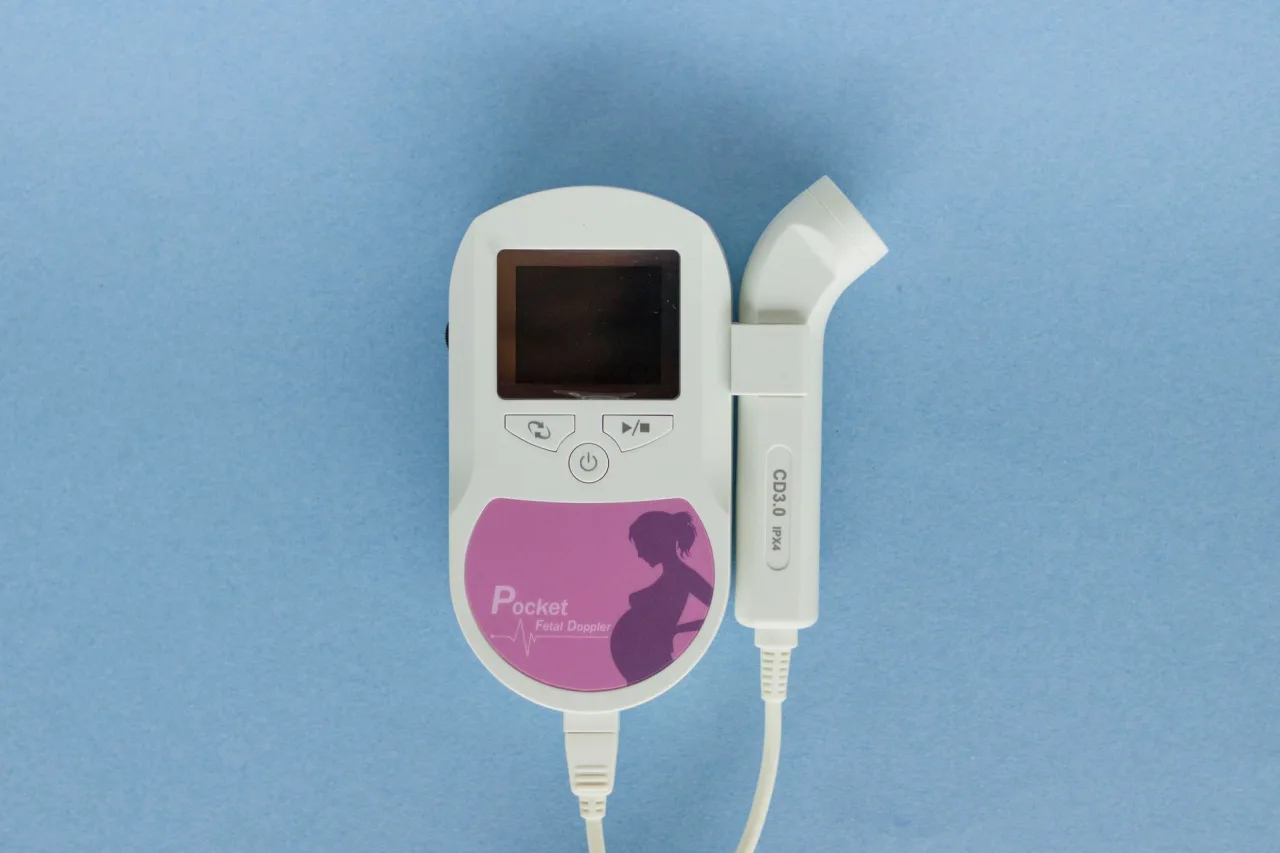
Most clinical work is covered by a handful of transducer shapes, each optimised for a purpose:
- Linear probes: a flat face and higher frequency give sharp, shallow images. Ideal for superficial structures such as vessels, muscles, tendons, thyroid, and breast.
- Curvilinear or convex probes: a curved face and lower frequency give a wide, deep field of view. The workhorse for abdominal and obstetric scanning.
- Phased array probes: a small footprint that fits between the ribs, used for cardiac imaging where access is tight.
- Endocavitary probes: designed for internal use, for example transvaginal or transrectal scanning, where a closer view improves detail. Our explainer on the transvaginal ultrasound shows one of these in context.
- Transesophageal probes: specialised transducers passed down the food pipe to image the heart from close behind it.
The medical ultrasound literature confirms that special-use transducers, including transvaginal, endorectal, and transesophageal designs, are commonly employed for these closer approaches.
Beyond these mainstream shapes, there are more specialised transducers for particular tasks, such as small-footprint probes for imaging between the ribs, and dedicated designs used during surgery or for guiding needles. Most general clinics will not need these, but knowing they exist helps you recognise when a request falls outside your current probe set and whether a referral or a different device is the better answer.
Start with the clinical application
As with any imaging purchase, the clinical task comes first. Write down what you scan and how deep the targets sit, then choose the probe that matches. A vascular and musculoskeletal clinic leans on linear probes, a general or obstetric practice needs curvilinear coverage, and a cardiology service needs phased array. Many clinics need more than one probe to cover their range, which is why probe planning and machine choice go together. It also helps to think a year or two ahead: if you expect to add a service, choosing a machine and probe family that can grow with you avoids buying twice. Read this alongside our ultrasound machine buyer's guide and the portable ultrasound guide.
Key buying criteria
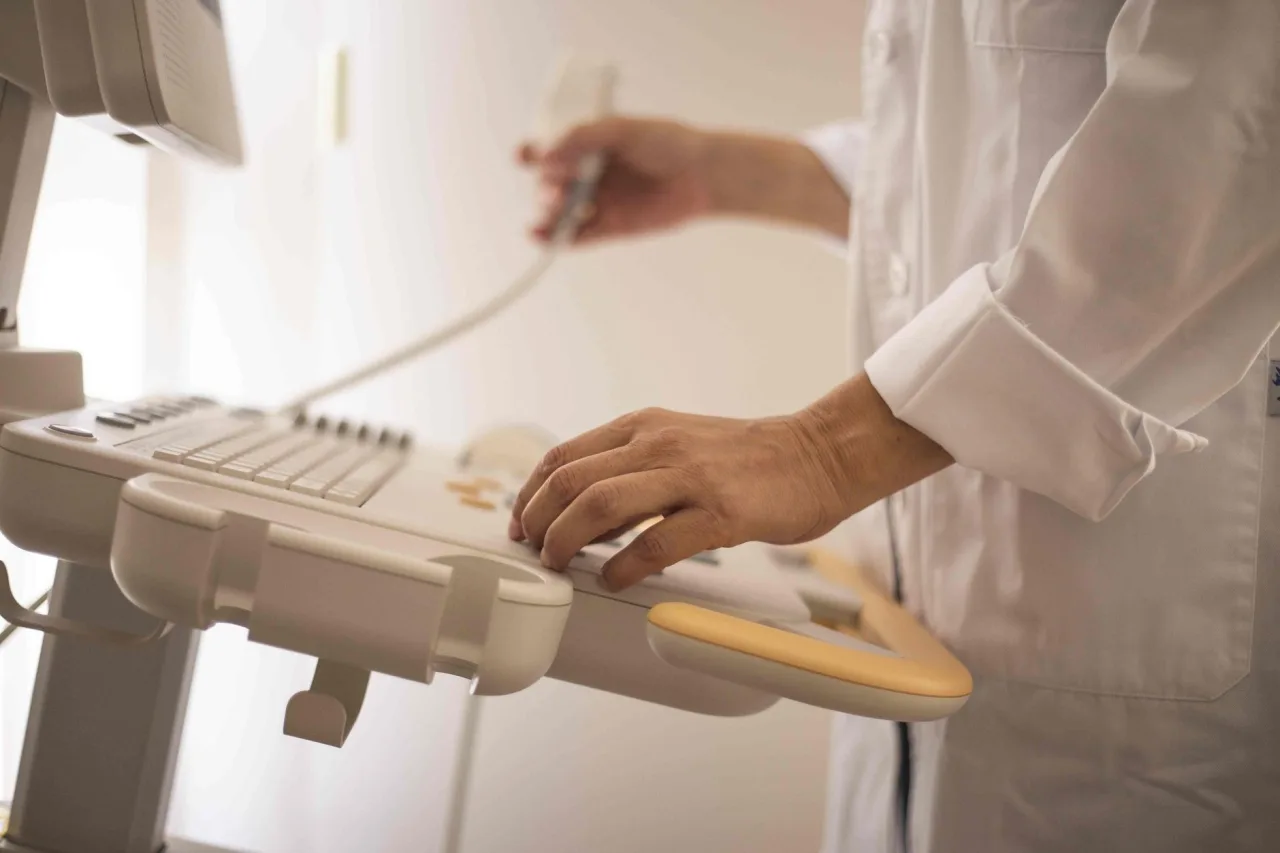
Once you know which types you need, compare individual probes on a consistent checklist:
- Frequency range: a broad bandwidth lets one probe handle a wider span of depths, adding flexibility.
- Image quality: assess it live on your own patients, since element count and processing vary between probes and machines.
- Machine compatibility: the connector, software, and version must match your console. A probe that will not talk to your system is useless.
- Build and ergonomics: cable strain relief, weight, and grip affect durability and operator comfort over long lists.
- New versus refurbished: reputable refurbished probes can save money, but verify testing, warranty, and provenance carefully.
- Warranty and lead time: probes are delicate and expensive to replace, so service terms and availability matter.
Tip: Probes are among the most fragile and costly parts of an ultrasound system. Dropped or cracked transducers are a common, avoidable expense, so factor in protective handling, storage holders, and staff training on cable care.
New versus refurbished and total cost
Probes are a significant, recurring expense, so the buy decision deserves as much care as the machine itself. New transducers offer the longest support and full warranty, but reputable refurbished probes can be a sensible way to extend a fleet or cover a rarely used application. If you consider refurbished, insist on the essentials:
- Full testing: a documented report on the elements, cable, and connector, since dead elements degrade the image in ways that are easy to miss.
- Clear warranty: a meaningful return and warranty period from an established supplier.
- Verified provenance: confidence that the probe is genuine and correctly matched to your model.
Whatever you buy, think in terms of total cost over the probe's life, not the purchase price alone. A cheaper probe that fails often, or that your machine does not fully support, costs more in downtime and repeat scans. Factor in protective storage, staff handling training, and the price and lead time of replacements.
Questions to ask before you buy
Take the same short list to every supplier so you can compare fairly:
- Is this probe fully compatible with my exact machine model and software version?
- What frequency range and applications is it optimised for?
- Is it new or refurbished, and if refurbished, can I see the test report?
- What warranty, lead time, and service support come with it?
- Which cleaning and disinfection methods does the manufacturer approve?
Tip: Ask to trial the probe on your own machine and patients before buying. A live look at image quality in your setting tells you far more than any specification sheet.
Cleaning, disinfection, and safety
How a probe is reprocessed depends on how it contacts the patient. This is a core safety issue, not an afterthought:
- Surface probes on intact skin: generally need low-level cleaning and disinfection between patients.
- Probes contacting mucous membranes, such as endocavitary transducers, require high-level disinfection between uses.
- Probes used in sterile or invasive settings need the strictest reprocessing and sterile covers.
Always follow the probe manufacturer's approved cleaning methods, since the wrong chemicals can damage a transducer, and pair probes with appropriate gel and covers. Our ultrasound gel guide covers when sterile single-use gel is required. Reassuringly, ultrasound itself uses sound waves and no ionising radiation, as the RadiologyInfo resource confirms, so probe safety centres on hygiene and correct use rather than radiation. Keep a simple log of how each probe type is reprocessed, and store your disinfection instructions where staff can find them, because consistency between team members is what keeps patients safe and protects your expensive transducers from accidental damage.
Please note: This guide is general commercial and educational information for clinics, not medical, regulatory, or infection-control advice for a specific setting. Confirm compatibility, reprocessing methods, and clinical suitability with the manufacturer, your professional body, and your infection-control lead.
Frequently asked questions
Which ultrasound probe is best?
There is no single best probe, only the best probe for a task. Linear probes suit superficial imaging, curvilinear probes suit deep abdominal and obstetric scans, phased array probes suit cardiac work, and endocavitary probes suit internal scans. Match the probe to what you scan and how deep the target sits.
Can I use any probe with my ultrasound machine?
No. Probes must be compatible with your specific machine's connector and software. Always confirm compatibility with the manufacturer or supplier before purchasing, because a probe that does not match your system cannot be used.
What is the difference between a high-frequency and low-frequency probe?
Higher-frequency probes produce finer detail but do not penetrate deeply, making them ideal for superficial structures. Lower-frequency probes reach deeper tissue but with less fine detail, making them suited to abdominal and obstetric imaging. It is a trade-off between resolution and depth.
How are ultrasound probes cleaned between patients?
It depends on use. Surface probes on intact skin usually need low-level cleaning and disinfection, while probes touching mucous membranes need high-level disinfection, and invasive uses need the strictest reprocessing and sterile covers. Always follow the manufacturer's approved methods.
Is it safe to buy a refurbished ultrasound probe?
It can be, if the probe comes from a reputable supplier with proper testing, a clear warranty, and verified provenance. Refurbished probes can reduce cost, but confirm they have been fully tested and are compatible with your machine before buying.
More guides on Machines & Equipment (B2B)
Have a question or a topic to suggest?
We read every message. Tell us what you would like to see next.
You may also like
Ultrasound Machine 2026: Buyer's Guide
A practical buyer's guide to choosing an ultrasound machine for your clinic, covering application fit, image quality, probes, budget tiers, total cost of ownership and support.
Best Portable Ultrasound Machine
A practical 2026 buyer's guide to portable ultrasound machines for clinics, covering formats, image quality, probes, budget tiers, regulatory clearance, and total cost.
Best Ultrasound Gel: Buyer's Guide
A 2026 buyer's guide to ultrasound gel for clinics: why gel matters, sterile versus non-sterile, infection-control risks, and how to choose and store it safely.