Ultrasound Sonography Machine Price
Prices by form factor, handheld to console, plus how to buy safely from vetted vendors.
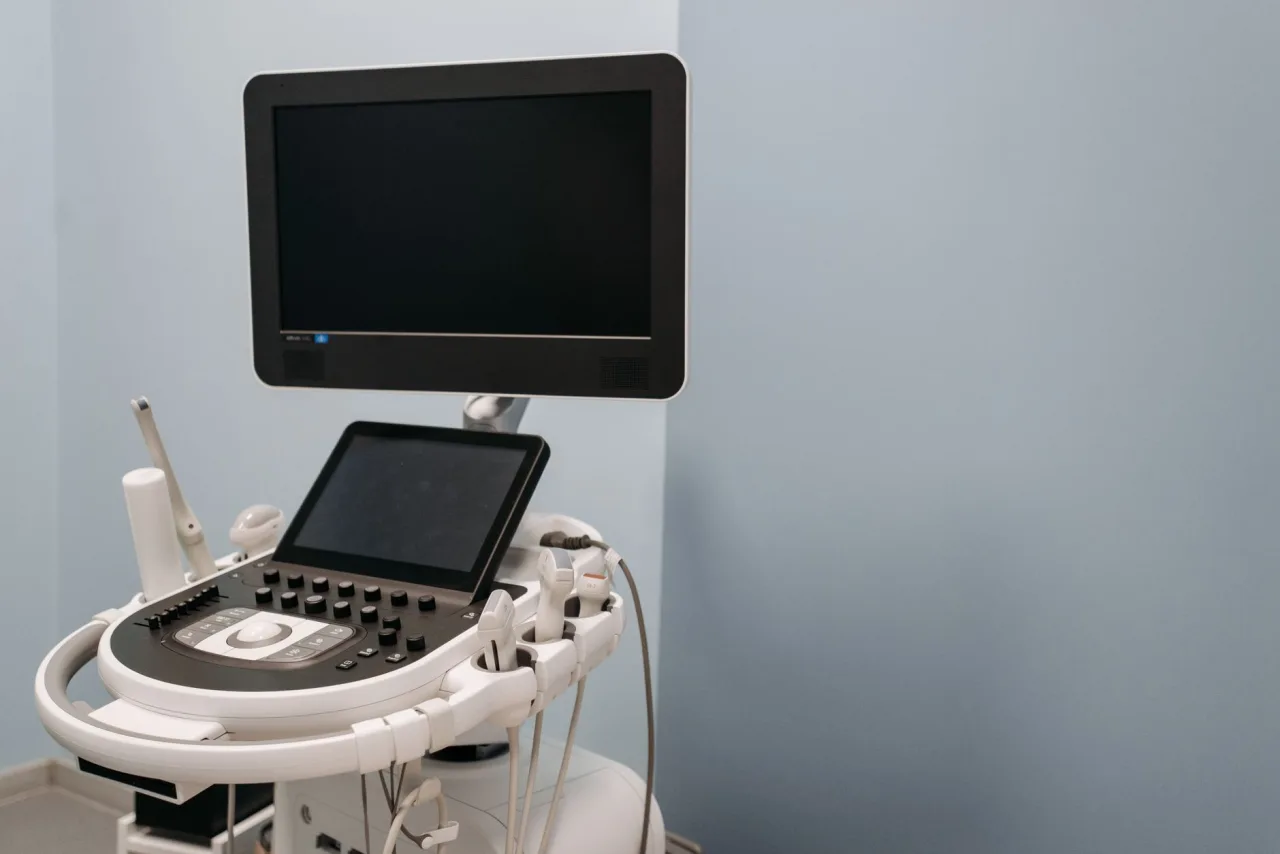
"Ultrasound sonography machine" describes the same scanner by two words that mean the same thing, and its price depends heavily on one choice: the form factor. A pocket handheld, a laptop-style portable, and a full cart-based console serve very different needs at very different prices. This 2026 guide compares those form factors and explains how to buy safely, with realistic ranges and clear caveats.
The short version
- Ultrasound and sonography mean the same thing, so an "ultrasound sonography machine" is simply an ultrasound scanner.
- Form factor drives price: handheld and point-of-care units are cheapest, portables sit in the middle, and cart-based consoles cost the most.
- Broad 2026 ranges run from about 2,000 dollars for handhelds to 250,000 dollars or more for premium consoles.
- Buy only from reputable, authorised vendors, confirm the unit is cleared for sale, and check the warranty; this is a clinic cost, not a patient scan fee.
Ultrasound and sonography are the same thing
Sonography is the technique of using sound waves to create images, and ultrasound is the same thing, so "ultrasound sonography machine" is a doubled-up way of naming an ordinary ultrasound scanner. Every version, from handheld to console, relies on the same physics. As the NIH's NIBIB explains, a transducer converts electrical signals into high-frequency sound waves, sends them into the body, and reads the returning echoes to build the image, all without ionizing radiation. RadiologyInfo.org notes that images can even be formatted in three dimensions, and that the same underlying technology powers everything from a pocket probe to a premium cardiology console. The difference you pay for is refinement, not a different kind of machine. If you want the patient's-eye view of the exam, our guide to ultrasound uses, procedure, and results explains it plainly.
The three form factors and what they cost
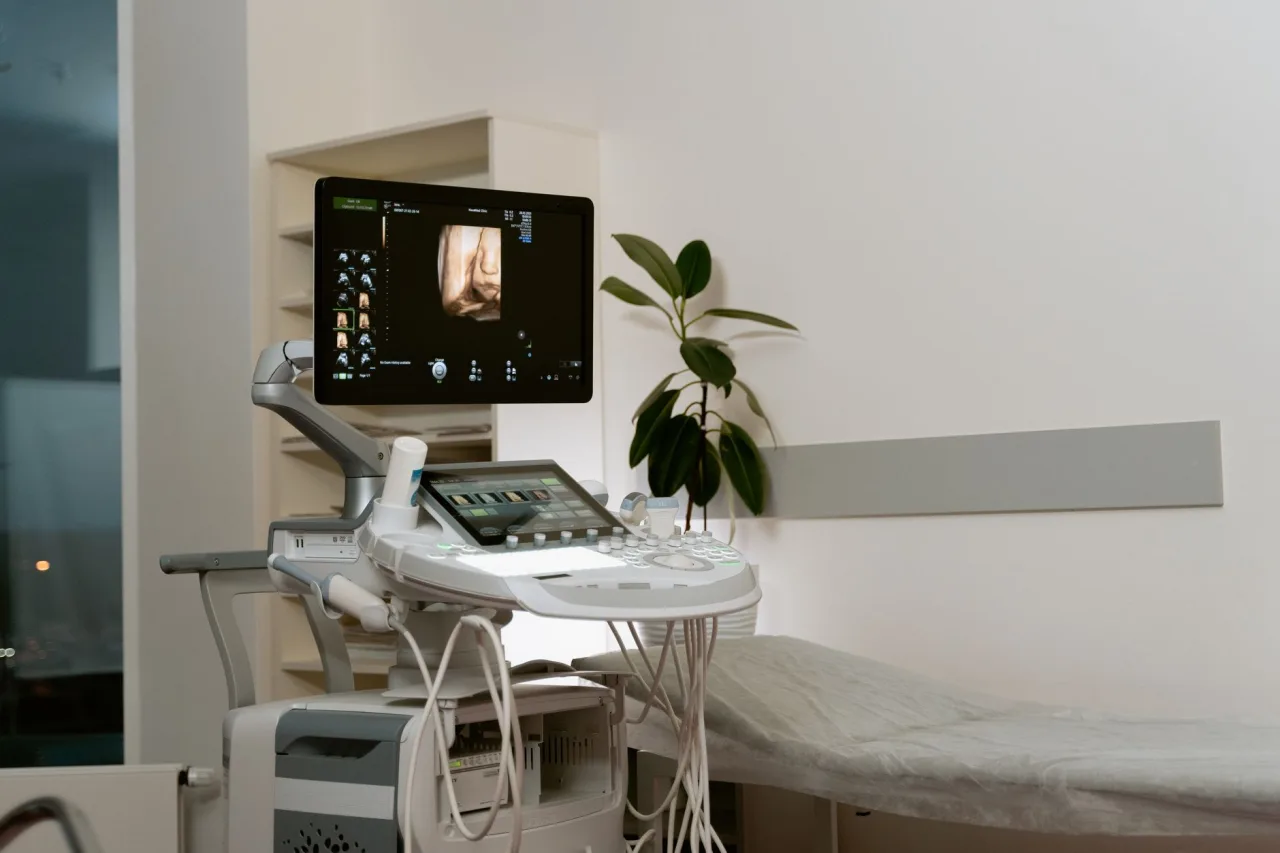
The clearest way to understand ultrasound machine pricing is by form factor. The ranges below are broad planning figures, not quotes, and vary by brand, configuration, condition, and region.
- Handheld and point-of-care (POCUS): pocket or tablet-connected probes, roughly 2,000 to 20,000 US dollars. Highly portable, quick to deploy at the bedside, and increasingly capable, though generally with fewer advanced modes.
- Portable and laptop-style: compact systems that fold or sit on a small cart, roughly 10,000 to 40,000 US dollars. A strong balance of image quality and mobility for clinics and mobile services.
- Cart-based consoles: full trolley systems, roughly 20,000 to 75,000 US dollars for mid-range and 75,000 to 250,000 dollars or more for premium. The best image quality, the widest probe range, and the most advanced software.
Portability trades against capability
Smaller usually means cheaper and more mobile, but also fewer probes, fewer advanced modes, and sometimes lower image quality than a console. Choose the smallest form factor that still covers the exams you actually perform, rather than the smallest or the largest for its own sake.
Which form factor fits which clinic
The gap between form factors has narrowed in recent years. Modern handhelds can produce images that would have needed a cart-based system a decade ago, and many now connect to a tablet or phone, which lowers the entry price and appeals to mobile and bedside users. Cart consoles still lead on raw image quality, the number of probes they support at once, and advanced applications, so the choice is less about which is better in the abstract and more about which trade-offs suit your daily work and budget.
Matching the machine to the setting keeps you from overspending or underbuying:
- Emergency, bedside, and field use: handheld or portable units win on speed and mobility.
- Small and single-specialty clinics: a portable or entry cart often covers the workload affordably.
- Radiology, cardiology, and busy multi-specialty centres: a mid-range or premium console earns its cost through image quality, probe range, and throughput.
If portability is your priority, our clinic buyer guide to the best portable ultrasound machines compares specific options, and our broader best ultrasound machines guide covers cart systems and tiers.
How to buy safely
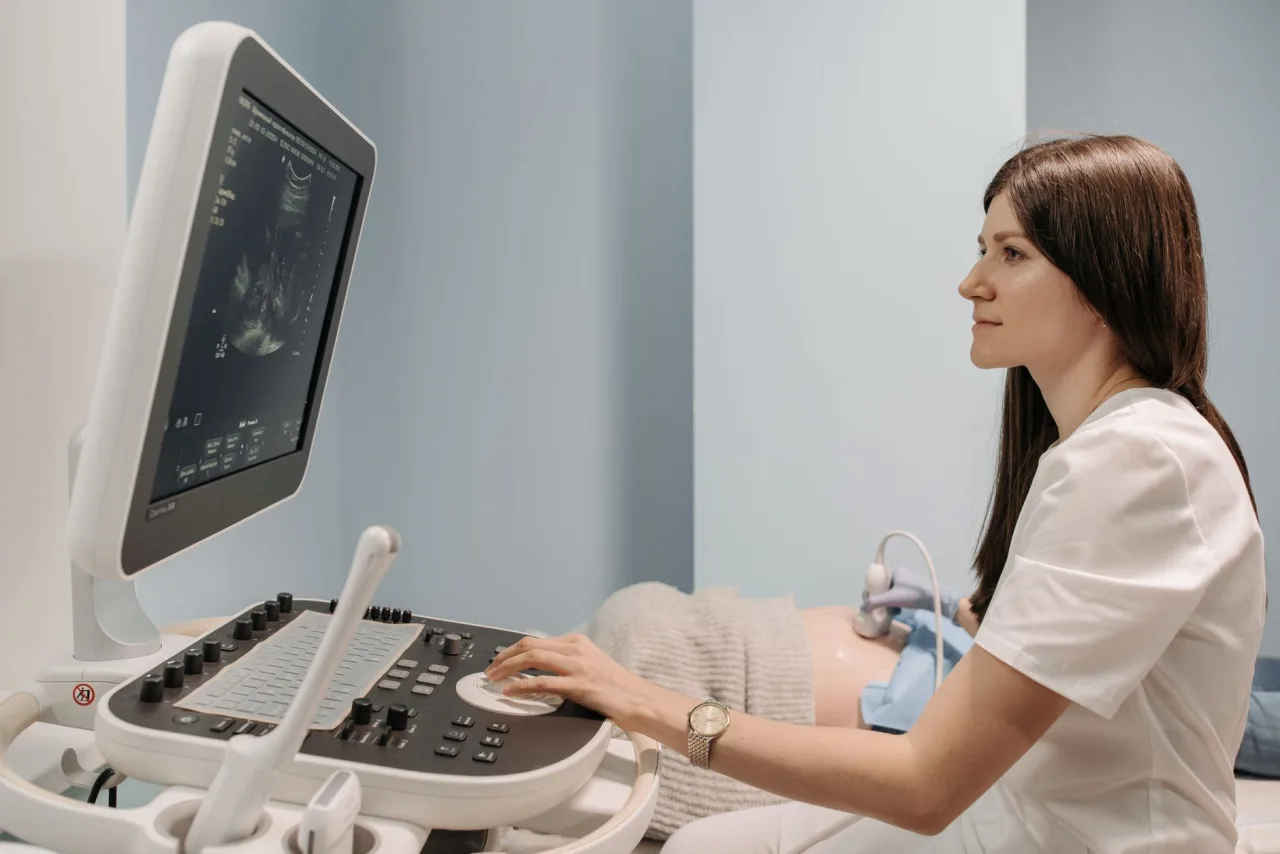
Because ultrasound machines are a large purchase and a growing second-hand market exists, buying safely matters as much as buying cheaply. A sensible checklist:
- Use reputable, authorised vendors. Prefer sellers with a track record, references, and a real service operation.
- Confirm regulatory clearance. Make sure the specific model is cleared or approved for sale and use in your country.
- Vet refurbished units carefully. Ask what was replaced or reconditioned, who did it, and what warranty applies. Certified refurbished can save 40 to 60 percent versus new when done properly.
- Check probes and compatibility. Confirm which transducers are included and that they suit your exams; probes are a major cost on their own.
- Read the service terms. Response times, parts availability, and post-warranty visit costs affect total cost more than the sticker price.
Where to buy, and what each channel means for price
Ultrasound scanners are sold through several channels, and each has a different mix of price, risk, and support:
- Authorised manufacturer or dealer. Highest confidence and full warranty, usually at the highest price. Best for new premium systems and for buyers who value support.
- Specialist refurbishers. Reconditioned systems at a large discount, often 40 to 60 percent below new. Quality varies, so the reputation of the refurbisher and the warranty they offer matter a great deal.
- General online marketplaces. The widest choice and sometimes the lowest headline price, but also the highest risk. Confirm the model is cleared for sale, verify the seller, and be cautious of listings with no service or warranty.
Whichever channel you choose, the safest purchases share the same traits: a traceable seller, a clear warranty, confirmed regulatory clearance, documented reconditioning for used units, and access to parts and service after the sale.
Batteries, connectivity, and accessories that add up
Form factor changes not just the console price but the accessories you need. Handheld and portable units often rely on batteries that degrade over time and eventually need replacing, and some depend on a tablet or phone app that must stay compatible with future operating system updates. Across all form factors, budget for spare probe covers, cleaning and disinfection supplies, gel, thermal paper, a suitable cart or mount, and any connectivity licence to send images into your records system. These extras are small next to the console but they are real, recurring, and easy to forget when you compare two quotes. Over the life of a portable system, replacement batteries and accessories can quietly add up to a meaningful share of the original purchase price, so it pays to ask about them before you sign rather than after.
Machine price is not the price of a scan
As with every machine-price question, keep the two apart. The ranges above are what a clinic pays to buy the scanner. What a patient pays for an appointment is a separate, much smaller, per-visit fee that depends on the exam, the facility, the country, and insurance. Patients should read our guide to ultrasound scan prices with and without insurance instead.
The same equipment is searched under several names, and we cover each with a different angle. Our ultrasound equipment price guide takes a whole-kit view, our medical ultrasound machine price guide groups systems by specialty, and our ultrasonography machine price guide focuses on the buying and financing decision.
This is general information, not medical or financial advice
These are educational planning ranges only, not quotes. Patients should discuss any scan and its results with their doctor or referring clinician. Buyers should get written quotes from authorised vendors, confirm regulatory clearance, and consult a biomedical engineer or financial advisor before committing.
Frequently asked questions
What is the difference between ultrasound and sonography?
There is no difference in the device. Sonography is the technique of imaging with sound waves, and ultrasound is the same thing, so an "ultrasound sonography machine" is just an ultrasound scanner. Price depends on the machine's form factor, features, and condition.
How much does an ultrasound sonography machine cost?
As a broad planning range, handhelds run from about 2,000 to 20,000 dollars, portables from 10,000 to 40,000 dollars, and cart-based consoles from 20,000 to 250,000 dollars or more depending on tier. Extra probes cost more. Always confirm with written quotes.
Is a handheld machine good enough for a clinic?
For bedside, emergency, and focused exams, a good handheld can be very capable. For high image quality, a wide probe range, and advanced modes, a portable or cart-based console is usually the better fit. Match the form factor to the exams you actually perform.
How do I avoid a bad refurbished purchase?
Buy from reputable, authorised vendors, ask exactly what was reconditioned and by whom, confirm the model is cleared for sale in your country, check the warranty and parts availability, and confirm which probes are included. Done well, certified refurbished can save 40 to 60 percent.
Does the machine's price set what I pay for a scan?
No. The machine price is a clinic's business cost. A patient's scan fee is a separate, much smaller amount set by the facility and depends on the exam, location, and insurance. See our scan price guide for patient costs.
More guides on Costs & Insurance
Have a question or a topic to suggest?
We read every message. Tell us what you would like to see next.
You may also like

Ultrasound Equipment Price (2026)
Realistic 2026 price ranges for a full ultrasound setup, from console to probes, gel and service, with a clear line between equipment cost and patient scan cost.
Medical Ultrasound Machine Price
Medical ultrasound machine prices grouped by clinical setting and tier, from handheld POCUS to premium cardiology consoles, with honest 2026 ranges and caveats.
Ultrasonography Machine Price
Ultrasonography machine prices for 2026 built around the buying decision: what moves the price, lease vs finance vs buy, and total cost of ownership.