Best Ultrasound Gel: Buyer's Guide
Choosing ultrasound gel is an infection-control decision, not just a purchase. Sterile versus non-sterile, quality, and safe handling.
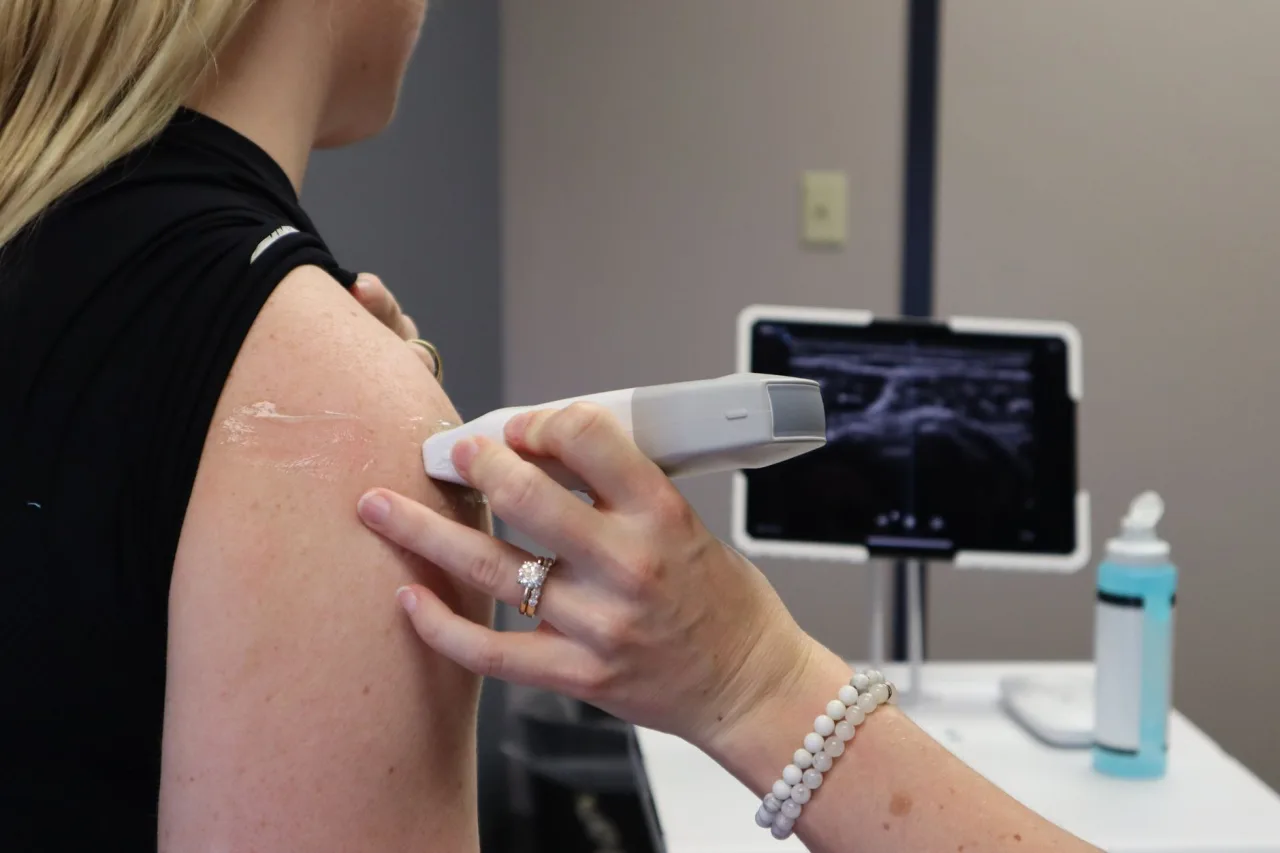
Ultrasound gel is easy to overlook, yet it is essential to every scan and it carries a real infection-control responsibility. The gel removes air between the probe and the skin so sound waves can pass into the body, and choosing the right type, sterile or non-sterile, bottle or single-use packet, matters more than most buyers expect. This guide explains how a clinic should choose and handle ultrasound gel in 2026.
The short version
- Gel exists to couple the probe to the skin, because air blocks ultrasound almost completely, so a good contact layer is what makes an image possible.
- The most important choice is sterile versus non-sterile: use sterile, single-use gel for procedures involving broken skin, sterile fields, or invasive probes.
- Non-sterile multi-use gel has been linked to outbreaks of bacterial infection, so storage and handling are safety issues, not just convenience.
- Beyond safety, judge gel on viscosity, acoustic clarity, skin sensitivity, and packaging that fits your workflow.
Why ultrasound needs gel at all
Ultrasound works by sending sound waves from a transducer into the body and reading the echoes. Air is the enemy of that process. As the Wikipedia overview of medical ultrasound explains, a water-based gel is placed between the skin and the probe to help ultrasound transmission, because air causes almost total reflection of the sound waves. Without gel, the beam would bounce off the thin layer of air at the skin and never reach the tissues you want to image.
This is the same principle behind every scan described in our overview of how ultrasound works, and the NHS describes the sonographer putting a slippery gel on the skin as a standard part of an external scan.
Sterile versus non-sterile: the decision that matters most
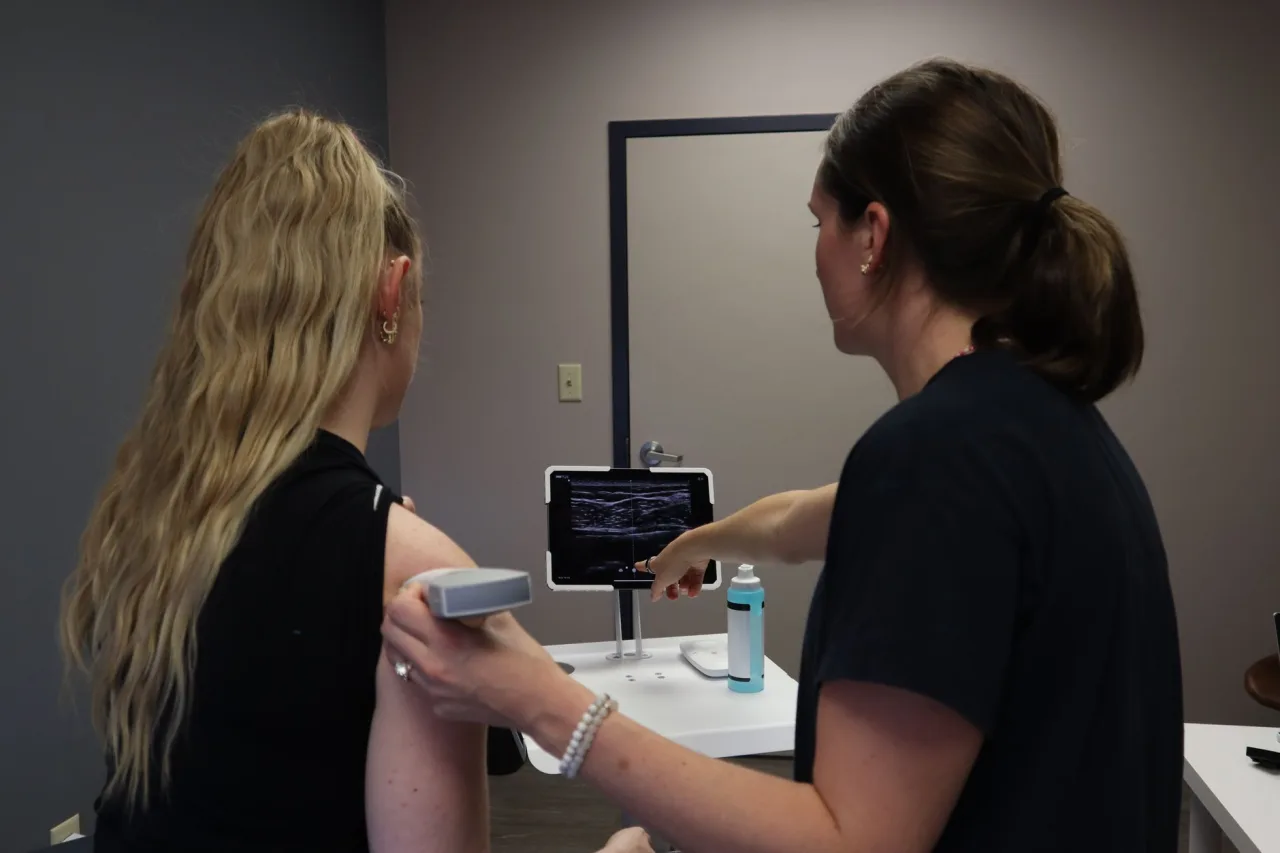
The first question is not brand, it is sterility. The two categories serve different situations:
- Sterile gel: typically supplied in single-use sachets. Use it wherever the skin is broken, near surgical or sterile fields, for needle-guided procedures, and with invasive probes such as those used internally.
- Non-sterile gel: supplied in bottles or larger containers for routine scans on intact skin, such as a standard abdominal or musculoskeletal examination.
Regulators have been explicit that only unopened gel labelled as sterile should be treated as sterile, and that products not labelled for sterility should not be assumed safe for procedures requiring it. When in doubt, choose sterile single-use for anything invasive or involving non-intact skin.
Why gel is an infection-control issue
This is not a theoretical concern. Public health investigations have linked contaminated non-sterile, multi-use ultrasound gel to outbreaks of serious bacterial infection. In a well-documented case, the United States Food and Drug Administration and Centers for Disease Control and Prevention connected contaminated ultrasound gel to bloodstream and other infections, leading to recalls and warnings that reinforced the use of sterile, single-use products for higher-risk procedures.
Important safety note: Refilling or topping up bottles, using open containers for a long time, or warming gel improperly can allow bacteria to grow. Follow the manufacturer's storage, single-patient-use, and expiry guidance, and use sterile single-use gel for any procedure on broken skin or in a sterile field.
What to look for beyond sterility
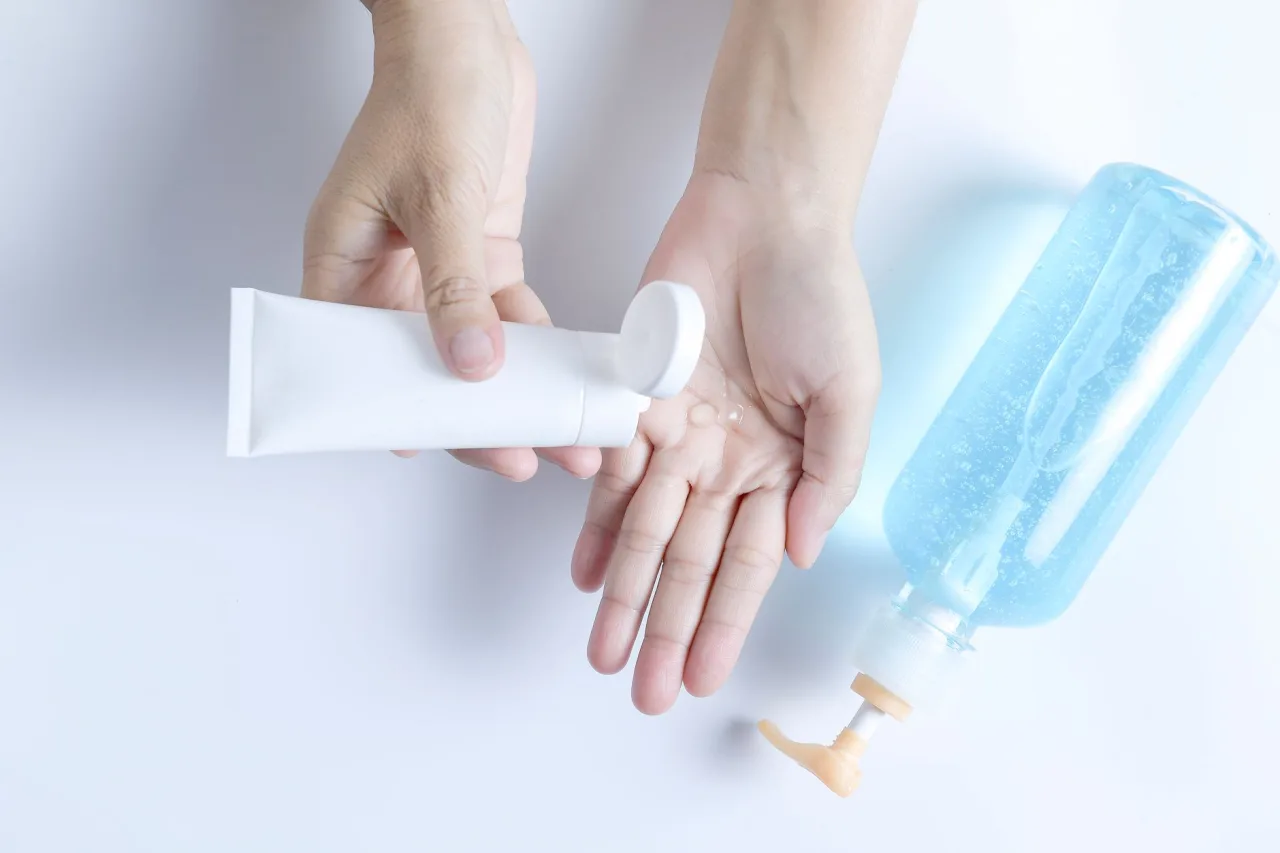
Once you have matched sterility to the procedure, compare products on practical qualities:
- Acoustic clarity: good gel transmits sound efficiently without introducing artefacts or bubbles.
- Viscosity: thicker gel stays put on curved or vertical surfaces, while thinner gel spreads easily. The best choice depends on your scans.
- Skin compatibility: look for hypoallergenic, dye-free, and fragrance-free options for sensitive patients, and check the pH is skin friendly.
- Residue and feel: gel that wipes off cleanly improves patient comfort and reduces mess.
- Probe compatibility: confirm the gel is safe for your transducers, since some materials can be affected by certain formulations.
Because the gel meets the transducer directly, it is worth reading this alongside our ultrasound probe guide so your consumables and hardware are compatible.
Two further practical points are easy to overlook. First, some gels are formulated to be low in salts or specially prepared for use with electrical equipment such as combined ultrasound and stimulation devices, so check the intended use if your clinic uses that kind of kit. Second, colour and clarity are largely cosmetic: a blue or clear gel is not automatically better, so judge on transmission quality, skin compatibility, and packaging rather than appearance.
Packaging and workflow
How gel is packaged shapes both safety and daily convenience. The common options each suit different settings:
| Format | Best for | Watch out for |
|---|---|---|
| Single-use sterile sachets | Invasive procedures, broken skin, sterile fields | Higher cost per scan |
| Squeeze bottles (non-sterile) | Routine scans on intact skin | Do not refill, respect expiry |
| Bulk containers with dispensers | High-volume clinics | Contamination risk if bottles are topped up |
| Gel warmers | Patient comfort | Follow guidance to avoid promoting bacterial growth |
Buying in bulk lowers unit cost, but only if your storage and handling keep the gel safe. A clean, dated, single-patient approach to bottles is safer than economising in ways that invite contamination.
When you compare suppliers, look past the price per litre to the practical details: how the containers dispense, whether sterile sachets are the right size for your procedures, how much waste each format creates, and how reliable delivery and stock levels are. A gel that is cheap on paper but arrives late, leaks, or comes in awkward packaging can cost more in wasted time and product than a slightly pricier option that simply works. Keeping a small buffer stock of sterile single-use sachets is wise, since these are the items you least want to run out of mid-list.
Common mistakes to avoid
Many gel-related problems come down to a handful of avoidable habits. Reviewing them with your team is a quick way to reduce risk:
- Treating all gel as interchangeable: using non-sterile gel where sterile single-use is required is a genuine infection risk, not a shortcut.
- Refilling or topping up bottles: this can seed and spread bacteria through a container, and it has been implicated in real outbreaks.
- Keeping bottles open for too long: once opened, gel should be used within the recommended period and then discarded, not stretched to save money.
- Improvised warming: heating gel outside a proper warmer, or keeping it warm for long periods, can encourage bacterial growth. Use dedicated warmers and follow the guidance.
- Ignoring expiry dates: expired gel may not perform as intended and should not be used.
- Assuming gel cannot harm a probe: some formulations can affect certain transducer materials, so check compatibility with the probe maker.
None of these habits saves meaningful money once you account for the cost of a healthcare-associated infection. Building simple rules into your daily routine protects patients and staff alike.
Tip: A short written gel protocol, covering when sterile is required, how bottles are labelled and dated, and when they are discarded, is one of the cheapest infection-control improvements a clinic can make.
Buying, storage, and stock control
A sensible purchasing routine keeps both safety and budget in check:
- Keep separate stock of sterile single-use gel for invasive and higher-risk procedures.
- Rotate stock by expiry date and store gel according to the label.
- Never refill or combine bottles, and discard opened containers per the manufacturer's guidance.
- Train all staff on when sterile gel is required, and record it in your infection-control policy.
These consumable habits sit alongside your hardware decisions in the ultrasound machine buyer's guide and the portable ultrasound guide, since a great machine still depends on clean, well-chosen gel.
Please note: This guide is general commercial and educational information for clinics, not medical or infection-control advice for a specific setting. Follow your professional body, local regulations, and each product's instructions, and consult your infection-control lead before setting policy.
Frequently asked questions
When do I need sterile ultrasound gel?
Use sterile, single-use gel whenever the skin is broken, during or near sterile and surgical fields, for needle-guided procedures, and with invasive probes. For routine external scans on intact skin, non-sterile gel is generally appropriate. When unsure, choose sterile single-use.
Can I refill or top up an ultrasound gel bottle?
No. Refilling or topping up bottles can introduce and spread bacteria, and this practice has been linked to infection outbreaks. Use containers as supplied, respect expiry dates, and follow the manufacturer's storage and single-use guidance.
Why is gel needed for an ultrasound scan?
Air almost completely reflects ultrasound, so a thin layer of air between the probe and skin would block the image. Gel removes that air and couples the transducer to the body, allowing sound waves to pass in and echoes to return.
Does ultrasound gel come in warm options?
Gel can be warmed for patient comfort using proper gel warmers, but warming must follow guidance so it does not encourage bacterial growth. Never improvise heating methods, and follow the product and warmer instructions.
Is ultrasound gel safe for sensitive skin?
Many gels are hypoallergenic, dye-free, and fragrance-free, which suits sensitive patients. If a patient has known skin sensitivities or allergies, check the ingredients and consider a suitable alternative, and raise any concerns with the clinician.
More guides on Machines & Equipment (B2B)
Have a question or a topic to suggest?
We read every message. Tell us what you would like to see next.
You may also like
Ultrasound Machine 2026: Buyer's Guide
A practical buyer's guide to choosing an ultrasound machine for your clinic, covering application fit, image quality, probes, budget tiers, total cost of ownership and support.
Best Portable Ultrasound Machine
A practical 2026 buyer's guide to portable ultrasound machines for clinics, covering formats, image quality, probes, budget tiers, regulatory clearance, and total cost.
Best Ultrasound Probe: Buyer's Guide
A 2026 buyer's guide to ultrasound probes for clinics: linear, curvilinear, phased array, and endocavitary transducers, plus frequency, compatibility, and disinfection.