Ultrasound Machine 2026: Buyer's Guide
Match the system to your exams, not the hype: image quality, probes, budget and service explained for clinic owners.
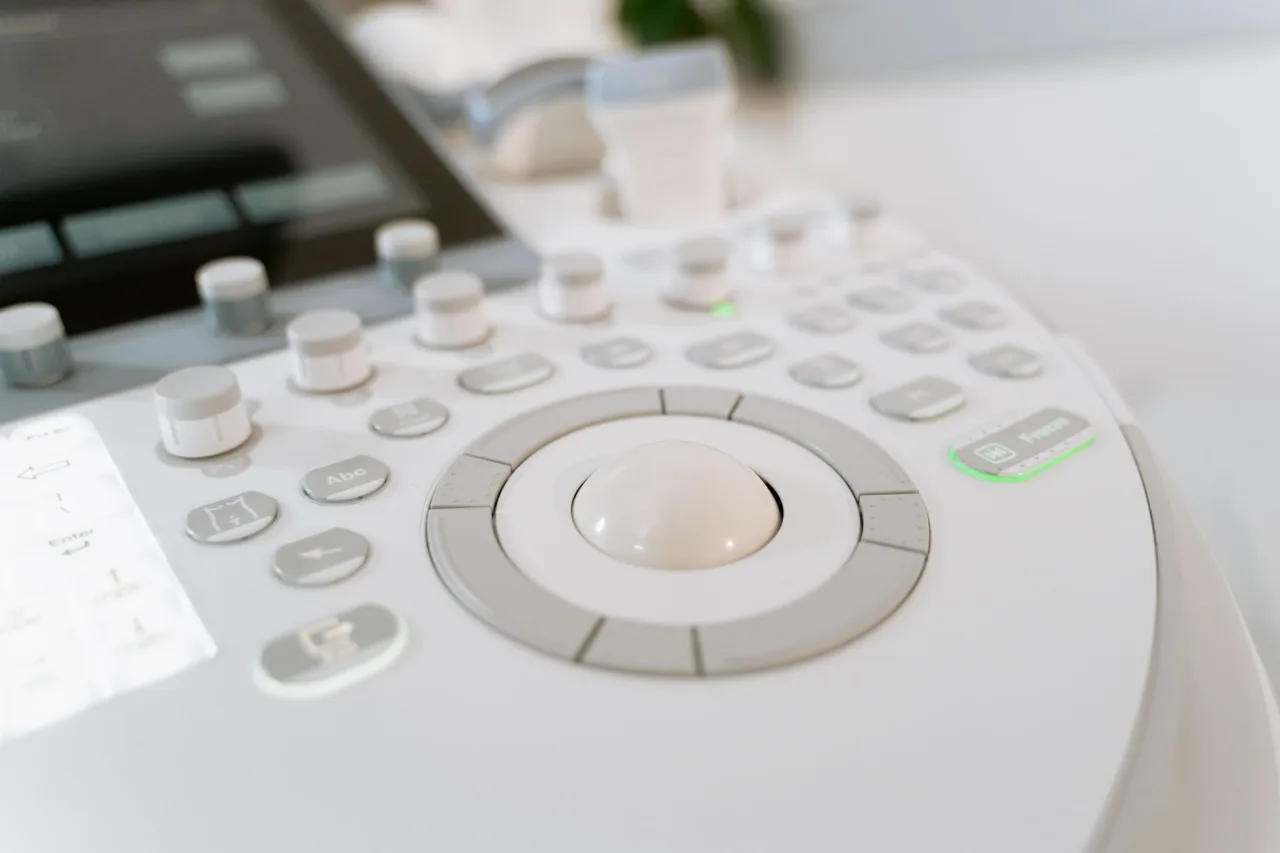
Choosing an ultrasound machine for a clinic is less about finding the single "best" model and more about matching a system to the exams you actually perform, the images your clinicians need, and the budget you can sustain over five to ten years. The right choice for a busy radiology practice looks nothing like the right choice for a small women's health clinic or a bedside point-of-care setup. This guide walks through how to shop by application, quality, cost and support so you buy a tool that pays for itself.
The short version
- Start from your clinical use case and patient mix, not from a brand or a spec sheet.
- Image quality lives mostly in the transducers and the software, so budget for both.
- Total cost of ownership includes probes, service contracts, gel and training, not just the sticker price.
- Prices vary enormously by system class, condition and region, so gather written quotes and confirm regulatory clearance before you commit.
What an ultrasound machine actually does
An ultrasound system sends high-frequency sound waves into the body through a hand-held transducer, then builds a live image from the echoes that bounce back. Because it relies on sound rather than radiation, it is one of the safest imaging tools available. As RadiologyInfo.org explains, general ultrasound imaging is extremely safe and does not use ionizing radiation, which is part of why it is so widely used across obstetrics, cardiology, musculoskeletal work and general diagnostics. If you want a plain-language refresher on the exam itself before you evaluate hardware, our overview of what an ultrasound is and how it works is a useful starting point.
For a clinic owner, the practical takeaway is that a machine is only as good as its fit. A system that produces stunning cardiac images may be mediocre for early pregnancy dating, and a compact unit that is perfect at the bedside may frustrate a sonographer doing detailed abdominal studies all day.
Match the machine to your clinical use
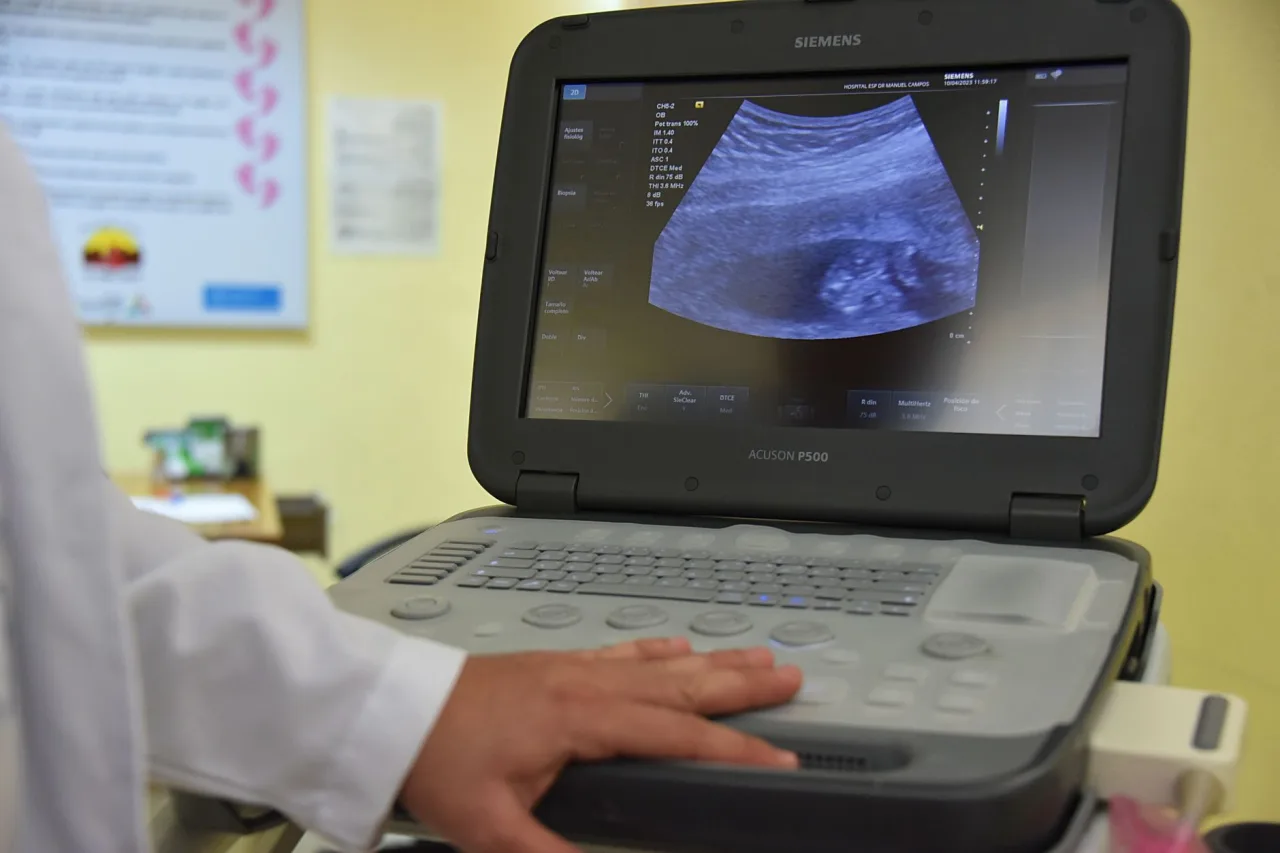
Before you look at any spec sheet, write down what you will scan and how often. The mix of exams determines almost everything else, including which transducers you need and how much processing power is worth paying for.
- Obstetrics and gynaecology: prioritise a strong curved abdominal probe and an endocavity probe, plus good early-gestation resolution and, if patients expect it, 3D or 4D rendering.
- General radiology and abdominal: you want versatility across curved, linear and sometimes phased-array probes, with reliable Doppler for blood flow.
- Cardiac (echocardiography): a phased-array probe, robust colour and spectral Doppler, and strong cardiac measurement packages matter most.
- Musculoskeletal, vascular and small parts: a high-frequency linear probe with fine near-field detail is the priority.
- Point-of-care and bedside: portability, fast boot time and durability often outrank absolute image quality.
Most general clinics land on a mid-range cart-based system with two or three transducers that cover their common studies, then add specialised probes only as demand grows.
The main categories of system
Ultrasound hardware broadly splits into three families, and understanding them prevents overbuying or underbuying.
- Cart-based consoles: the traditional wheeled systems with a large monitor and multiple probe ports. They offer the widest range of features and the best ergonomics for high-volume scanning.
- Portable and laptop-style units: smaller systems that still support several probes, suited to clinics that move machines between rooms or run outreach. Our companion guide to the best portable ultrasound machines covers this class in detail.
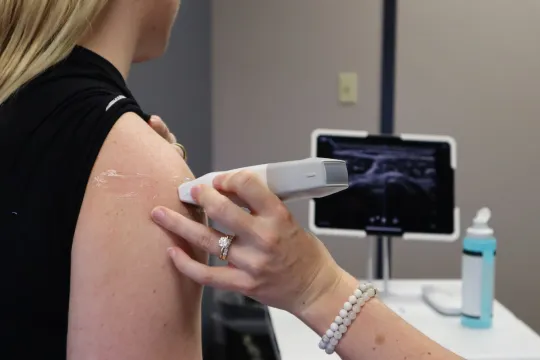
- Handheld and point-of-care devices: probe-sized units that pair with a tablet or phone. They are affordable and convenient for focused assessments, though image quality and feature depth are more limited.
A common mistake is buying a flagship console for a workload that a well-chosen portable would handle, or buying a handheld to save money and then finding it cannot deliver the detail your referrers expect.
Image quality: what actually matters
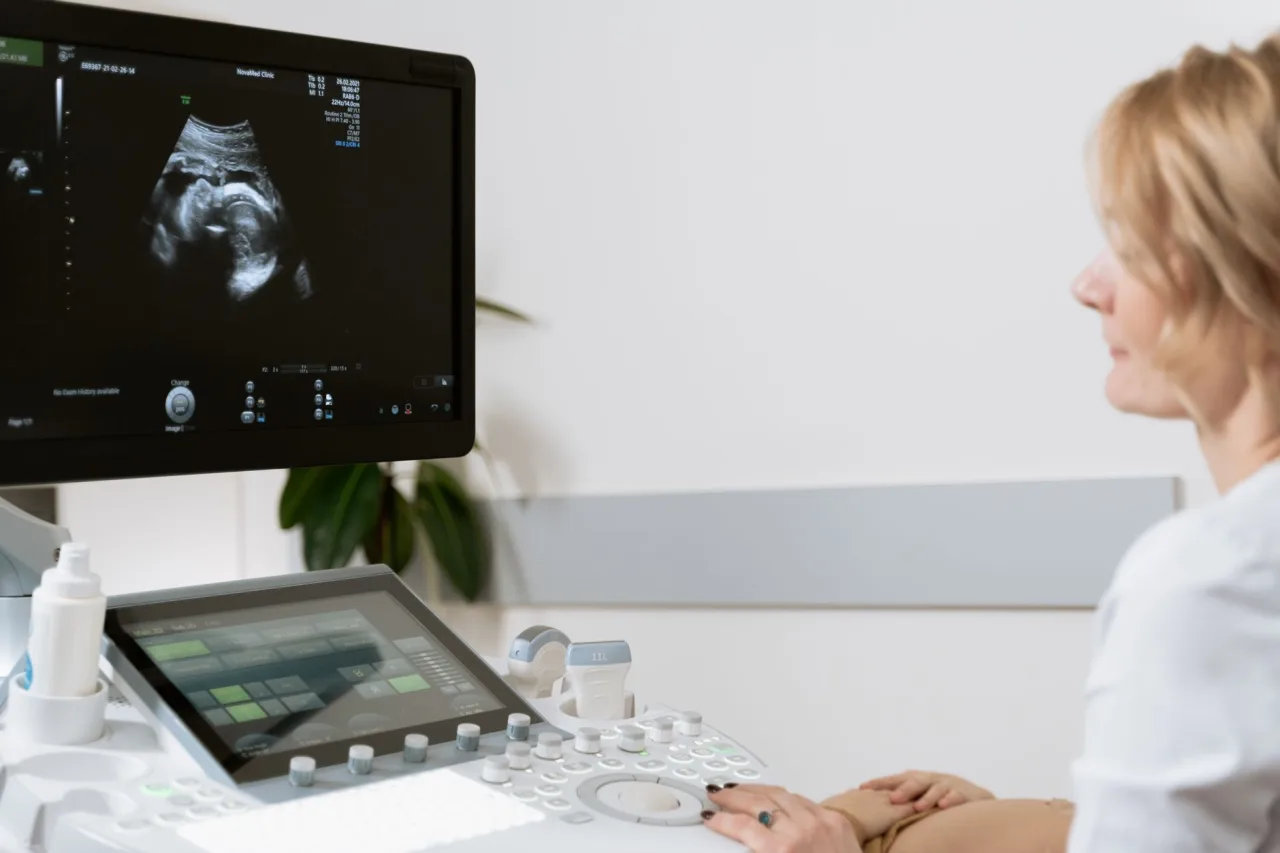
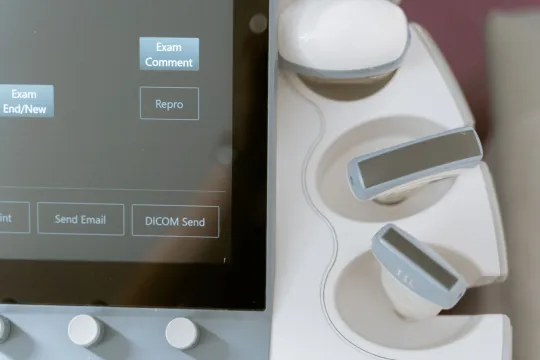
Marketing tends to emphasise the monitor and the software menus, but the single biggest driver of diagnostic image quality is the transducer. The probe determines frequency, penetration and resolution for each exam type, which is why a system is only as capable as the probes you pair with it. Our overview of the ultrasound probe options and how to choose them goes deeper on this.
Beyond the probe, pay attention to the processing and software: harmonic imaging, speckle reduction, needle-guidance tools and Doppler quality all shape what a clinician can see. Established manufacturers such as GE HealthCare, Philips, Canon Medical, Samsung Medison, Mindray and Fujifilm Sonosite each offer several tiers, so compare within a tier rather than across brands alone.
Tip
Never buy on a spec sheet alone. Arrange a live demonstration, ideally scanning real patients from your typical caseload, and have the sonographers who will use the system every day judge the images and the ergonomics.
Budget tiers and total cost of ownership
Prices vary widely by system class, age, configuration and region, so treat any figure as a rough planning range and confirm with written quotes. As a broad guide, handheld point-of-care devices often sit in the low thousands, capable portable and refurbished cart systems commonly run from the mid five figures, and new high-end consoles with premium cardiac or obstetric packages can reach well into six figures. These are ballpark ranges only, not quotes, and they shift with currency, taxes and included probes.
The sticker price is only part of the story. Budget realistically for the full cost of ownership, which includes:
- Transducers: often the most expensive consumable to replace, and easily damaged if mishandled.
- Service contracts: annual coverage for maintenance and repairs, which can be a meaningful share of the purchase price.
- Consumables: ongoing ultrasound gel, probe covers and cleaning supplies.
- Training and staffing: onboarding for your team, plus the trained sonographers to run the system. In the United States, look for operators credentialed through bodies such as the American Registry of Radiologic Technologists, and see our sonography career guide for the credentials to check when hiring.
It is easy to underestimate these running costs when you focus on the purchase price. Over a five to ten year life, service contracts, probe replacements and consumables can add up to a substantial share of the total spend, so build them into your business case from the start rather than treating them as surprises later.
On the topic of "free" ultrasound machines: genuine no-cost systems are rare and usually come through charitable grants, equipment donation programmes or manufacturer trade-in offers rather than open-market giveaways. Treat any advertisement promising a free clinical-grade machine with healthy scepticism, and confirm the condition, servicing history and regulatory status before accepting anything.
Warranty, service and support
Downtime is expensive when a machine drives your appointment revenue, so support matters as much as image quality. Before signing, get clear answers on the warranty length and what it covers, expected response times for service calls, whether loaner units are provided during repairs, and how quickly replacement probes can be sourced. Ask existing customers in your region about the vendor's real-world responsiveness, not just the promises in the contract.
Connectivity and everyday workflow
A machine does not work in isolation, so consider how it fits your clinic's systems. Check that it supports the standards that let images flow into your records and reporting, commonly DICOM for images and integration with a PACS or reporting platform, so studies do not get stranded on the machine. Practical ergonomics matter too: an adjustable monitor and control panel, quiet operation, easy probe cleaning and a fast boot time all add up over a full clinic day and affect how much your team actually enjoys using the system. If your workflow spans multiple rooms or sites, storage of prior studies and remote reporting can be just as important as raw image quality.
New, refurbished or shared, and the regulatory basics
Refurbished systems from a reputable vendor can offer excellent value, often at a large discount to new, provided they come with a warranty, a documented service history and support for current probes. New systems carry the latest software and the longest support runway. A middle path some clinics take is shared or leased equipment, which can smooth the cash-flow impact of a large purchase, though it is worth checking the total cost over the lease term against buying outright. Whichever route you take, confirm the device carries the appropriate regulatory clearance for your country, such as FDA clearance in the United States or CE marking in Europe, and that it will continue to receive software and security updates.
A note on scope
This is purchasing guidance for clinics, not clinical or diagnostic advice. Decisions about how a scan is performed or interpreted belong to qualified sonographers and radiologists. If you are a patient looking for a scan rather than a buyer, see our guide to how to find and choose an ultrasound clinic instead.
Frequently asked questions
How much does a clinic ultrasound machine cost?
Prices vary widely by system class, condition, configuration and region, so treat any figure as a rough planning range rather than a quote. As a broad guide, handheld devices often sit in the low thousands, capable portable and refurbished cart systems commonly run from the mid five figures, and new high-end consoles can reach well into six figures. Always gather written quotes that specify the included probes, warranty and service terms.
Is a refurbished ultrasound machine a good idea?
A refurbished system from a reputable vendor can offer strong value, provided it comes with a warranty, a documented service history and support for current transducers. Confirm the regulatory clearance and check that the software will keep receiving updates before you buy.
What is the most important factor in image quality?
The transducer, or probe, is the single biggest driver of diagnostic image quality, because it sets the frequency, penetration and resolution for each exam type. Processing features such as harmonic imaging and Doppler also matter, but a system is only as capable as the probes you pair with it.
Can I get a free ultrasound machine for my clinic?
Genuinely free clinical-grade machines are rare and usually come through charitable grants, donation programmes or manufacturer trade-in offers rather than open-market giveaways. Treat any advertisement promising a free machine with scepticism, and verify the condition, servicing history and regulatory status before accepting anything.
How many transducers do I need to buy?
That depends entirely on your exam mix. Many general clinics start with two or three probes that cover their common studies, such as a curved abdominal probe, a linear probe and an endocavity or phased-array probe, then add specialised transducers as demand grows.
More guides on Machines & Equipment (B2B)
Have a question or a topic to suggest?
We read every message. Tell us what you would like to see next.
You may also like
Best Portable Ultrasound Machine
A practical 2026 buyer's guide to portable ultrasound machines for clinics, covering formats, image quality, probes, budget tiers, regulatory clearance, and total cost.
Best Ultrasound Probe: Buyer's Guide
A 2026 buyer's guide to ultrasound probes for clinics: linear, curvilinear, phased array, and endocavitary transducers, plus frequency, compatibility, and disinfection.
Best Ultrasound Gel: Buyer's Guide
A 2026 buyer's guide to ultrasound gel for clinics: why gel matters, sterile versus non-sterile, infection-control risks, and how to choose and store it safely.