CT Scan Near Me: How to Choose a Clinic
What actually separates a good CT imaging center from an average one, and the questions to ask before you book.
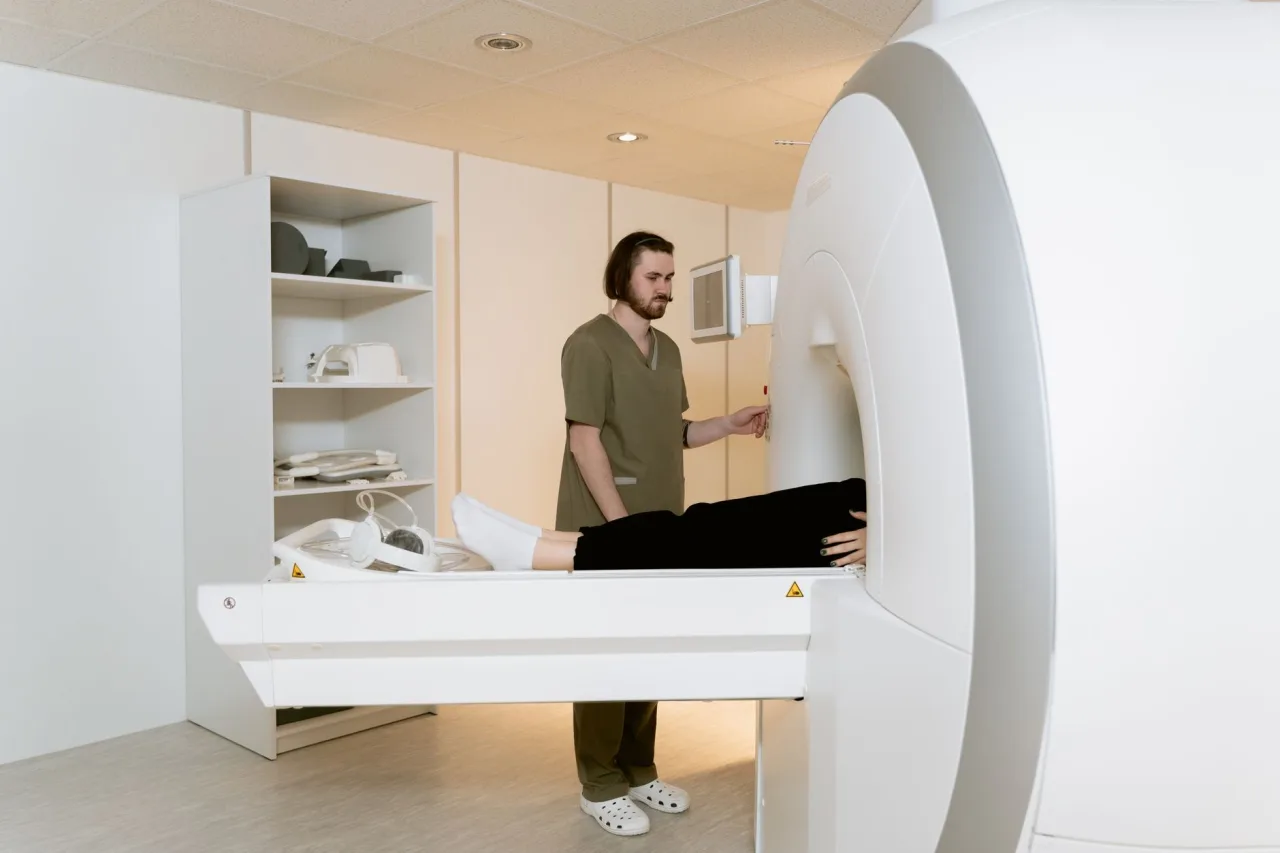
Searching for a CT scan near you usually means you already have a referral in hand and want it done quickly, safely, and without an ugly surprise on the bill. This guide walks you through how to find a reputable CT provider, what actually separates a good imaging center from an average one, and the questions worth asking before you book. It is educational information, not a directory of named clinics, because the right choice depends on your referral, your insurance, and where you live.
The short version
- Look for accreditation first: an accredited CT facility has passed an independent review of image quality, dose, and staff qualifications.
- Confirm a board-certified radiologist reads and reports your scan, not just that the machine takes the pictures.
- Ask about price up front and get it in writing: CT costs vary widely by facility type, contrast, and insurance.
- Bring your referral, past imaging, and a list of allergies and medications, especially if contrast dye is planned.
Start with your referral, not the search bar
A CT (computed tomography) scan is almost always ordered by a doctor for a specific reason: to look at a particular organ, injury, or symptom. Before you compare clinics, read the referral or ask the ordering clinician what body part is being scanned and whether contrast is needed. That single detail changes which facilities are appropriate, how long the appointment takes, and what you should do to prepare. If you are still learning what the test involves, our overview of what a CT scan is used for and how it works is a good place to start before you book anything.
According to the UK's NHS guide to CT scans, a CT scanner uses X-rays and a rotating ring to build detailed cross-sectional images, and a contrast dye may be given by drink, injection, or other route to make certain tissues show up more clearly. Knowing whether your scan needs contrast tells you a lot about preparation, timing, and the questions to raise with the clinic.
What "a good CT clinic" actually means

Most people picture the scanner when they think about quality. In practice, the machine matters less than the system around it: who reviews the images, how carefully the dose is managed, and whether the facility has been independently checked. A helpful shorthand is to look for three things.
- Accreditation. An accredited facility has voluntarily submitted its equipment, images, and personnel for outside review.
- Radiologist reporting. A physician trained in imaging should interpret your scan and send a written report to your doctor.
- Qualified technologists. The person running the scanner should be a certified radiologic technologist, ideally with CT-specific credentials.
The American College of Radiology (ACR) accredits imaging facilities across several modalities, including CT, and its review covers image quality, radiation dose, equipment performance, and staff qualifications. Accreditation is not a guarantee of a perfect experience, but a facility that has earned it has cleared a meaningful, independent bar. Where you have the choice, an accredited center is a sensible default.
Radiation and dose: a fair way to think about it
CT uses more radiation than a plain X-ray because it captures many images to build its detailed views. That is a reasonable trade when the scan answers an important question, and modern facilities work to keep the dose as low as reasonably achievable. The RadiologyInfo resource from the ACR and RSNA lists effective doses for common exams, for example roughly 0.1 millisieverts for a chest X-ray versus several millisieverts for a chest CT, with abdominal CT often higher depending on whether contrast is used. You can read the full comparison on RadiologyInfo's radiation dose page.
A practical question to ask: does this facility use low-dose or dose-optimized CT protocols, especially for children or for follow-up scans? A good clinic will answer plainly. The goal is never zero radiation, it is the smallest dose that still produces a diagnostic image for your specific question.
Where CT scans are done, and how they differ
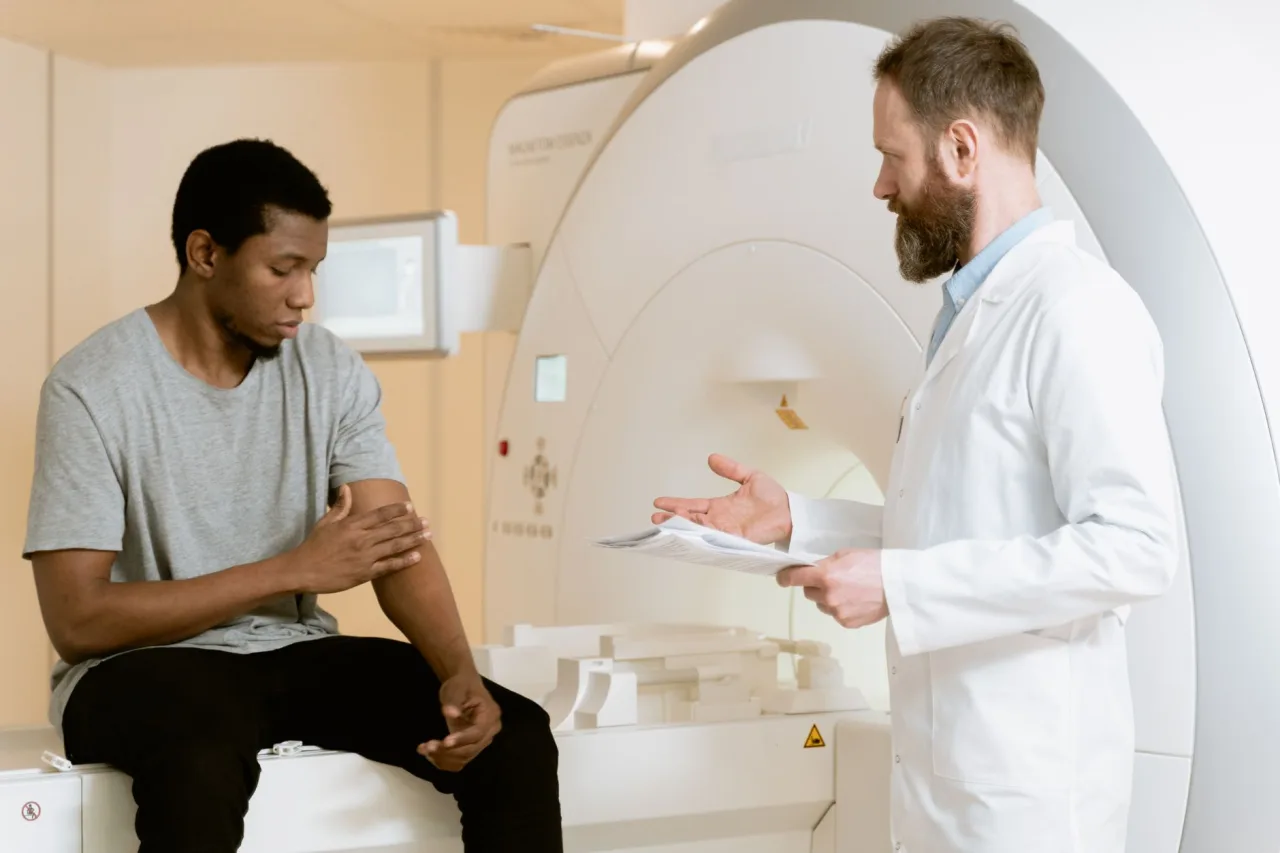
You will generally find CT at three kinds of places, each with trade-offs:
- Hospital radiology departments. Best for emergencies, complex cases, and patients who may need immediate follow-up care. Often the most expensive setting.
- Standalone or outpatient imaging centers. Frequently faster to book and lower cost for routine, non-urgent scans, with a focus on scheduled outpatient work.
- Multi-service diagnostic centers. Offer CT alongside MRI, ultrasound, and X-ray, which can be convenient if your workup needs more than one test.
If your doctor has ordered several tests, comparing a broader diagnostic center near you that handles multiple modalities under one roof can save trips. If an MRI is also on the table, our guide to choosing an MRI center uses the same evaluation approach.
What a CT scan costs, honestly
Prices vary enormously by country, facility type, body region, whether contrast is used, and your insurance. In the United States, a self-pay CT commonly falls somewhere in the low hundreds to well over a thousand dollars, and the same scan can carry very different sticker prices at a hospital versus an outpatient center. In systems like the NHS, a medically necessary CT is typically provided without a direct charge to the patient. The only reliable number is the one the clinic and your insurer confirm for your exact scan.
- Ask for the total cost, including the technical fee (the scan) and the professional fee (the radiologist's reading).
- Ask whether contrast, which is sometimes billed separately, is included in the quote.
- If you are paying out of pocket, ask about a self-pay or prompt-pay price, which is often lower than the list price.
For a deeper breakdown with realistic ranges and insurance scenarios, see our companion article on the real price of a CT scan with and without insurance. Treat every figure as a range to confirm, never a fixed rate.
Questions to ask before you book
A five-minute phone call tells you most of what you need. Consider asking:
- Is your facility accredited for CT, and by whom?
- Will a board-certified radiologist read my scan, and how soon will the report reach my doctor?
- Do you use low-dose or dose-optimized protocols?
- Is contrast planned, and how should I prepare (fasting, hydration, medications)?
- What is the all-in price for my specific scan, and what does it include?
- Can you send me and my doctor the images and report, and in what format?
How to prepare and what to expect
Preparation depends on the scan, so follow the clinic's instructions over any general advice. Common steps include avoiding food for a few hours if contrast is planned, wearing metal-free clothing, and telling staff about pregnancy, kidney problems, diabetes, asthma, or previous reactions to contrast dye. The scan itself is usually quick, often around 10 to 20 minutes, and you lie still on a bed that moves through the scanner ring. If you feel anxious, tell the technologist, who can talk you through it.
This is general information, not medical advice. This article explains how to find and evaluate a CT provider. It cannot tell you whether you need a scan or what your results mean. Only your referring doctor or a radiologist can interpret your images and advise you on next steps. Always follow the guidance of your own healthcare team.
Frequently asked questions
How do I find a reputable CT scan clinic near me?
Start with your doctor's referral and ask whether they recommend a specific facility. Then favor an accredited CT provider where a board-certified radiologist reads the images and a certified technologist runs the scanner. Confirm price, report turnaround, and preparation instructions by phone before you book.
Is a CT scan safe given the radiation?
A CT scan uses more radiation than a plain X-ray, but for a scan your doctor has judged necessary, the benefit of an accurate diagnosis generally outweighs the small risk. Facilities aim to keep the dose as low as reasonably achievable. You can ask whether low-dose protocols are used, and always tell staff if you are or might be pregnant.
How much does a CT scan cost?
Costs vary widely by country, facility, body region, contrast, and insurance. A self-pay scan in the United States can range from the low hundreds to well over a thousand dollars, while medically necessary scans in systems like the NHS are typically provided without a direct patient charge. Confirm the exact figure with the clinic and your insurer.
Do I need a referral for a CT scan?
In most places a CT scan requires a referral from a doctor, both for medical appropriateness and for insurance coverage. Some outpatient centers offer self-referral options in certain regions, but a scan should still be reviewed by a physician. Ask your clinician what is required where you live.
How soon will I get my CT results?
A radiologist usually reviews the images and sends a written report to your referring doctor within a few days, and often sooner for urgent cases. Your own doctor is the person who explains what the report means for you, so plan a follow-up to discuss the findings rather than trying to interpret them yourself.
More guides on Find a Clinic (Local)
Have a question or a topic to suggest?
We read every message. Tell us what you would like to see next.
You may also like
CT Scan: Uses, Procedure and Results
A CT scan, or CAT scan, uses x-rays and a computer to create detailed cross-sectional images of the body. Here is why doctors order one, how the procedure works, what contrast dye does, and how the radiation compares.

CT Scan Cost: With & Without Insurance
A clear breakdown of CT scan costs: why prices vary, typical ranges with and without insurance, what is in the bill, and how to get a real quote.
Diagnostic Center Near Me: How to Choose
A guide to finding a one-stop diagnostic imaging center near you, how to check accreditation for each modality, and how to compare price and report turnaround.