Medical Imaging Near Me: How to Choose
What the term covers, and how to compare imaging clinics on accreditation, the right scan, reporting speed, and cost, not just distance.

"Medical imaging near me" is a catch-all search, because medical imaging is the umbrella term for every scan a doctor might order, from a simple X-ray to ultrasound, CT, MRI, and mammography. This guide explains what that umbrella covers, and gives you a clear, honest method for finding and choosing a good imaging clinic for whatever scan is on your referral.
The short version
- Medical imaging spans several methods: X-ray, ultrasound, CT, MRI, mammography, and bone density scans.
- The right clinic is the one that performs the exact scan your referral names, on modern, accredited equipment.
- Some scans use ionizing radiation (X-ray, CT), while ultrasound and MRI do not.
- Compare clinics on accreditation, who reads your images, reporting speed, and all-in cost, not just distance.
What "medical imaging" actually means
Medical imaging is the collection of techniques doctors use to see inside the body without surgery. When you search for imaging "near me," you are really looking for a facility that offers the specific method your doctor has ordered. The main types are:
- X-ray: quick imaging of bones and the chest, using a small dose of ionizing radiation.
- Ultrasound: imaging with sound waves and no radiation. According to RadiologyInfo.org, "Ultrasound imaging uses sound waves to produce pictures of the inside of the body" and "is safe, noninvasive, and does not use radiation."
- CT scan: detailed cross-sectional images built from X-rays, common in urgent and complex cases.
- MRI: imaging with a magnetic field and radio waves, with no ionizing radiation, strong for soft tissue, brain, and joints.
- Mammography and bone density: specialised low-dose X-ray imaging of the breasts and bones.
Not every facility offers every method, so the first step is simply to match the clinic to the scan named on your request form. Our broader guide to finding radiology near you covers the same map from the radiology angle.
Which scan has your doctor ordered?

Because "imaging" is so broad, the single most useful thing you can do is read your referral carefully and identify the exact test. A facility that is excellent at MRI may not offer mammography, and a walk-in X-ray clinic will not perform a detailed CT. If your referral names a specific modality, jump straight to the focused guide for it:
- For sound-wave scans, see finding a sonography centre near you or an ultrasound clinic near you.
- For breast screening, see how to find a mammogram near you.
- For cross-sectional scans, see CT near you and MRI centres near you.
A full-service imaging centre may cover several of these under one roof, which is convenient if you need more than one test.
How to choose a good imaging clinic
Rather than picking the nearest name on a map, run every shortlisted clinic through the same short checklist. This turns a confusing list of facilities into a fair comparison.
- Accreditation: the American College of Radiology describes its accreditation as "the Gold Standard in medical imaging" and accredits facilities across nine modalities. Accreditation means the equipment, staff, and image quality have been independently reviewed.
- The right modality: confirm the clinic performs exactly the scan your referral specifies, on current equipment.
- Reporting: ask who interprets your images, how soon your doctor will get the report, and how you can access your own copy.
- Access and cost: compare appointment availability, self-pay prices, insurance acceptance, and any pre-authorisation requirements.
- Safety practice: good clinics screen carefully, especially for MRI safety and for pregnancy before any radiation-based scan.
Please note: This is general educational information, not medical advice. It cannot tell you which scan you need, whether a scan is safe for your situation, or what your results mean. Rely on your referring clinician and the reporting radiologist for those decisions.
Radiation and safety, explained honestly
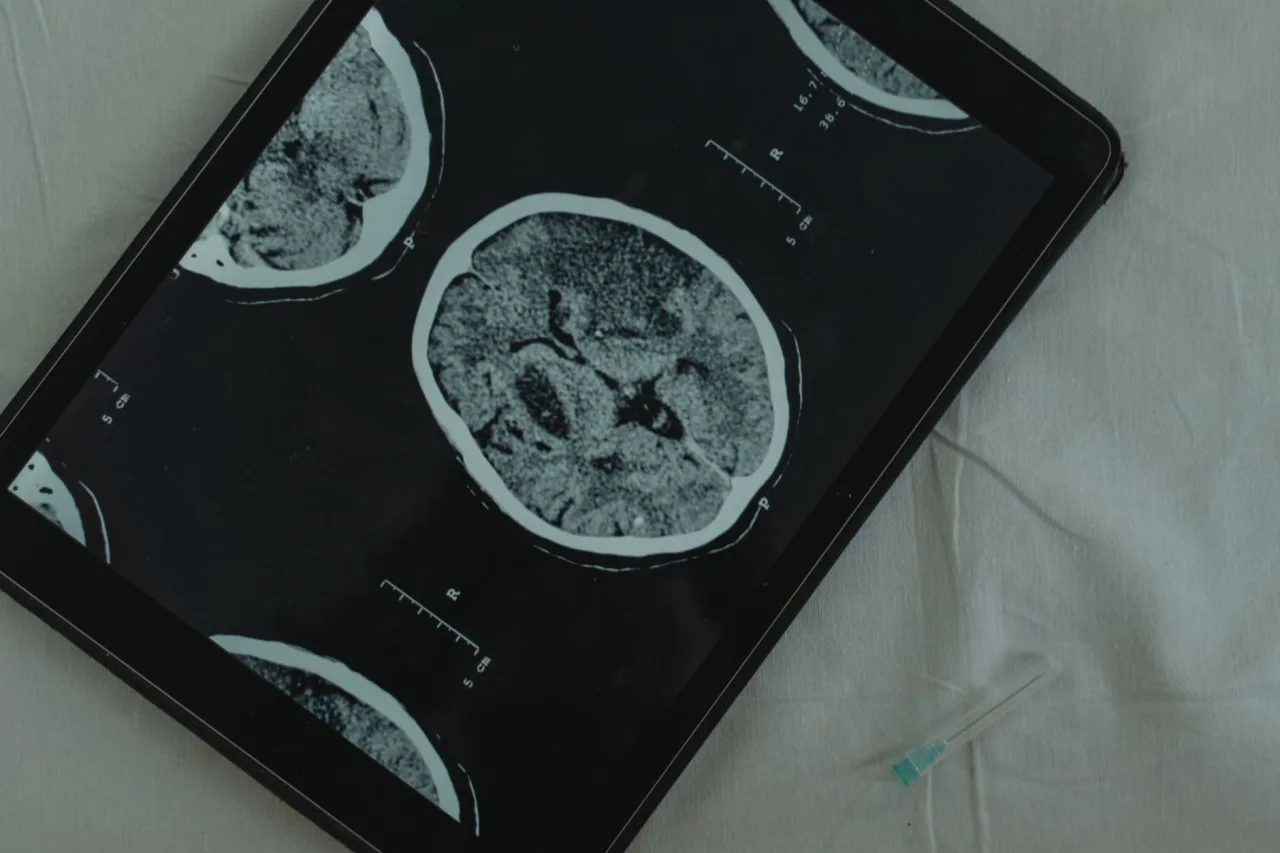
A frequent worry is radiation, and the honest answer depends on the method. Ultrasound and MRI do not use ionizing radiation. The NHS confirms that ultrasound scans "do not use any radiation, unlike in X-rays or CT scans." X-ray, CT, and mammography do use ionizing radiation, in doses that are generally low and justified when a scan is clinically appropriate. The guiding principle is to use the lowest reasonable dose and to image only when it will help. Your referring doctor weighs the benefit against any small risk, so if you are concerned, ask them why a particular scan was chosen rather than declining it on your own.
Standalone clinic, imaging centre, or hospital?
Imaging is delivered in several settings, and each has trade-offs.
- Standalone clinics and imaging centres: often more convenient and lower cost for routine outpatient scans.
- Hospital imaging departments: equipped for urgent, complex, and inpatient cases, sometimes at higher cost.
- Specialist centres: focused on one method, such as MRI, which can mean deeper expertise in that area.
- National chains: large networks publish their own locations and services, such as those in our look at RAYUS Radiology and SimonMed.
For routine scans, a good outpatient clinic is usually convenient and cost effective. For urgent or complicated cases, your doctor may direct you to a hospital.
Questions worth asking before you book
A short, consistent set of questions lets you compare facilities fairly. Ask each shortlisted clinic:
- Do you perform the exact scan on my referral, and how modern is the equipment?
- Is the facility accredited for this modality, and by which body?
- Who interprets my images, and are subspecialty radiologists available for complex areas?
- How soon will my doctor receive the report, and can I get a copy of my images?
- What is the all-in price, including contrast, the facility fee, and the reading fee?
- Do you take my insurance, and does the scan need pre-authorisation?
Writing the answers down for two or three clinics usually reveals a clear best choice, and it is often not the nearest one.
Tip: Keep your own copy of any images and reports. If you change doctors, move, or seek a second opinion, having prior imaging on hand can save you from repeating a scan and paying twice. Many clinics share images through a secure online portal, so ask how to access yours before you leave.
Costs and insurance in brief
Imaging prices depend on the method, the body part, whether contrast is used, the setting, and your insurance. As a rough guide only, an X-ray is usually the least expensive scan, ultrasound is moderate, and CT and MRI are typically the most costly, spanning from around a hundred to well over a thousand US dollars depending on the exam and country. These are illustrative ranges, not quotes. Before booking, ask for an all-in written price, confirm whether you need a referral, and if you are insured check network status and pre-authorisation. Our detailed breakdown of the real price of a CT scan shows how these bills come together.
What to expect on the day and after
Preparation depends entirely on the scan. Some ultrasounds need a full bladder or fasting, a CT with contrast may ask you to avoid food beforehand, and an MRI always requires removing metal and completing a safety questionnaire. On the day, a technologist or sonographer usually acquires the images, most scans are painless, and a radiologist later interprets them and sends a report to your doctor. You will typically discuss what the results mean with the doctor who referred you, rather than at the scanning facility itself. If you are ever unsure how to prepare, call the clinic before your appointment rather than guessing, because incorrect preparation can mean the scan has to be repeated.
Frequently asked questions
What is included in medical imaging?
Medical imaging is the umbrella term for methods that let doctors see inside the body, including X-ray, ultrasound, CT, MRI, mammography, and bone density scans. When you search for imaging near you, identify the exact scan on your referral first, then find a clinic that performs that specific method.
How do I choose a good imaging clinic near me?
Look for accreditation from a recognised body such as the American College of Radiology, confirm the clinic performs the exact scan your referral names, and check who reads the images and how quickly your doctor gets the report. Compare availability, cost, insurance acceptance, and safety screening rather than choosing by distance alone.
Which imaging scans use radiation?
X-ray, CT, and mammography use ionizing radiation in generally low, justified doses. Ultrasound and MRI do not use ionizing radiation. Your referring doctor weighs the benefit of any radiation-based scan against the small risk, so ask them if you have concerns about a particular test.
Do I need a referral for medical imaging?
Many scans require a referral from a doctor, and insured patients may also need prior authorisation. Requirements vary by clinic, scan type, and country, so confirm both the referral and any pre-approval with the facility and your insurer before booking.
Is a hospital or an imaging centre better?
Neither is better in every case. Freestanding imaging centres are often more convenient and lower cost for routine outpatient scans, while hospitals are equipped for urgent, complex, and inpatient imaging. Your doctor will usually indicate which setting suits your situation.
More guides on Find a Clinic (Local)
Have a question or a topic to suggest?
We read every message. Tell us what you would like to see next.
You may also like

Sonography Centre Near Me: A Guide
A sonography centre focuses on ultrasound. Learn what it does, who performs and reads your scan, how to prepare, and how to choose one on credentials rather than distance.

Mammogram Near Me: How to Choose
A mammogram is a low-dose breast X-ray used mainly to screen for cancer early. Learn the difference between screening and diagnostic scans, and how to choose a certified facility.

Radiology Near Me: How to Choose a Clinic
Radiology near you spans X-ray, ultrasound, CT and MRI. Here is what a radiology clinic does, who the radiologist is, honest radiation facts by scan type, and how to choose an accredited practice.