Mammogram Near Me: How to Choose
What a mammogram is, screening versus diagnostic, 3D mammography, and how to choose a certified, accredited breast imaging facility.
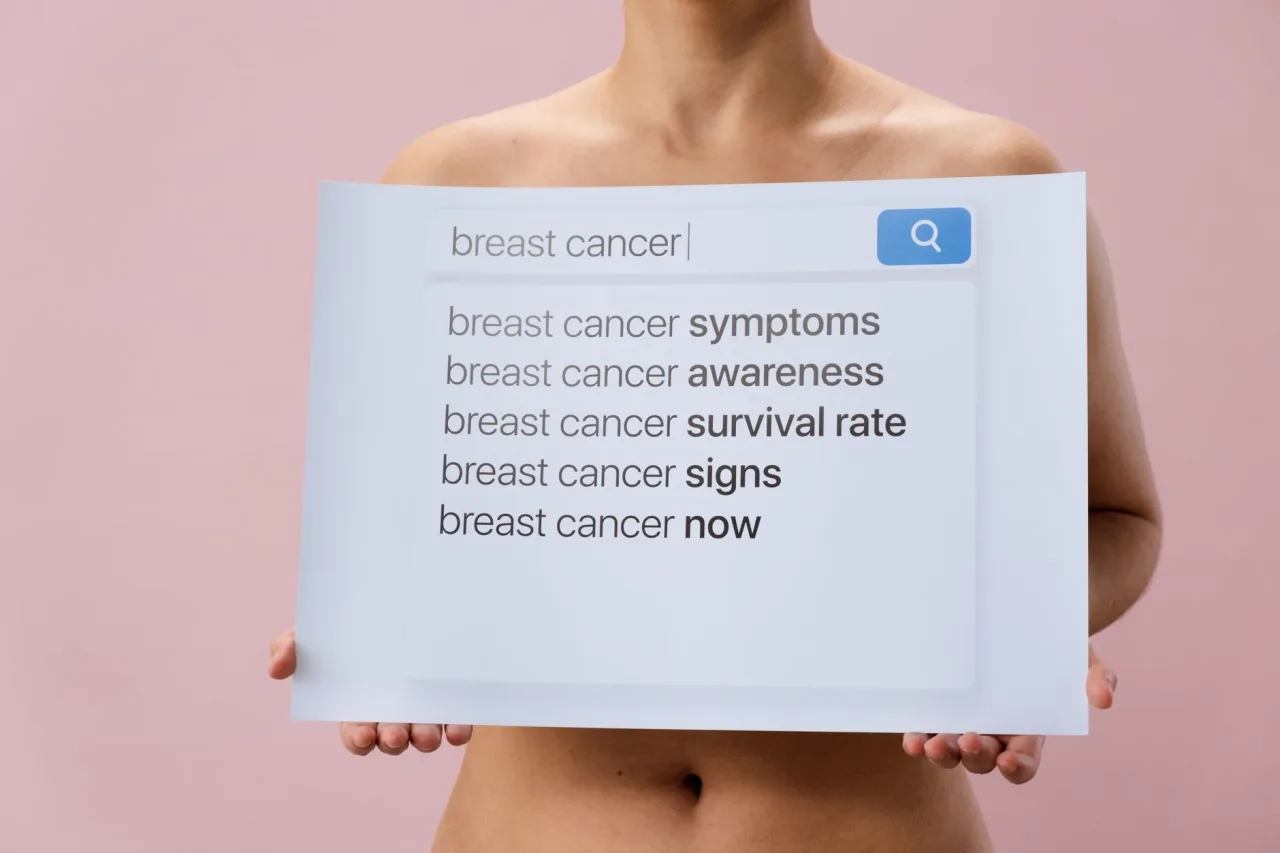
Searching for a "mammogram near me" usually means you are due for breast screening, or your doctor wants a closer look at a specific concern. This guide explains what a mammogram is, the difference between screening and diagnostic mammograms, and how to choose a properly certified and accredited breast imaging facility rather than simply the closest one.
The short version
- A mammogram is a specialised low-dose X-ray of the breast, used mainly to screen for cancer early.
- Screening mammograms are for people without symptoms, while diagnostic mammograms investigate a specific concern.
- Choose a facility that is properly certified and accredited for mammography, not just nearby.
- Ask about 3D mammography (tomosynthesis), reporting speed, and cost when you compare clinics.
What a mammogram is
A mammogram is a specialised medical imaging test of the breast. As RadiologyInfo.org explains, "Mammography is specialized medical imaging that uses a low-dose x-ray system to see inside the breasts," and it is used "as a screening tool to detect early breast cancer in women experiencing no symptoms." The NHS similarly describes breast screening as using X-rays, called mammograms, "to look for cancers that are too small to see or feel." Because it uses X-rays, a mammogram does involve a small dose of ionizing radiation, kept as low as reasonably possible. For a fuller walkthrough of the test itself, see our guide to mammogram uses, procedure, and what results mean.
Screening versus diagnostic mammograms

Not all mammograms serve the same purpose, and knowing which one you need helps you find the right facility.
- Screening mammogram: a routine check for people with no breast symptoms, aimed at catching cancer early.
- Diagnostic mammogram: a more detailed study ordered when there is a specific concern, such as a lump, pain, or a finding from a screening test.
Your referral or invitation will usually make clear which type you need. If a screening mammogram finds something that needs a closer look, you may be called back for a diagnostic mammogram or an additional test such as a breast ultrasound. That callback is common and does not by itself mean cancer, so try not to assume the worst while you wait for answers from your clinician.
Who should have a mammogram, and when
Screening recommendations, including the starting age and how often to screen, differ between countries and health organisations, and they can change over time. Some programmes invite people in a defined age range at set intervals, while others tailor timing to individual risk. Because these guidelines genuinely vary and depend on your personal and family history, this article cannot tell you when you specifically should start or how often to be screened.
Please note: This is general educational information, not medical advice. It cannot tell you whether you need a mammogram, when to start screening, or what your results mean. Your doctor or your national screening programme is the right source for those decisions.
3D mammography and other options
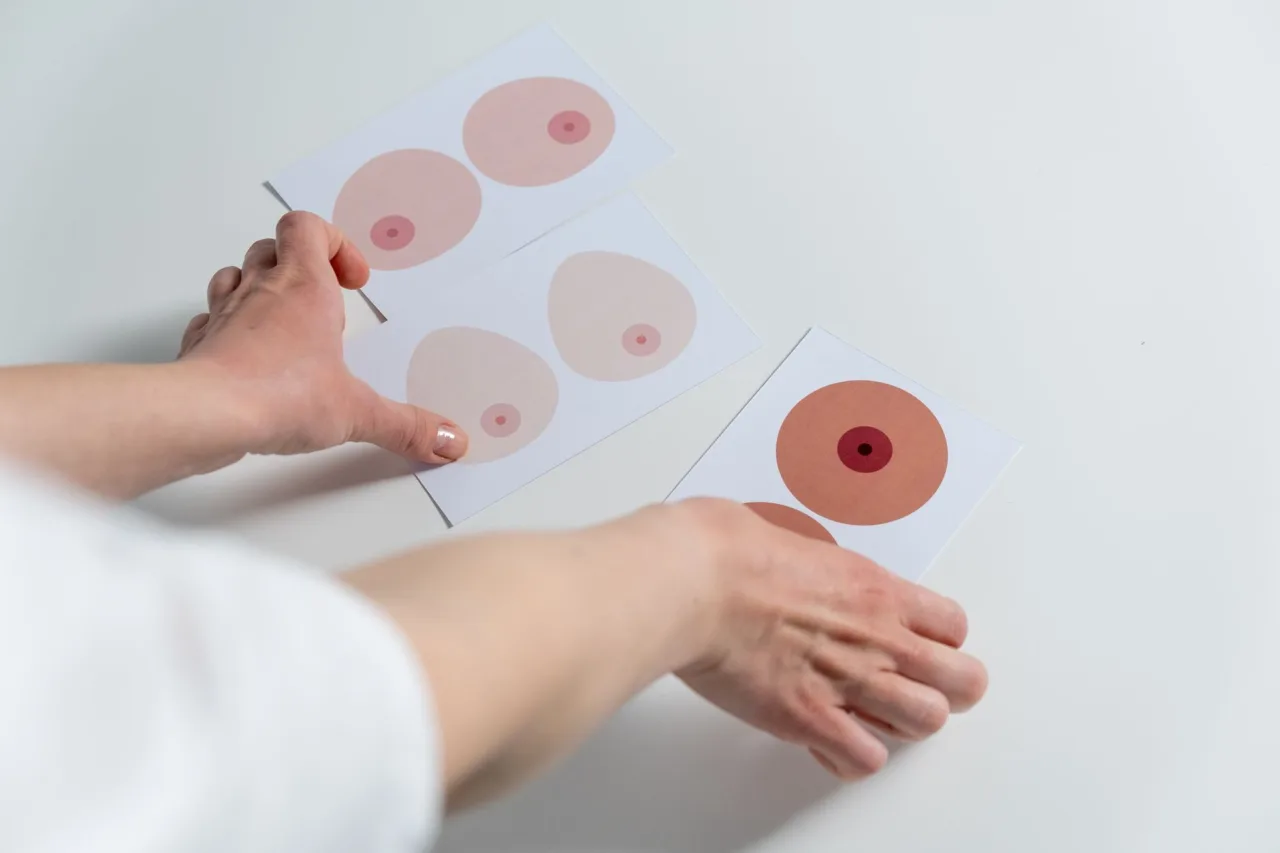
Many facilities now offer three-dimensional mammography. RadiologyInfo.org describes breast tomosynthesis, "also called three-dimensional (3-D) mammography and digital breast tomosynthesis," as an approach "where multiple images of the breast from different angles are captured and reconstructed into a three-dimensional image set." When comparing clinics, it is reasonable to ask whether they offer 3D mammography and whether it is appropriate for you. Depending on your situation, a doctor may also recommend additional imaging such as breast ultrasound or MRI, so a facility that offers several breast imaging methods can be convenient.
How to choose a good mammogram facility
Breast imaging is a high-stakes test, so certification and accreditation matter more than convenience. Run each option through this checklist:
- Certification and accreditation: in the United States, mammography is a federally regulated service and facilities are certified; the American College of Radiology also accredits mammography as one of its nine modalities and calls its accreditation "the Gold Standard in medical imaging." Ask to confirm the facility's credentials for breast imaging.
- Equipment: ask whether digital and 3D mammography are available.
- Who reads it: a radiologist interprets the images; ask how soon you and your doctor receive the result.
- Continuity: using the same facility over time makes it easier to compare current images with your previous ones.
- Cost and insurance: confirm coverage, since many plans and public programmes cover routine screening.
How to prepare and what to expect
A mammogram is quick, usually taking only a few minutes for the imaging itself. General tips that many facilities suggest include:
- Avoid applying deodorant, powder, or lotion to the chest and underarms on the day, as these can show up on images.
- Wear a two-piece outfit so you only need to undress from the waist up.
- Bring or arrange to share any previous mammogram images so the radiologist can compare.
During the test, each breast is briefly compressed between two plates so clear images can be taken. The compression can feel uncomfortable but lasts only seconds per view. A radiologist then interprets the images and sends a report, and you will usually receive your result through the facility or your doctor.
Tip: If you have had mammograms before, try to use the same facility or bring your prior images. Comparing new images with older ones helps the radiologist spot subtle changes, which is one of the most valuable things breast screening can do.
After your mammogram and what a callback means
Once the images are taken, a radiologist reviews them and produces a report, and you or your doctor receive the result, often within a few days to a couple of weeks depending on the facility and country. Sometimes people are asked to return for additional images or an ultrasound. This callback is common, and it usually happens because the radiologist wants a clearer view of an area, not because cancer has been found. Try to avoid drawing conclusions from a callback alone.
Breast density is another factor you may hear about. Denser breast tissue can make mammograms harder to read and is sometimes noted in your result, which is one reason a doctor might suggest additional imaging for some people. What any of these findings mean for you specifically is a conversation for your clinician, who can weigh your images against your history. This guide cannot interpret an individual result, and it is important not to rely on general articles for that. If you are anxious while waiting, it is reasonable to contact the facility or your doctor and ask when and how you will hear back.
Costs and insurance
Mammogram costs vary by facility, country, and whether the test is a routine screen or a diagnostic study. In many places, routine screening mammograms are covered by insurance or provided free through a national programme, while diagnostic mammograms and additional imaging may carry a cost. As a rough guide only, a self-pay screening mammogram in the United States often ranges from around one hundred to a few hundred dollars, and 3D mammography may cost more. These are illustrative ranges, not quotes. Confirm coverage with your insurer or screening programme, and ask the facility for an all-in written price. Our guides to finding a medical imaging clinic near you and comparing an imaging centre can help you shortlist facilities, and if you are curious about the people who perform these scans, see our mammographer career guide.
Frequently asked questions
What is a mammogram?
A mammogram is a specialised low-dose X-ray of the breast. RadiologyInfo.org describes mammography as imaging that "uses a low-dose x-ray system to see inside the breasts," used mainly to screen for breast cancer early in people with no symptoms. Because it uses X-rays, it involves a small, carefully limited dose of radiation.
What is the difference between a screening and a diagnostic mammogram?
A screening mammogram is a routine check for people without breast symptoms, aimed at catching cancer early. A diagnostic mammogram is a more detailed study ordered when there is a specific concern, such as a lump or an abnormal screening result. Your referral or invitation usually indicates which type you need.
How do I choose a good mammogram facility near me?
Choose a facility that is properly certified and accredited for mammography, ask whether digital and 3D mammography are available, and check who reads the images and how soon you get the result. Using the same facility over time helps radiologists compare your current and previous images, which improves screening.
When should I start having mammograms?
Screening guidelines, including the starting age and frequency, vary between countries and health organisations and depend on your personal risk, so this article cannot tell you when to start. Your doctor or national screening programme is the right source to advise on the timing that fits your history.
Is a mammogram covered by insurance?
In many places routine screening mammograms are covered by insurance or offered free through a national programme, while diagnostic mammograms and extra imaging may carry a cost. Coverage varies, so confirm with your insurer or screening programme and ask the facility for a written price before booking.
More guides on Find a Clinic (Local)
Have a question or a topic to suggest?
We read every message. Tell us what you would like to see next.
You may also like

Mammogram: Uses, Procedure & Results
Understand the mammogram: screening versus diagnostic, how to prepare, what the exam feels like, radiation safety, and how your results are handled.

Mammographer: 2026 Career Guide
A 2026 career guide to becoming a mammographer: education, ARRT certification, work settings, salary ranges, and the job outlook, with cited sources.
Imaging Center: How to Find & Choose
An imaging center brings several scan types under one roof. Learn how to find and choose a good one, from modality accreditation to radiologist reporting and cost.