Diagnostic Center Near Me: How to Choose
One-stop imaging centers explained, and how to evaluate one for the scans your doctor ordered.
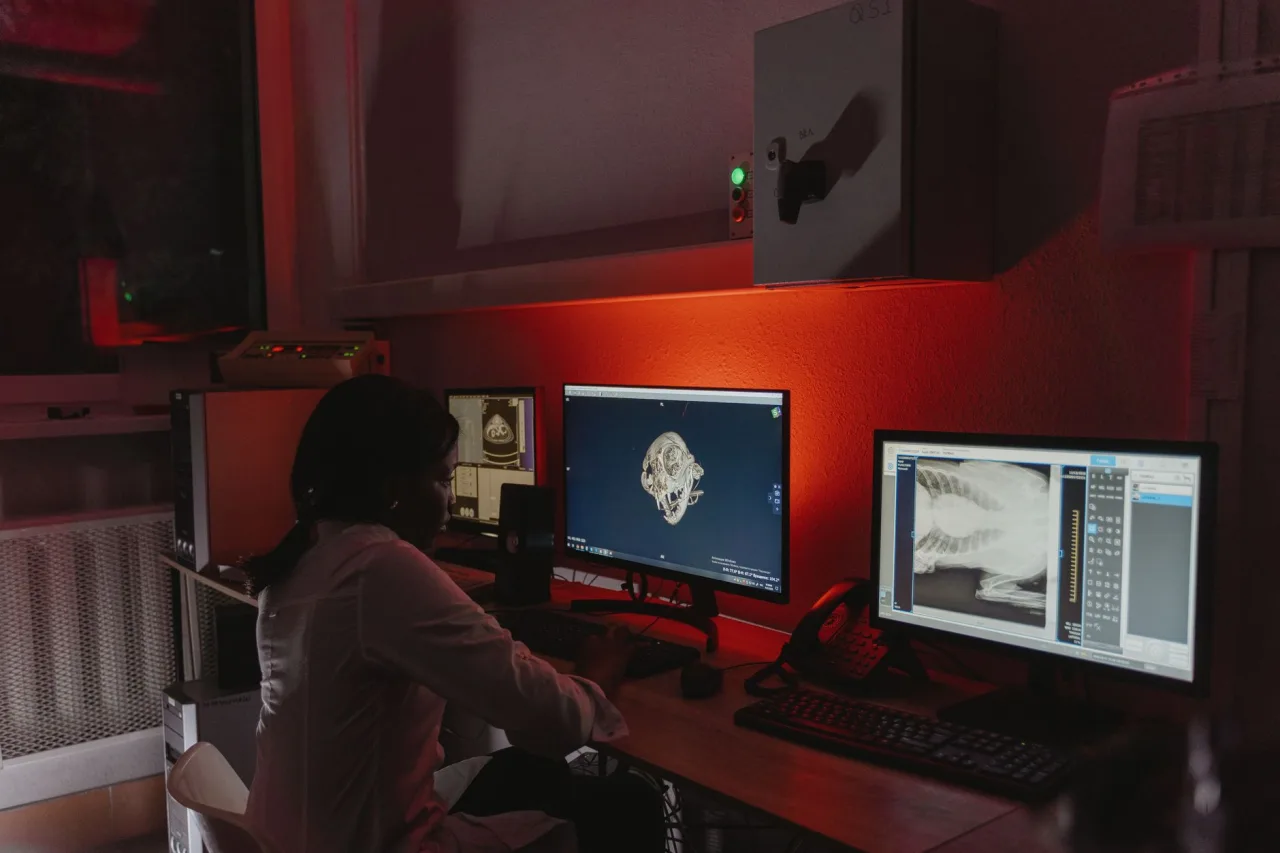
A diagnostic center is a one-stop imaging facility that can handle several tests under one roof, from X-ray and ultrasound to CT and MRI. If your doctor has ordered more than one scan, or you are not sure which test you need, a good diagnostic center can save you time and trips. This guide explains how to find and evaluate one, what quality signals to look for, and the questions to ask. It is general educational guidance rather than a list of named centers, because the right one depends on your referral, your insurance, and where you live.
The short version
- A diagnostic center offers multiple imaging tests in one place, which is convenient for multi-test workups.
- Accreditation should cover the specific modality you need, not just the building in general.
- Confirm that board-certified radiologists interpret the scans and that reports reach your doctor quickly.
- Compare price and turnaround, and always follow your referring doctor's guidance on which tests you need.
What a diagnostic center actually offers
"Diagnostic center" is an umbrella term. In imaging, it usually means an outpatient facility that provides several types of scans, often alongside services like bloodwork or cardiac testing. The appeal is convenience: instead of visiting a separate place for each test, you can have your X-ray, ultrasound, CT, or MRI in one location, sometimes on the same day. If you only need a single common test, a dedicated site such as a nearby radiology facility or an imaging center may be all you need.
Each modality answers different questions. Ultrasound uses sound waves and no radiation, MRI uses magnetic fields, and X-ray and CT use radiation, with CT delivering a higher dose than a plain X-ray in exchange for detailed cross-sectional images. Our explainers on what a CT scan does and what an ultrasound does cover the differences, but your ordering doctor decides which test fits your situation.
Why accreditation is the first quality signal
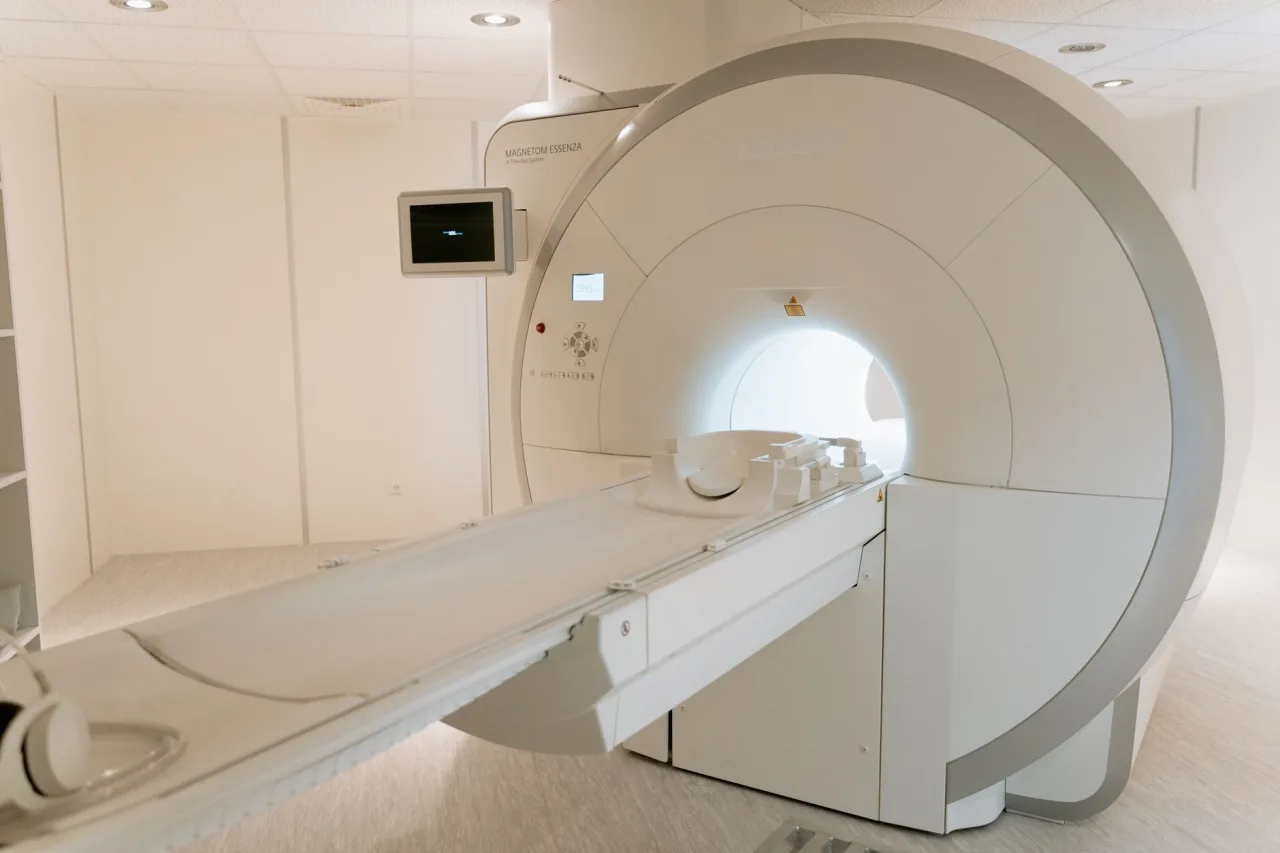
With a multi-service center, accreditation is even more important than usual, because a facility might be strong in one modality and weaker in another. The American College of Radiology (ACR) accredits facilities across several modalities, including CT, MRI, ultrasound, and mammography, reviewing image quality, equipment, dose, and staff qualifications for each one. The key is to check that the center is accredited for the specific test you need, not simply that it advertises accreditation somewhere on its website.
Ask this directly: "Are you accredited for the specific scan I am booking, and by whom?" A quality center will name the accrediting body and the modality without hesitation. A vague answer is a reason to keep looking.
Who reads your scans
The technology takes the pictures, but a physician makes them useful. At a good diagnostic center, board-certified radiologists interpret the images and issue a written report to your referring doctor. Certified technologists and, for ultrasound, registered sonographers should perform the scans. When you call, confirm that a radiologist reading is included in the price and ask how quickly the report is delivered. For most non-urgent scans, a few days is typical, with faster turnaround for urgent cases.
Radiation across different tests
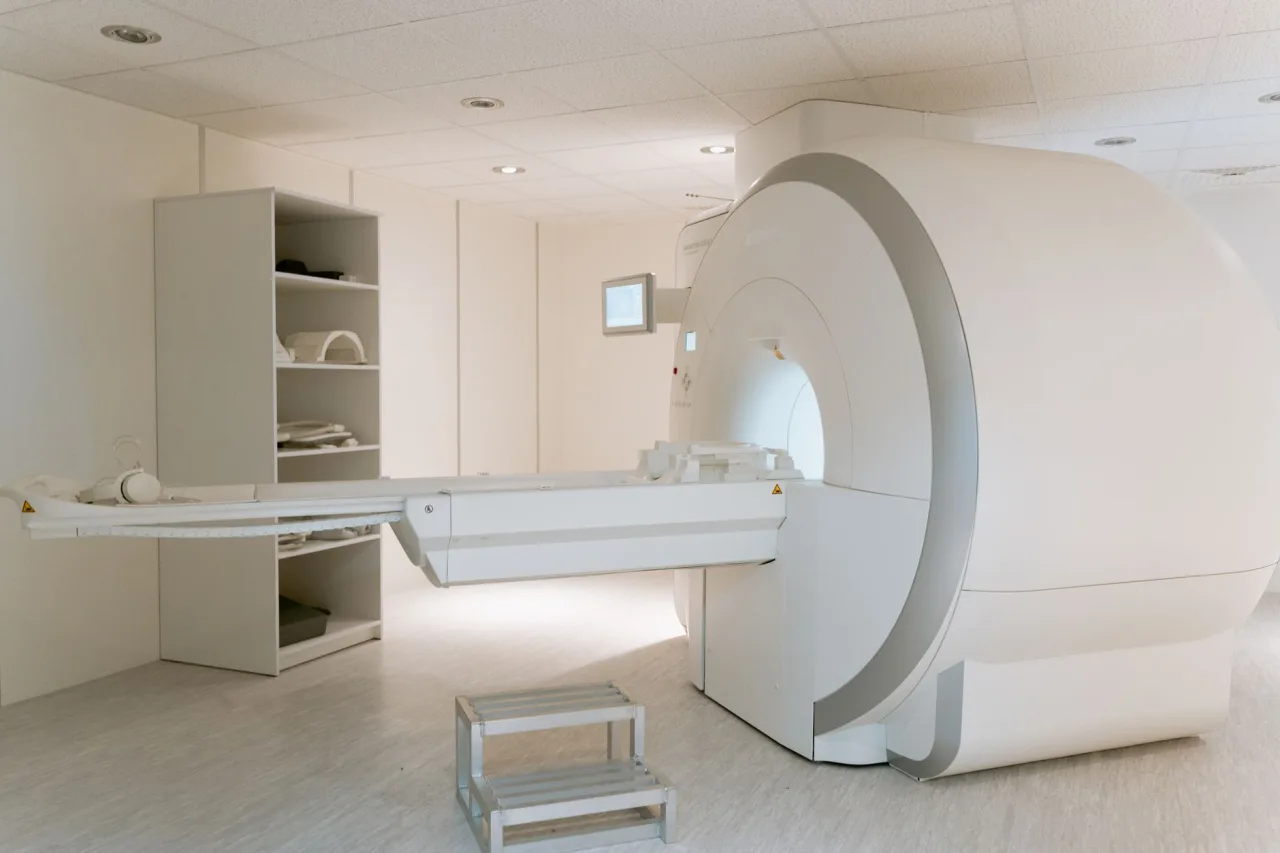
Because a diagnostic center offers a mix of tests, it helps to understand which ones involve radiation. Ultrasound and MRI use no ionizing radiation. X-ray uses a small amount, and CT uses more. RadiologyInfo, the patient resource from the ACR and RSNA, puts a chest X-ray at roughly 0.1 millisieverts versus several millisieverts for a chest CT. You can review the full table on RadiologyInfo's radiation dose page. A quality center manages dose carefully and does not order more imaging than the clinical question requires. That said, which test you receive is a decision for your doctor, not the front desk.
Convenience versus the right test
The advantage of a diagnostic center is having options in one place, but do not let convenience override appropriateness. You cannot substitute one scan for another just because it is available sooner. If your referral says MRI, an ultrasound is not an equivalent shortcut. Use a center's breadth to complete the tests your doctor ordered efficiently, not to self-select a different test. If your workup centers on one modality, our guides to choosing an MRI center or a CT scan clinic apply the same checklist.
What a diagnostic center costs
Because a diagnostic center offers many tests, there is no single price. Cost depends on the specific scan, the body region, whether contrast is used, the facility, your country, and your insurance. As a rough guide, X-ray tends to be the least expensive, ultrasound is generally affordable, and CT and MRI cost more. Self-pay prices in the United States can range from tens of dollars for a simple X-ray to four figures for an MRI, while medically necessary scans in systems like the NHS are typically provided without a direct patient charge. Confirm each test's price with the center and your insurer.
- Ask for a per-test quote that separates the technical fee and the radiologist reading.
- Ask whether contrast, when needed, is billed separately.
- Check whether your insurance requires pre-authorization for higher-cost scans like CT or MRI.
Questions to ask before you book
- Are you accredited for the specific scan my doctor ordered?
- Will a board-certified radiologist interpret it, and how soon will my doctor get the report?
- Are your technologists certified and your sonographers registered?
- What is the all-in price for each test, and what does it include?
- Can you handle all the scans on my referral, ideally on the same day?
- Will you send the images and reports to me and my physician?
This is general information, not medical advice. This article explains how to find and choose a diagnostic imaging center. It cannot tell you which test you need or what your results mean. Only your referring doctor or a radiologist can decide on the right scan and interpret your images. Always follow the guidance of your own healthcare team.
Frequently asked questions
What is a diagnostic center?
A diagnostic center is an outpatient facility that offers several imaging tests in one place, such as X-ray, ultrasound, CT, and MRI, and sometimes other services like bloodwork. It is convenient when your doctor orders more than one test or when you want several scans completed in a single visit.
How do I choose a good diagnostic center near me?
Look for accreditation covering the specific scan you need, board-certified radiologists who interpret the images, and certified technologists. Confirm the price and report turnaround, and check whether the center can complete all the tests on your referral, ideally on the same day. Your referring doctor's recommendation is a good starting point.
Which imaging tests involve radiation?
Ultrasound and MRI use no ionizing radiation. X-ray uses a small amount, and CT uses more. For any test your doctor has judged necessary, the benefit of an accurate diagnosis generally outweighs the small risk, and a quality center manages dose carefully. Which test you receive is decided by your doctor.
Do I need a referral to visit a diagnostic center?
Most imaging tests require a doctor's referral, both for medical appropriateness and for insurance coverage. Some centers offer self-pay options without a referral in certain regions, but a physician should still interpret the results. Check what is required where you live before booking.
How much does imaging at a diagnostic center cost?
There is no single price because a diagnostic center offers many tests. Cost depends on the scan, body region, contrast, facility, country, and insurance. X-ray is usually cheapest and CT or MRI cost more. Self-pay prices in the United States can range from tens of dollars to four figures, while medically necessary scans in systems like the NHS are typically provided without a direct patient charge. Confirm each test with the center and your insurer.
More guides on Find a Clinic (Local)
Have a question or a topic to suggest?
We read every message. Tell us what you would like to see next.
You may also like

Radiology Near Me: How to Choose a Clinic
Radiology near you spans X-ray, ultrasound, CT and MRI. Here is what a radiology clinic does, who the radiologist is, honest radiation facts by scan type, and how to choose an accredited practice.
Imaging Center: How to Find & Choose
An imaging center brings several scan types under one roof. Learn how to find and choose a good one, from modality accreditation to radiologist reporting and cost.
CT Scan Near Me: How to Choose a Clinic
A practical guide to finding a trustworthy CT scan clinic near you, covering accreditation, radiation dose, radiologist reporting, and honest cost ranges.