Anatomy Scan: What to Expect, Week by Week
The anatomy scan, sometimes called the mid pregnancy or anomaly scan, is the detailed ultrasound that looks at how your baby is growing from head
The anatomy scan, sometimes called the mid pregnancy or anomaly scan, is the detailed ultrasound that looks at how your baby is growing from head to toe. It is usually offered between about 18 and 21 weeks, and for many parents it is the longest and most memorable scan of the pregnancy. This guide walks through what the sonographer checks, when it happens, how to prepare, and why the person who explains your results should always be your own midwife or doctor.
The short version
- The anatomy scan is a detailed ultrasound offered around 18 to 21 weeks that checks your baby's organs, bones, growth, and the placenta.
- It uses sound waves, not radiation, and standard diagnostic ultrasound has no known harmful effects on the baby.
- It is a screening test, not a guarantee: a normal scan is reassuring but cannot detect every condition.
- You may be able to learn the baby's sex, but the medical purpose comes first, and only your clinician can interpret any finding for you.
What the anatomy scan is
The anatomy scan is a careful, systematic ultrasound that examines your baby's development in detail. A sonographer moves a small probe over gel on your abdomen and builds up a moving picture of the baby on screen, measuring and photographing each structure in turn. According to RadiologyInfo.org, obstetric ultrasound is noninvasive, uses no radiation, and is the preferred method for monitoring a pregnancy, which is exactly why this milestone check is done with sound waves rather than an x-ray or CT.
It is the second of the two routine scans in many maternity systems. The first is the dating scan earlier on, and this one goes far deeper into how the baby is formed. If you want the wider map of every scan across the nine months, our guide to scans during pregnancy lays out the whole journey, and our overview of how ultrasound works explains the technology in plain terms.
When it happens, week by week
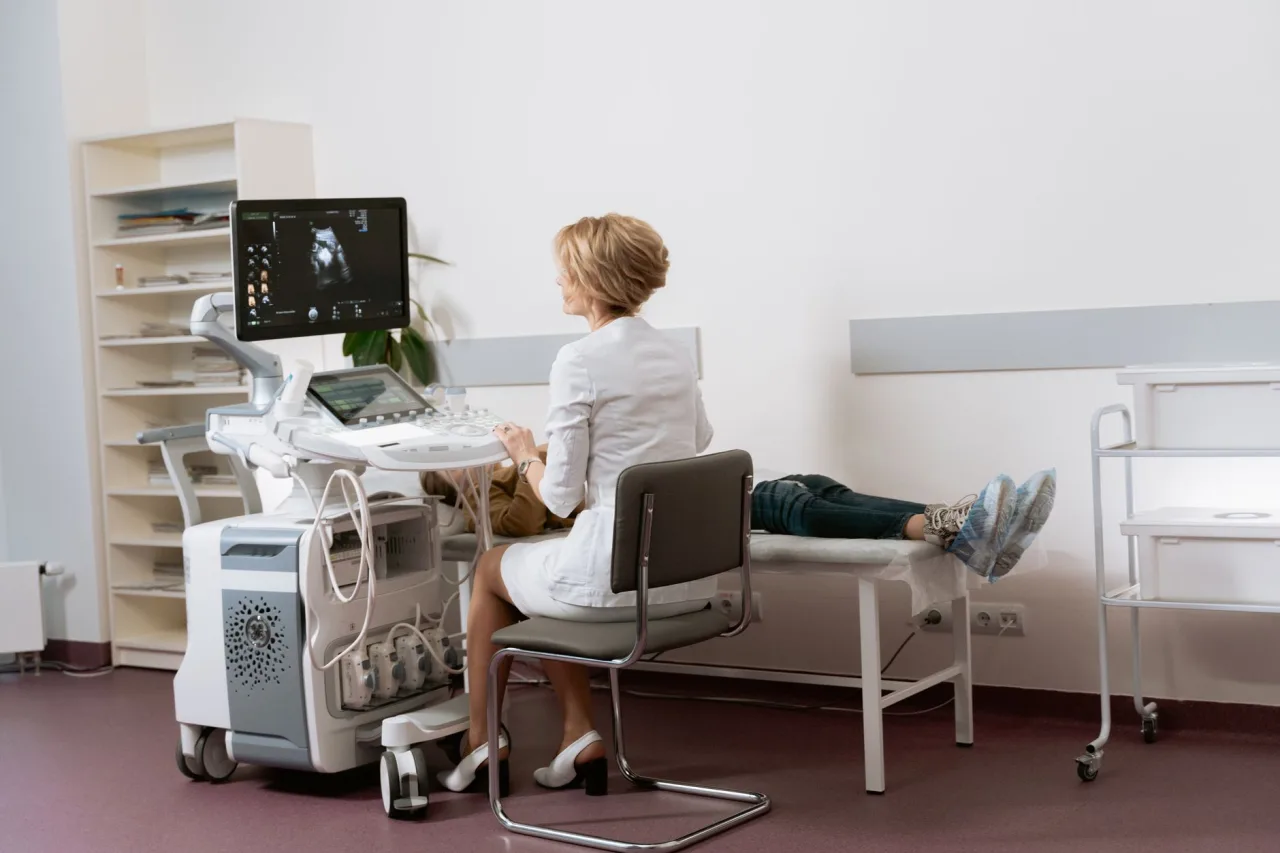
The anatomy scan is timed for a window when the baby is big enough to see clearly but still has room to be viewed comfortably. In the United Kingdom the NHS offers it between 18 and 21 weeks, and many other countries use a similar 18 to 22 week window. Here is roughly how the surrounding weeks fit together:
- Around 11 to 14 weeks: the dating scan confirms your due date and how many babies you are carrying.
- Around 18 to 21 weeks: the anatomy scan, the detailed structural check described here.
- After 21 weeks: extra growth or wellbeing scans only if there is a specific medical reason.
If the baby is lying in an awkward position, the sonographer may ask you to walk around, empty your bladder, or come back another day to finish the views. That is a normal part of getting a complete picture and not a sign that anything is wrong.
What the sonographer checks
The scan works through the body in a set order so nothing is missed. The NHS describes it as a check for a defined set of physical conditions, and the sonographer typically looks at:
- The head shape and the structures inside the brain.
- The face, including the lips, to look for a cleft.
- The spine, viewed along its length and across, and the skin covering it.
- The heart, including the chambers and the major vessels leaving it.
- The chest, diaphragm, and lungs.
- The stomach, bowel, kidneys, and bladder.
- The arms, legs, hands, and feet, and the long bones.
- The placenta position, the umbilical cord, and the amount of fluid around the baby.
The sonographer also measures the head, abdomen, and thigh bone to estimate growth. These measurements feed into a chart that tracks whether the baby is developing as expected for the dates confirmed at your earlier 12 week scan.
How to prepare
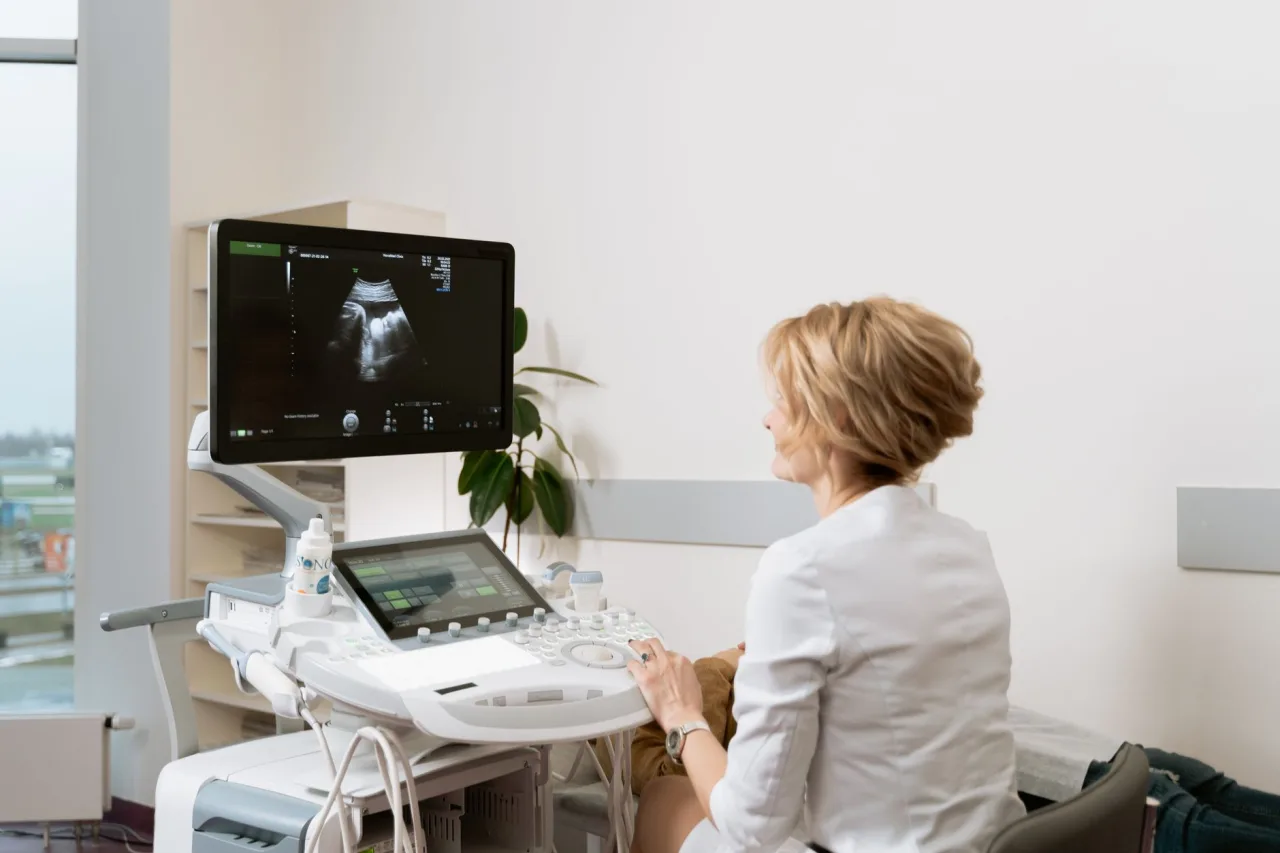
Preparation for the anatomy scan is simple. Unlike some abdominal scans, you usually do not need to fast, and by this stage of pregnancy a full bladder is often not required either, though instructions vary between clinics.
- Wear a comfortable two piece outfit so your bump is easy to reach without undressing fully.
- Follow any bladder instruction your clinic gives when you book, because some still prefer a partially full bladder.
- Bring your maternity notes and any previous scan reports.
- Eat and drink normally beforehand unless told otherwise.
Tip: A lively baby often gives clearer pictures than a sleepy one, so some parents find a light snack or a cool drink shortly before the appointment encourages movement. This is anecdotal comfort rather than medical instruction, so always follow your own clinic's advice first.
What the scan feels like on the day
The anatomy scan is painless and usually takes around 20 to 45 minutes, longer than a routine scan because of the detail involved. You lie back on a couch, the sonographer applies warm gel to your abdomen, and glides the probe over different areas, sometimes pressing gently or asking you to change position. The room is often dimmed so the images show up clearly on the screen.
Because the sonographer is concentrating on measuring and checking, they may be quiet for stretches of the exam. That silence is normal and does not mean they have seen a problem. You can usually bring one supporter, and many clinics will turn the screen towards you and point out recognisable parts once the medical checks are complete.
Finding out the baby's sex
Many parents hope the anatomy scan will reveal whether they are having a boy or a girl. Whether this is offered depends entirely on your clinic and local policy, and even where it is offered, it is not always possible if the baby is lying awkwardly or keeps its legs crossed. Some services do not share sex at all, to keep the focus on health and because occasional errors happen.
If knowing matters to you, ask about the policy when you book so you are not disappointed on the day. Remember that the core purpose of the scan is your baby's wellbeing, and the sex reveal, where available, is a lovely extra rather than the main event. For a keepsake experience specifically, a separate 4D ultrasound later in pregnancy is designed for bonding images rather than medical assessment.
Understanding your results
Some findings are shared with you straight after the scan, while anything that needs a closer look may be referred to a specialist or a fetal medicine team for a second opinion. A referral for another view is common and is careful practice, not automatic bad news. Words on a report describe what was seen and do not, on their own, tell you what it means for your baby.
It is important to know that ultrasound is very good but not perfect. RadiologyInfo.org notes that obstetric ultrasound cannot identify all fetal abnormalities, so a reassuring scan lowers the chance of a problem without removing it entirely, and further tests such as blood screening are sometimes offered alongside. If you have questions about a measurement or a note in your record, your midwife or doctor is the person who can put it in the context of your whole pregnancy.
This is general information, not medical advice. It cannot tell you what your own anatomy scan means for you or your baby. Always discuss your results, any concerns, and your next steps with your midwife or the doctor caring for you.
Related scans and next steps
The anatomy scan sits within a cluster of pregnancy imaging that each answers a different question. Earlier screening for chromosomal conditions is covered in our nuchal scan guide, and the broad overview of the whole schedule lives in our pregnancy sonogram walkthrough. In rare situations where ultrasound needs backing up, MRI is occasionally used, which we explain in our note on MRI during pregnancy. When you are ready to book, our guide to finding an ultrasound clinic near you explains what to look for in an accredited service.
Frequently asked questions
When is the anatomy scan done?
The anatomy scan, also called the anomaly or mid pregnancy scan, is usually offered between 18 and 21 weeks. This window gives a clear view of the baby's organs and bones while there is still room to see them well. If the baby is lying awkwardly, you may be asked to return so the sonographer can finish every view.
What does the anatomy scan check?
It is a detailed look at your baby's development, including the head and brain, face, spine, heart, chest, abdomen, kidneys, bladder, and limbs. The sonographer also checks the position of the placenta, the umbilical cord, and the amount of fluid, and measures growth. It is a screening test, so it lowers the chance of a missed problem rather than guaranteeing everything is perfect.
Is the anatomy scan safe for my baby?
Yes. The scan uses ultrasound, which is sound waves rather than radiation, and standard diagnostic ultrasound has no known harmful effects on humans when performed by trained staff for medical reasons. It has been used in pregnancy for decades, which is why it is the preferred way to monitor a developing baby.
Can I find out the baby's sex at the anatomy scan?
Sometimes. Whether the baby's sex is shared depends on your clinic's policy and local rules, and even where it is offered it is not always possible if the baby is in an awkward position. Ask about the policy when you book. The main purpose of the scan is your baby's health, so treat any sex reveal as a welcome extra.
Who explains my anatomy scan results?
Your midwife or doctor explains what the scan means for you. The sonographer may share some findings on the day, but anything that needs a closer look is referred for specialist review. A report describes what was seen and needs a clinician to interpret it alongside your history and any other tests, so avoid trying to read it yourself.
Sources and further reading:
- Ultrasound scans in pregnancy, NHS for the timing and purpose of the 18 to 21 week scan.
- Obstetric Ultrasound, RadiologyInfo.org for how pregnancy ultrasound works, its uses, and its limits.
- Ultrasound, MedlinePlus (US National Library of Medicine) for the safety of diagnostic ultrasound.
More guides on Pregnancy Ultrasound
Have a question or a topic to suggest?
We read every message. Tell us what you would like to see next.
You may also like
CT Imaging Near Me: Compare Clinics
Holding a CT referral and choosing between centers? Use a simple scorecard to compare accreditation, reporting, price, and turnaround instead of picking the first result.
DEXA Scan Near Me: Choose a Clinic
A DEXA scan is one test where the clinic you pick has a lasting effect, because results are compared over years. Learn how to choose a good bone density center.

Ultrasound Locations Near Me
Hospitals, imaging centers, and keepsake studios all advertise ultrasound. Learn to tell a proper diagnostic location from a novelty one before you book.