4D Ultrasound: What to Expect, Week by Week
A 4D ultrasound turns the usual grainy scan into a moving, lifelike view of your baby, and for many parents it is the highlight of pregnancy.

A 4D ultrasound turns the usual grainy scan into a moving, lifelike view of your baby, and for many parents it is the highlight of pregnancy. Choosing the right week makes all the difference between a clear little face and a session where your baby simply will not turn around. This guide walks through 4D scans week by week, how they differ from ordinary scans, and why they sit alongside, not instead of, the medical scans arranged by your maternity team.
The short version
- 4D ultrasound is essentially moving 3D: a live surface view of your baby rather than a flat cross-section.
- The clearest facial images usually come between about 26 and 32 weeks, though results vary by baby.
- Most 4D scans are elective keepsake sessions, not diagnostic exams.
- Ultrasound uses sound waves rather than radiation, and there are no known risks from a scan.
What a 4D ultrasound is
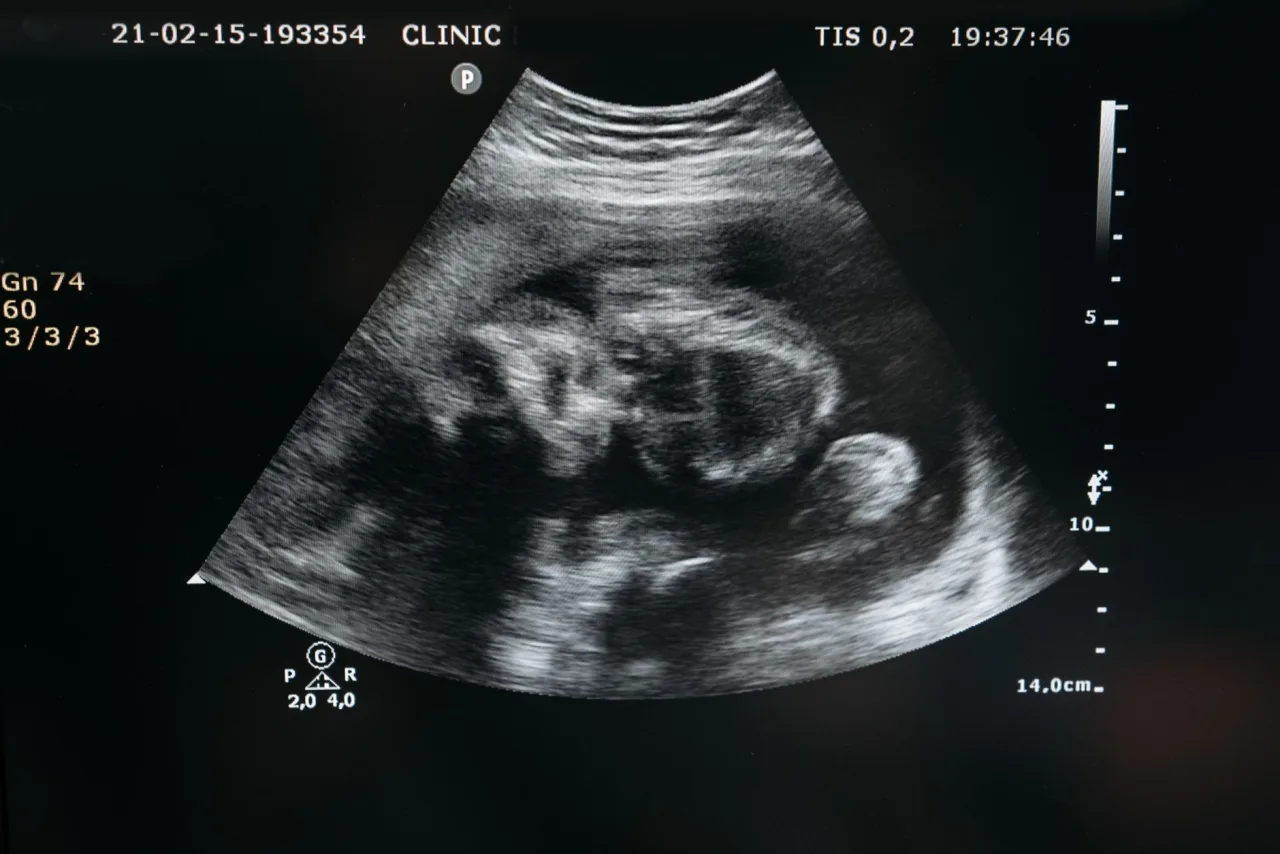
A standard obstetric scan shows a two-dimensional slice through the body, which is exactly what clinicians need for measurements. A 3D scan combines many of these slices into a surface picture, so you see shape and depth. A 4D scan adds time as the fourth dimension: it is 3D imaging updated many times a second, so you watch your baby move, yawn, or stretch in near real time. RadiologyInfo.org notes that some physicians also use 3D imaging to view the fetus, though the technology behind a keepsake 4D session is the same family of sound-wave imaging used in all obstetric ultrasound.
If you are weighing up the still-image version, our guide to 3D ultrasound week by week compares the two. For the wider journey of scans across pregnancy, our pregnancy sonogram overview is a good starting point.
4D versus 2D and 3D

It helps to keep the three straight:
- 2D: the standard grayscale cross-section used for dating, measurements and the screening anatomy scan. This is the clinical workhorse.
- 3D: a still surface reconstruction that shows contours such as the face and hands.
- 4D: the same surface view but moving, so you see expressions and activity as they happen.
For health checks, 2D remains the format clinicians rely on. The 3D and 4D views are mostly about bonding and keepsakes, which is why most 4D sessions are offered by private studios rather than as part of routine care.
4D ultrasound week by week
Timing shapes what you see, so match the week to what you hope for.
- Before about 16 weeks: the baby is small and there is not yet enough definition for a satisfying 4D face, so early scans are mainly for reassurance in 2D.
- 16 to 22 weeks: you may catch movement and, at many studios, an early gender check, but facial detail is still developing.
- 23 to 25 weeks: features are firming up and some parents get pleasing images, though faces can still look thin.
- 26 to 32 weeks: often described as the sweet spot for 4D faces, with enough fat under the skin and usually enough fluid around the baby for a clear view.
- After 32 weeks: the baby is bigger and may be settled low in the pelvis, so faces can be harder to capture, although twins and individual positions vary.
These are general patterns, not promises. On the day, the picture depends on the baby's position, the fluid around them and where the placenta sits.
Tip
If your main goal is a clear 4D portrait, booking in the 26 to 32 week window gives you the best odds, and choosing a studio with a free rescan policy protects you if your baby is facing the wrong way that day.
How to prepare for a 4D scan
A few simple steps improve your chances of a lively, clear session:
- Drink water in the days before: good hydration is often linked to clearer images.
- Have a light snack beforehand: a small bite can encourage the baby to be more active during the scan.
- Wear a two-piece outfit: only your tummy needs to be exposed.
- Pick a sensible time: some parents find their baby is more active later in the day, though every pregnancy is different.
- Check the package details: confirm how many images you receive and the rescan policy before booking.
Try to arrive relaxed. If the baby is curled up or facing your spine, the sonographer may ask you to move around or return another time, which is entirely normal.
What happens during the session
A 4D session feels much like any other scan, with a calmer, celebratory atmosphere. You lie back, gel is applied to your tummy, and the sonographer moves the probe to find the best view while the live image plays on a screen for you and your family. Sessions often last 20 to 40 minutes with the keepsake extras included, though the actual scanning is kept reasonable. If you are new to scans, our explainer on how ultrasound works covers the basics of the probe and gel.
Is a 4D ultrasound safe?
Diagnostic ultrasound is considered very safe because it uses high-frequency sound waves rather than ionizing radiation. The NHS states there are no known risks to the baby or the mother from having an ultrasound scan, and describes scans as painless with no known side effects. RadiologyInfo.org adds that obstetric ultrasound has been used for nearly four decades with no evidence of harm when used appropriately, and that scans should be performed when medically indicated. For an elective 4D session, that translates into a sensible rule: enjoy the experience, but choose a studio that keeps sessions reasonable and employs trained sonographers.
A note on medical advice
This article is general educational information, not medical advice. A 4D keepsake scan is not a health assessment and cannot tell you whether your baby is developing normally. For anything specific, speak with your midwife, sonographer or doctor.
What 4D images do and do not tell you
A beautiful moving portrait is a keepsake, not a diagnosis. A 4D scan is not designed to check anatomy, and a session where your baby hides its face does not mean anything is wrong. The scans that assess development are the medical ones done by your maternity team, especially the detailed anatomy scan in the second trimester. Many parents pair a health-focused scan with an elective bonding session; if you are considering a spa-style visit, our guide to a pregnancy spa and keepsake studio explains what to expect. To find a reputable provider, see our overview of a 4D ultrasound clinic search.
Frequently asked questions
What is the difference between 3D and 4D ultrasound?
A 3D ultrasound produces a still surface image of your baby, while a 4D ultrasound shows that same surface view moving in near real time, so you can watch expressions and activity. Both use the same sound-wave technology as a standard 2D scan.
When is the best week for a 4D ultrasound?
Many studios find the clearest facial images come between about 26 and 32 weeks, when there is usually enough fat under the skin and enough fluid around the baby. The exact result still depends on the baby's position and other factors on the day.
Is a 4D ultrasound safe during pregnancy?
Ultrasound uses sound waves rather than radiation, and the NHS states there are no known risks to the baby or the mother from a scan. The general advice is to scan when there is a reason to and to keep elective sessions reasonable, which good studios do.
Can a 4D scan check if my baby is healthy?
No. A 4D keepsake scan is for bonding and images, not diagnosis. Development is assessed by the medical scans arranged by your maternity team, such as the 20 week anatomy scan, and even those are screening rather than a guarantee.
Why could not the sonographer get a clear face?
This is common and does not mean anything is wrong. The baby may be facing your spine, curled up, or shielded by the placenta or an arm. Moving around, having a snack, or returning another day often helps, which is why many studios offer a rescan.
More guides on Pregnancy Ultrasound
Have a question or a topic to suggest?
We read every message. Tell us what you would like to see next.
You may also like
CT Imaging Near Me: Compare Clinics
Holding a CT referral and choosing between centers? Use a simple scorecard to compare accreditation, reporting, price, and turnaround instead of picking the first result.
DEXA Scan Near Me: Choose a Clinic
A DEXA scan is one test where the clinic you pick has a lasting effect, because results are compared over years. Learn how to choose a good bone density center.

Ultrasound Locations Near Me
Hospitals, imaging centers, and keepsake studios all advertise ultrasound. Learn to tell a proper diagnostic location from a novelty one before you book.