Ultrasound Places Near Me: How to Choose
The kinds of places that perform ultrasound, and how to tell a solid clinic from a keepsake studio.
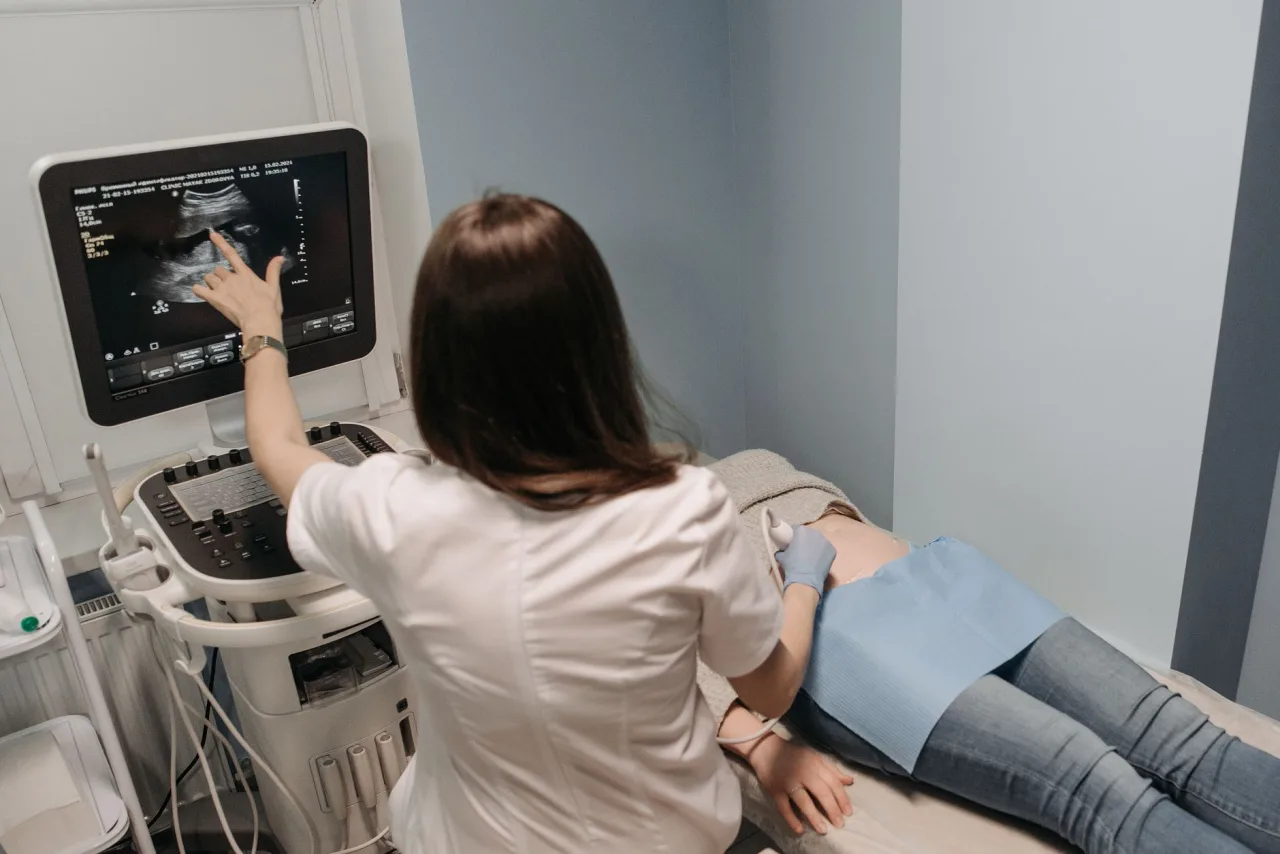
When people search for ultrasound places near them, they usually want three things: somewhere trustworthy, somewhere quick, and somewhere that will not overcharge. This guide explains the different kinds of places that perform ultrasound, how to tell a medical scan from a keepsake session, and the questions that separate a solid clinic from a mediocre one. It is general guidance rather than a list of named providers, because the right place depends on your referral, your reason for the scan, and where you live.
The short version
- Ultrasound uses sound waves, not radiation, which makes it one of the safest imaging tests when done for a medical reason.
- Quality depends on the person: look for a certified sonographer and a physician who interprets the images.
- Medical ultrasound and boutique "keepsake" 3D or 4D sessions are not the same thing. Know which you are booking.
- Confirm accreditation, price, and report turnaround before you commit.
What ultrasound is, in plain terms
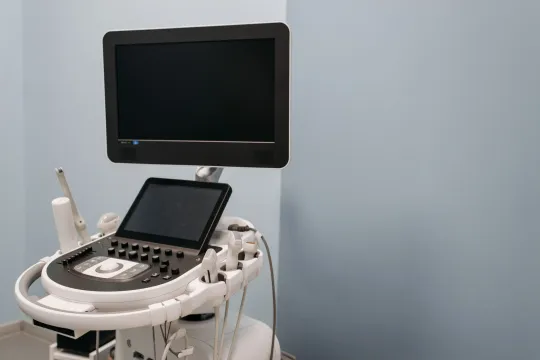
An ultrasound scan uses high-frequency sound waves and a handheld probe to build live images of the inside of your body. The NHS guide to ultrasound scans is clear that these scans do not use radiation, unlike X-rays or CT, which is a big part of why they are so widely used, including throughout pregnancy. Sound waves at diagnostic levels are considered safe, and an external probe is usually painless. If you want a fuller explanation of the test itself, see our overview of what ultrasound is used for and how it works.
The different places that perform ultrasound
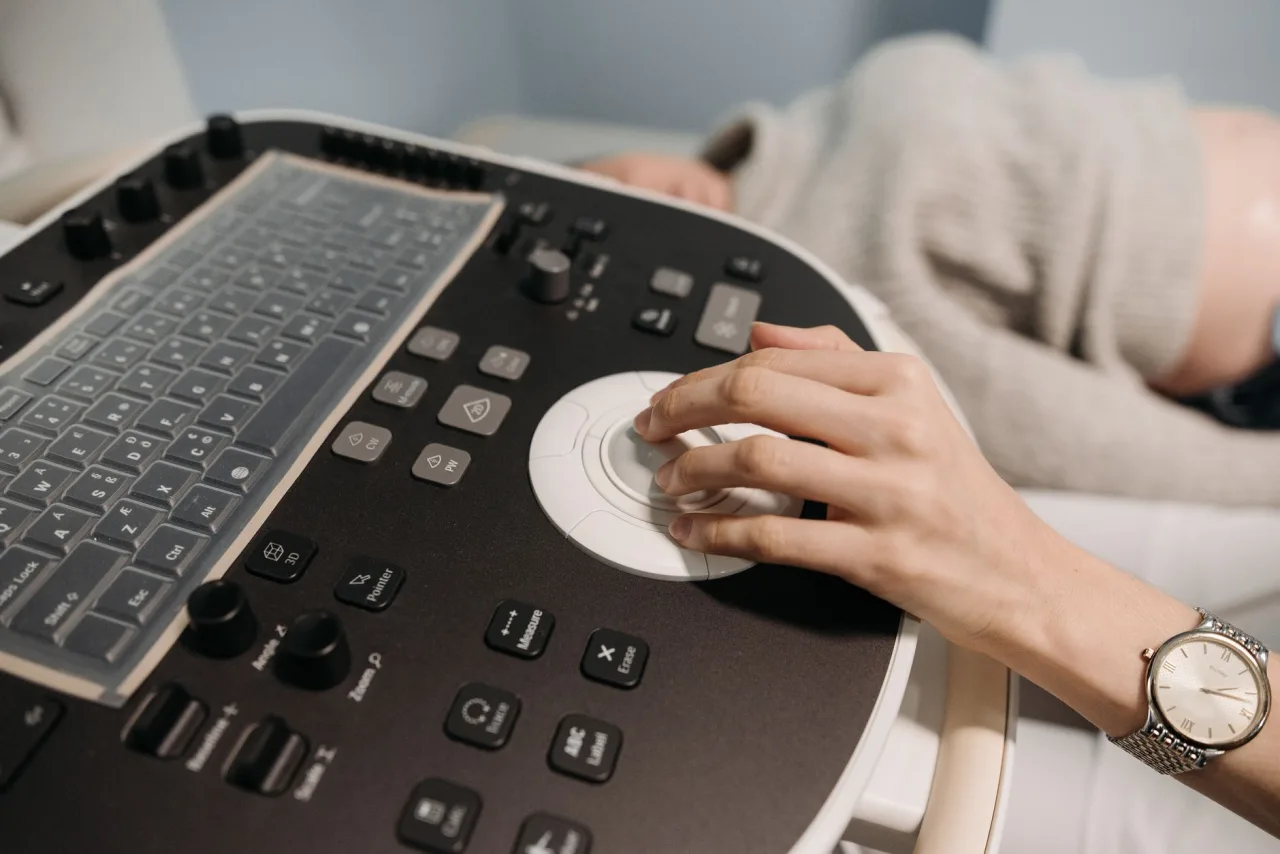
"Ultrasound places" is a broad phrase, and the settings behind it vary a lot. The main options are:
- Hospital radiology or imaging departments. Handle the full range, including complex and urgent scans.
- Outpatient imaging centers. Focus on scheduled scans and are often faster to book and lower cost than hospitals.
- Obstetrics and gynecology offices. Perform pregnancy and pelvic scans, sometimes on their own equipment.
- Specialist clinics. Vascular, cardiac, or musculoskeletal practices that scan a specific system.
- Keepsake or "bonding" studios. Sell non-diagnostic 3D or 4D pregnancy images and video. These are not medical exams.
For everyday medical scans, an accredited outpatient center or hospital department is the dependable choice. If your scan is pregnancy-related, our week-by-week guide to what to expect from a pregnancy sonogram explains which scans happen when and why.
Medical ultrasound versus keepsake sessions
This distinction matters. A diagnostic ultrasound is ordered for a clinical reason and interpreted by a doctor. A keepsake 3D or 4D session is sold as entertainment and does not replace medical care. Health regulators, including the US Food and Drug Administration, have discouraged non-medical "keepsake" imaging because there is no medical benefit to justify the exposure and no clinician reviewing the images for problems. If you want souvenir photos, that is a personal choice, but do not treat a boutique session as a substitute for the scans your doctor orders.
A useful rule: if a place cannot tell you who interprets the images and cannot send a report to your doctor, treat it as a keepsake service, not a medical one. For anything health-related, book a facility that provides a physician-read report.
Who performs the scan, and why it matters
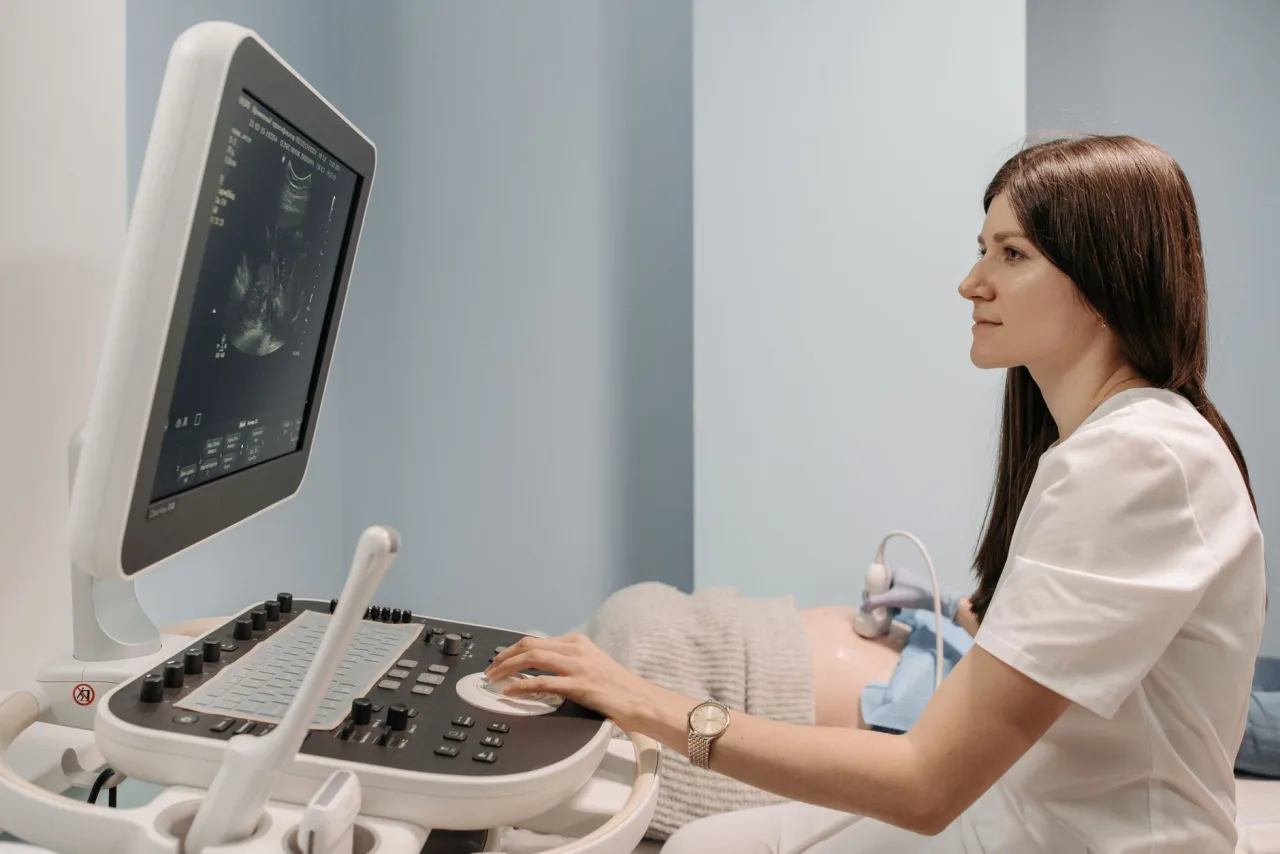
Ultrasound is unusually operator-dependent: the quality of the images depends heavily on the skill of the person holding the probe. That is why credentials matter more here than for many other tests. Look for a registered or certified sonographer. In the United States, the American Registry for Diagnostic Medical Sonography (ARDMS) awards the widely recognized RDMS credential across multiple specialties. A well-run place will happily tell you that its sonographers are credentialed and that a physician reads the results. If a career in this field interests you, our sonography career guide covers the training and certification path.
How to judge quality before you book
A short call answers most quality questions. Favor a place that can confirm:
- Accreditation. The facility has passed an independent review of its ultrasound practice.
- Credentialed sonographers. The people scanning you hold a recognized certification.
- Physician interpretation. A radiologist or specialist reads the images and issues a report.
- Clear reporting. Results go to your doctor promptly, and you can obtain a copy.
The American College of Radiology accredits ultrasound facilities, and other bodies run peer-review accreditation for ultrasound practices as well. Where you have a choice, an accredited facility has cleared an independent bar on image quality and staff qualifications.
What ultrasound costs
Ultrasound is generally one of the more affordable imaging tests because it uses no radiation and no expensive contrast. Even so, price varies by country, body region, facility type, and insurance. Self-pay ultrasound in the United States often runs from around one hundred to several hundred dollars depending on the exam, while medically necessary scans in systems like the NHS are typically provided without a direct patient charge. Keepsake 3D or 4D sessions are priced separately as a consumer service and are not medical care. Always confirm the number with the clinic and your insurer.
- Ask for the all-in price for your specific scan, including the reading fee.
- Ask whether your insurance requires a referral or pre-authorization.
- If paying out of pocket, ask about a self-pay rate, which is often lower than the list price.
Preparing for your scan
Preparation depends on the type of ultrasound, so follow the clinic's instructions. An abdominal scan may require fasting, while a pelvic scan may ask you to arrive with a full bladder. Our guide to abdominal ultrasound covers typical prep in more detail. On the day, wear comfortable clothing that gives easy access to the area being scanned, and bring your referral and any previous imaging.
This is general information, not medical advice. This article explains how to find and choose a place for an ultrasound. It cannot tell you whether you need a scan or what your images mean. Only your referring doctor or a radiologist can interpret your results and advise you. Always follow the guidance of your own healthcare team.
Frequently asked questions
Where can I get an ultrasound near me?
Ultrasound is performed at hospital imaging departments, outpatient imaging centers, obstetrics and gynecology offices, and specialist clinics. For a medical scan, choose an accredited facility with certified sonographers and a physician who interprets the images. Keepsake 3D or 4D studios are a separate, non-medical service.
Is ultrasound safe?
Yes, diagnostic ultrasound is considered very safe because it uses sound waves rather than radiation, which is why it is used routinely during pregnancy. It should still be performed for a medical reason by trained staff. Non-medical keepsake imaging is discouraged by health regulators because there is no clinical benefit to justify it.
Do I need a referral for an ultrasound?
Most medical ultrasounds are ordered by a doctor, and insurance usually expects a referral. Some outpatient and private clinics offer self-pay scans without a referral in certain regions, but a physician should still interpret the results. Check what is required where you live.
How much does an ultrasound cost?
Costs vary by country, exam, facility, and insurance. Self-pay ultrasound in the United States often runs from around one hundred to several hundred dollars, while medically necessary scans in systems like the NHS are typically provided without a direct patient charge. Confirm the exact price with the clinic and your insurer before booking.
Are 3D and 4D keepsake ultrasounds the same as a medical scan?
No. Keepsake 3D and 4D sessions are sold as souvenir experiences and are not interpreted by a doctor, so they do not replace the scans your clinician orders. If you want a medical assessment, book a diagnostic ultrasound at an accredited facility that provides a physician-read report.
More guides on Find a Clinic (Local)
Have a question or a topic to suggest?
We read every message. Tell us what you would like to see next.
You may also like
Ultrasound: Uses, Procedure & Results
An ultrasound uses sound waves, not radiation, to image soft tissue in real time. This guide covers why scans are ordered, how they work, how to prepare, and how results are interpreted, with a reminder to discuss findings with your doctor.

Pregnancy Sonogram: Week by Week
A reassuring, week by week look at pregnancy ultrasound scans, including what the dating and anomaly scans check, how to prepare and how results are shared.
Ultrasound Facility Near Me: How to Choose
A quality-first guide to choosing an ultrasound facility near you, focused on setting, accreditation, sonographer skill, image interpretation, and price.