Ultrasound Facility Near Me: How to Choose
Why setting, accreditation, and the sonographer matter more than the machine when choosing an ultrasound facility.
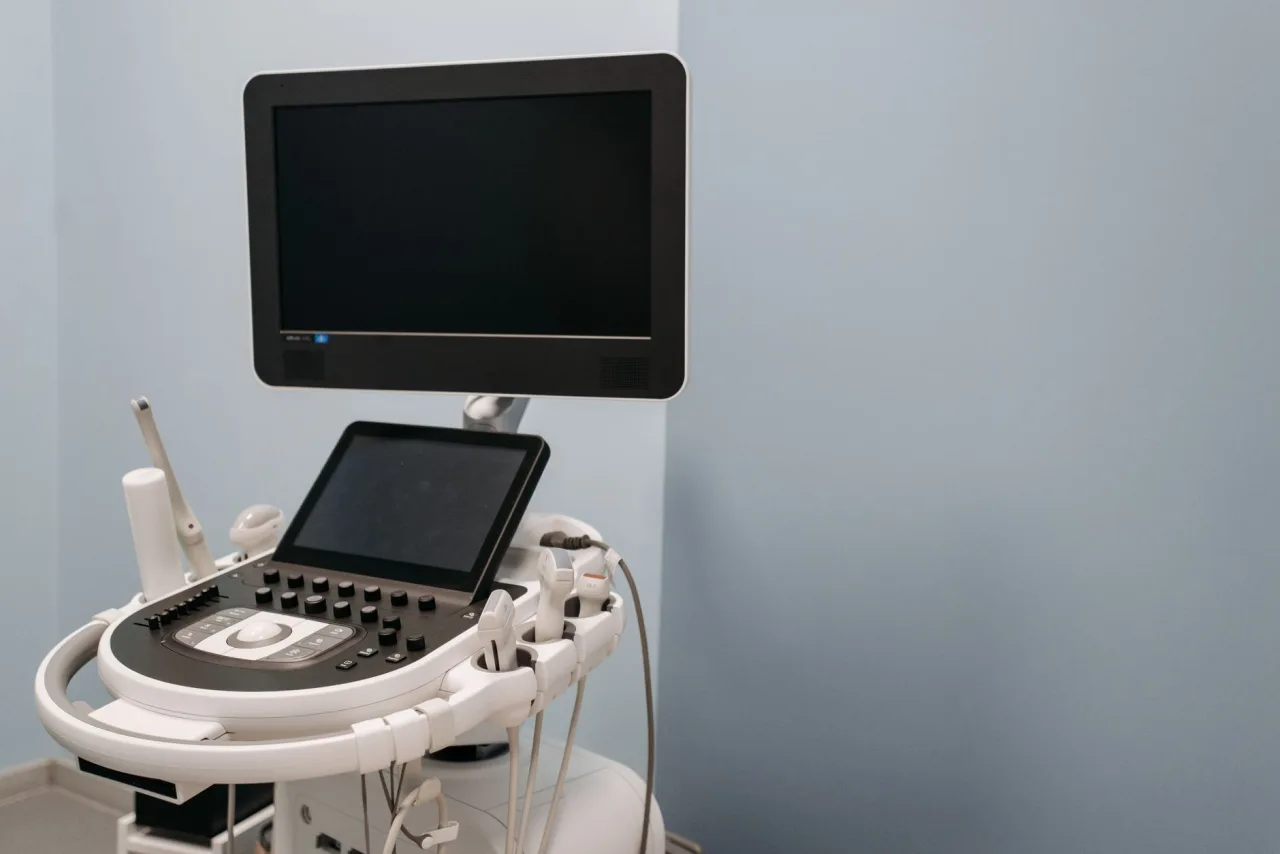
"Ultrasound facility" is the phrase you reach for when you care about quality, not just proximity. The difference between one facility and another is rarely the scanner: it is the setting, the accreditation, the skill of the sonographer, and who reads your images. This guide shows you how to judge those things so you can pick a facility with confidence. It is general educational guidance, not a directory of named clinics, because the best choice depends on your referral, your reason for the scan, and where you live.
The short version
- The setting matters: hospital departments, outpatient centers, and specialist clinics each suit different needs.
- Accreditation and credentialed sonographers are the strongest signals of a quality ultrasound facility.
- Ultrasound is highly operator-dependent, so the skill of the person scanning you genuinely affects the result.
- Confirm who interprets your images, how fast the report arrives, and the all-in price before booking.
Ultrasound is safe, and quality still varies
Ultrasound uses high-frequency sound waves rather than radiation, which the NHS guide to ultrasound scans confirms makes it a very safe test, used routinely in pregnancy and across many specialties. But "safe" does not mean "all the same." Two facilities can produce very different diagnostic quality from the same type of machine, which is why choosing well is worth a few extra minutes. For the mechanics of the test itself, our overview of how ultrasound works and what it is used for is a helpful primer.
Match the setting to your scan

The right facility depends partly on why you are being scanned. The common settings are:
- Hospital imaging departments. Best for complex, urgent, or high-risk cases, and where immediate follow-up may be needed.
- Outpatient or standalone imaging centers. Efficient and often lower cost for routine, scheduled scans.
- Specialist clinics. Vascular, cardiac, musculoskeletal, or women's health practices focused on a specific type of scan.
- Private ultrasound clinics. Offer self-pay scans and faster booking in some regions.
For a routine scan, an accredited outpatient center is usually the sweet spot of speed, cost, and quality. If you want a self-pay option or a quicker appointment, comparing a private ultrasound clinic can make sense. Specialized exams such as a transvaginal ultrasound may be better suited to a women's health or specialist setting.
Accreditation: the quality bar to look for
Accreditation is the clearest external signal that a facility meets recognized standards. The American College of Radiology (ACR) accredits ultrasound facilities, reviewing image quality, equipment, and the qualifications of the staff who perform and interpret the scans. Other bodies run peer-review accreditation specifically for ultrasound practices, checking training, reporting, safety, and equipment maintenance. Where you have a choice, an accredited facility has cleared an independent bar that an unaccredited one has not.
Ask plainly: "Is this facility accredited for ultrasound, and by whom?" A quality provider will answer without hesitation. Accreditation is not a promise of a perfect visit, but it is a meaningful, verifiable starting point.
Why the sonographer matters more than the machine
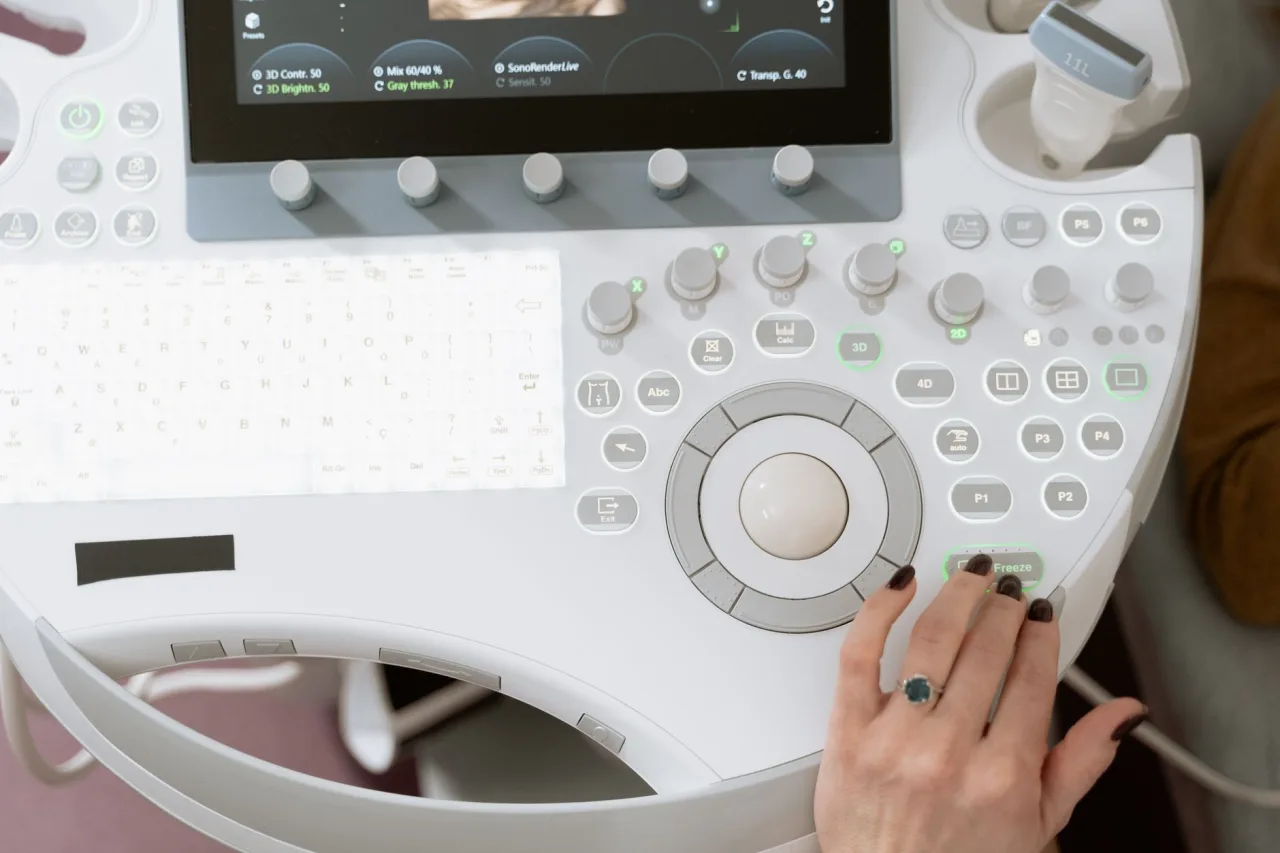
Ultrasound is unusually operator-dependent. Unlike a CT or MRI, where the machine acquires a standardized dataset, an ultrasound image is captured in real time by a person deciding where to point the probe and what to record. That makes the sonographer's skill central to the result. Look for a registered or certified sonographer. In the United States, the American Registry for Diagnostic Medical Sonography (ARDMS) awards the widely recognized RDMS credential across many specialties. If you are curious about the profession behind your scan, our sonography career guide explains the training and certification involved.
Who interprets your images, and how fast
Capturing the images is only half the job. A physician, usually a radiologist, should interpret them and send a written report to your referring doctor. When comparing facilities, ask two things: is a physician reading included in the price, and how quickly will the report reach your doctor? For most non-urgent scans a few days is typical. A facility that cannot tell you who interprets the images or how results are delivered is one to approach with caution, because a scan without a proper report is of limited medical value.
Referral, insurance, and price
Most medical ultrasounds are ordered by a doctor, and insurance generally expects a referral. Ultrasound is one of the more affordable imaging tests because it uses no radiation and no contrast, but price still varies by country, body region, facility type, and insurance. Self-pay ultrasound in the United States often runs from around one hundred to several hundred dollars, while medically necessary scans in systems like the NHS are typically provided without a direct patient charge. The only reliable figure is the one the facility and your insurer confirm for your exact scan.
- Ask for the all-in price, including the physician reading fee.
- Check whether your insurance needs a referral or pre-authorization.
- If paying out of pocket, ask about a self-pay rate, which is often lower than the list price.
Preparing for your appointment
Preparation depends on the exam, so follow the facility's instructions. Some scans require fasting, and some pelvic scans ask you to arrive with a full bladder. Wear comfortable clothing that gives easy access to the area being scanned, and bring your referral and any earlier imaging so the sonographer and radiologist can compare. If you have questions about what a particular scan involves, ask the facility when you book, and ask your doctor what the scan is looking for.
This is general information, not medical advice. This article explains how to find and choose an ultrasound facility. It cannot tell you whether you need a scan or what your images mean. Only your referring doctor or a radiologist can interpret your results and advise you. Always follow the guidance of your own healthcare team.
Frequently asked questions
How do I choose a good ultrasound facility near me?
Match the setting to your scan, then favor an accredited facility with registered or certified sonographers and a physician who interprets the images. Confirm the price, whether a reading is included, and how quickly the report reaches your doctor. Your referring doctor's recommendation is a good starting point.
Why does the sonographer matter so much?
Ultrasound is operator-dependent, meaning the images are captured live by a person choosing where to aim the probe and what to record. That makes the sonographer's skill central to the quality of the result. Looking for a registered or certified sonographer is one of the best ways to judge a facility.
Is a hospital ultrasound better than an outpatient one?
Not necessarily. Hospitals are best for complex, urgent, or high-risk cases, while accredited outpatient centers are often faster and lower cost for routine scans and can be just as high in quality. The right choice depends on your reason for the scan, which your doctor can advise on.
Do I need a referral for an ultrasound?
Most medical ultrasounds are ordered by a doctor, and insurance usually expects a referral. Some private and outpatient clinics offer self-pay scans without a referral in certain regions, but a physician should still interpret the results. Check what is required where you live.
How much does an ultrasound at a facility cost?
Costs vary by country, exam, facility, and insurance. Self-pay ultrasound in the United States often runs from around one hundred to several hundred dollars, while medically necessary scans in systems like the NHS are typically provided without a direct patient charge. Confirm the exact price with the facility and your insurer before booking.
More guides on Find a Clinic (Local)
Have a question or a topic to suggest?
We read every message. Tell us what you would like to see next.
You may also like
Ultrasound: Uses, Procedure & Results
An ultrasound uses sound waves, not radiation, to image soft tissue in real time. This guide covers why scans are ordered, how they work, how to prepare, and how results are interpreted, with a reminder to discuss findings with your doctor.

Private Ultrasound Near Me: A Buyer Guide
People go private for an ultrasound to skip a wait or to see a baby early. Here is when it makes sense, how to tell a diagnostic scan from a keepsake one, and how to choose a safe, reputable clinic.

Transvaginal Ultrasound: A Guide
A transvaginal ultrasound uses sound waves to produce close-up images of the uterus and ovaries. Here is why it is ordered, exactly what happens during the scan, how to prepare, and what the results can show.