Imaging Near Me: Choose Any Clinic
One framework for choosing an imaging clinic across X-ray, ultrasound, CT, MRI, DEXA, and mammography.

"Imaging near me" covers everything from an X-ray to an MRI, so the first job is not finding a clinic, it is knowing which scan you actually need and then judging the places that offer it. This is the master guide for that decision: one framework you can apply to any modality, plus links to modality-specific guides when you want detail. It is general information, not a directory of named clinics, because the right center depends on your referral, your insurer, and where you live.
The short version
- Your doctor chooses the modality (X-ray, ultrasound, CT, MRI, DEXA, mammogram); your job is to pick a good place to have it done.
- One framework fits all: accreditation, a reporting radiologist, qualified technologists, a clear all-in price, and fast turnaround.
- A multi-modality diagnostic center can be convenient when your workup needs more than one test.
- Only some scans use radiation (X-ray, CT, mammography, DEXA); ultrasound and MRI do not, which can matter for pregnancy and repeat imaging.
First, know which scan you need
Different scans answer different questions, and they are not interchangeable. Your referring doctor decides which one suits your situation, but understanding the basics helps you compare clinics sensibly.
- X-ray is fast and good for bones and chests, using a small dose of radiation.
- Ultrasound uses sound waves, not radiation, and is strong for soft tissue, pregnancy, and blood flow.
- CT uses X-rays to build detailed cross sections, useful for many organs and injuries, at a higher dose than a plain X-ray.
- MRI uses a strong magnet and radio waves, with no radiation, and excels at soft tissue, the brain, and joints.
- DEXA measures bone density at a very low dose, mainly to assess osteoporosis.
- Mammography is a low-dose X-ray of the breast used for screening and diagnosis.
RadiologyInfo, the patient resource from the ACR and RSNA, is a good neutral place to read what each test does; its general ultrasound page is one example of the plain-language explanations it offers across modalities.
The one framework that fits every modality
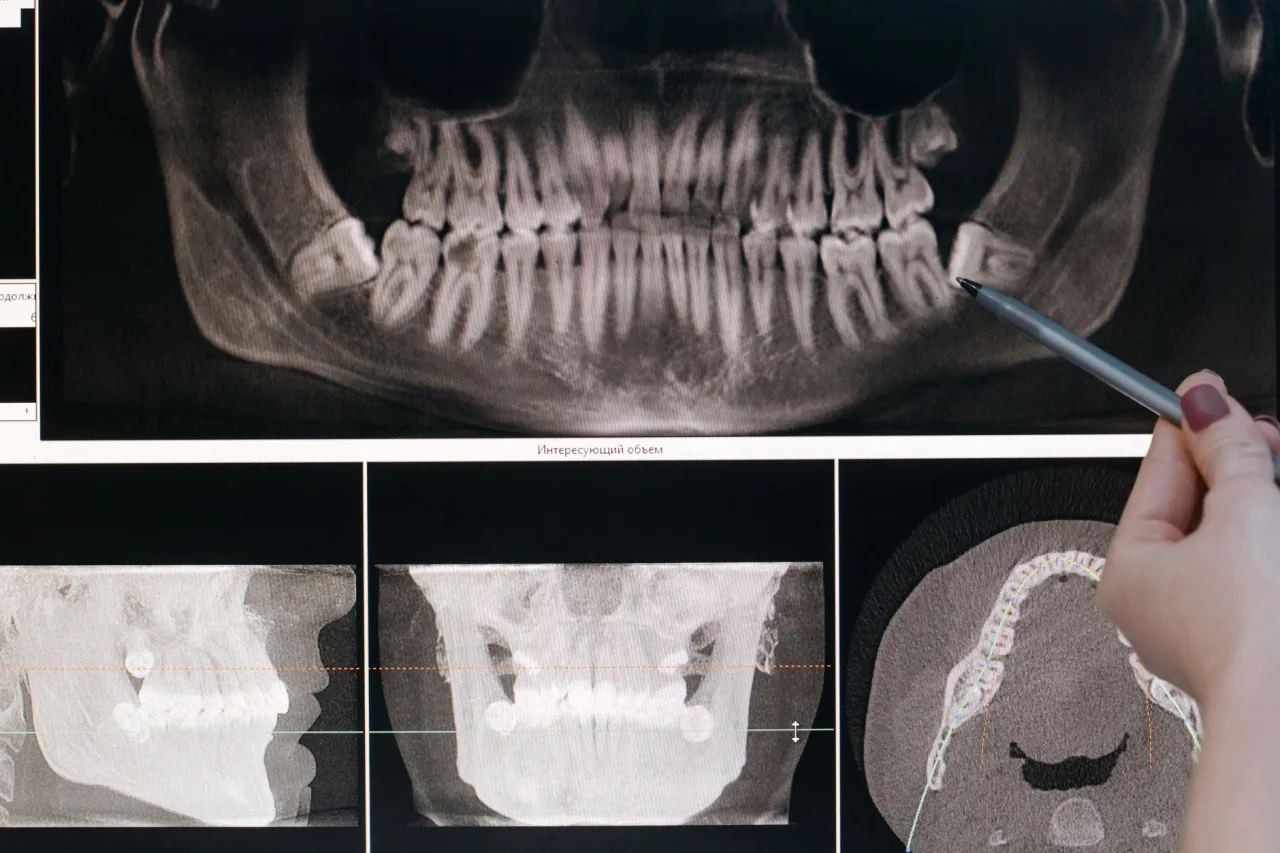
Whatever scan you need, the same five factors separate a strong center from an average one. Score any clinic against these and you will not go far wrong.
- Accreditation. An outside body has reviewed the equipment, dose, and staff.
- Radiologist reporting. A physician trained in imaging interprets your scan and writes a report.
- Qualified technologists and sonographers. Credentialed staff run the equipment.
- A clear, all-in price. The quote includes both the scan and the reading fee, in writing.
- Fast, portable results. The report reaches your doctor quickly, and you can get a copy of your images.
The American College of Radiology accredits facilities across CT, MRI, ultrasound, mammography, nuclear medicine, and more, so accreditation is a single signal you can check regardless of which scan you need. It is not a promise of a perfect visit, but it is a meaningful, independent bar.
Radiation: which scans use it, and why it is manageable
A common worry is radiation, but only some scans use it. X-ray, CT, mammography, and DEXA use ionizing radiation, while ultrasound and MRI do not. When radiation is used, good centers keep the dose as low as reasonably achievable, and for a scan your doctor has judged necessary the benefit of an accurate diagnosis generally outweighs the small risk. The dose also varies enormously by test: a DEXA scan uses less than a day of natural background radiation, while a CT uses considerably more than a plain X-ray.
A practical point: if you are or might be pregnant, tell the clinic before any scan. It affects which tests are appropriate, and ultrasound or MRI may be preferred over radiation-based imaging where a choice exists. Your care team makes that call, not a web page.
Where imaging is done, and the trade-offs
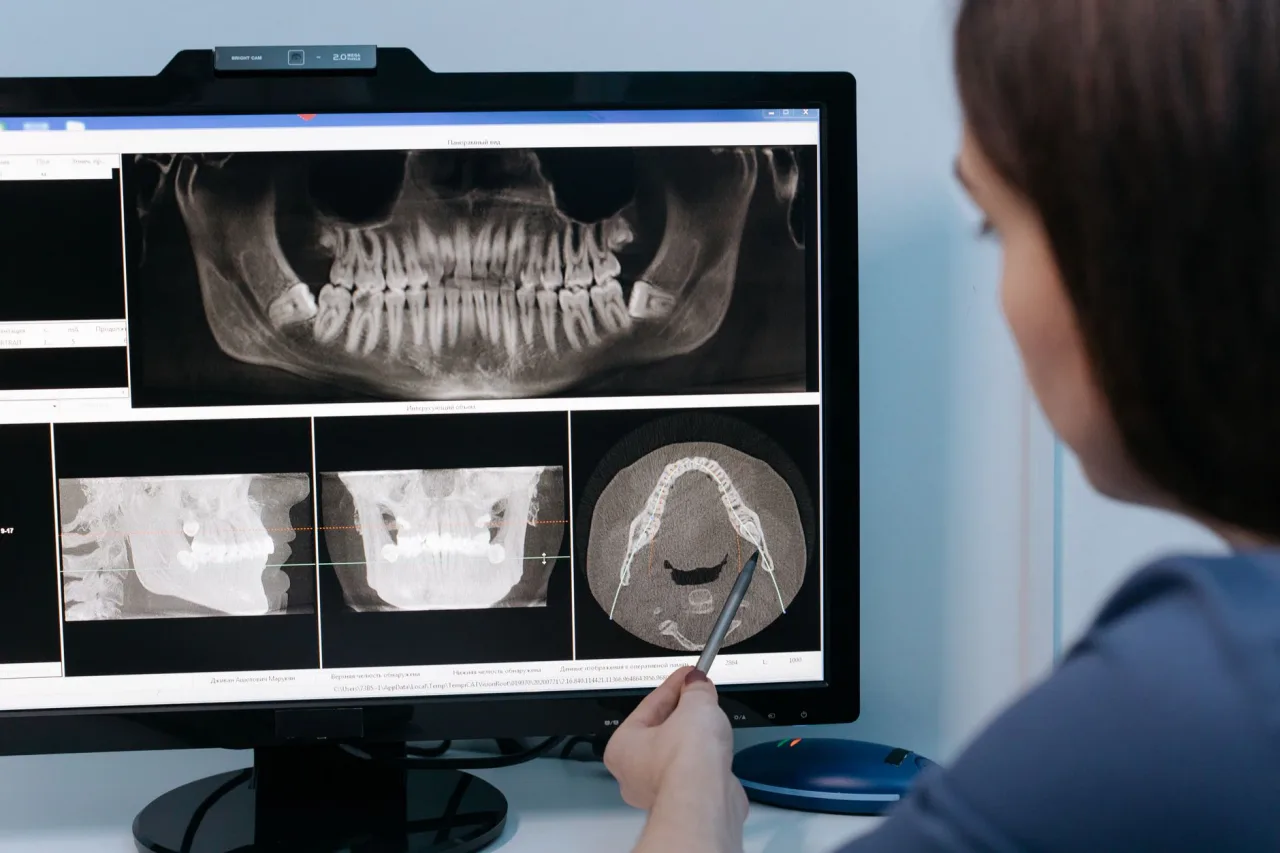
You will generally find imaging in three kinds of place, each with strengths.
- Hospital radiology departments are best for emergencies, complex cases, and anyone who may need immediate follow-up care. Often the most expensive setting.
- Standalone outpatient imaging centers are frequently faster to book and lower cost for routine, non-urgent scans.
- Multi-service diagnostic centers offer several modalities under one roof, which is convenient when your workup needs more than one test.
If your doctor has ordered more than one study, a broad diagnostic center near you or a general radiology center near you can save trips by handling everything in one place.
Modality-specific guides for the detail
Once you know your scan, these companion guides apply the same framework with the specifics that matter for each test, including preparation, safety screening, and typical costs.
- Comparing CT imaging clinics, including contrast and dose.
- Choosing an MRI scan center, including safety screening and open versus closed scanners.
- Finding an ultrasound location, including operator skill and keepsake studios.
- Booking a DEXA bone density scan, including why the same machine matters for follow-up.
What imaging costs, and how to compare fairly
Costs vary enormously by country, modality, facility type, whether contrast is used, and your insurance. In the United States, a plain X-ray or DEXA is often relatively affordable, while CT and especially MRI cost more, and the same scan can carry very different prices at a hospital versus an outpatient center. In systems like the NHS, medically necessary imaging is typically provided without a direct charge. The only reliable number is the one the clinic and your insurer confirm for your exact scan, so always ask for the all-in price, including the reading fee, and treat published figures as ranges to confirm rather than fixed rates.
A few habits keep costs predictable across any modality. Ask whether the quote is a self-pay or prompt-pay price, which is often lower than the list price if you are not going through insurance. Confirm whether contrast, when it is used, is bundled into the quote or billed separately, since that single line can change the total noticeably. If you are insured, check that the specific facility is in network and whether the scan needs prior authorization, because an out-of-network center or a missing approval is a common cause of a surprise bill. And remember that the cheapest quote is not really a bargain if the center is not accredited or does not have a radiologist read the scan, since a repeat study elsewhere costs far more than the difference you saved.
A short phone call settles most questions
Before you book any scan, a five-minute call covers the essentials:
- Are you accredited for this scan, and by whom?
- Will a board-certified radiologist read it, and how soon will the report reach my doctor?
- What is the all-in price for my specific study, and what does it include?
- How should I prepare, and is contrast or any safety screening involved?
- Can you give me a copy of my images and report, and in what format?
This is general information, not medical advice. This article explains how to find and evaluate an imaging provider. It cannot tell you which scan you need or what your results mean. Only your referring doctor or a radiologist can choose the right test, interpret your images, and advise on next steps. Always follow the guidance of your own healthcare team.
Frequently asked questions
How do I find a good imaging clinic near me?
Start with your doctor's referral so you know which scan you need, then score candidate clinics on five factors: accreditation, a reporting radiologist, qualified technologists, a clear all-in price, and fast, portable results. Confirm preparation and price by phone before booking. The same framework works for X-ray, ultrasound, CT, MRI, DEXA, and mammography.
Which type of scan do I need?
That is your doctor's decision, because each modality answers different questions. Broadly, X-ray and CT use radiation and suit bones and many organs, ultrasound and MRI use no radiation and suit soft tissue, DEXA measures bone density, and mammography screens the breast. Ask your referring clinician why they chose the test they did.
Which imaging scans use radiation?
X-ray, CT, mammography, and DEXA use ionizing radiation, while ultrasound and MRI do not. When radiation is used, centers keep the dose as low as reasonably achievable, and the amount varies widely between tests. Tell the clinic if you are or might be pregnant, since that can affect which scan is appropriate.
Is a multi-modality diagnostic center better than a specialist one?
Neither is automatically better. A multi-modality center is convenient when your workup needs more than one test, while a specialist center may have deep focus on a single scan. Judge either on the same five factors, and let convenience break the tie once quality is equal.
Should I get copies of my imaging?
Yes. A copy of your images and report, on a disc or through a portal, makes second opinions easier, can spare you a repeat scan if you change providers, and gives future doctors a baseline. Ask each center whether it provides records to patients and in what format.
More guides on Find a Clinic (Local)
Have a question or a topic to suggest?
We read every message. Tell us what you would like to see next.
You may also like
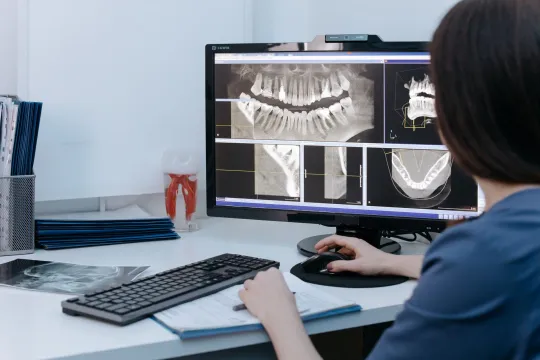
CT Imaging Near Me: Compare Clinics
Holding a CT referral and choosing between centers? Use a simple scorecard to compare accreditation, reporting, price, and turnaround instead of picking the first result.
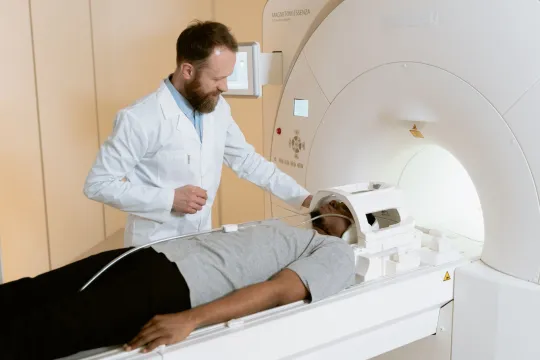
MRI Scan Near Me: Choose a Clinic
An MRI is longer, noisier, and pricier than most scans, with a strong magnet that makes safety screening essential. Learn how to choose a good MRI center.

Ultrasound Locations Near Me
Hospitals, imaging centers, and keepsake studios all advertise ultrasound. Learn to tell a proper diagnostic location from a novelty one before you book.