X-Ray Clinic Near Me: How to Choose
An honest framework for finding and choosing a good X-ray clinic, plus what to check and what it costs.
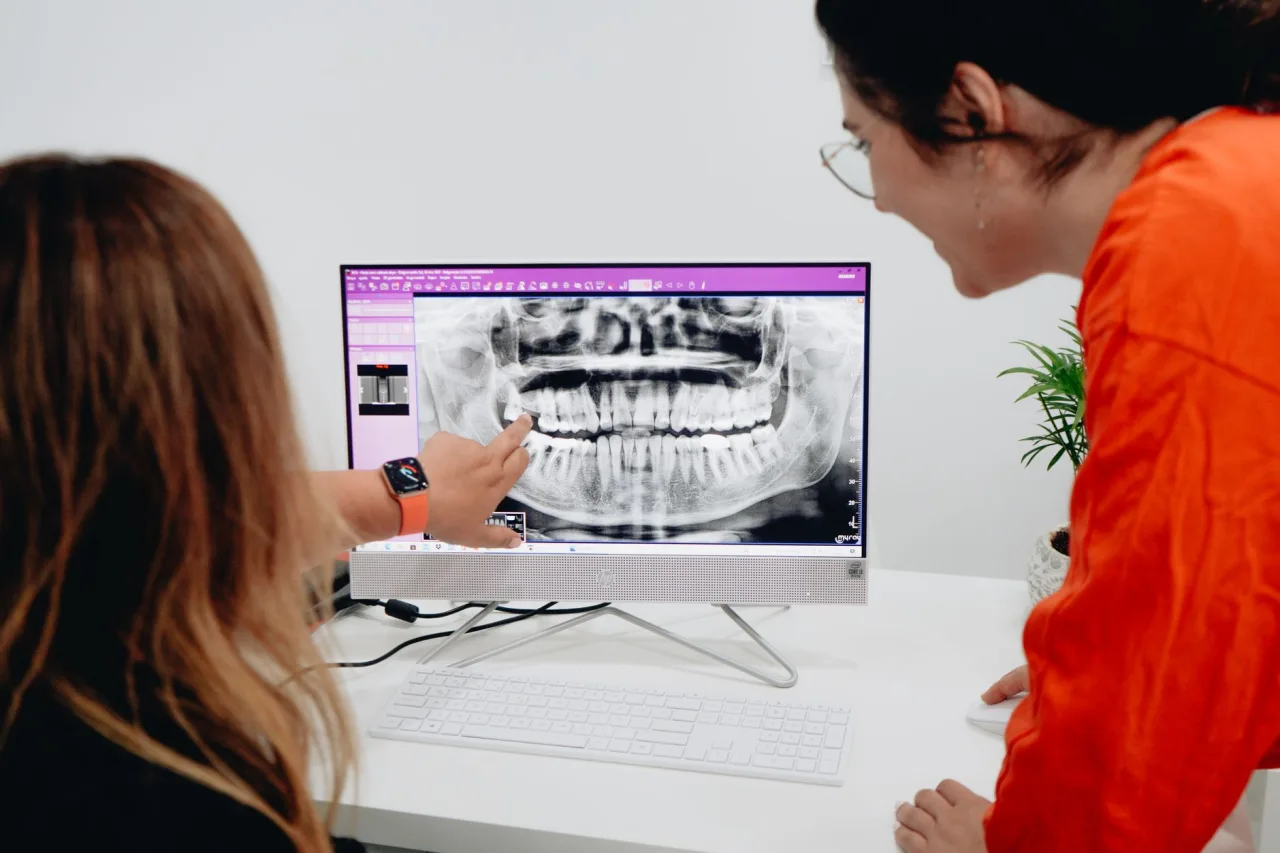
Searching for an X-ray clinic near you usually means you want the scan done quickly, done well and without an unpleasant surprise on the bill. This guide is not a list of specific clinics; it is a practical framework for finding and choosing a good X-ray provider wherever you live. You will learn what to check, what questions to ask, and roughly what an X-ray costs, so the closest clinic is not automatically the one you pick.
The short version
- Nearest is not the same as best. Judge an X-ray clinic on accreditation, whether a radiologist reports the images, and turnaround time.
- Most X-ray exams need a referral from a doctor, so check the clinic accepts your referral or offers one.
- An X-ray uses a small dose of ionizing radiation. Reputable clinics follow the principle of keeping doses as low as reasonably achievable.
- Prices vary widely by country, body part and insurance. Always confirm the total cost and what the report includes before you book.
What an X-ray clinic actually does
An X-ray clinic performs radiography, which passes a small, controlled dose of ionizing radiation through the body to create images of bones and some soft tissues. Because different tissues absorb the radiation differently, bones show up bright while air and soft tissue appear darker, which makes X-ray excellent for fractures, chest problems and dental work. According to RadiologyInfo.org, a single chest X-ray delivers roughly the same radiation as about ten days of natural background exposure, and clinics follow the ALARA principle, keeping the dose As Low As Reasonably Achievable.
Some clinics are dedicated X-ray and radiography centres, while others sit inside a broader imaging center that also offers ultrasound, CT and MRI. Both can be excellent. What matters is not the name on the door but the quality checks behind it.
The checklist for choosing a good X-ray clinic
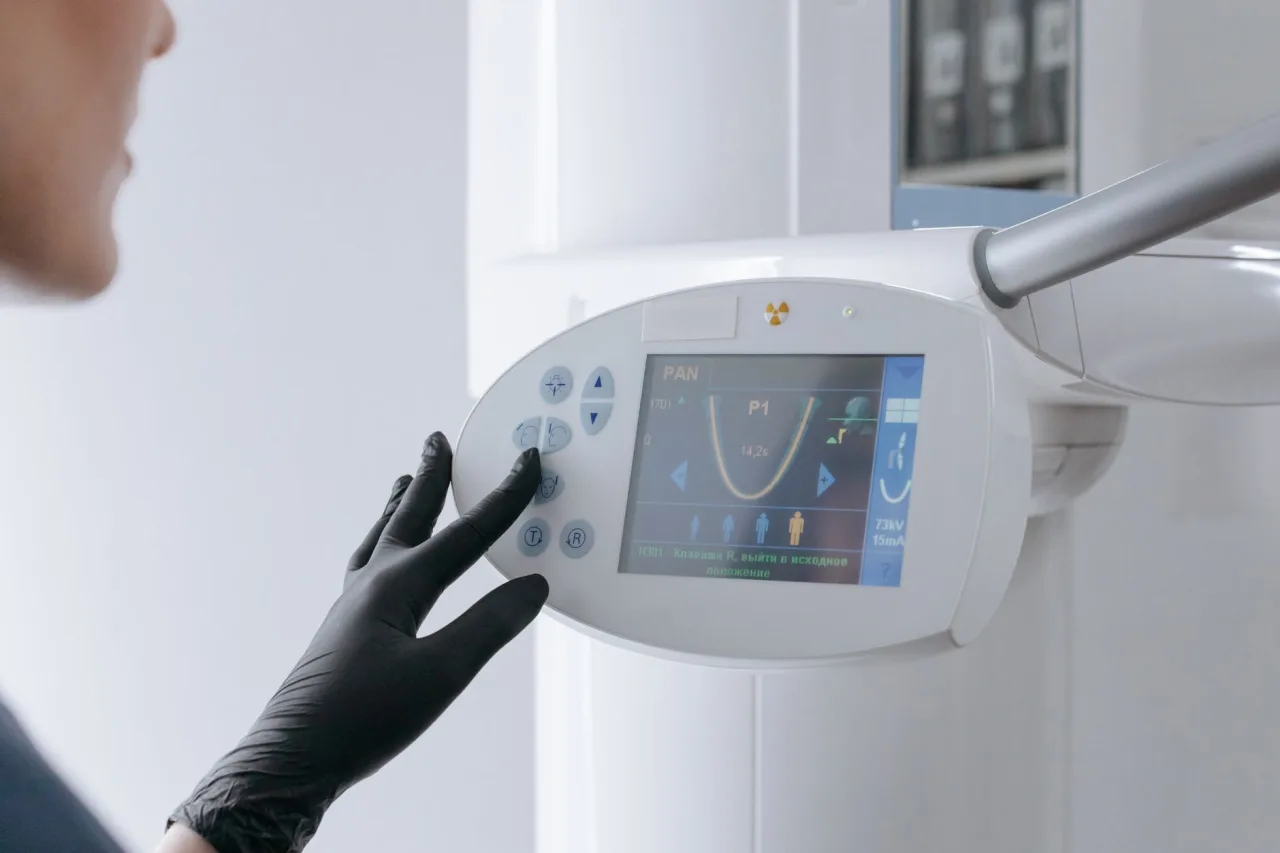
Before you book, run any clinic you are considering through this short list. It separates a solid provider from a merely convenient one:
- Accreditation: Look for recognition from a national body. In the United States, the American College of Radiology accredits imaging facilities, checking equipment, staff qualifications and image quality. Other countries have their own equivalents.
- Radiologist reporting: Confirm that a qualified radiologist, a doctor who specialises in reading scans, interprets your images and writes a report. Some cheap services only supply raw images with no expert reading.
- Qualified radiographers: The staff operating the equipment should be trained and licensed radiographers or X-ray technologists.
- Turnaround time: Ask how quickly images and the written report reach you and your doctor. For an injury, same-day matters.
- Modern equipment: Digital radiography generally means lower doses and faster results than older film systems.
Do you need a referral first?
In most healthcare systems an X-ray requires a referral or request from a doctor, dentist or other qualified clinician, because someone has to decide the scan is justified and specify what to image. Some private clinics offer self-referral for certain exams, but even then a professional should be involved in acting on the result. If you do not yet have a referral, your family doctor or an urgent care clinic is the usual starting point. Never seek repeated scans just for reassurance, since every X-ray carries a small radiation dose that should be justified by a genuine clinical need.
Tip: When you call to book, have three things ready: what the doctor wants imaged, whether you have a written referral, and your insurance or payment method. Those three answers let the clinic quote an accurate price and appointment slot in one call.
What an X-ray typically costs
Costs vary enormously by country, provider, body part and whether you use insurance, so treat any figure as a rough guide and confirm the exact total with the clinic and your insurer. As a broad illustration in the United States, a simple X-ray such as a chest or limb often falls somewhere in the region of 100 to 400 US dollars when paid out of pocket, with complex or multi view studies costing more. In the United Kingdom, X-rays are typically free on the NHS with a referral, while private scans are usually cheaper than CT or MRI. Prices in other countries differ again.
Because of that spread, ask two specific questions: what is the all-in price including the radiologist report, and what will I actually pay after insurance. A low headline price that excludes the report is not the bargain it appears to be. If you are comparing scan types, our overview of the price of a CT scan shows how much dearer cross sectional imaging can be.
What to expect on the day of an X-ray
Knowing how a visit runs helps you compare clinics on more than price. A straightforward X-ray appointment usually looks like this:
- You check in and confirm the area to be imaged and, if relevant, whether you could be pregnant.
- You may be asked to remove jewellery, glasses or clothing over the area and to wear a gown, since metal and thick fabric can obscure the image.
- A radiographer positions the body part against the detector and asks you to stay still, sometimes holding your breath for a chest film.
- The exposure itself lasts a fraction of a second and is painless. Several views may be taken from different angles.
- You wait briefly while the radiographer checks the images are clear, then you are free to go.
The whole visit is often over in 10 to 20 minutes for a simple study. A good clinic explains each step, protects surrounding areas where appropriate, and answers questions about the small radiation dose without brushing them off. If staff seem rushed or cannot say who will report your images, treat that as a reason to look elsewhere.
Same-day and walk-in X-ray options
For suspected fractures and acute chest symptoms, speed matters. Many urgent care centres and hospital departments offer walk-in X-ray, while dedicated imaging clinics often keep same-day appointment slots. When you phone, ask directly whether they can see you today and how long the wait is likely to be. Be wary of promises that sound too good, such as guaranteed instant results with no radiologist involvement, because a fast image without an expert reading can miss important findings.
Speed should never come at the cost of quality. A reputable walk-in service still positions you correctly, takes the right views, protects surrounding areas where appropriate, and routes your images to a qualified radiologist for a written report. If you are choosing between a slightly closer clinic that only hands you pictures and one a little further away that provides a full radiologist report, the second is almost always the better choice for your health, even if it means a short wait or a little extra travel.
How this fits with other scans near you
X-ray is often the first imaging step, but it is not always the final answer. If your X-ray is inconclusive, your doctor may order a scan that shows soft tissue in more detail. It helps to know your local options in advance, so you are not starting the search from scratch under pressure. You can compare providers for a CT scan near you, or for a broader radiology service near you, using the same accreditation and reporting checks described above. The person who decides which scan you need is always your referring clinician.
Please note: This article is general educational information, not medical advice. It does not recommend any specific clinic and cannot tell you which scan you need. Always follow the guidance of a qualified doctor or your referring clinician.
Frequently asked questions
How do I find a reliable X-ray clinic near me?
Start with clinics that are accredited by a recognised body, employ licensed radiographers, and have a qualified radiologist report your images. Then compare turnaround time and the all-in price including the report. Convenience matters, but it should come after those quality checks.
Do I need a doctor's referral for an X-ray?
In most cases yes. An X-ray usually needs a referral or request from a doctor or dentist so that the scan is justified and the correct area is imaged. Some private clinics allow self-referral for certain exams, but a qualified clinician should still act on the result.
How much does an X-ray cost?
It varies widely by country, body part and insurance. As a rough United States guide, a simple X-ray paid out of pocket often falls in the region of 100 to 400 US dollars, while in the United Kingdom it is typically free on the NHS with a referral. Always confirm the total, including the radiologist report, with the clinic and your insurer.
Is an X-ray safe?
An X-ray uses a small dose of ionizing radiation, and reputable clinics keep that dose as low as reasonably achievable. For most people the benefit of an accurate diagnosis outweighs the very small risk, but scans should always be clinically justified rather than repeated for reassurance. Tell staff if you are or might be pregnant.
Can I get a same-day X-ray?
Often yes. Many urgent care centres and imaging clinics offer walk-in or same-day X-ray, which is useful for suspected fractures. Phone ahead to confirm availability and wait times, and make sure a radiologist will read the images rather than handing you raw pictures alone.
More guides on Find a Clinic (Local)
Have a question or a topic to suggest?
We read every message. Tell us what you would like to see next.
You may also like

X-Ray Near Me: How to Choose
An honest guide to finding an x-ray near you: how to choose an accredited clinic where a radiologist reports your images, what an x-ray costs, the small radiation dose, and the questions to ask first.
Imaging Center: How to Find & Choose
An imaging center brings several scan types under one roof. Learn how to find and choose a good one, from modality accreditation to radiologist reporting and cost.

Radiology Near Me: How to Choose a Clinic
Radiology near you spans X-ray, ultrasound, CT and MRI. Here is what a radiology clinic does, who the radiologist is, honest radiation facts by scan type, and how to choose an accredited practice.